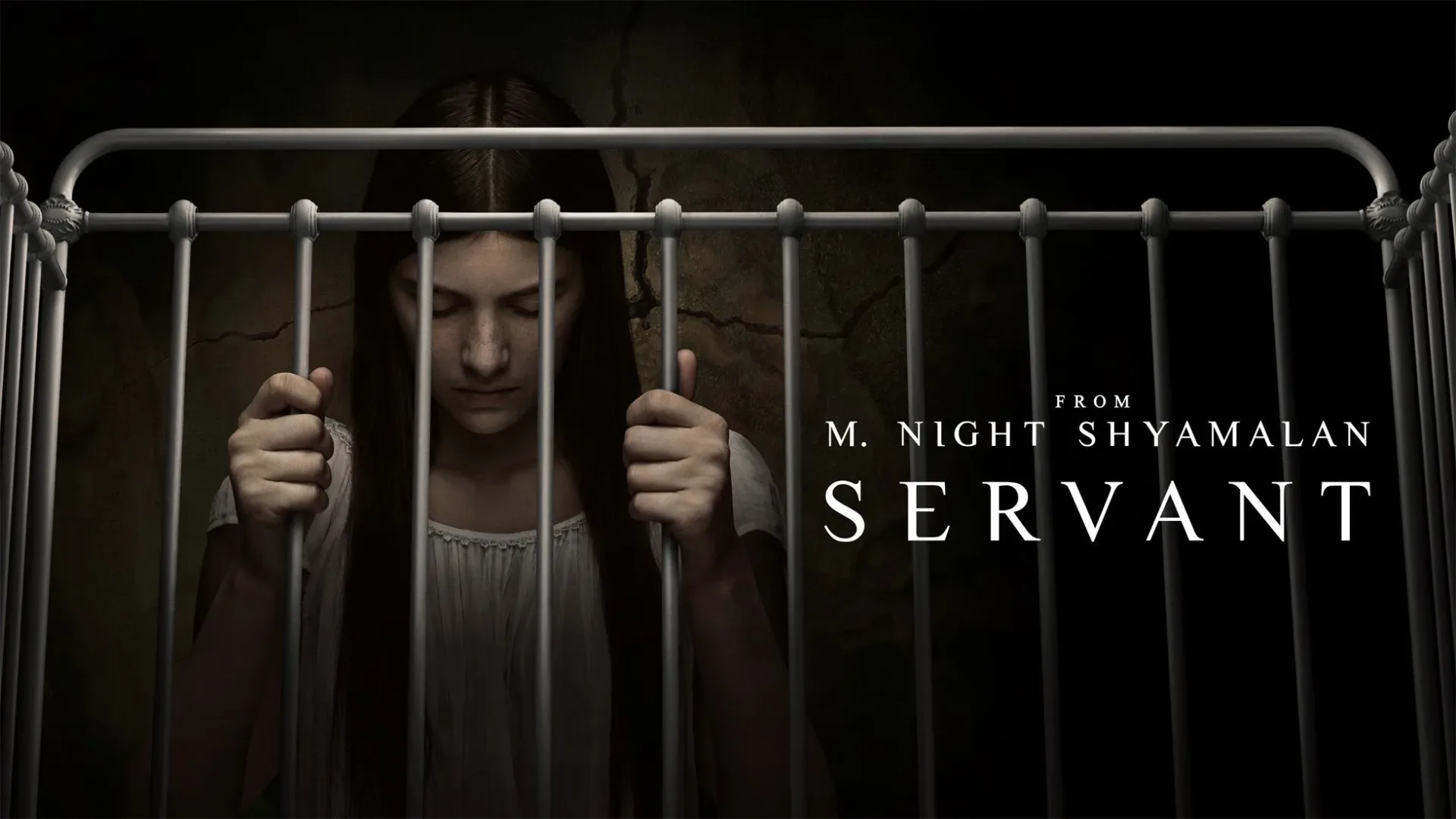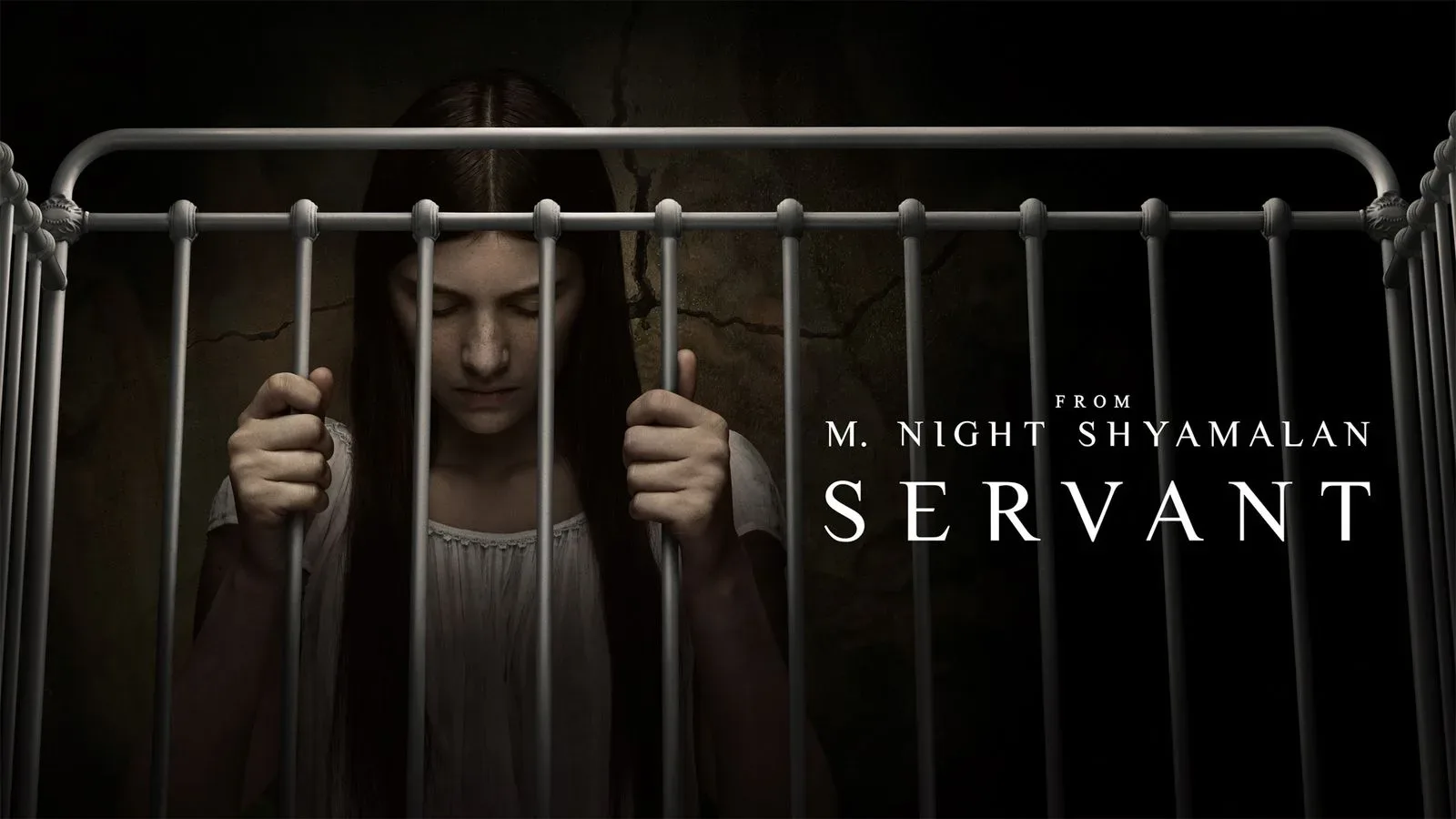
Apple, M. Night Shyamalan and the other defendants in the copyright case involving Servant have kept their trial victory. In an October 22 decision, the Ninth Circuit upheld the unanimous jury verdict that rejected filmmaker Francesca Gregorini’s claims that the first three episodes of the Apple TV series copied her 2013 film The Truth About Emanuel.
The ruling leaves intact the judgment entered after the January 24, 2025 trial verdict. Gregorini filed the lawsuit in January 2020. Her case had an unusual procedural route: it was dismissed in 2020, revived on appeal in 2022, and then ultimately reached a jury trial. The latest appeal did not re-try the creative dispute from scratch. It centered on the trial process, particularly the instructions the jury received and how the court handled a question from jurors before accepting their verdict.
What the dispute was about
Gregorini alleged that Servant copied elements of The Truth About Emanuel. Both works involve a grieving mother who treats a doll as though it were a real infant, as well as a young caregiver. Those overlapping story elements were at the core of the claim concerning the series’ first three episodes.
That similarity alone was not enough to resolve the litigation. Copyright cases involving films and television often turn on more than whether two works share a broad setup, premise or familiar dramatic device. The legal fight here also involved the claimed opportunity for the makers of Servant to have encountered Gregorini’s movie before creating the show.
The jury ruled unanimously for Apple, Shyamalan and the other defendants. With the Ninth Circuit now affirming the result, that verdict remains in force.
Why “access” mattered in the appeal
In this context, access refers to whether an alleged copier had a reasonable opportunity to encounter the earlier work. It is a concept that can matter when a claimant seeks to establish that copying occurred rather than that two creators independently arrived at material with some similarities.
Gregorini argued on appeal that the jury needed more direction on how to evaluate access. The Ninth Circuit disagreed, finding the jury instructions adequate. That determination is significant because jury instructions are the framework jurors use to apply the law to the evidence presented in court. An appellate court does not merely ask whether one side preferred different wording; it considers whether the instructions, as given, sufficiently and correctly directed the jury’s decision-making.
Here, the appeals court concluded that the instruction issue did not justify undoing a unanimous verdict. The decision therefore preserves the jury’s finding for the defendants without creating a new trial over the underlying comparison between the two works.
The unanswered jury question
The appeal also challenged the trial judge’s handling of a request from the jury for clarification. Courts commonly receive questions while jurors are deliberating. A judge may answer, seek clarification, or take other steps consistent with the status of deliberations and the verdict.
In this case, the jury had reached a unanimous verdict before its question was answered. The Ninth Circuit found that the trial judge could accept that verdict. In practical terms, the court concluded that the unanswered inquiry did not establish a procedural defect serious enough to displace the result.
That is a narrower finding than a declaration that jury questions never matter. Rather, the appellate ruling addresses the circumstances of this trial: the guidance jurors already had, the unanimous outcome they reached, and the judge’s authority to accept it at that point.
What the ruling does—and does not—decide
The outcome is a win for the Servant defendants, but it is useful to separate the case’s procedural holding from broader creative claims. The appeals court upheld a specific jury verdict and rejected challenges tied to jury instructions and the handling of deliberations. It did not turn every similar premise in television or film into evidence of infringement, nor does it provide a blanket rule that shared concepts can never result in a viable copyright claim.
For writers, producers and viewers, the case illustrates a distinction that is easy to blur in online discussions of “copied” stories. Two works can involve comparable high-level ingredients while still differing in the copyright-relevant expression of those ideas. Characterization, sequence, dialogue, visual treatment, plotting and other specific creative choices can all be part of a larger analysis. This case also shows how proof concerning access can become a central issue when parties dispute whether any overlap came from copying at all.
The record described in the appeal concerned the first three episodes of Servant, not a generalized ruling on every plot point or every part of the series. Keeping that boundary in view matters when discussing the decision: the court’s task was to review the case and trial issues before it, rather than pronounce on all creative works involving grief, dolls, caregivers or psychological horror.
A long route to a final appellate result
The timeline underlines how long major entertainment copyright disputes can remain active. Gregorini sued in January 2020. The case was initially dismissed that year, then restored through an appeal in 2022. It proceeded to trial, where the jury returned its unanimous verdict on January 24, 2025. The Ninth Circuit’s October 22 ruling now affirms that verdict after the subsequent appeal.
That multi-stage process also explains why an appellate win is important even after a trial victory. A jury verdict is a major result, but the losing side may challenge legal rulings made during the trial. Challenges involving jury directions, evidence, deliberations or other procedure can potentially lead to a new trial if an appellate court finds prejudicial error. The court found no basis to do so here.
For Apple, the ruling closes this appellate chapter involving one of its Apple TV series. The company has continued to build out the platform’s broader video offering; its television ambitions remain part of the larger Apple ecosystem discussed in recent Apple TV platform coverage. Nothing in this decision, however, establishes new information about the service’s programming plans or the availability of Servant.
The people and show at the center
Servant stars Lauren Ambrose, Toby Kebbell, Nell Tiger Free and Rupert Grint. Shyamalan served as an executive producer. Gregorini’s claim named Apple, Shyamalan and other defendants, with the dispute focused on the alleged relationship between the show’s early episodes and The Truth About Emanuel.
The appellate decision is not a creative review of either work. Its practical meaning is legal and procedural: the judgment for the defendants stands, the jury instructions were deemed sufficient, and the trial court’s acceptance of the unanimous verdict before responding to the jury’s request for clarification was upheld.
As a result, the most immediate takeaway is straightforward. The dispute has survived dismissal, revival, a jury trial and a further appeal, and the final reported appellate decision keeps the 2025 defense verdict in place.