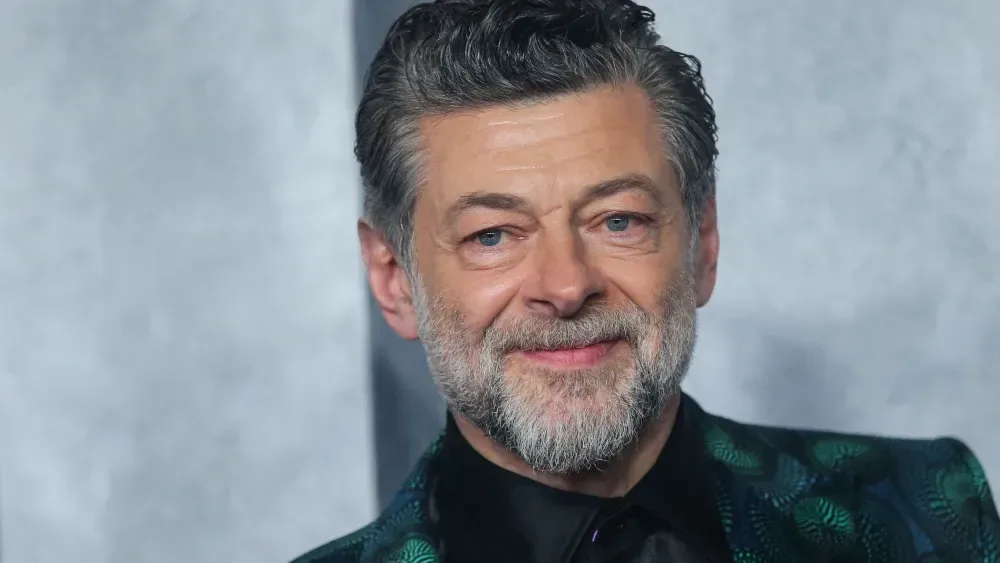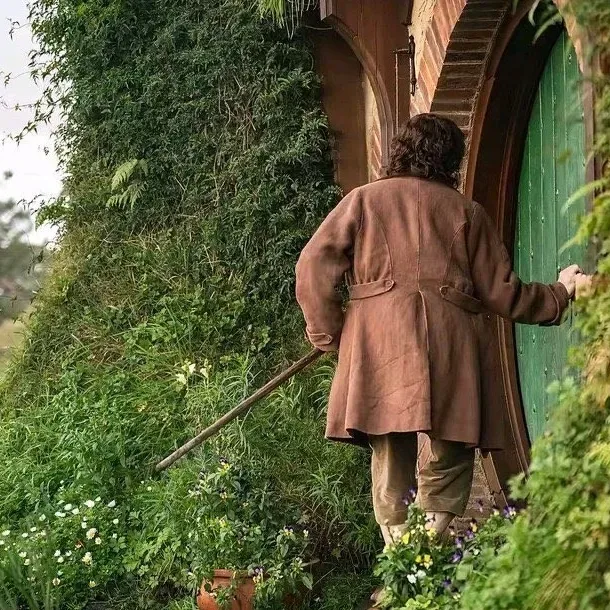
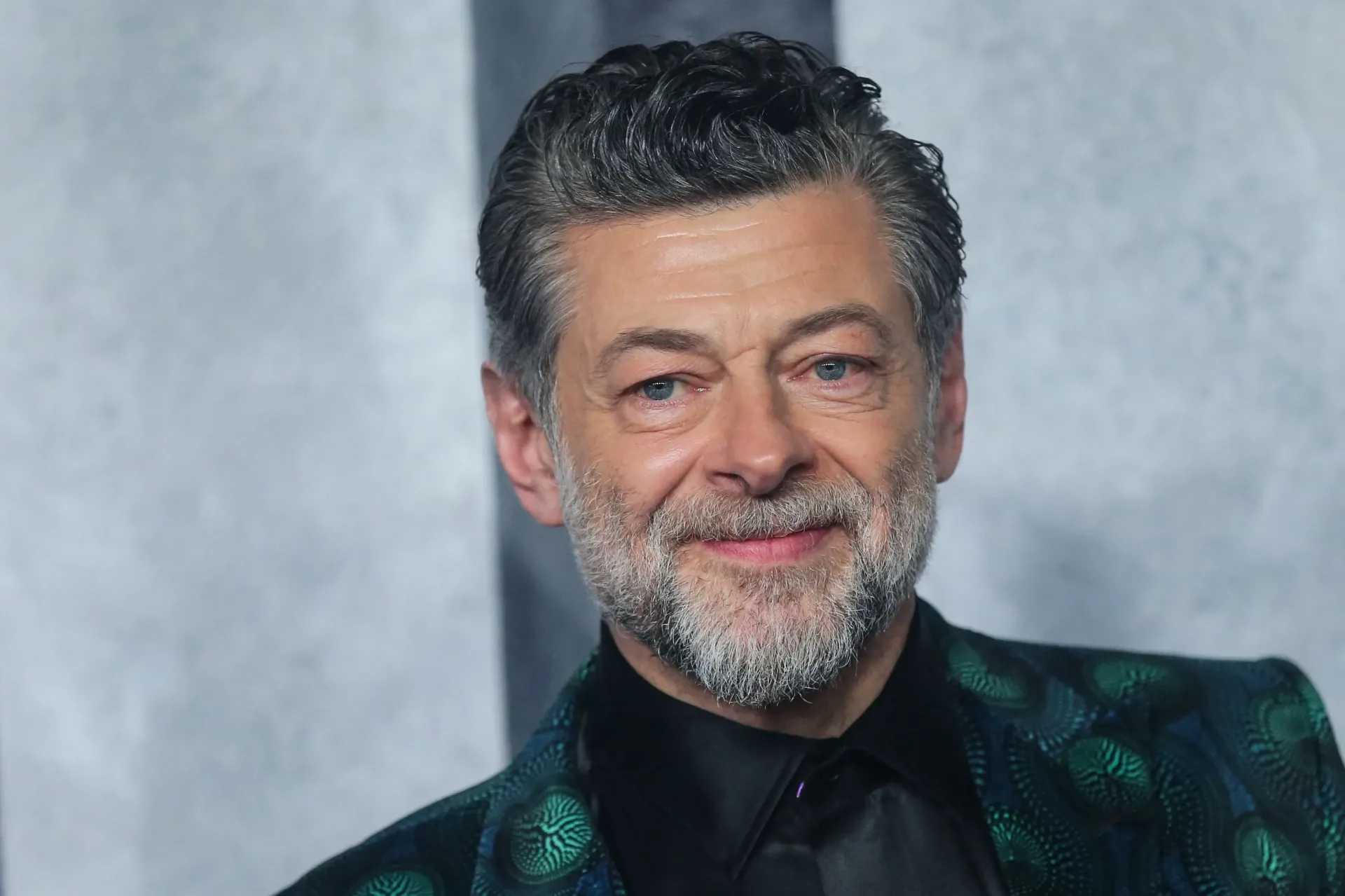
Andy Serkis is returning to Gollum in The Lord of the Rings: The Hunt for Gollum, but the actor and director is also revisiting a much older argument: whether a performance delivered through computer-generated imagery is treated as a performance at all.
Serkis, whose work helped establish Gollum/Sméagol as one of cinema’s best-known performance-capture characters, says the technology behind such roles remains widely misunderstood. His core point is straightforward: the digital character seen on screen is not an alternative to an actor’s work. It is the visible form through which that work reaches the audience.
He has compared the process to acting under prosthetics. Audiences readily accept that an actor can remain the author of a role while buried beneath makeup, appliances or a physical mask. In Serkis’ view, a computer-generated character should be understood in the same way: as a digital mask built around a human performance.
What performance capture actually means in this discussion
Performance capture is a technique used to record an actor’s movements and, depending on the production, elements of facial expression and physical behavior for use in a digitally created character. CGI, or computer-generated imagery, is the visual work used to build or alter what appears on screen. Those terms are related, but they do not mean the same thing.
That distinction is the heart of Serkis’ argument. CGI describes the character’s screen appearance. Performance capture concerns the performer’s contribution to that character: movement, timing, posture, physical reactions and the choices that give a role personality. A digital artist and visual-effects team may create the final image, but that does not erase the actor’s authored work beneath it.
Gollum is an especially clear example because the character’s identity depends on behavior as much as design. The role moves between Gollum and Sméagol, two sides of a divided character, and its effectiveness rests on shifts in emotion, rhythm and body language. The computer-generated finish is crucial, but so is Serkis’ performance within it.
Serkis has said he once spent considerable time making this case, only to find that technical explanations often left people disengaged. His stance now is less evangelical, but no less firm: if viewers understand the collaborative process, excellent; if not, he is no longer determined to litigate the point endlessly.
A digital character is not an AI performance
The conversation has become more complicated because current debates about artificial intelligence are frequently grouped together with any screen performance involving advanced technology. That shortcut blurs an important line.
Related coverage includes Andy Serkis Says Performance Capture Is Still Widely Misunderstood.
An AI-generated performance, as the term is often used in film discussions, raises questions about whether a system has created, altered or replicated elements associated with a human performer. Serkis’ Gollum work, by contrast, is being described as a human-generated performance that is rendered through digital techniques. The technology changes how the actor is presented; it does not remove the actor from the creative chain.
Peter Jackson has argued that anxiety around AI may make awards recognition for characters like Gollum still harder. He characterized Serkis’ work as human-created “100% of the way,” while acknowledging the wider climate may make voters reluctant to honor a digitally realized character.
That concern does not claim that every digital character is made in precisely the same manner, nor does it settle how awards organizations should define an acting performance. It does, however, identify the practical problem: when viewers and voters see pixels rather than a face in makeup, they may mistakenly assume the computer did the acting.
The broader entertainment industry is already having to separate questions of technology from questions of authorship. That distinction is also central to disputes over AI-created or allegedly AI-derived media, including the music-focused issues covered in recent litigation involving AI songs. The details of music and performance capture are different, but the shared issue is attribution: who made the creative choices audiences are being asked to value?
Why the prosthetics comparison matters
Serkis’ comparison to John Hurt’s work in The Elephant Man gets at a familiar visual-language problem. Prosthetic makeup is plainly artificial, yet it remains physically attached to an actor in front of a camera. That physical connection makes the performer’s presence easier for audiences to intuit.
A digital layer is harder to see through. The audience encounters an animated surface rather than conventional makeup, so the role can be incorrectly categorized as animation alone. But a finished film role is often collaborative in either case. Makeup artists, costume teams, cinematographers, editors and sound departments all shape what audiences see and hear without nullifying the actor’s performance. Performance capture adds digital artists and effects processes to that collaboration.
Serkis is not arguing that visual-effects artists are interchangeable with actors, or that their work should disappear into the background. Rather, the “digital mask” framing recognizes both contributions. The actor creates the behavior; the technical artists create the onscreen form capable of carrying it. Treating either side as the sole author misses how the character is made.
Serkis’ career has repeatedly put the issue in view
Gollum is the role most closely associated with Serkis, but it is not his only digitally altered character. He has also performed Kong in King Kong and Caesar in the Planet of the Apes trilogy. Together, those projects make his perspective more than a defense of one famous fantasy figure. His career has repeatedly involved roles in which the actor’s face is not the final face seen by viewers.
That body of work also explains why the argument persists. These characters can be perceived as visual-effects achievements first because their designs are so striking. Yet their emotional impact is tied to performance choices that audiences recognize in more traditional acting: fear, restraint, anger, loyalty, conflict and vulnerability. Serkis’ complaint is not that the technical achievement receives praise. It is that the performer’s contribution can become invisible precisely because the technique has worked so well.
There is an irony in that invisibility. The better the illusion, the easier it can be to forget the labor underneath it. A prosthetic may still leave an actor’s eyes, voice or facial outline visibly available to the audience. A wholly digital character asks viewers to make a larger conceptual leap, even when the performer remains central to the result.
The next Gollum film puts the debate back on screen
The Lord of the Rings: The Hunt for Gollum is scheduled to open in theaters on December 17, 2027. Serkis is set to direct the film as well as return as Gollum, placing him on both sides of the production question: performer and filmmaker.
The announced ensemble includes returning Lord of the Rings figures Ian McKellen as Gandalf, Elijah Wood as Frodo and Lee Pace as King Thranduil. New cast members named for the project include Kate Winslet as Marigol, Jamie Dornan as Strider, Leo Woodall as Halvard and Anya Taylor-Joy as an elf.
For audiences, the immediate takeaway is not a new technical specification or a promise that every question around effects acting has an easy answer. It is a useful vocabulary check. “CGI character” describes what appears on the screen. “Performance capture” identifies a process that records a performer’s work for a digital character. “AI-generated” is a separate and increasingly loaded description that should not be casually applied to human-led performance-capture work.
Serkis’ case is ultimately about credit. Gollum is inseparable from the artists who digitally realize him, but Serkis maintains that the character’s performance remains acting—just acting through a mask made of pixels rather than foam, latex or silicone. With Gollum returning in a new film, that distinction is likely to be discussed all over again.
Serkis’ memoir, My Pressures: The Bizarrely True Story of Andy Serkis, was released Tuesday.