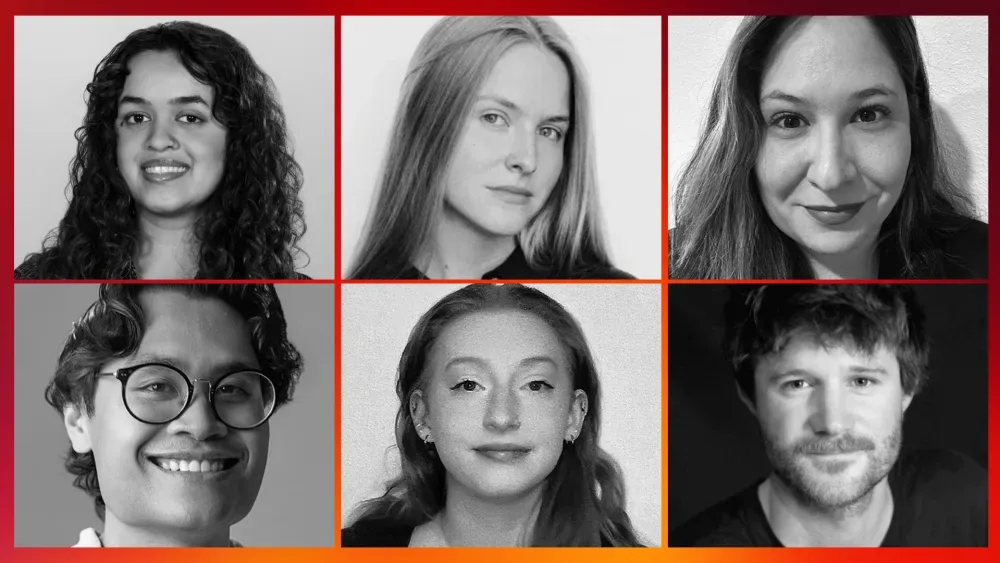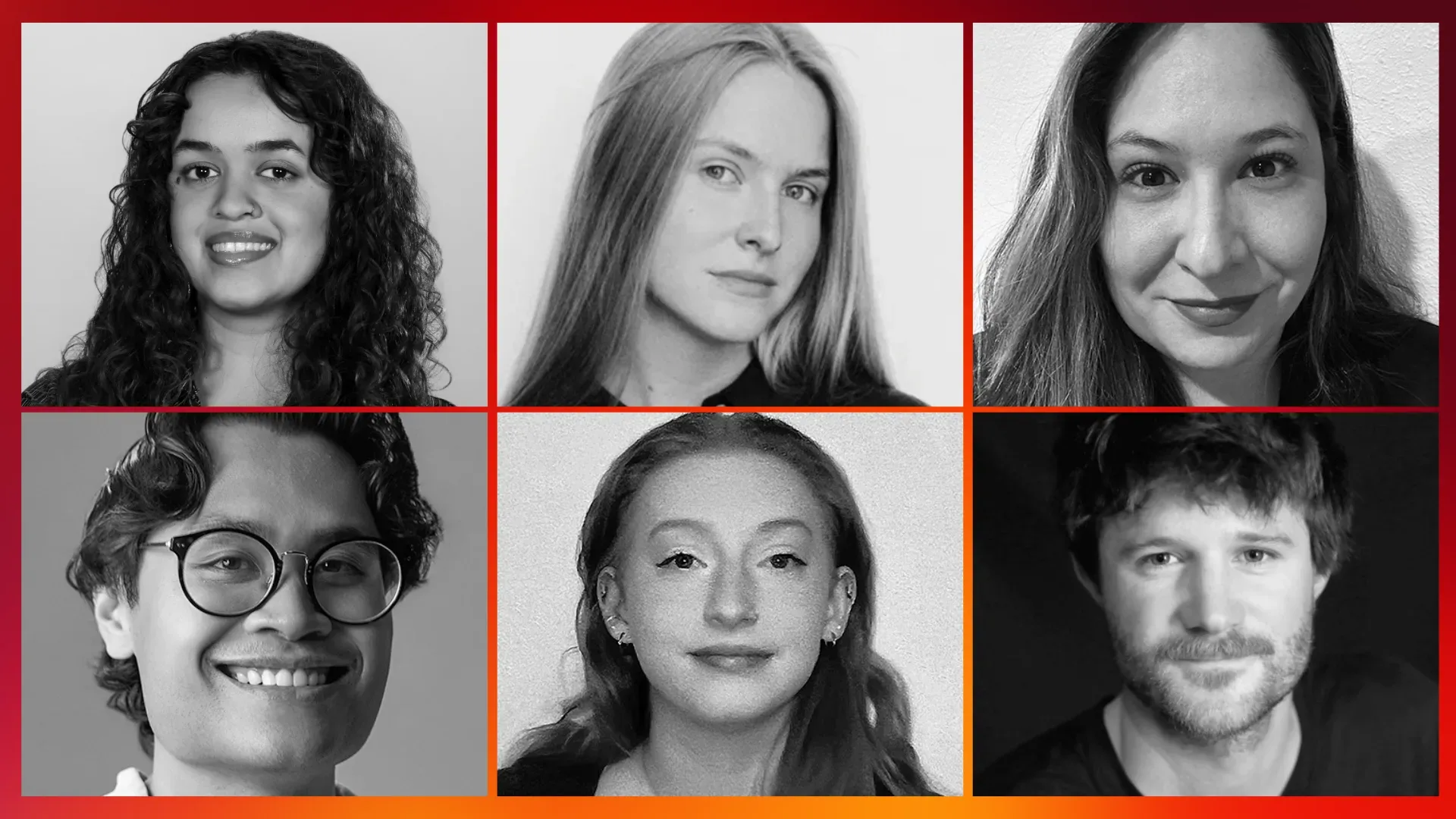
The American Film Institute has named six recipients for its 2026–27 Canva Fellowship at the AFI Conservatory, supporting emerging filmmakers as they begin a two-year Master of Fine Arts program. The selected Fellows entered the Conservatory in August and will each receive a $40,000 scholarship over the course of their studies.
The class is deliberately spread across the departments that turn an idea into a finished film: Divli Bhat in producing, Elizaveta Kurilova in screenwriting, Lauren Moreno in directing, Zoey Punteney in production design, Colin Pham in cinematography and Auberin Strickland in editing. It is a compact roster, but one that covers an entire production pipeline—from the first page and earliest visual concepts to set operations, photography, post-production and the final cut.
That cross-department approach is central to the fellowship’s purpose. Susan Ruskin, dean of the AFI Conservatory, described the program as a way to prepare Fellows to guide creative departments through the full filmmaking process. The Canva partnership is now in its fourth year, with an emphasis on elevating distinct perspectives and helping filmmakers bring stories to audiences around the world.
“At the AFI Conservatory, we are empowering Fellows to take the helm of creative departments across the entire filmmaking life cycle,” Ruskin said.
A fellowship class built around the filmmaking ecosystem
Film programs often become most interesting when the specialties are viewed not as isolated lanes but as a creative conversation. A producer has to understand the needs of a director and the constraints facing every department. A screenwriter must imagine characters and settings that can be translated by performers, designers, cinematographers and editors. The cinematographer and production designer work in close visual partnership, while the editor ultimately shapes material created by everybody else.
The six Fellows in the 2026–27 group arrive with experience that reflects those intersections. Their previous work includes short films, directing, camera work, production roles, visual creativity, editing and independent production. Together, their backgrounds point to a class where practical knowledge sits alongside personal artistic interests.
For movie fans, the fellowship’s full-spectrum selection is also a useful reminder that filmmaking is much more than the name listed beside “director.” The medium’s texture comes from people making choices about what can be produced, how a scene is written, where a camera is placed, how a location or set feels, and what remains once the story is assembled in post-production. The long-term appeal of major cinema artifacts—whether it is a script, a marked-up shooting draft, a prop, a costume or a storyboard—rests in that same collaborative chain. Readers interested in the afterlife of movie objects can explore more in Joking Joystick’s look at the giant-screen plans around Star Wars’ 50th anniversary.
The 2026–27 Canva Fellows
Divli Bhat — Producing
Bhat comes to the producing discipline with an especially broad set of on-set and organizational credits. While studying film production at San Jose State University, she worked in roles including unit production manager, production coordinator, line producer and first assistant director. Those jobs place a filmmaker close to the logistical heartbeat of a set, balancing schedules, personnel and the daily work necessary to keep production moving.
Her credits include the award-winning short film Margie and Mannequin. Bhat is also trained in special-effects makeup, adding another practical creative skill to a background otherwise rooted in production management and coordination. That combination is notable: producing asks for an eye on the whole operation, while makeup work demands attention to concrete visual detail.
Elizaveta Kurilova — Screenwriting
Kurilova is a Los Angeles-based writer and director whose academic background includes a Bachelor of Arts in history of art from University College London. During her time there, she received the Frances Stracey Prize and completed the One-Year Conservatory in Acting at the Lee Strasberg Theatre & Film Institute.
Her résumé spans both sides of the camera, a useful perspective for a writer developing stories intended to become productions rather than merely remain on the page. Kurilova has written and directed several shorts, including Come Swim With Me and Sheep and Ants and Sugar. The overlap between writing, directing, art history and actor training suggests an interest in the many ways an idea can acquire form—through image, performance and structure.
Lauren Moreno — Directing
Moreno is a third-generation Mexican American filmmaker who has said she aims to bring her Latino identity forward in her work, broadening representation while telling stories she considers authentic. That perspective is inseparable from directing, a discipline that involves unifying performance, visual style, pacing and collaboration into a coherent film.
Her debut film, Palmdale, received multiple awards and festival selections. Before that, her first written film screened at the Official Latino Film Festival. The progression from writing into a directing practice underlines a familiar route for filmmakers: beginning with a story they want to tell, then taking responsibility for its execution on screen.
Colin Pham — Cinematography
Pham studied radio-television-film at the University of Texas at Austin, while building practical experience through project work. His credits include work as a director of photography, assistant camera and a grip and electric professional. These positions offer different but complementary views of image-making: operating at the creative and technical center of photography, supporting camera operations, and helping build the lighting and rigging foundation a shot may require.
His approach to cinematography is rooted in camera mechanics as well as storytelling. That balance matters because cinematography is never only about selecting a visually attractive frame. Camera movement, lens choice, exposure, lighting and composition all carry narrative implications. Pham has contributed to award-winning short films and larger projects, bringing that hands-on experience into the MFA program.
Zoey Punteney — Production Design
Punteney’s background includes a studio art minor through the Johnny Carson Center for Emerging Media Arts, an education that helped her explore creativity through tangible work. Production design is similarly physical and expressive: environments, color, architecture, objects and texture can establish a story’s place and mood before a character says anything.
She is also a content creator whose YouTube channel has 10,000 subscribers. It was through that work that she discovered an interest in video editing, another connection between the crafts represented in this fellowship class. While her fellowship specialty is production design, that editing experience can offer a useful awareness of how visual choices land once footage reaches post-production. Punteney hopes to work on major feature films in the future.
Auberin Strickland — Editing
Originally from Alaska, Strickland enters the editing discipline with a focus on diverse storytelling. He speaks French, German and Italian, bringing a multilingual background to a craft defined by interpretation, rhythm and decisions about perspective. An editor’s work can change the force of a performance, reshape time, sharpen a joke or preserve an emotional pause that gives a scene its weight.
Strickland runs Crooked Footprint Productions with his brother, Dune Strickland. He has previously worked with filmmakers including Dmitry Vasyukov, Hunter Nolan, Gina Papabeis, Vickie Curtis, Eyal Levy, Rachel Friedman and Grant Lafferty. That collaborative experience is fitting for an editor, whose role depends on bringing together footage made by a large group of people while finding the version of the story that plays most clearly.
What the two-year program represents
The $40,000 scholarship awarded to each Fellow is both financial support and a vote of confidence in a new filmmaking cohort. Over two years, the six recipients will pursue their MFA studies while working within an environment designed around intensive collaboration between specialties.
There is no finished feature, release date or future project slate attached to the fellowship announcement, and none needs to be inferred from it. What is known is the makeup of the 2026–27 Canva Fellowship class, the start of its program in August, and the creative areas its members represent. Bhat, Kurilova, Moreno, Punteney, Pham and Strickland now begin the next stage of their training in producing, screenwriting, directing, production design, cinematography and editing—six disciplines that, working together, make the credits roll.