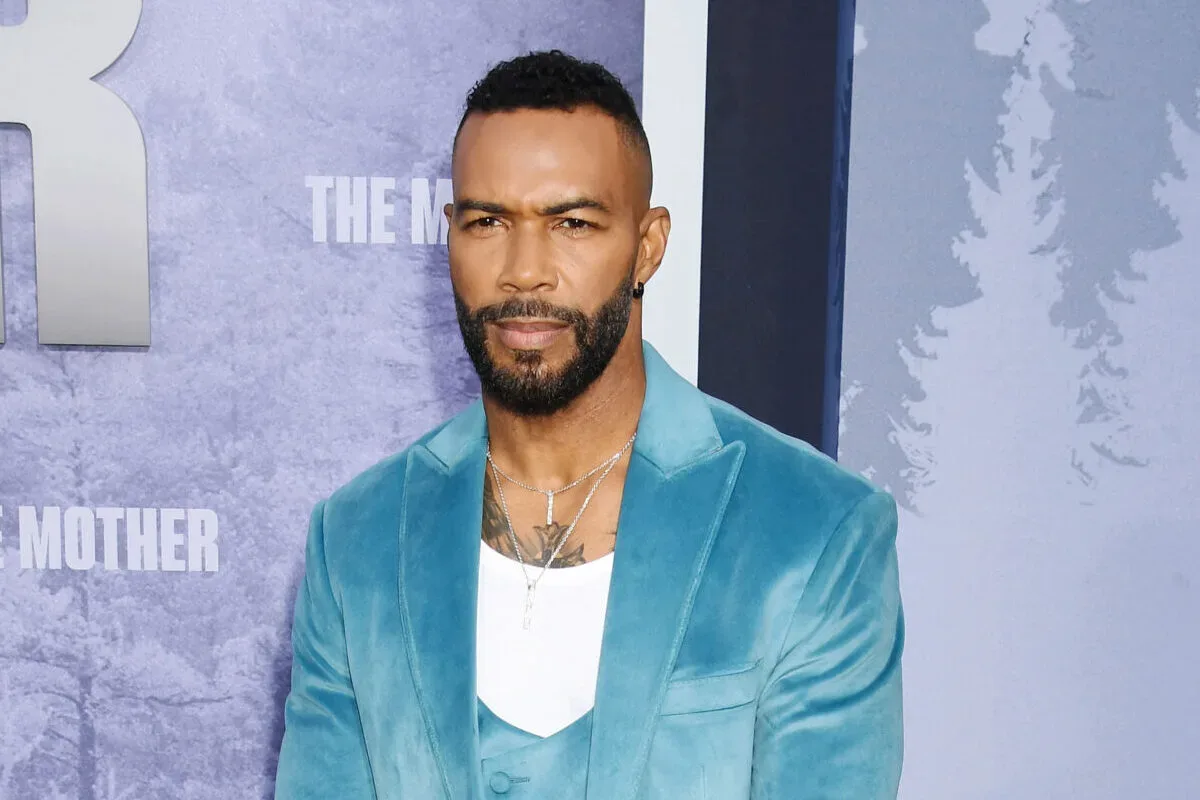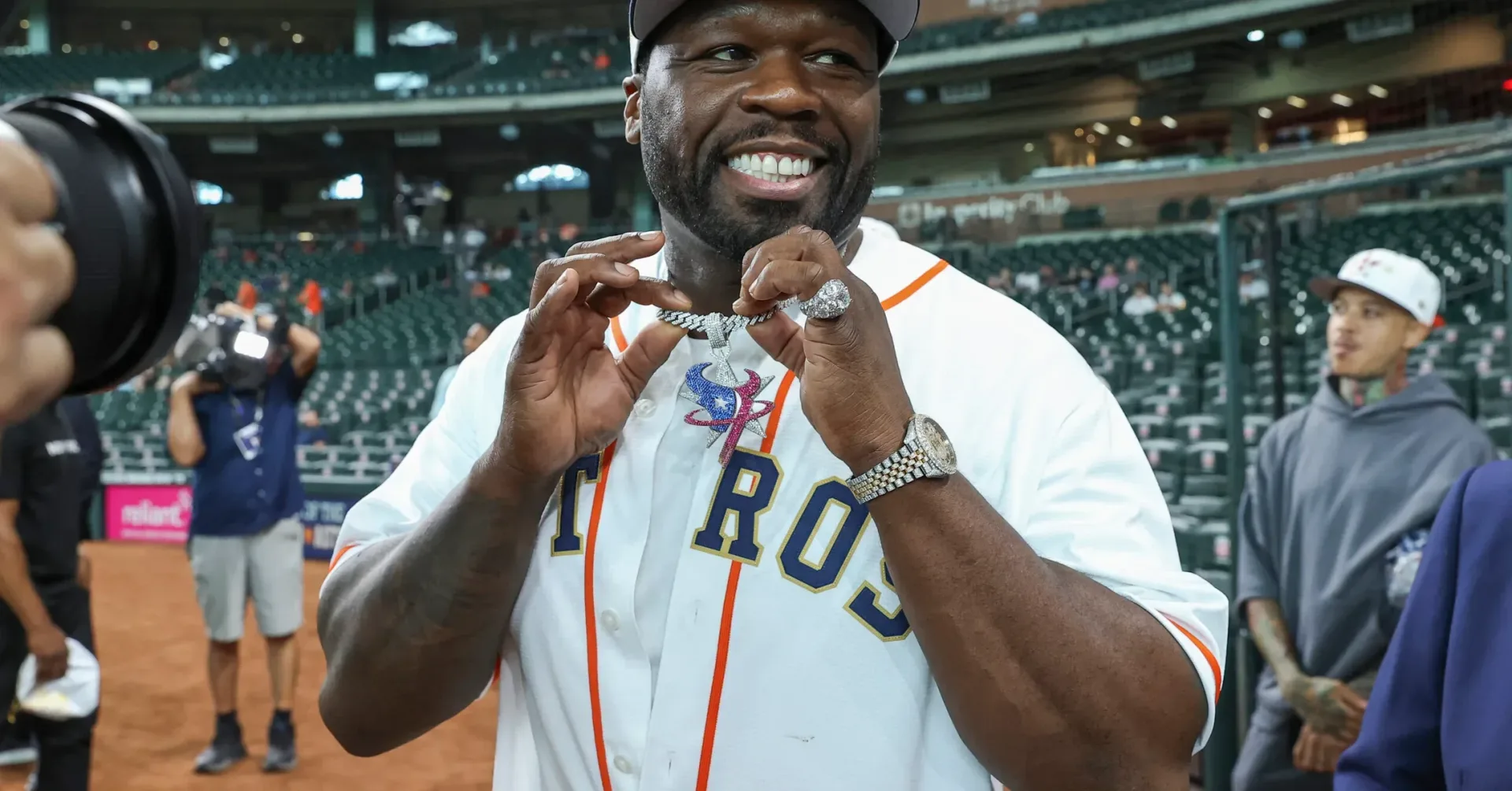

50 Cent has renewed his public criticism of Power creator Courtney Kemp after Omari Hardwick, who played James “Ghost” St. Patrick, spoke about feeling a change in the show’s internal landscape.
Hardwick’s comments did not offer a direct confirmation of every claim that has circulated around the series. They did, however, describe a “shift” in his experience and a sense that talent can be undervalued by people with institutional authority. 50 Cent then seized on those remarks in an Instagram post aimed at Kemp, pairing praise for Hardwick with another assertion about his own role in bringing the drama to life.
What makes this more than a routine celebrity social-media exchange is the question beneath it: who gets to define the story of a successful television franchise? In this case, 50 Cent and Kemp have publicly offered sharply different accounts of creative authority, production involvement and the credit due for Power.
What Omari Hardwick actually said
Hardwick was asked whether he knew about a purported effort to remove Ghost from the show earlier than expected. That idea has previously been raised by 50 Cent, but Hardwick’s response was more reflective than definitive.
“There was definitely a shift,” Hardwick said, before discussing how highly talented people are not always treated well and how he came to understand “the lay of the land” around his popularity in New York as Ghost.
He did not explicitly lay out a production timeline, identify a specific decision-maker, or verify an alleged plan to write Ghost out at a particular point. That distinction matters. A performer describing altered workplace dynamics is not the same thing as establishing the details of a disputed behind-the-scenes claim.
Hardwick also took a notably measured position toward Kemp. He said he continues to pray for her, called her gifted, and framed the totality of the experience as something that served him. At the same time, he made clear that he remains aligned with 50 Cent, saying that was why he “always rock[s] with 50.”
That mix of criticism, loyalty and restraint explains why the comments have become combustible. Hardwick acknowledged tension without turning his answer into an itemized public case against the showrunner.
Related coverage includes 50 Cent Revisits Courtney Kemp Dispute After Omari Hardwick Speaks.
50 Cent turns a nuanced answer into a new jab
50 Cent responded by reposting Hardwick’s comments and taking a direct shot at Kemp. His caption praised Hardwick and declared that the team had “hit the bullseye” with Power, while arguing that Kemp had forgotten he hired her.
The post continues a familiar pattern in their conflict: a broad question about the franchise’s authorship and management becomes a personal argument in public. 50 Cent’s message centers his role as a key architect and catalyst. Kemp’s response to similar criticism has centered the formal creative and operational work of making the series.
Those viewpoints are not necessarily addressing the same thing. In television, “created,” “written,” “produced,” “developed,” “cast,” and “made possible” can each describe meaningful but different contributions. The public argument becomes harder to parse when every one of those terms is used as if it settles every other question.
Creative credit is not a single job
The dispute is best understood as a conflict over several forms of ownership rather than a simple either-or argument about who mattered. A show creator typically refers to the person credited with originating the series concept. Writing concerns the construction of scripts, characters and story. Production can include budgets, schedules, staffing and the logistical work of getting episodes made. A star or executive producer can be central to casting, the project’s identity, promotion and its ability to attract an audience.
Those roles can overlap, but they are not interchangeable. A major performer or producer can be indispensable to a show’s launch without being its credited creator or writer. Conversely, a creator can hold defining authorship and production responsibilities while other contributors provide the profile, performance or business leverage that makes the project break through.
This is why the wording of Kemp’s earlier response is important. She said that 50 Cent’s understanding of budgets and production requirements was uninformed because he was rarely present in budget meetings. She also said she had never minimized his importance to the genesis of Power. But she drew a firm boundary: he did not write or create the series.
Kemp’s statement recognizes a large role for 50 Cent while rejecting the idea that his role should be treated as authorship. 50 Cent’s latest post, by contrast, suggests he sees hiring and foundational involvement as evidence that Kemp’s authority should not eclipse his own. Neither position is merely about semantics; each is a claim about whose labor should carry the greatest weight in the franchise narrative.
Why Ghost remains the emotional center of the argument
Hardwick’s place in this disagreement is especially significant because Ghost was not simply another member of the ensemble. The character became a public-facing symbol of Power, and Hardwick recalled being recognized in New York with calls of “What up, Ghost!” That kind of audience association can give an actor unusual cultural leverage in retrospective discussions about a show.
For fans, a central character’s trajectory often feels personal. Any suggestion that a lead might have been pushed aside too soon can be read as a verdict on the character, actor or creative team. But the available comments do not establish a full explanation for every decision involving Ghost. Hardwick described his perception of a shift; he did not present documentation or a detailed allegation about the writers’ room, a budget decision, or the schedule of character plans.
That uncertainty should not be smoothed over for the sake of a cleaner feud narrative. Public disputes around hit series often invite audiences to pick a side quickly, especially when famous collaborators are involved. Yet the most useful reading of Hardwick’s answer is also the narrowest one: he felt a change, he believes power can be mishandled, and he still speaks about Kemp’s abilities with respect.
A longstanding clash over the ‘Power’ legacy
50 Cent and Kemp’s disagreement has long revolved around creative control and recognition in the Power universe. The latest exchange does not resolve those larger issues. It instead shows how easily a cast member’s carefully qualified reflection can be absorbed into an existing battle over who deserves the most credit.
Kemp has said she has moved on in her career and expressed confusion over 50 Cent continuing to bring her up in interviews and podcasts. Her answer also pointed toward 50 Cent’s anticipated Street Fighter success, suggesting that he focus on that next chapter rather than prolonging their conflict.
50 Cent has not signaled a similar desire to close the subject. His response to Hardwick makes clear that he still views the history of Power as open terrain for correction, argument and self-assertion.
That posture has practical implications for how audiences should interpret future comments from anyone connected to the show. A viral clip, post or interview answer may illuminate one person’s experience, but it may also be enlisted into a much broader dispute before it can stand on its own terms. The distinction between a personal recollection and a verified account of production decisions is particularly important when discussions involve employment, authorship and reputational claims.
What this exchange does—and does not—clarify
- It clarifies: Hardwick believes there was a shift in his experience around the series and he remains publicly supportive of 50 Cent.
- It clarifies: Hardwick can acknowledge Kemp’s talent while also expressing frustration with how power can operate around gifted people.
- It does not clarify: whether there was a specific, confirmed early plan to remove Ghost from the series.
- It does not clarify: the full chain of decision-making behind any story, casting or production choices.
- It reinforces: that 50 Cent and Kemp sharply disagree over the proper framing of their respective contributions to Power.
For viewers, the enduring appeal of a franchise is often tied to the work appearing seamless on screen. The current dispute is a reminder that a show’s legacy can involve competing memories of how that work was assembled—and of who had the authority to make the biggest calls.
The exchange also arrives in a broader entertainment climate where hip-hop figures routinely move between music, screen projects, brand building and public commentary. For another look at how scale and cultural visibility are being discussed in rap right now, see the report on Ye’s Dallas stadium show and its reported attendance record.
In the immediate case of Power, Hardwick’s answer leaves room for complexity. He conveyed disappointment without offering a categorical indictment of Kemp, and he offered praise without abandoning his connection to 50 Cent. 50 Cent’s post removes much of that ambiguity, using Hardwick’s reflections as fresh ammunition in a dispute that still appears far from settled.