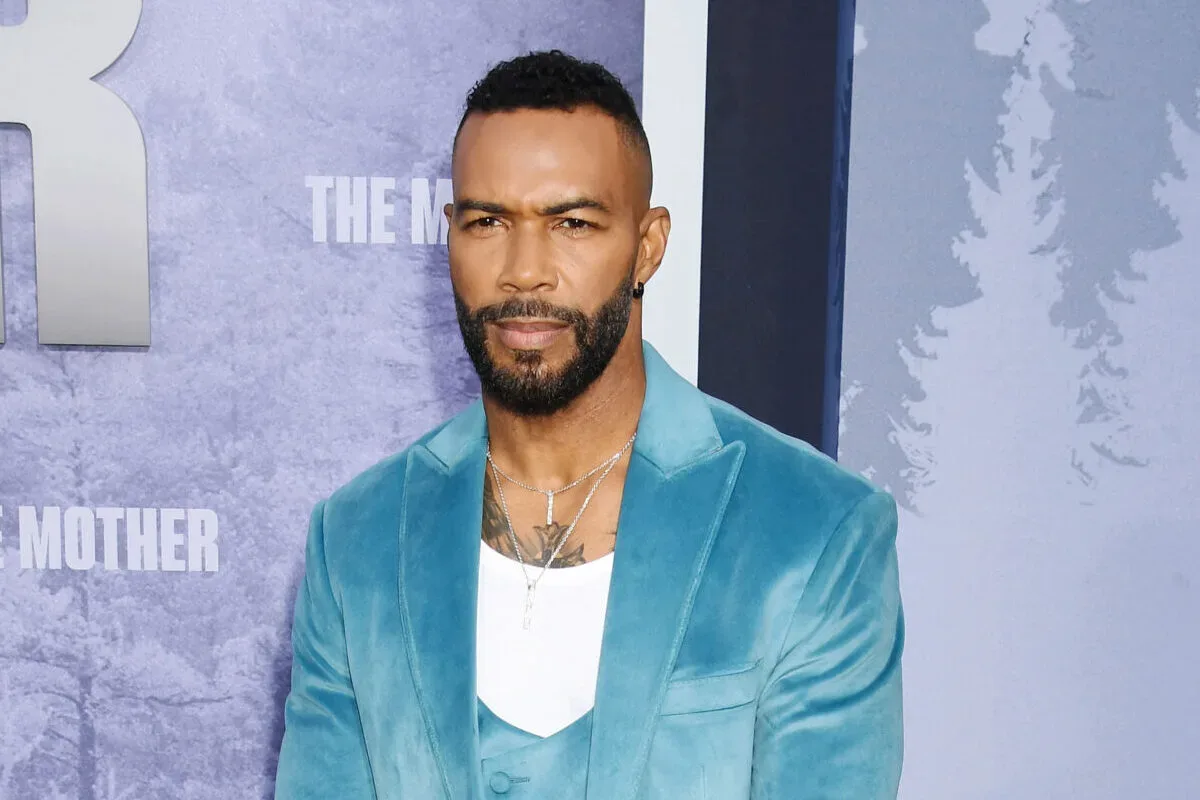
Omari Hardwick has offered his most direct public acknowledgment yet that the atmosphere around Power changed before the exit of James “Ghost” St. Patrick, the character he led through the crime drama’s run. But Hardwick’s comments do not settle the long-running debate over who wanted Ghost removed, when that decision took shape, or how much influence each key figure had over it.
Instead, the actor has drawn a careful line around what he is prepared to confirm. Asked whether he knew that Courtney Kemp wanted Ghost written out before the sixth and final season, Hardwick said there was “definitely a shift.” He did not identify one person as responsible, detail a specific production dispute, or attach a timeline to the change.
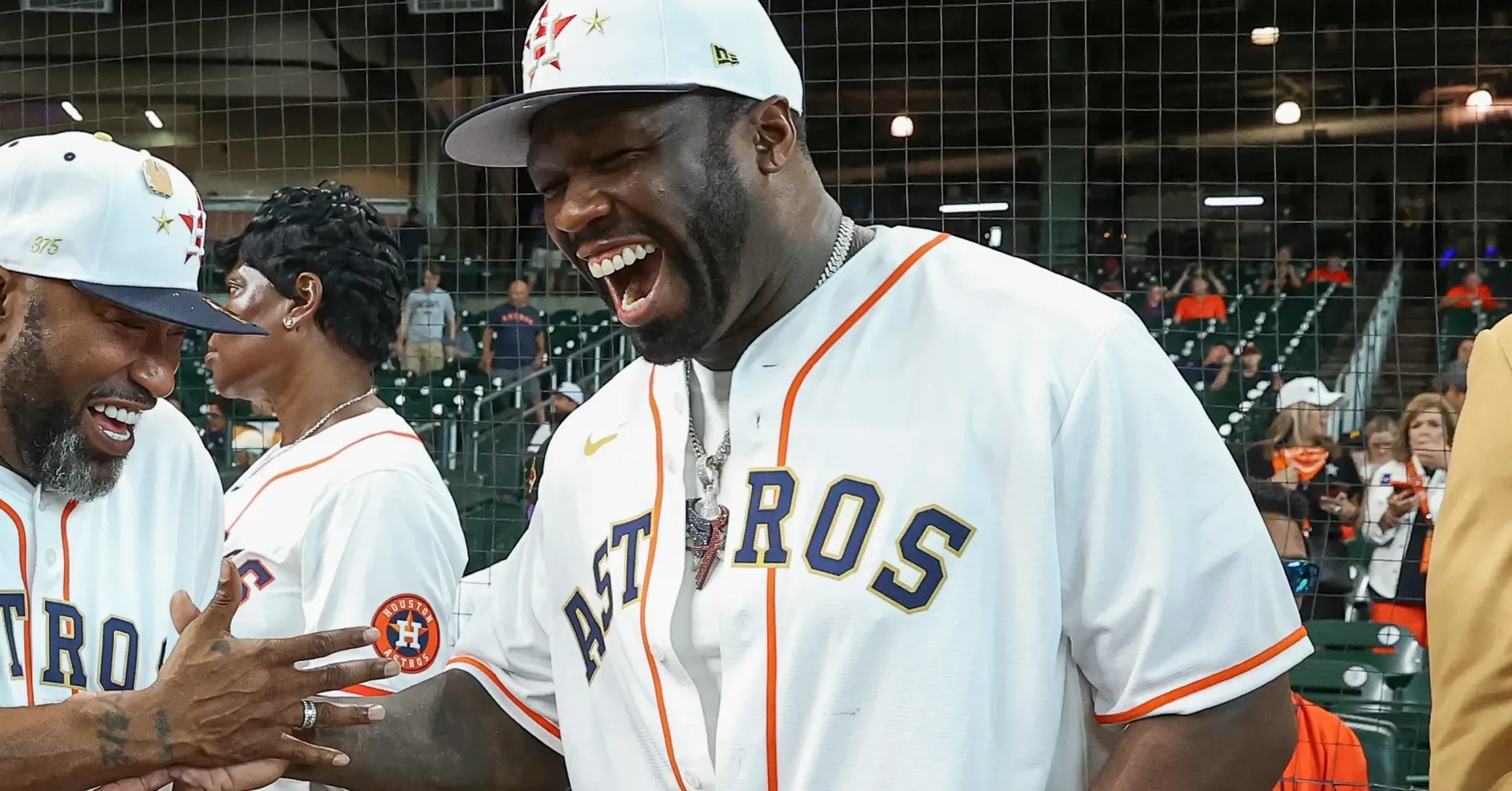
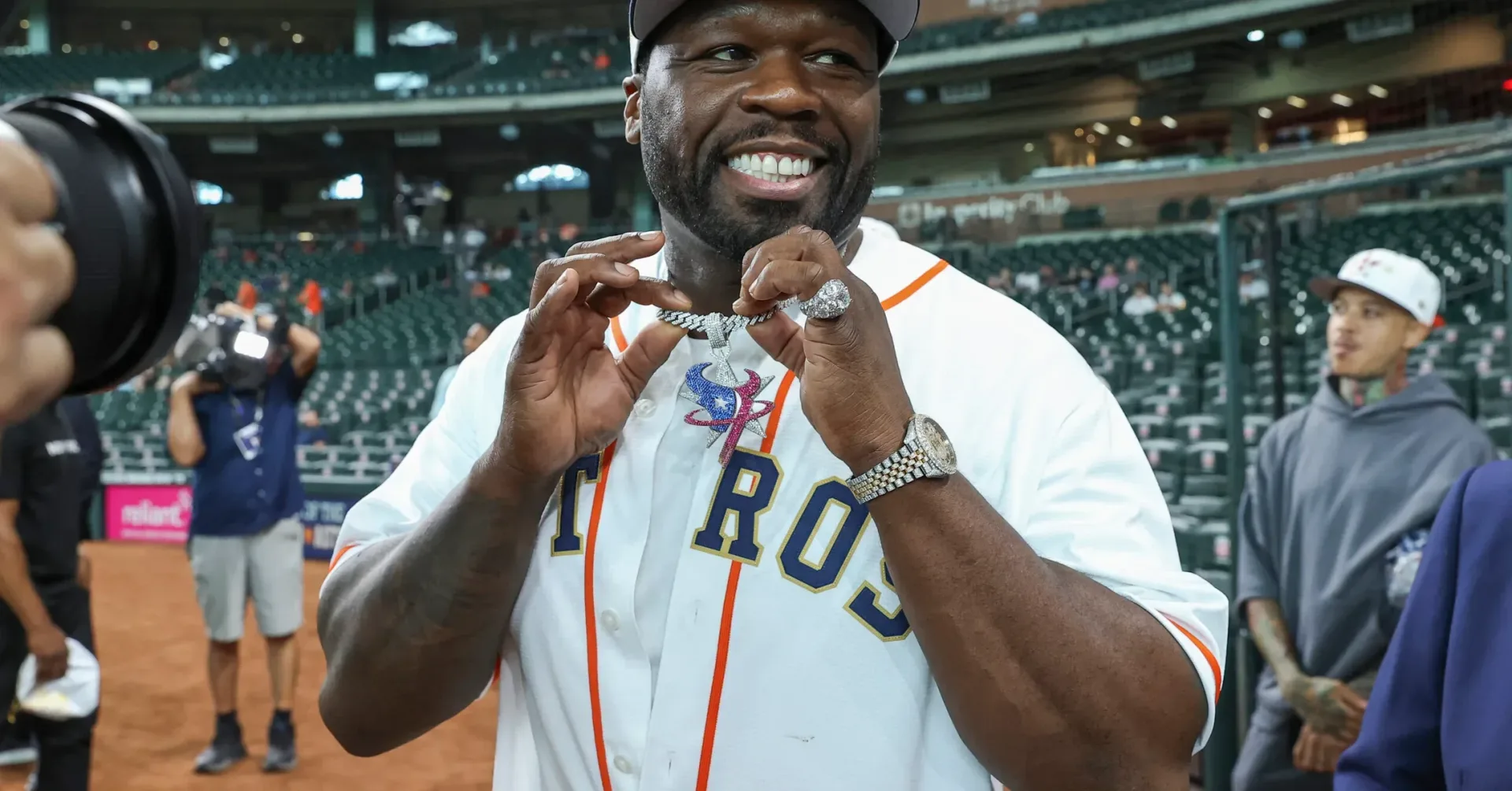
That restraint is the central point of his response. The public conversation around Power has often been framed as a contest between competing accounts: 50 Cent has said he pushed to keep Ghost alive, while Kemp has challenged that version of events, even as she has recognized his role in bringing the series to television. Hardwick has now confirmed a changed working climate without turning his answer into a ruling on either account.
What Hardwick actually confirmed
Hardwick’s statement is meaningful precisely because it is narrow. “There was definitely a shift” verifies his perception that conditions changed around the show. It does not establish who caused that shift, whether it directly determined Ghost’s fate, or whether every public claim about the series’ creative decisions is accurate.
That distinction matters in entertainment reporting, where an actor’s comments can easily be expanded beyond their plain meaning. A change in a working relationship, leadership dynamic, or creative environment can be real without providing a complete explanation for a character’s departure. Hardwick did not supply that broader explanation.
He also made clear that he had deliberately avoided entering the feud during the years it played out in public. “I never said anything, did I?” he said, before adding, “I always rock with 50. I always pray for Courtney.”
Those two sentiments are not interchangeable. Saying he “rocks with” 50 Cent communicates enduring support for a collaborator. Saying he prays for Kemp offers support of a different kind, one that does not require him to dismiss her or deny their shared history. Taken together, the remarks reject the idea that Hardwick must appoint a winner in a dispute involving people who were both central to a defining period of his career.
The unresolved question around Ghost
Ghost remains the focal point because James “Ghost” St. Patrick was not simply another supporting role in an ensemble. Hardwick’s character was the dramatic anchor of Power, and his exit is therefore inseparable from fans’ understanding of the final season and the franchise’s direction.
50 Cent has maintained that he argued for Ghost to remain alive after Kemp wanted the character gone. Kemp has disputed his telling of the situation while acknowledging his involvement in getting the drama to television. The two positions are still fundamentally different: one centers on a fight to preserve the lead character, while the other challenges the authority and sequence of that account.
Hardwick has not filled in the missing space between them. His new comments neither validate 50 Cent’s full version nor disprove Kemp’s. They add a third, more personal piece of information: the actor at the center of the character’s exit felt that something had shifted.
That is a clearer statement than silence, but it remains far from a production postmortem. Fans looking for a definitive behind-the-scenes chronology should be careful not to treat it as one.
Why creative-control debates linger
Arguments over “creative control” often last because the phrase can cover several different things. It may refer to proposing story directions, advocating for a character, making final narrative decisions, overseeing a production, or helping place a project with a platform. Those roles can overlap, but they are not identical.
In this case, the public disagreement has kept attention on who shaped Power and who held the authority to make its largest story choices. Hardwick’s answer adds context to the human side of that debate, but not a new accounting of the show’s formal decision-making process.
The practical takeaway is straightforward: fans can reasonably view his words as confirmation of tension, not as proof of a single cause or a full account of Ghost’s removal. That may seem like a small difference, but it is the difference between reporting what was said and assigning motives that were not described.
Pay also became part of the strain
The friction around the franchise has not been limited to storytelling. Hardwick had previously said his compensation did not reflect the responsibility of leading one of Starz’s signature series. 50 Cent later responded that Hardwick had overvalued himself, adding a business dispute to an already complicated creative narrative.
A compensation disagreement and a character-exit disagreement are not automatically the same issue. Nothing in Hardwick’s latest comments explicitly ties the two together. Still, their coexistence helps explain why the story has endured: it concerns not only a fictional character’s ending, but also recognition, ownership, stature and the value attached to a lead performance in a successful television franchise.
For viewers, “lead” may simply mean the face of a show. In production terms, a leading role can also carry the burden of sustaining the series’ emotional through-line, marketing identity and audience relationship. Hardwick’s earlier view that his pay did not match that weight reflects how he assessed his contribution. 50 Cent’s rebuttal reflects a sharply different assessment. Neither perspective is resolved by the actor’s latest remarks.
What is newly clear is that Hardwick does not appear interested in re-litigating the dispute at maximum volume. His language is pointed enough to recognize the shift, but limited enough to avoid turning it into an accusation.
Hardwick’s answer is a boundary, not a verdict
There is a tendency to treat every delayed comment from a major cast member as a final reveal. Hardwick’s response works differently. It establishes a boundary around his experience: he noticed a change; he did not publicly address it at the time; and he continues to express regard for both 50 Cent and Kemp.
That boundary also gives his answer an unusual degree of discipline. He did not name a culprit. He did not portray one side as entirely right. He framed the difficulty more broadly, as something talented people can encounter even when a project succeeds.
That framing does not make the underlying conflict less consequential. It does, however, resist the simplistic version of a television dispute in which professional friction must be reduced to a single villain, a single decision or a single moment. The available comments support the existence of tension; they do not establish an all-purpose explanation.
In other words, the most substantial update is not that Hardwick has joined one camp. It is that he has explained why he stayed outside both camps publicly for so long.
His work is moving beyond the franchise
Hardwick’s comments arrived while he is promoting The Greatest, a Prime Video series in which he plays a younger Cassius Clay Sr., the father of Muhammad Ali. The role shifts the focus from a fictional crime-world figure to a family story connected to one of boxing’s most recognizable names.
He is also set to appear in a Bosch prequel scheduled to premiere in January. Together, those projects place his present work apart from the questions that continue to follow Power.
That does not erase Ghost’s importance. The role helped make Hardwick a television fixture, which is exactly why the conversation still attracts attention. But the current moment is also a reminder that an actor’s connection to a major franchise can be enduring without becoming the only lens through which their career is viewed.
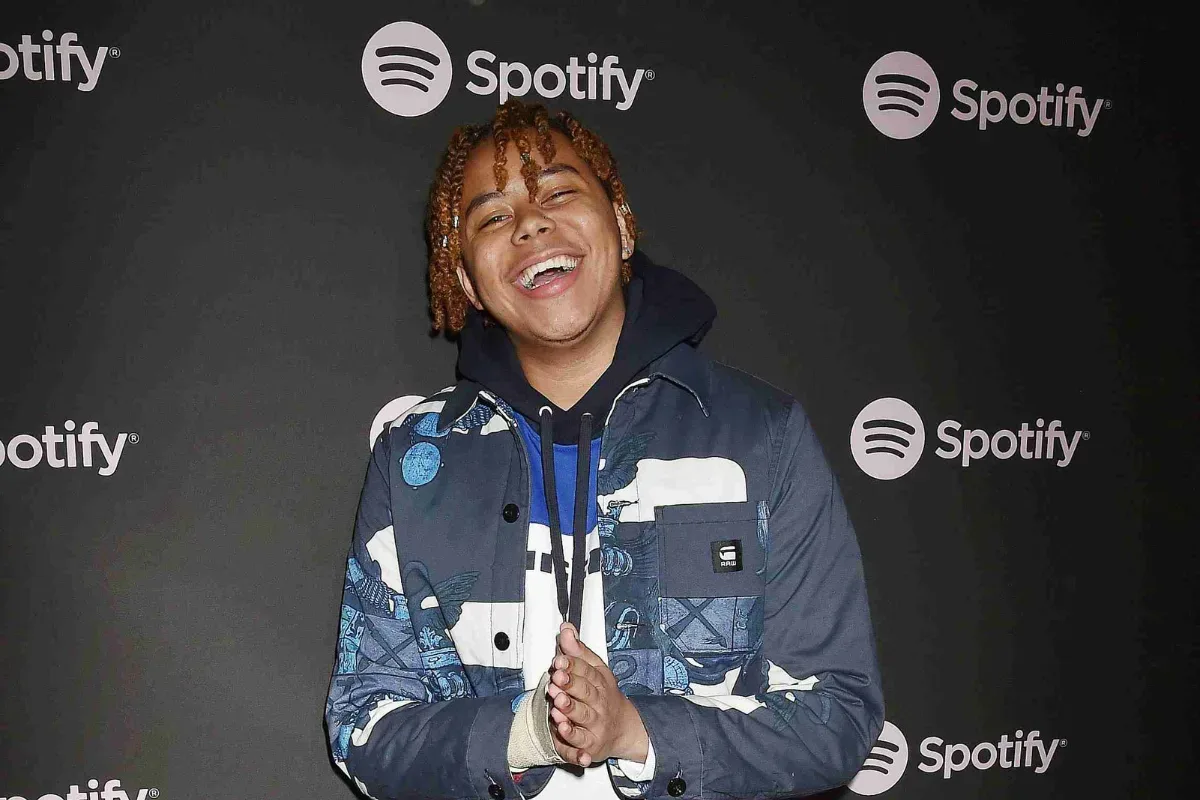
Elsewhere in entertainment, the conversation around artists’ evolving careers continues with Anderson .Paak and Cordae’s chart-topping collaboration.
What Power viewers can take from this
- Hardwick confirmed a changed atmosphere: He said there was “definitely a shift” before Ghost’s exit.
- He did not assign blame: His remarks do not identify who caused the tension or provide a full account of production decisions.
- He declined to choose a side: Hardwick voiced support for 50 Cent and goodwill toward Courtney Kemp.
- The larger disagreement remains unresolved: 50 Cent and Kemp continue to offer differing accounts of Ghost’s fate and the show’s leadership decisions.
- His career is continuing in new roles: The Greatest and the forthcoming Bosch prequel represent the work currently ahead of him.
For all the attention on what happened behind Power, Hardwick’s answer remains notably measured. He has acknowledged the shift that viewers and observers have long suspected, while refusing to turn that acknowledgment into a public takedown. It is the clearest he has been about the strain—and still a deliberate refusal to make the story smaller than it was.