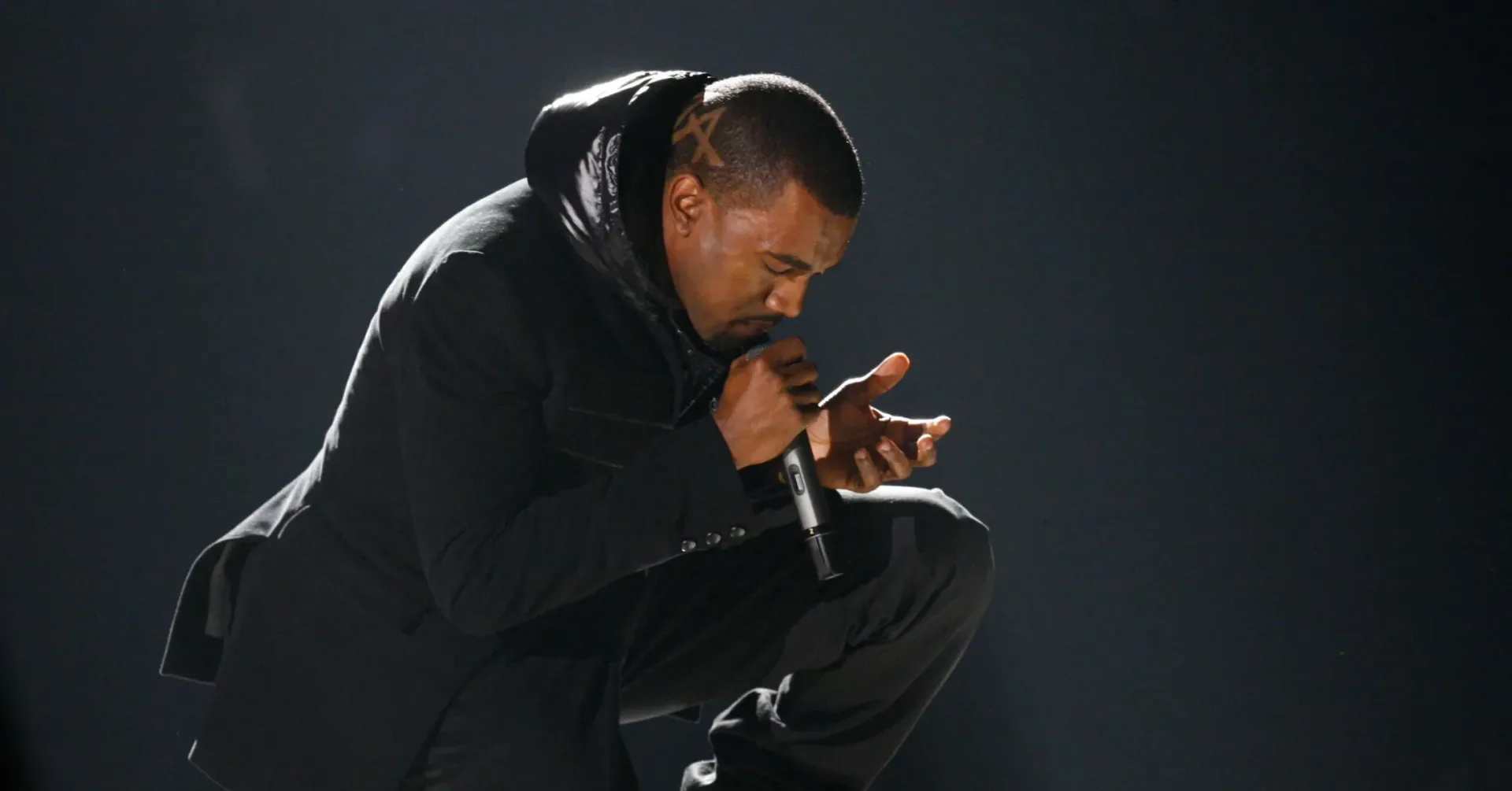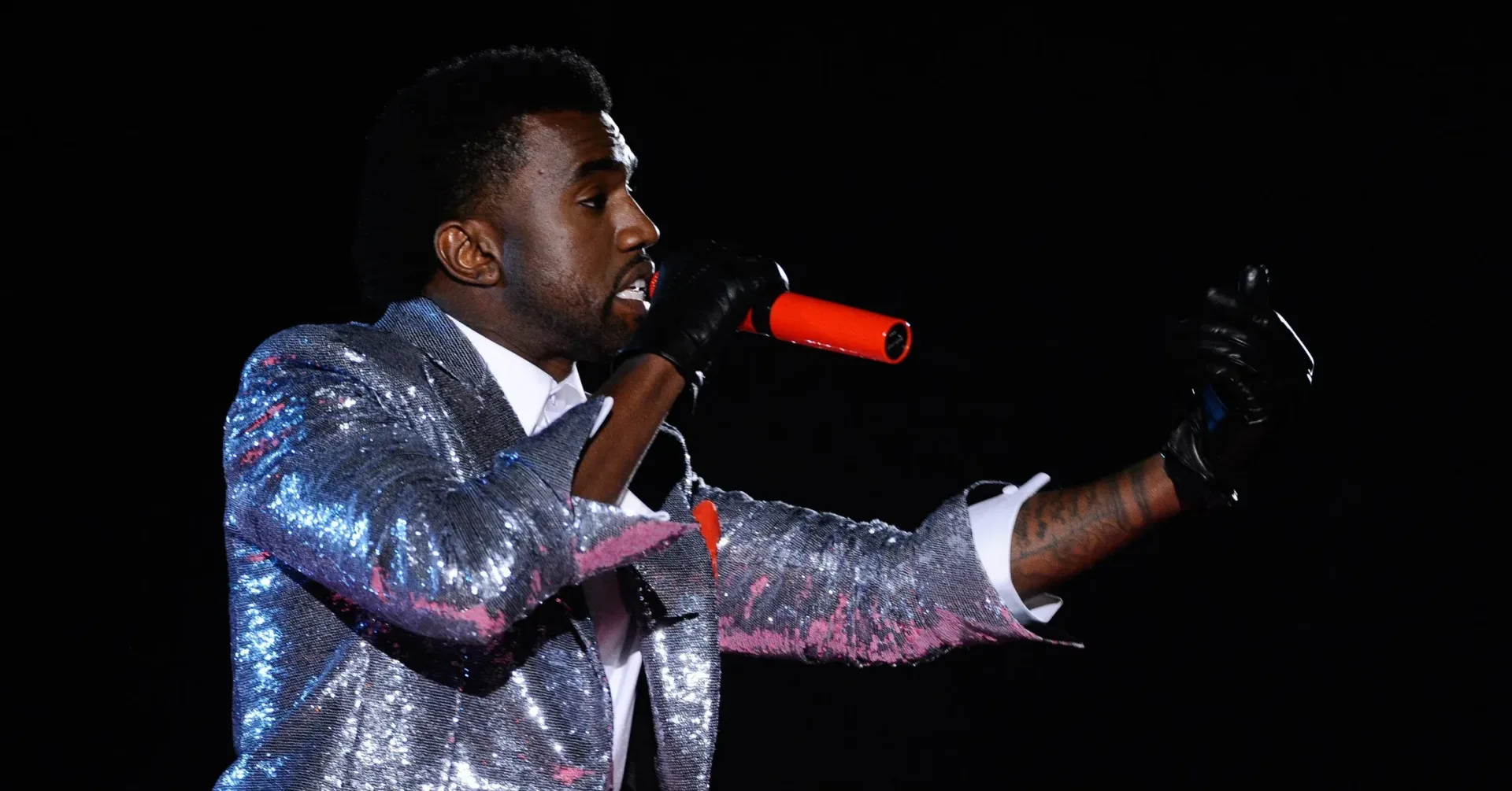

Ye’s November 7 stadium date at AT&T Stadium in Arlington, Texas, has been declared the most-attended rap concert in U.S. history by the venue. Promoter IKON Presents reported 83,000 tickets sold for the Dallas-area stop, putting the single-night show ahead of the promoter’s previously reported 74,412-ticket total for the Houston date one week earlier.
The result is notable both for its scale and for how it is being framed. This is a claim about a single U.S. rap show, not a multi-night engagement. That distinction matters when comparing attendance figures: an artist can sell more total tickets over two dates while still drawing fewer people to each individual performance.
Dallas is also part of the ongoing YE Live run, which IKON has described as a fully independent operation outside the usual major-promoter structure. The promoter says that its model spans the practical machinery behind an event of this size, including venue coordination, ticketing, production, security, staffing and transportation.
What has been reported for the Dallas date
AT&T Stadium characterized the show as a history-making night and identified Ye as the headliner of the most-attended rap show in the United States. IKON’s reported ticket figure is 83,000.
There is, however, a discrepancy in the revenue reporting attached to the same concert. One reported figure places revenue at $18 million, while a separate promoter-attributed update gives the total as $16.5 million. The attendance claim and 83,000-ticket number are consistent across the supplied information; the revenue number is not. Until the promoter or venue provides a single reconciled gross, it is more accurate to treat the financial total as disputed rather than present either figure as definitive.
That caution is especially important in stadium-tour coverage. “Revenue” can be used in different ways in ordinary reporting: it may refer to ticket sales before certain adjustments, a reported gross, or a figure that does not spell out the treatment of fees and other event income. The available material does not define the calculation behind either Dallas total, so neither number can be further interpreted from the information at hand.
Dallas surpassed the prior Texas date
IKON’s reported Dallas ticket total is 8,588 higher than the reported Houston total of 74,412. The Houston performance took place on Halloween at Reliant Stadium, making the two shows consecutive Texas milestones for the same run.
The comparison is unusually clean because both numbers are presented as ticket-sales totals from the same promoter. It does not establish identical venue configurations, ticket mixes or revenue structures between the two nights, but it does show that the Dallas stop moved beyond Houston’s already substantial reported tally.
Related coverage includes Ye’s Dallas Stadium Show Reportedly Sells 83,000 Tickets.
Stadium attendance claims can become muddy when they are compared across different formats. A venue’s maximum capacity is not automatically the number of tickets available for every concert: staging, floor layout, sightline holds, production space and operational decisions can all affect the sellable configuration. For that reason, the strongest evidence in this case is not an assumed building capacity but the reported ticket total and the venue’s own record designation.
A large run, with important apples-to-apples limits
The Dallas performance was not Ye’s first major stadium draw of the year. The supplied figures describe more than 65,000 attendees at the Caesars Superdome in New Orleans in August and more than 60,000 at San Antonio’s Alamodome on July 4.
Other reported totals are even larger, but they cover more than one show. Ye’s April appearances at SoFi Stadium in the Los Angeles area reportedly sold 140,480 tickets combined and generated $33 million. In Chicago, approximately 142,000 people reportedly attended across September 3 and 4 at Soldier Field, or roughly 71,000 per night.
Those multi-date numbers demonstrate the broader scale of the run, but they should not be used as a direct rebuttal to the Dallas record claim. A combined two-show total answers a different question from a one-night attendance record. Put plainly: 142,000 people across two Chicago performances is a bigger aggregate number than 83,000 in Dallas, while Dallas remains the larger stated crowd for one individual U.S. rap concert.
IKON has additionally said the worldwide live run has exceeded one million fans. That is a run-wide organizer claim rather than a venue-specific count, and it provides context for the size of the operation without changing the single-show basis of the Dallas record.
What “independent” means in this case
IKON has called YE Live a “100% independent tour” and previously described an independent touring structure outside the traditional major-promoter model. In practical terms, the company says it is handling the operational areas needed to mount the stadium dates while offering the artist and partners a greater role in developing the events.
That description should not be read as meaning the shows are small-scale or self-produced in a casual sense. A stadium performance still requires broad coordination: ticketing systems, building operations, security planning, crews, transportation and production all have to function at a high level. The significance of the promoter’s claim is instead about the business arrangement and who is coordinating the run, not a reduction in the logistical demands of an 83,000-ticket event.
It also helps explain why the promoter is central to the reported figures. The most specific ticket totals and the competing Dallas revenue figures presented here are promoter-attributed. The venue independently amplified the attendance-record designation, but the supplied information does not include a detailed public accounting that resolves the gross.
Why the single-night record is a meaningful benchmark
Attendance records are not simply marketing trophies. At this level, a one-night ticket total measures the ability to concentrate demand into one venue, one date and one event configuration. That differs from a tour’s total sales, which can accumulate across many cities, and from a two-night stadium stand, which spreads demand and logistics over separate performances.
The reported Dallas number therefore says something specific: the show gathered an exceptionally large rap audience in one U.S. building on November 7. It does not, by itself, rank every artist’s career ticket sales, determine which tour earned the most, or establish a universal comparison across every possible genre label and past stadium format. The venue’s language is focused on the U.S. rap-show attendance record, and that is the appropriate scope for the claim.
There is a broader culture-and-games angle to this kind of audience concentration, too. Music stars increasingly operate across live performance, fashion, social platforms and game-adjacent digital spaces, where a major event can become a shared cultural moment beyond the stadium itself. For another example of the continuing overlap between rap artists and games, Fortnite’s A$AP Rocky manga prequel illustrates how music-led identities can extend into game communities and serialized media.
Next scheduled stadium stops
The U.S. portion of the announced itinerary is set to continue November 21 at State Farm Stadium in the Phoenix area. A further date is booked for March 19, 2027, at Estadio Banorte in Mexico City.
For now, Dallas is the headline figure: 83,000 reported tickets for one night, a venue-backed designation as the largest U.S. rap concert by attendance, and a record claim that needs to be kept separate from the tour’s multi-night totals elsewhere. The only major unresolved detail in the available reporting is the Dallas revenue figure, which has been stated as both $16.5 million and $18 million.