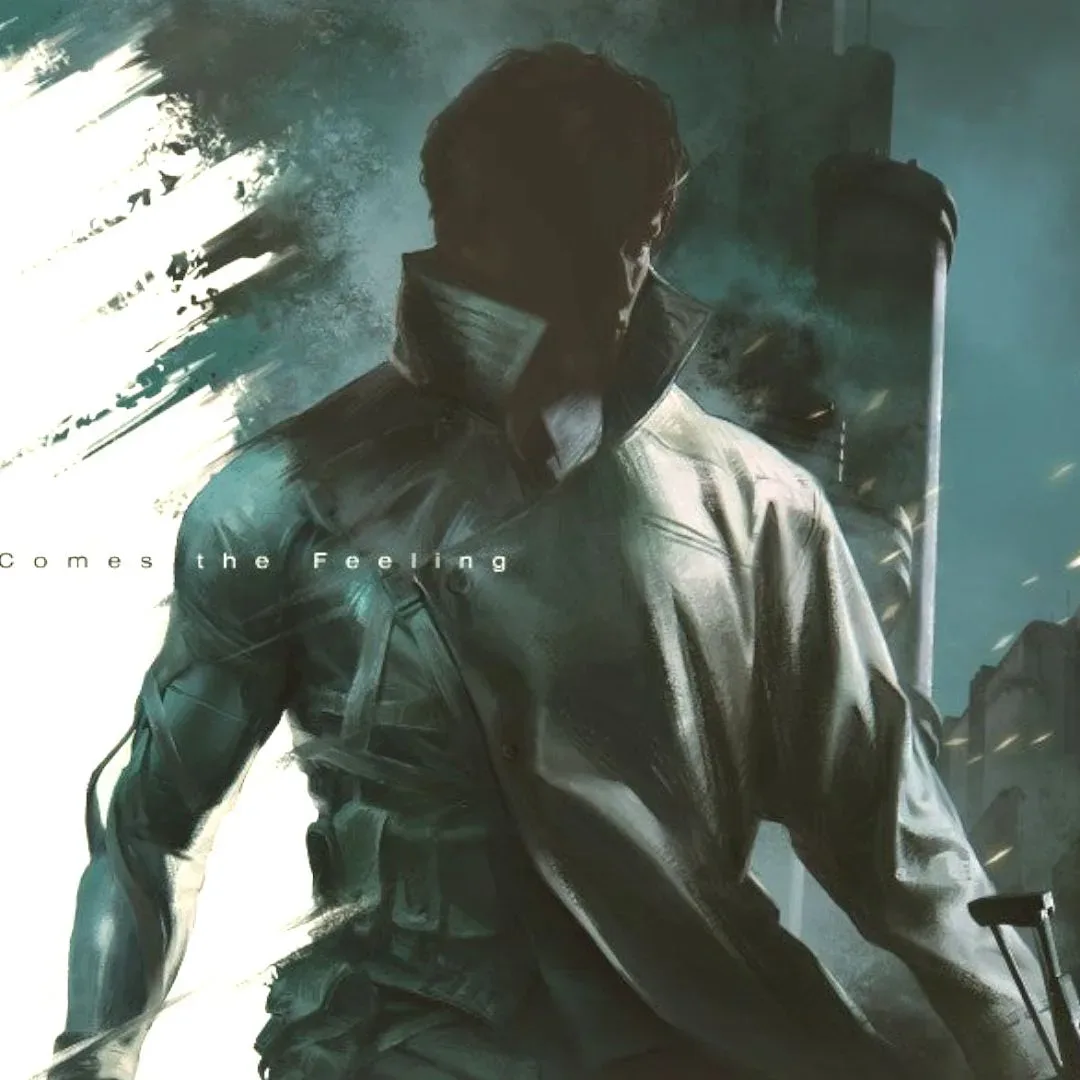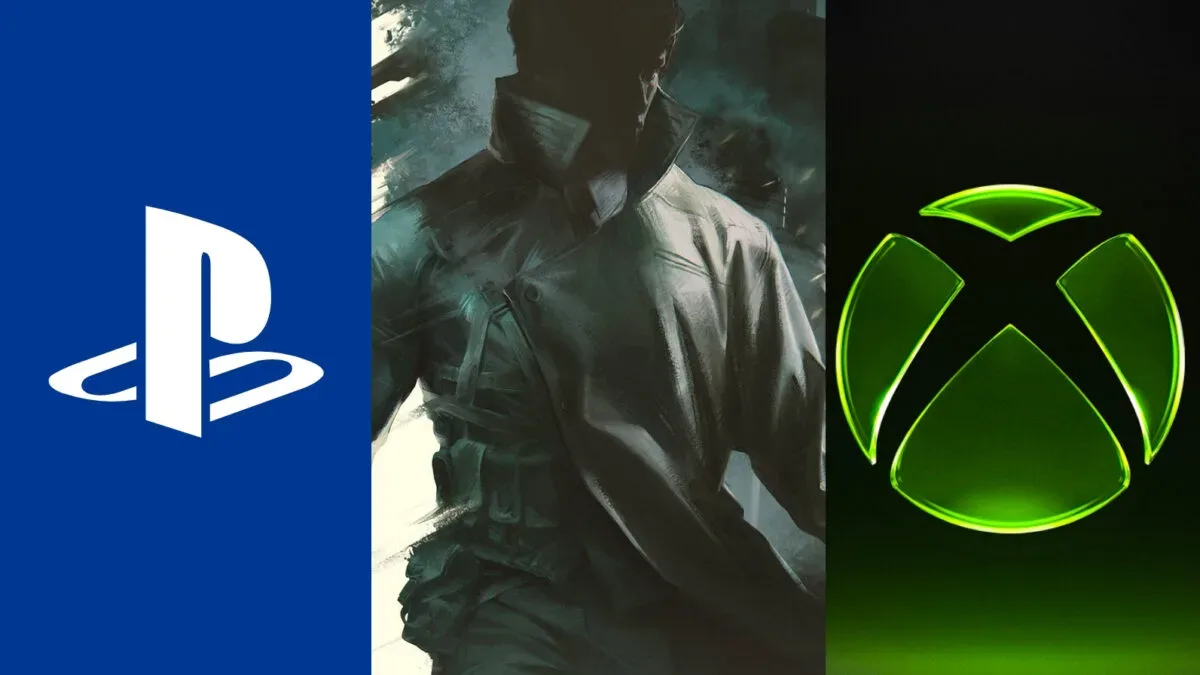
The console business has once again found a way to make a simple question—“who gets to play this game?”—feel like an international trade negotiation conducted inside a mech hangar. Yet Xbox CEO Asha Sharma’s position is comparatively plain: Xbox can compete with PlayStation while still working alongside it.
“Competition and collaboration can coexist,” Sharma said when discussing the companies’ continuing overlap. The remark lands amid a complicated set of platform decisions. PlayStation recently stepped away from publishing Hideo Kojima’s Physint, the action-espionage project often described as a successor in spirit to Metal Gear. Microsoft has since taken on the project. At the same time, games under the Xbox banner, including Forza Horizon 6 and Fable, are still planned for PS5, while Call of Duty and Minecraft continue as multiplatform franchises.
That is not a contradiction so much as the modern platform business in miniature. Companies can protect selected exclusives, pursue their own hardware and subscription strategies, and still decide that certain games are worth putting in front of the biggest available audience. It may be less tidy than the old “pick a plastic box and swear eternal loyalty” approach, but it is closer to how enormous game productions are now financed and distributed.
Physint changes publishers, not necessarily the wider relationship
The most attention-grabbing piece of the story is unquestionably Physint. Kojima’s project had been associated with PlayStation before the publisher shift to Xbox. Sharma reportedly laughed when asked whether Sony deserved an apology for the situation, suggesting that Xbox does not view the deal as a diplomatic incident requiring ceremonial flowers and a very awkward card.
What can be said with confidence is limited: Microsoft has picked up the project after Sony’s exit, and the arrangement reportedly includes film and television rights. That rights component is significant. In entertainment deals, rights are the legal permissions to make, distribute, or adapt a work in particular forms. Game rights cover the game itself; film and television rights concern potential screen adaptations. A publisher acquiring both can be pursuing a broader entertainment property rather than treating the game as a standalone release.
It does not tell players whether an adaptation will happen, when it might happen, what it would look like, or which platform will receive the eventual game. Those details have not been established here. The reported rights package instead illustrates the scale of the strategic interest surrounding a Kojima-led action-espionage project.
What the funding reports do—and do not—mean
Figures circulating around Physint should be treated carefully. One rumor placed Kojima’s sought-after funding near $400 million. A separate report says Xbox is paying far below that amount and may be paying less than $200 million. Neither figure supplies a confirmed public budget, a full breakdown of costs, or terms that explain exactly what Microsoft’s payment covers.
The distinction matters because “development cost” and “deal value” are not automatically interchangeable. Development cost generally means the money required to create the game. A publishing agreement can also cover marketing, distribution, technology, rights, milestone payments, or other obligations. Without a complete agreement, readers cannot responsibly turn a reported payment into a definitive statement of the game’s budget or its eventual commercial target.
Related coverage includes Xbox CEO Says PlayStation Collaboration Remains Possible After Physint Publisher Shift.
Still, the reports indicate that Xbox’s commitment is materially below the higher number that had been rumored. The reported inclusion of film and TV rights may help explain why the arrangement is being discussed as more than a routine publishing pickup. The practical takeaway for players is less about spreadsheet speculation and more about the game’s new corporate home: Microsoft now has a meaningful stake in a project tied to one of gaming’s most recognizable creators.
Why Xbox games can still head to PS5
Sharma’s statement is easier to understand by looking at the titles that remain cross-platform. Forza Horizon 6 and Fable are set for PS5, despite Xbox’s renewed emphasis on exclusives. Meanwhile, Call of Duty and Minecraft remain available across platforms.
“Multiplatform” means a game is released on more than one competing platform. “Exclusive” means access is limited to one platform or ecosystem, though the exact meaning can vary: a game might be exclusive to a console while also appearing on PC, or it could be available only through one company’s hardware and services. These labels are useful shorthand, but they are not always permanent promises. A title’s platform plan can reflect a specific contract, a franchise’s existing audience, a release timeline, or a publisher’s evolving strategy.
For a franchise with an established community across several systems, continuing multiplatform support can preserve that community and reach more buyers. That logic is particularly easy to see with Call of Duty and Minecraft, two names that are already associated with broad availability. It is also relevant to forthcoming releases such as Forza Horizon 6 and Fable: a PS5 release brings Xbox-published games to players who may not otherwise enter the Xbox ecosystem.
None of this prevents Xbox from pursuing exclusives elsewhere. The key point is that platform strategy is being decided game by game, rather than by one universal rule. That can frustrate fans who want a clean lineup of permanent sides. For everyone else, it means checking the confirmed platform list for each specific game is more useful than assuming a corporate logo settles the matter.
A more selective multiplatform moment
Xbox spent years moving toward a wider multiplatform approach, eventually bringing several major first-party games to PS5. That direction changed when Sharma succeeded Phil Spencer as Xbox leader, with exclusives becoming a greater point of emphasis again. The continuing PS5 plans for some Xbox-backed games show that the earlier approach has not simply been erased.
PlayStation’s history in this area has been different. It did not adopt a broadly comparable console multiplatform strategy, although certain releases have reached the other console. Bungie’s Marathon is one example cited as appearing on the competing system. PlayStation’s major expansion beyond its own console has instead been PC, an area from which it is now reportedly pulling back.
This creates an uneven-looking arrangement. Xbox has several visible connections to PlayStation through releases and franchises, while PlayStation’s console-side participation appears more limited. Sharma’s phrase remains accurate as a description of the possibility: direct rivals can collaborate. It does not mean their contributions must be equal in every period, nor that every future game will follow the same route.
For players, the near-term facts are more useful than the rhetoric. Forza Horizon 6 and Fable remain planned for PS5. Call of Duty and Minecraft remain multiplatform. Physint has a new publishing partner in Microsoft, but its eventual release details are not defined by the information available. And any discussion of a rumored price tag should remain clearly labeled as reporting rather than a confirmed budget.
That is a less dramatic answer than a console-war scorecard, but it is the sensible one. The biggest publishers are simultaneously building reasons to choose their ecosystems and making targeted decisions to reach audiences outside them. It is messy, selective and certain to inspire another round of message-board combat. It is also, apparently, how competition and collaboration are coexisting now.
For another look at platform-side technology changes, see our coverage of PS5’s QSSR AI upscaling update.