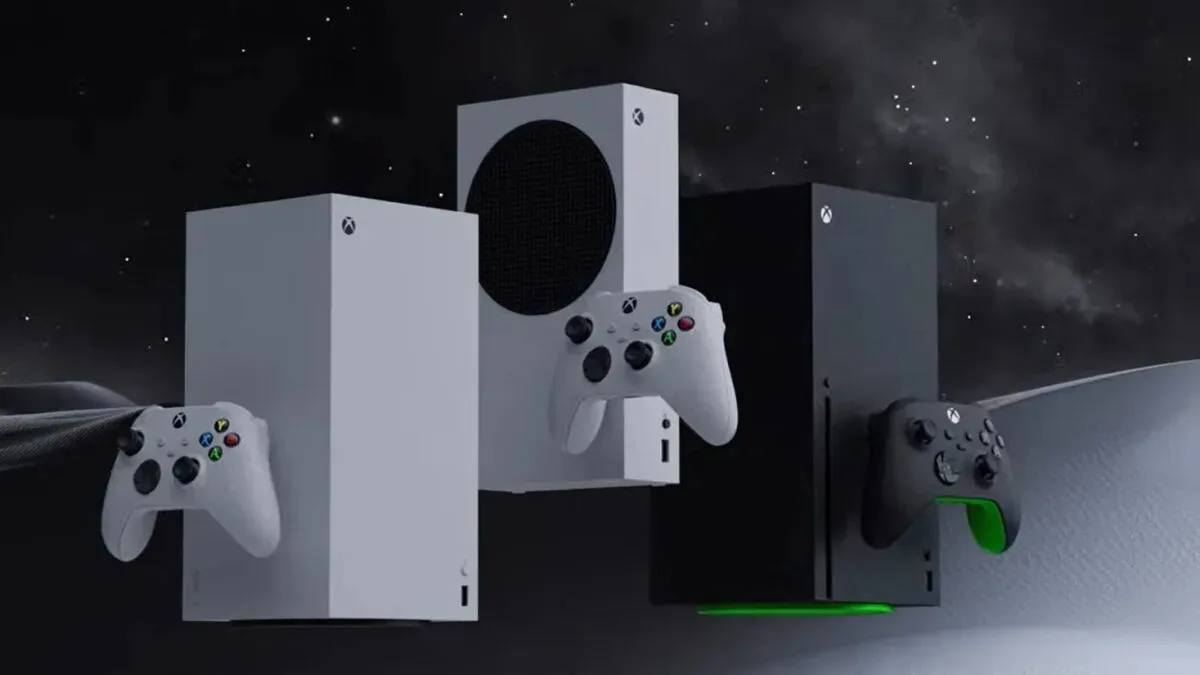
Xbox hardware had an unusually strong October in U.S. dollar sales, rising 42% from the same month a year earlier. It is an eye-catching result for a console line that has faced weak hardware results in recent years, but the headline needs a little unpacking before anyone starts ordering celebratory confetti by the pallet.
The central detail is that Xbox Series unit sales also increased, by 10% year over year. That means more consoles were actually sold, not merely that buyers paid more for the same—or fewer—machines. Yet the much larger 42% jump in spending was principally a price story: the Xbox Series console price was 29% higher than it had been a year earlier.
In other words, October delivered two positive signals for Xbox hardware at once: more units moved, and each sale was worth considerably more in dollar terms. Those are related, but they are not interchangeable measures of market health.
Dollar sales versus unit sales: why both numbers matter
Dollar sales, sometimes called retail spending or revenue, measure the money spent on products. Unit sales measure the number of products sold. A price increase can lift dollar sales even where demand is flat; if it is substantial enough, dollar sales can rise even when unit sales decline.
That is not what happened to Xbox in October. Units rose 10%, providing evidence of improved buying activity. Still, the difference between 10% unit growth and 42% spending growth is the important part of this month’s result. The pricing increase contributed far more to the dramatic dollar-sales percentage than the volume increase did.
Higher prices normally put pressure on unit volume because they raise the cost of entry for prospective buyers. Earlier Xbox results had illustrated that problem, with price increases discouraging purchases. October broke from that immediate pattern, as unit demand rose despite the higher cost. It does not erase the broader recent difficulty of Xbox Series hardware sales, but it does establish that the latest month was more than a purely mathematical revenue gain.
There is another reason percentage comparisons require restraint. A percentage increase becomes easier to achieve from a smaller starting point. The 42% rise is meaningful, particularly alongside the increase in units, but it does not on its own reveal Xbox’s total hardware volume, market share, or whether this is the start of a prolonged recovery.
The useful reading of the month is not “Xbox sales rose 42%, full stop.” It is “Xbox spending rose 42%, with a 10% rise in units, against a 29% higher console price.” Each part changes what the overall number means.
Related coverage includes Xbox Hardware Spending Rose 42% in October as Unit Sales Also Grew.
Gears and GTA interest may have helped lift demand
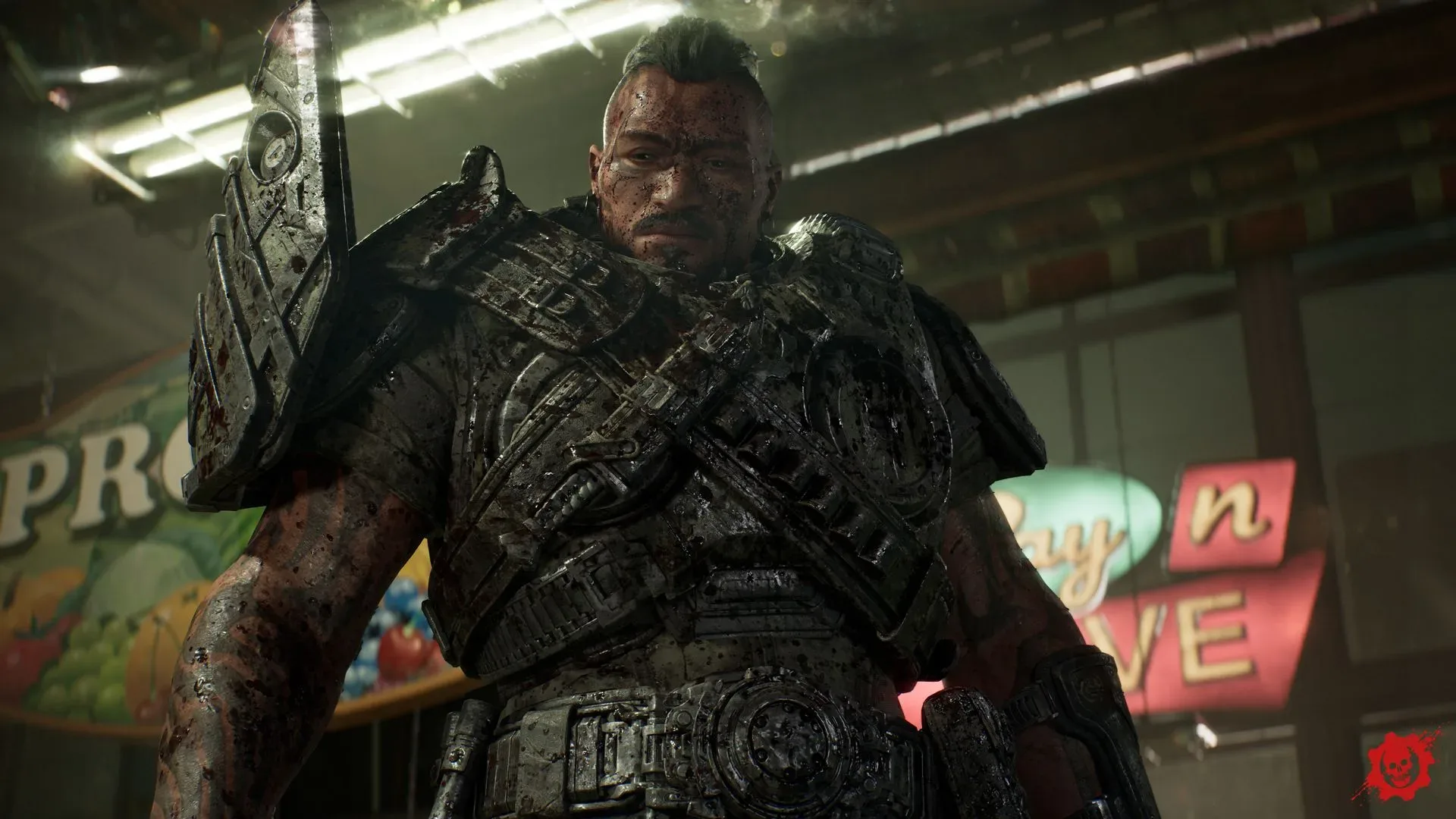
Two major game-related factors may have helped provide a temporary boost: the October debut of Gears of War: E-Day and interest surrounding GTA. The latter is particularly notable because a major forthcoming release can influence purchase timing before it arrives. A player who has delayed buying a current console may decide that a looming game is enough reason to finally upgrade or enter the platform.
That interpretation should remain measured. The available sales data demonstrate the October increase, but they do not break down precisely how many Xbox purchases were made for Gears of War: E-Day, in anticipation of GTA, or for other reasons. It is more accurate to describe the games as plausible demand drivers than to treat them as a verified explanation for every console sold.
Gears of War: E-Day nevertheless had a strong software start, debuting at No. 2 on October’s sales chart. That placed it behind Call of Duty: Modern Warfare 4, the month’s top-selling game, and ahead of the No. 3 debut for Star Wars: Galactic Racer. For Xbox, having a prominent exclusive-associated release in a month when its hardware units increased gives the idea of a software-driven lift more weight than it would otherwise have.
The near-term test is whether the October effect survives a crowded November. The next month brings uncertainty for all platform holders amid competition around Ocarina, GTA and WoW Forever. One stronger month can be a reprieve; a sequence of stronger months would be a trend. October alone cannot decide between those two possibilities.
Xbox buyers also weigh more than a single new release. Hardware price, the games a household already owns, where friends play, subscription value, accessories and available time all shape the decision. Those considering the broader Xbox software-and-services equation may also want to note that a recent Game Pass Ultimate promotion reduced the cost of one month but did not allow stacking. That is a separate consumer offer rather than proof of October’s hardware performance, but it illustrates why console-buying decisions rarely sit apart from ongoing subscription costs.
PlayStation rose too, while Switch spending declined
Xbox was not the only hardware brand to improve in October. Overall U.S. hardware spending increased 2% year over year. PlayStation 5 spending rose 20%, while Nintendo Switch spending fell 11%.
Those figures again refer to dollar sales, so they should not be read as direct unit comparisons between platforms. They do show that the hardware market as a whole was modestly higher in spending, with PlayStation and Xbox contributing growth while Switch moved in the other direction.
On the year-to-date console leaderboard, Nintendo Switch 2 remained the best-selling system and PlayStation 5 held second place. October’s Xbox surge therefore should not be confused with a reported change at the top of the year-to-date hardware standings. It is a marked monthly improvement in Xbox spending and units within a market whose broader competitive order remained the same in the supplied results.
Nintendo also led the accessory chart for the month with its limited-edition Zelda-themed Switch 2 Pro Controller. Accessory results matter as an indicator of spending around an installed base, though they do not map neatly onto console hardware demand.
Call of Duty led the software chart, but console content spending fell
Call of Duty: Modern Warfare 4 took October’s No. 1 game position, marking the 19th consecutive year in which a Call of Duty release led its launch month. Its lead did not translate into an overall increase in console content spending, however. Consumer content spending on consoles fell 18% year over year, while total game spending fell 12%.
Release timing provides important context. The prior year’s Call of Duty arrived in November rather than October, so it was not part of that October comparison. But October 2025 included both Battlefield 6 and Pokémon Legends: Z-A, which together generated more content spending than this year’s Call of Duty did by itself.
This is a useful reminder that a monthly bestseller is not the same as a monthly market expansion. A game can lead the chart decisively and still be insufficient to match an unusually stacked comparable month. It also shows why hardware and software results can move in different directions: October brought rising hardware spending, yet falling content and total game spending.
Other October launches placed as follows:
- No. 2: Gears of War: E-Day
- No. 3: Star Wars: Galactic Racer
- No. 6: Final Fantasy Resonance
- No. 9: Kingdom Hearts Collection I-III
- No. 10: Nintendo Switch Sports Resort
- No. 12: Castlevania: Belmont’s Curse
- No. 15: Hellraiser: Revival
None of the named October launches entered the year-to-date top 10. That larger chart continued to be led by NBA 2K27 at No. 1 and Resident Evil: Requiem at No. 2.
Discounts and expansions can materially alter a game’s month
October’s rankings also contained two sharp examples of how an existing game can reappear in the sales conversation. Dragon’s Dogma II jumped from No. 204 in the previous month to No. 17 following the Dark Arisen expansion. Resident Evil 4 rose from No. 64 to No. 31 after Halloween discounts.
The practical takeaway is straightforward: monthly charts capture a moving retail moment, not merely the popularity of newly launched games. New downloadable content can give a catalog game renewed attention, while a seasonal discount can substantially improve its monthly placement. That context is especially relevant when comparing positions across separate months.
What October does—and does not—say about Xbox
October was a genuine improvement for Xbox Series hardware demand because unit sales rose 10% even with higher prices. The 42% spending result is therefore not empty. At the same time, the 29% year-over-year increase in console pricing explains why the spending figure accelerated so much faster than units.
For consumers, the report is not a verdict on whether an Xbox is worth buying. It is a snapshot of collective purchasing behavior in one month. For industry watchers, it is a reason to watch the next set of results closely: whether interest connected to Gears of War: E-Day and GTA becomes sustained hardware momentum, or remains a short-lived boost, will matter more than any single percentage.
The October data also make a broader point about reading sales headlines. Check whether a figure represents spending or units, look at the comparable release calendar, and account for price changes before drawing a conclusion. In this case, all three tell the story: Xbox sold more consoles, those consoles cost more, and a favorable software moment may have helped consumers accept that higher entry price.
Note on methodology: The rankings include projected digital sales. Some publishers do not provide digital-sales data directly, so estimates are incorporated into their placements.