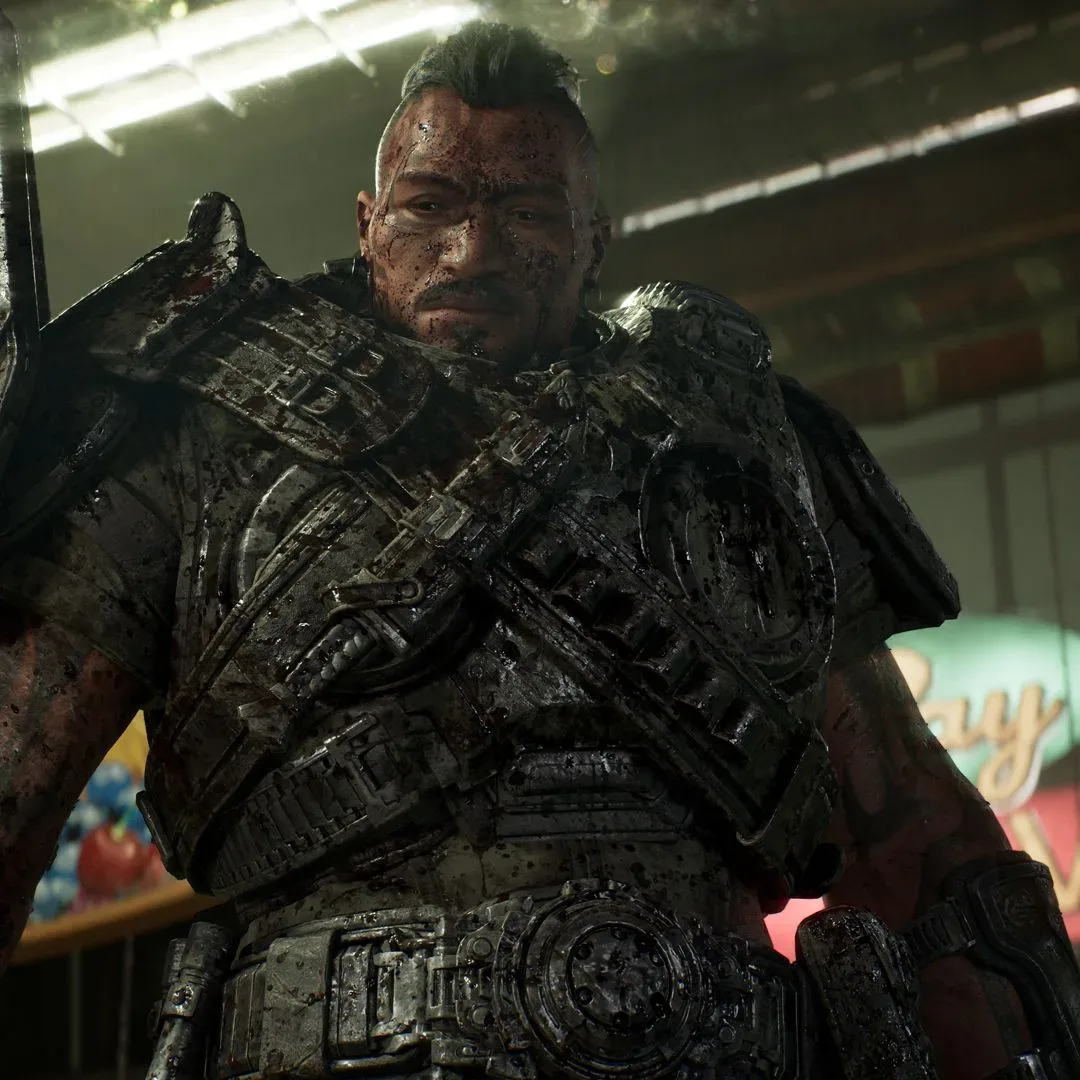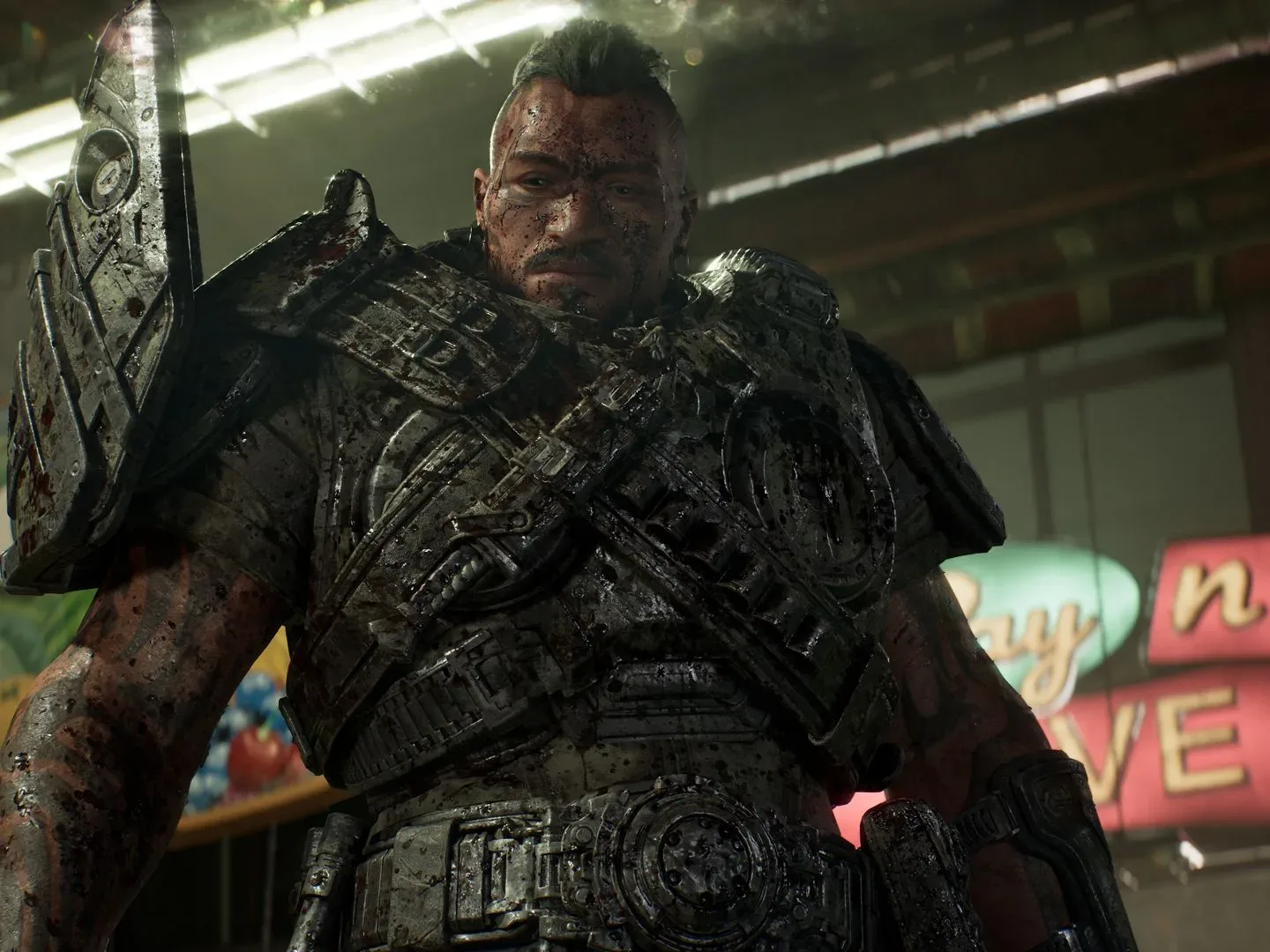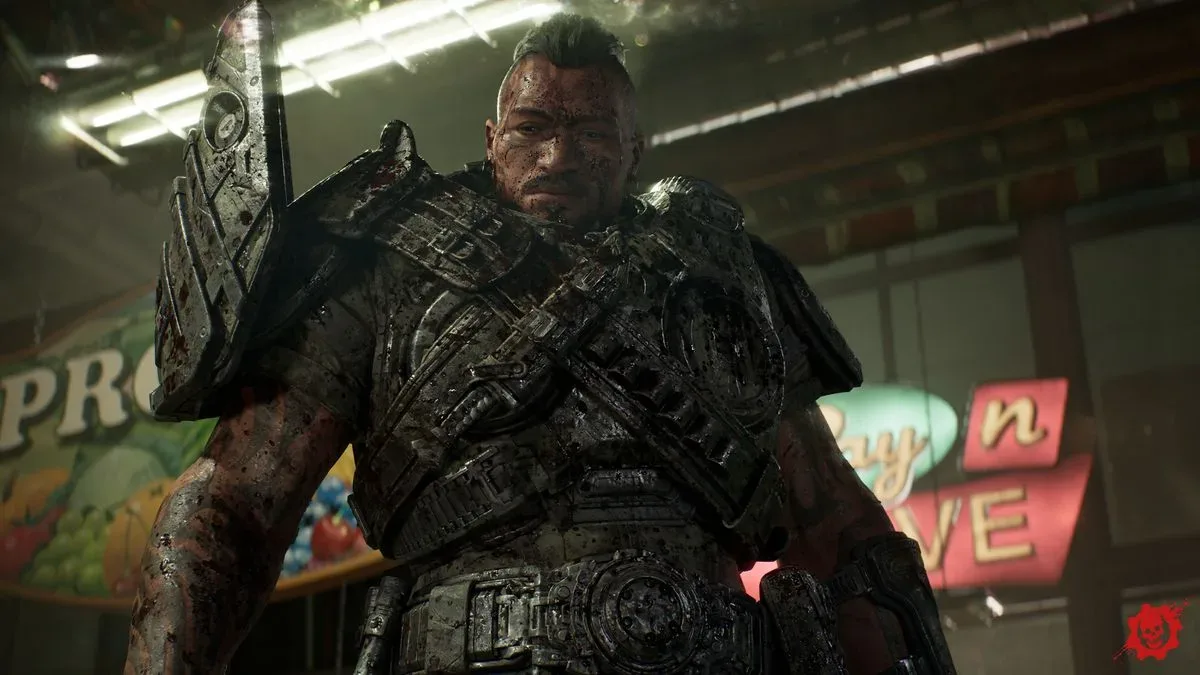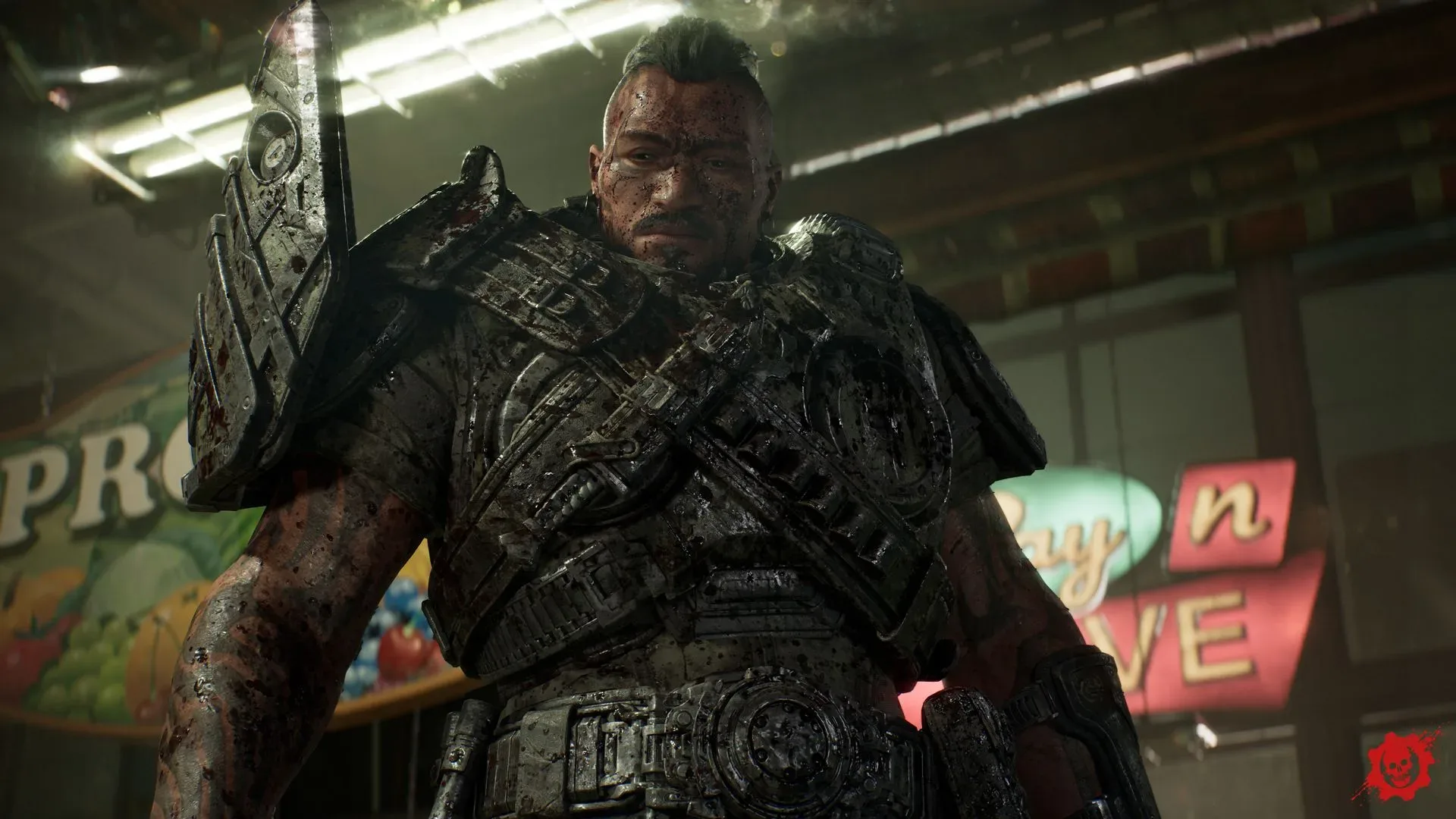
Gears of War: E-Day has not delivered a visible lift for Xbox Series X|S hardware sales in the US, despite being positioned as an Xbox console exclusive. That is the central assessment from games-industry analyst Mat Piscatella, who says the platform’s sales and engagement indicators have yet to show a positive result from the strategy.
The claim matters because console exclusives have traditionally served two connected commercial purposes: they can sell copies of a game, and they can give people who have not yet chosen a machine a reason to buy into a specific hardware ecosystem. The available figures described here suggest E-Day may have been much more effective at attracting players through Xbox Game Pass than at persuading shoppers to purchase Xbox consoles or the game’s premium edition outright.
It is also a particularly sharp test case. Reports indicated that a PlayStation 5 version was well into development, yet E-Day was kept exclusive to Xbox consoles. If the aim was to use a familiar series to strengthen Xbox hardware momentum, Piscatella’s reading is that the hoped-for effect is not apparent in the data he follows.
No US uplift, while UK sales reportedly fell
Piscatella said he saw no US hardware uplift tied to Gears of War: E-Day. Separately, UK sales data reportedly showed Xbox sales declining 22% in October. Those are not identical measurements, and neither one alone proves that a single game caused the broader sales trend. Hardware demand is shaped by many factors, including price, competing products, bundles, consumer spending and the age of a console generation.
Still, the two indicators point in the same uncomfortable direction for the Xbox hardware business: E-Day’s exclusive status has not obviously reversed the platform’s trajectory.
“Saying Gears is going to be exclusive hasn't made any difference in terms of the hardware trend. In fact, it keeps getting worse,” Piscatella said.
That distinction is important. A game can be successful in some respects without becoming a hardware mover. An established franchise can bring existing Xbox and Game Pass users back into an ecosystem, generate conversation among dedicated fans, and still fail to expand the audience buying consoles. For a platform holder, those outcomes are very different—even if they are all sometimes grouped together as “engagement.”
In this case, Piscatella’s view is that the signals are not positive on either hardware sales or the broader engagement picture. He said that newer programs had not shown a positive impact in the sales and engagement data he tracks.
Related coverage includes Gears of War: E-Day Exclusivity Has Not Lifted Xbox Hardware Sales, Analyst Says.
Game Pass reach and premium sales are telling different stories
The reported estimates for E-Day underline why the game’s impact must be discussed carefully. The title is estimated to have sold about 62,000 copies on Xbox while reaching 1.7 million Game Pass players.
Those figures measure different things. A premium SKU—short for stock-keeping unit in this context—is the individually sold, full-price version of a game. A Game Pass player, by contrast, is someone who accessed the title through a subscription rather than necessarily purchasing that standalone version. One is a unit-sales measure; the other is a player-access measure.
That does not mean Game Pass play has no value. A subscription service can support recurring revenue, retain members, increase playtime and make a library feel more valuable. But it does mean 1.7 million players should not be interpreted as 1.7 million $70 game purchases. The economic relationship between a subscription player and a premium buyer is fundamentally different.
Piscatella’s interpretation was especially blunt: he described the $70 premium SKU as “functionally” dead on Xbox. The wording should be read as an assessment of the current market pattern, not a literal claim that nobody will ever buy a full-price Xbox game. The reported 62,000 sales estimate itself shows there remains some retail demand. His larger point is that, for a major Xbox release, that demand appears vastly smaller than the audience using Game Pass.
For players, this split is easy to understand. If a game is included with a subscription they already maintain, buying a separate $70 edition can be difficult to justify unless it offers an edition-specific benefit, ownership outside the subscription, or simply a preferred way to support and keep the game. For Xbox, however, it raises a strategic question: can a flagship exclusive still perform its old role as a console-selling, full-price retail event when the platform’s defining consumer proposition is access through Game Pass?
The Call of Duty point: engagement can be lost without a hardware gain
Piscatella also connected the issue to Call of Duty no longer arriving as a day-one Xbox Game Pass release. He said the change resulted in lost Xbox engagement without an offsetting benefit.
The observation highlights the difficult balancing act at the centre of a subscription-led platform. Day-one availability can be a strong reason to keep subscribing, especially for high-profile games. Removing that advantage may reduce the service’s immediate pull. Yet making a title exclusive, limiting where it can be bought, or shifting access rules does not automatically result in greater console sales.
In other words, there are at least three separate goals that can pull against each other:
- Hardware growth: convincing consumers to buy an Xbox console.
- Subscription retention and engagement: giving Game Pass members reasons to keep playing and remain subscribed.
- Premium game sales: selling individual copies at full price.
A decision that appears logical for one target may not produce the same result for the others. E-Day’s reported player and sales estimates are a useful illustration: Game Pass can deliver a large audience, but that scale has not been accompanied by the reported hardware boost that traditional exclusivity theory might predict.
Why the PlayStation comparison is notable—but limited
Piscatella contrasted Xbox’s situation with PlayStation 5 sales in September 2026, which were reportedly higher than in September 2025 following the release of Marvel’s Wolverine. He also noted sales of a console bundle and a new DualSense controller.
He characterized that combination as close to the classic model of an exclusive game helping sell both consoles and accessories, especially for an intellectual property that does not have Spider-Man’s level of recognition. It is a meaningful comparison because it describes the conventional expectation around a large exclusive launch: a recognizable game provides the prompt, while a bundle and peripheral give shoppers additional ways to enter or spend within the ecosystem.
But it should not be flattened into a simple one-game-versus-one-game verdict. The information available does not establish that Wolverine alone was responsible for every part of the PS5 result, nor does it quantify the respective marketing, bundle, pricing or audience factors involved. It does, however, show that Piscatella sees a visible hardware-and-accessories response on one side and no corresponding US hardware movement around E-Day on the other.
That makes the comparison less about declaring a winner between franchises and more about assessing two different commercial outcomes. One appears to fit the older “exclusive drives a hardware event” pattern; the other has not, at least in the sales data cited.
What the numbers do—and do not—say about Gears of War: E-Day
The available evidence does not prove that Gears of War: E-Day failed as a game. A title can have a large Game Pass audience, contribute to a service library and remain strategically important even when its paid unit sales are comparatively low. It also does not establish a complete financial result, because no subscription revenue, development cost, marketing spending or total long-term player data has been provided.
What it does indicate is narrower, but still significant: the game’s Xbox-console exclusivity has not yielded an observable hardware lift in the US, and a reported October decline in UK Xbox sales offers no obvious counter-signal. The estimated disparity between 62,000 premium Xbox copies and 1.7 million Game Pass players further suggests that access via subscription, rather than individual purchases, is the dominant way the game has reached its Xbox audience.
For prospective buyers, the practical takeaway is that Game Pass remains central to how Xbox’s major releases are consumed. For Microsoft, the harder question is whether the service’s convenience is now so central that exclusivity alone can no longer recreate the kind of console-demand spike historically associated with major platform releases.
Piscatella’s conclusion was pessimistic. He said it was difficult to find signs of “positivity or hope” for the Xbox platform in the data, and argued that enthusiasm from the most committed online fans was not translating into measurable market results. Whether future releases, programs or hardware offers change that picture remains unknown. Based on the E-Day sales and engagement evidence described so far, though, exclusivity has not been the catalyst Xbox needed.
For more on how platform-specific claims can require careful reading, see our explainer on what confirmed support details actually tell players.