Xbox is creating a new internal division called XP, bringing its plans for screen adaptations, licensed products, live experiences and outside partnerships under one roof. The remit is broad: the group is meant to reach audiences beyond the controller, with Minecraft serving as a particularly important part of the leadership transition and the project slate.
Kayleen Walters, currently president of Mojang, will lead XP. Maria Angelidou-Smith, previously Reddit’s chief product officer, will become Mojang’s new head. Both executives will report to Xbox chief Asha Sharma.
The practical significance is not that every Xbox property is suddenly becoming a film, show or theme-park attraction. Rather, XP formalizes work that can otherwise be spread between game studios, marketing, licensing teams, event organizers and production partners. Xbox is establishing a named organization to coordinate those efforts across franchises and formats.
What XP includes
Xbox has divided XP into four areas, each with a distinct job:
- Xbox Pictures handles film, television and other forms of linear storytelling.
- Xbox Products covers fan-facing goods tied to Xbox franchises.
- Xbox Places focuses on physical and live experiences, including events, attractions, broadcasts and destinations.
- Xbox Partnerships works with creators, brands and communities on experiences, sponsorships and brand relationships.
“Linear storytelling” is a useful distinction in this announcement. Games are interactive: players choose inputs and, depending on the design, may affect the order or outcome of events. A film or conventional TV episode proceeds in a predetermined sequence. The Xbox Pictures label therefore points to versions of its worlds designed for viewers rather than players, even when those productions retain game-derived characters, settings or themes.
Meanwhile, the Products, Places and Partnerships arms address the ways a franchise can exist around a game without being another game. A consumer product can be anything positioned as an authentic expression of fandom, while a live experience could mean a community event, attraction, broadcast or destination. The announcement does not specify new merchandise lines, parks, events, sponsors, release schedules or commercial terms. It does make clear that those categories now sit within the XP mandate.
Minecraft is at the center of the first leadership move
Walters arrives at XP after eight years at Microsoft, all spent working on Minecraft. Her work has included serving as executive producer on A Minecraft Movie. Before Microsoft, she held marketing roles at Lucasfilm and ultimately became vice president of franchise marketing and integrated planning; her earlier career also included MGM and Universal.
That background maps directly onto XP’s cross-format brief. Franchise marketing and integrated planning are, in plain terms, about making the many expressions of an entertainment property feel coordinated rather than accidental. For a game publisher, that can mean making sure the audience-facing identity of a game, a screen adaptation, an event and a licensed product makes sense as part of the same franchise—even though each reaches people in different ways.
Related coverage includes Xbox Forms XP Division to Unite Film, TV, Events, Products and Partnerships.
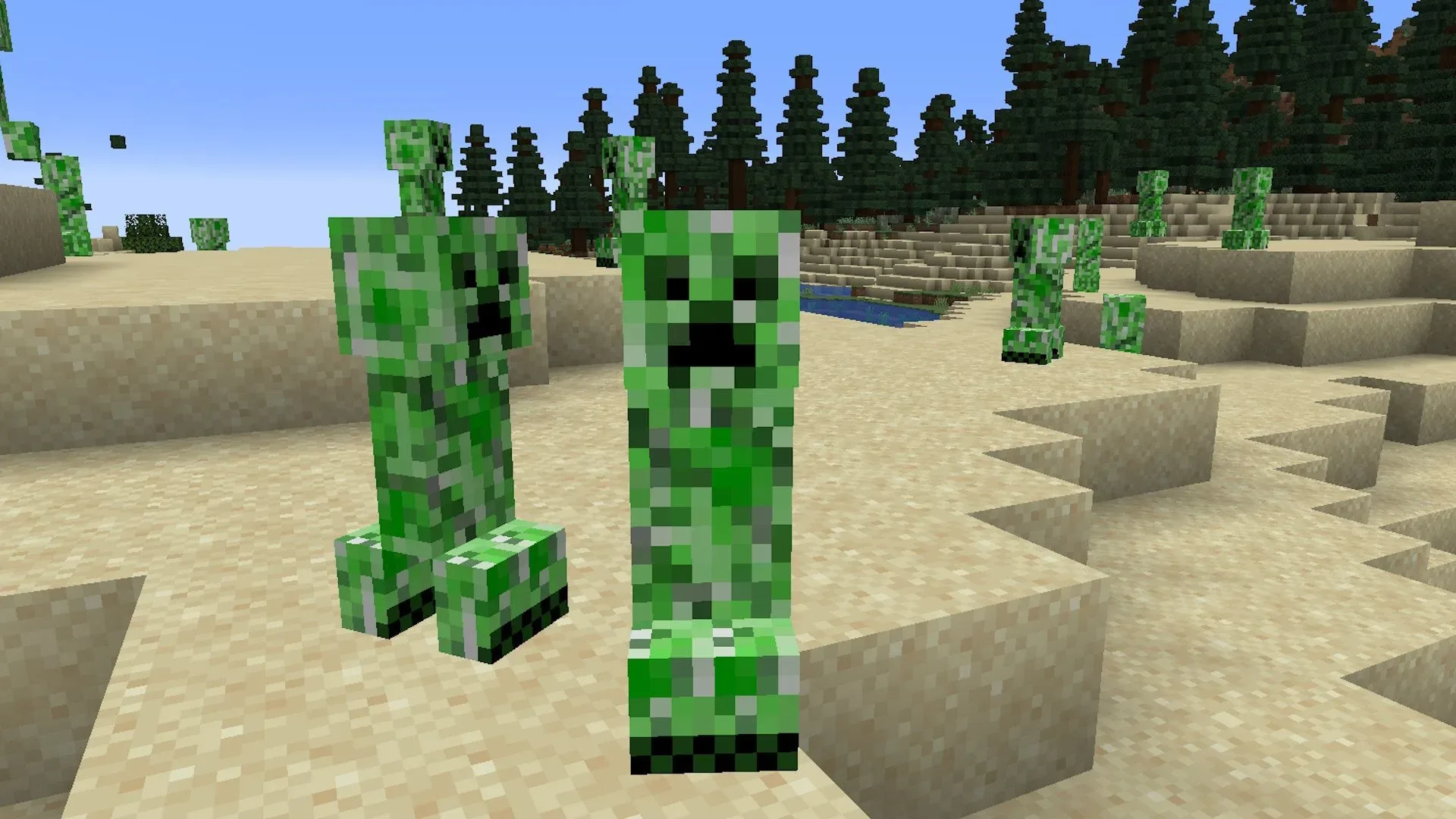
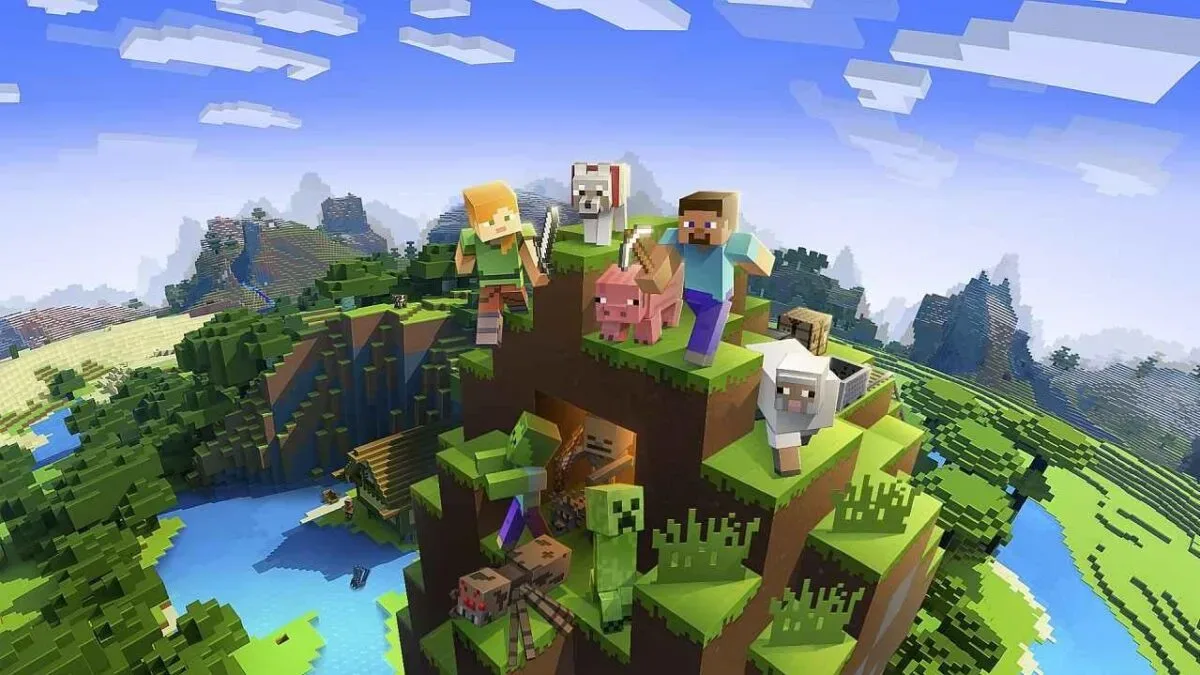
It is especially notable that Walters is moving from Mojang at a time when Minecraft has an identified film sequel in the XP portfolio. Minecraft Squared, the upcoming follow-up to A Minecraft Movie, is among the projects XP will oversee. The new structure therefore connects the studio behind Minecraft with an executive whose next assignment is to help manage Xbox’s broader entertainment expansion.
Angelidou-Smith takes over Mojang after working as Reddit’s chief product officer. The announcement establishes the leadership change but does not detail any alterations to Minecraft’s game development plans, content roadmap, platforms or release approach. Players should not read the creation of XP alone as evidence of an announced gameplay change. Its stated focus is expansion beyond gameplay, while Mojang has its own incoming leader.
The projects now under one umbrella
XP’s initial oversight list spans different kinds of media and audience engagement. Alongside Minecraft Squared, it includes the Fallout television series, an upcoming Call of Duty film and an animated Diablo series.
Those titles matter because they show the division is not restricted to one genre, studio or format. Minecraft is rooted in open-ended building and survival play; Fallout and Diablo are role-playing properties with sharply different tones; Call of Duty is associated with military action. The common thread is not a shared gameplay style. It is the need to represent recognizable game worlds to audiences who may encounter them first through a show, film, product or event.
XP will also collaborate with Kojima on Physint, described as an action-adventure stealth game intended to blend video-game elements with film, television and music. The project had previously been associated with Sony, which dropped it earlier this year before Xbox picked it up. The wording around Physint is important: it remains a game project, but its planned mix of media makes it a natural fit for a division designed to connect interactive entertainment with other formats. No further development details, timing or platform information were provided.
On the live side, XP will be responsible for BlizzCon and Minecraft Live, as well as additional partnerships that can include theme parks or outside brands. These are not interchangeable with screen adaptations. A television show is a finished work delivered to viewers; a live event is a recurring or temporary shared occasion whose value depends on community participation, programming and physical or broadcast execution. Putting both under XP suggests Xbox wants one strategic view of how fans meet its franchises, whether they are watching at home or gathering around an event.
What the reorganization could mean for fans
The immediate fan-facing takeaway is organizational, not a new launch calendar. XP has named areas of responsibility and several existing or previously identified projects, but the announcement does not attach dates, casting, product ranges, ticket information or new game content to its formation.
Still, the structure may make it easier to understand who coordinates the non-game side of major Xbox properties. If an Xbox franchise appears through a licensed item, a community broadcast, an attraction, a television adaptation or a branded collaboration, XP is positioned as the division connecting those types of work. That is a different responsibility from making a game, maintaining it, balancing it or shipping an expansion.
There is also a branding consideration. Adaptations and partnerships frequently become a person’s first encounter with a game universe. XP’s stated role acknowledges that a franchise can gain an audience through a cinema screen, streaming show or public event before that audience ever plays. The opportunity is to invite those people into the game world; the challenge is maintaining a recognizable identity across formats that make very different demands.
For example, a physical event needs logistics and a reason for fans to attend. A consumer product must feel sufficiently connected to the property for fans to want it. A film or series has to communicate a world through scripted scenes rather than player control. A partnership must serve the franchise without becoming a confusing mismatch. XP does not eliminate those creative and business challenges, but it creates a place where they are meant to be managed together.
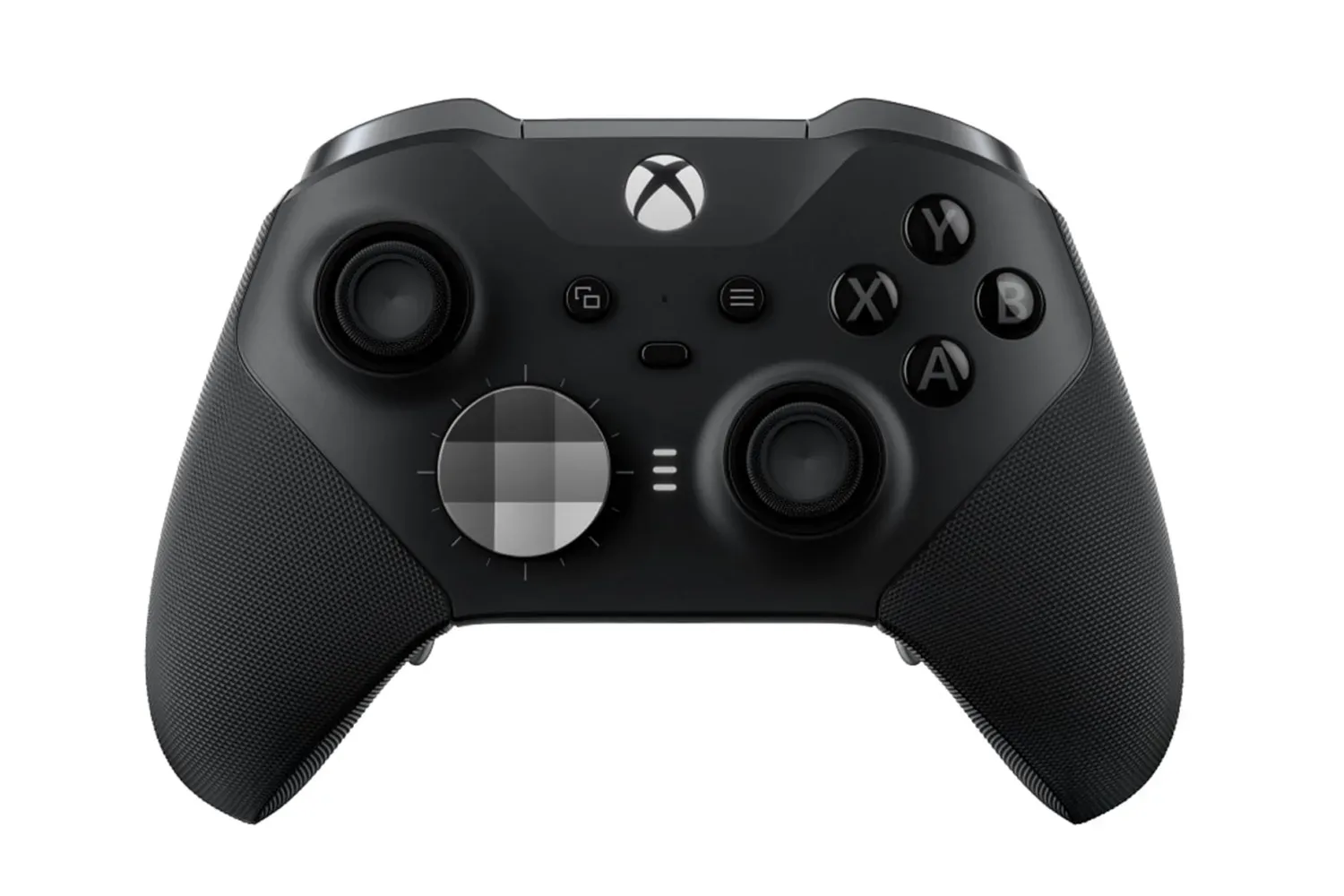
For Xbox hardware followers, the news does not signal a new console or accessory. Those considering existing Xbox equipment can separate this corporate move from the practical question of which controller suits them; the Xbox Elite Series 2’s premium features, for instance, remain a playstyle decision rather than a consequence of XP’s creation.
Analysis: a formal home for franchise stewardship
The clearest reading of XP is that Xbox is consolidating franchise stewardship: the work of guiding how an intellectual property is presented outside its core games. This is analysis based on the division’s stated four-part design, not a claim that all projects will receive the same level of investment or that new adaptations are imminent.
Its scope pairs creative outlets, such as film and television, with commercial and community-facing channels, such as products, events and sponsorships. That pairing can matter because these efforts affect one another. A screen production can introduce characters to new viewers; products can give existing fans a way to display their attachment; live programming can create a shared moment; and partnerships can put a franchise in front of audiences that might not otherwise seek it out.
Walters’ appointment gives that strategy an executive with Minecraft experience and a career in franchise marketing. Angelidou-Smith’s move to Mojang simultaneously establishes continuity in leadership reporting, since both leaders report to Sharma. What remains unannounced is just as important: there is no detailed operating plan, release timetable, project budget or promise that every Xbox series will expand into every category.
For now, XP is best understood as Xbox’s dedicated framework for turning game worlds into broader entertainment and fan experiences. Minecraft is the most visible first example through Walters’ move and the planned Minecraft Squared sequel, but Fallout, Call of Duty, Diablo, Physint, BlizzCon and Minecraft Live show the remit already reaches far beyond one block-built world.