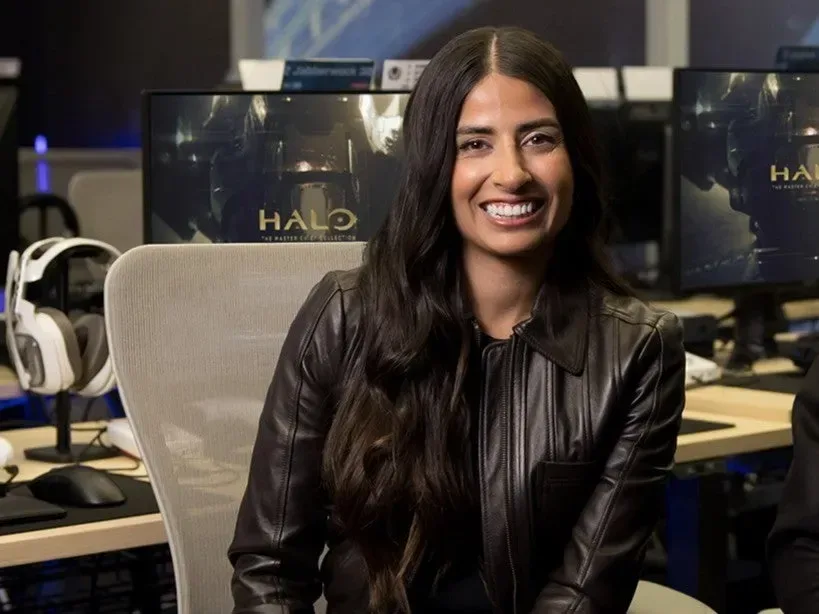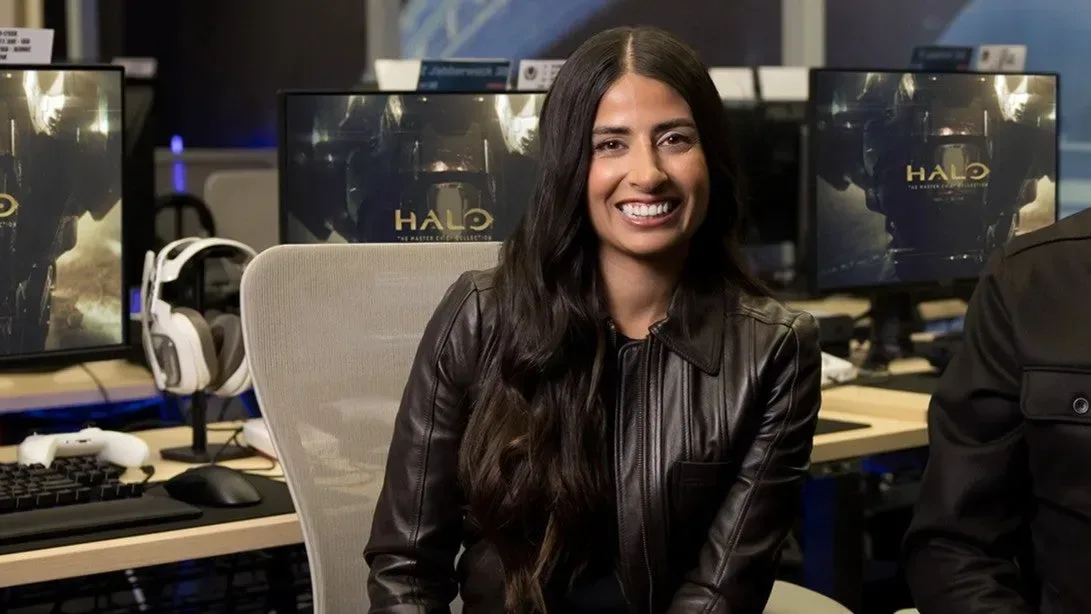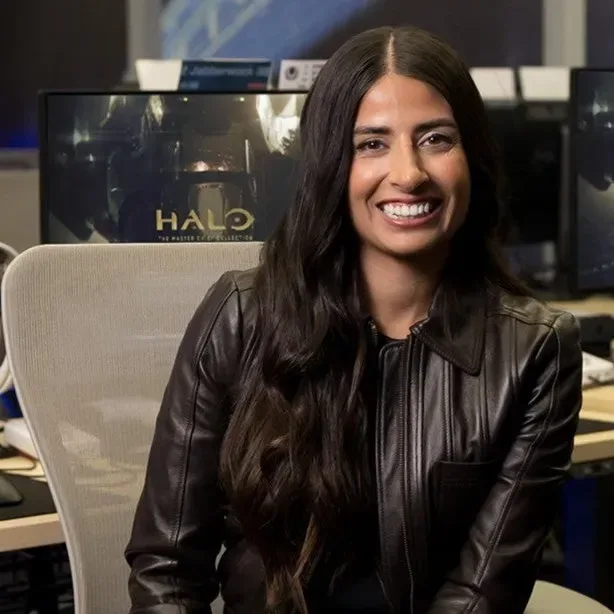
There is a particular flavor of dread attached to filing a customer-support ticket. You describe the error code, attach the screenshot, explain that yes, you have restarted the console, and prepare yourself for an expedition through dropdown menus. Xbox players may now have a stranger possibility to consider: the person reading part of that ticket could reportedly be Xbox CEO Asha Sharma.
Sharma, who has been in the Xbox chief executive role for roughly six months, is said to devote a few hours each month to answering customer-support requests herself. The aim is straightforward enough: direct exposure to the problems players actually encounter when using Xbox products and services. But the exercise also appears to have made one point very clear: resolving even one player’s issue can involve a surprisingly complicated chain of systems, policies, devices, accounts, and support processes.
It is not a promise that every submitted ticket receives executive-level attention, and players should not treat ordinary support channels as a lottery for a CEO reply. Still, the reported practice is notable precisely because it puts a top decision-maker closer to the less glamorous part of a game-platform business: the moment a customer cannot access something they bought, cannot make an account behave, or simply needs a human being to untangle a digital knot.
A player-facing view from the top
Gaming executives are usually most visible when discussing release calendars, hardware, subscriptions, acquisitions, studio strategy, or the kind of corporate phrasing that could put a controller to sleep. Customer support is rarely the centerpiece of that conversation. Yet it is one of the places where a company’s enormous plans become tangible to the people paying for games and services.
A broken entitlement, a billing confusion, a multiplayer restriction, an account recovery issue, or a problem bridging console and PC ecosystems does not feel like an abstract operational challenge to the person stuck with it. It feels like a game night disappearing before it starts. A few hours spent reviewing those cases cannot replace a trained support operation, nor can it solve systemic pain points on its own. It can, however, give leadership firsthand context that dashboards and briefing decks may smooth over.
That distinction matters for Xbox, whose ecosystem spans consoles, PC gaming, cloud features, subscriptions, first-party games, account infrastructure, and partnerships. A single player complaint can be deceptively narrow on the surface while touching several of those layers underneath. The reported takeaway from Sharma’s ticket work is that an individual fix may be far more complex than it initially appears.
That is hardly shocking to anyone who has ever tried to determine whether an issue belongs to a console manufacturer, a game publisher, a payment provider, an account system, an internet connection, or a small gremlin that lives exclusively in the settings menu. But it is useful context for the practical challenge of improving player support at scale.
A turbulent first six months
The support-ticket detail arrives after a consequential opening stretch for Sharma’s tenure. Her first six months have reportedly included the end of the divisive This is Xbox marketing campaign and a reduction in the price of Xbox Game Pass Ultimate. Those are highly visible changes, aimed respectively at Xbox’s public messaging and the value proposition of one of its central subscription products.
Related coverage includes Xbox CEO Asha Sharma Is Spending Time Answering Customer Support Tickets.
The same period has also included mass layoffs and development-studio spin-outs. Those developments sit very differently beside a story about executive customer support, and they should not be blurred together. Answering tickets may suggest a desire for closer contact with players; it does not erase the real human and organizational consequences of workforce reductions or changes to studio ownership and structure.
For players, the juxtaposition underscores how wide the Xbox leadership job has become. Decisions about marketing, subscription economics, internal teams, studio arrangements, and product support all shape the public’s relationship with the brand. They are not interchangeable decisions, and their effects are felt by different groups in dramatically different ways.
Still, the direct engagement with support provides a modest but unusual indicator of how Sharma may be trying to understand the business. Rather than receiving player concerns only after they have been summarized, categorized, and turned into a slide, she is reportedly looking at some of the raw friction. That could be especially valuable when a platform is trying to make its services feel broad, connected, and easy to use across different devices.
Franchises are back at the center of the conversation
Sharma has also reportedly pushed Xbox studios to concentrate on underserved core franchises. The phrase carries considerable weight because it points toward a more recognizable, series-led approach to planning the company’s games. Familiar franchises can offer players a clearer idea of what a platform is building toward, although the quality and identity of any eventual game will naturally matter far more than the name on its box art.
One particularly significant reported result is that Obsidian Entertainment has begun work on a new Fallout role-playing game. Josh Sawyer, the creative lead associated with Fallout: New Vegas and a veteran RPG developer, is set to direct it. For fans who have long associated Obsidian and Sawyer with the particular tone, choices, and role-playing ambitions of New Vegas, the news is likely to generate immediate curiosity.
There are important limits to what is known. No release window, platform list, gameplay details, or formal picture of the new project’s scope is established here. “A new Fallout RPG” is an exciting description, but it is not a substitute for details about its setting, systems, characters, or development timeline. The sensible response is enthusiasm with the safety on, at least until more concrete information emerges.
Even so, assigning Sawyer to direct a new entry is a meaningful signal about the kind of experience many players will hope to see. The franchise-first direction also frames the decision as more than a one-off bit of fan service. It suggests Xbox is looking at where its established catalog has unmet demand and considering how its studios can address it.
For a wider look at the competing possibilities of a franchise-led Xbox strategy, see how major game series can leave room for continuations and spin-offs. The comparison is not a prediction for Fallout; it is simply a reminder that a beloved series can grow in several directions, and players tend to care intensely about which path gets chosen.
Kojima deal expands beyond OD
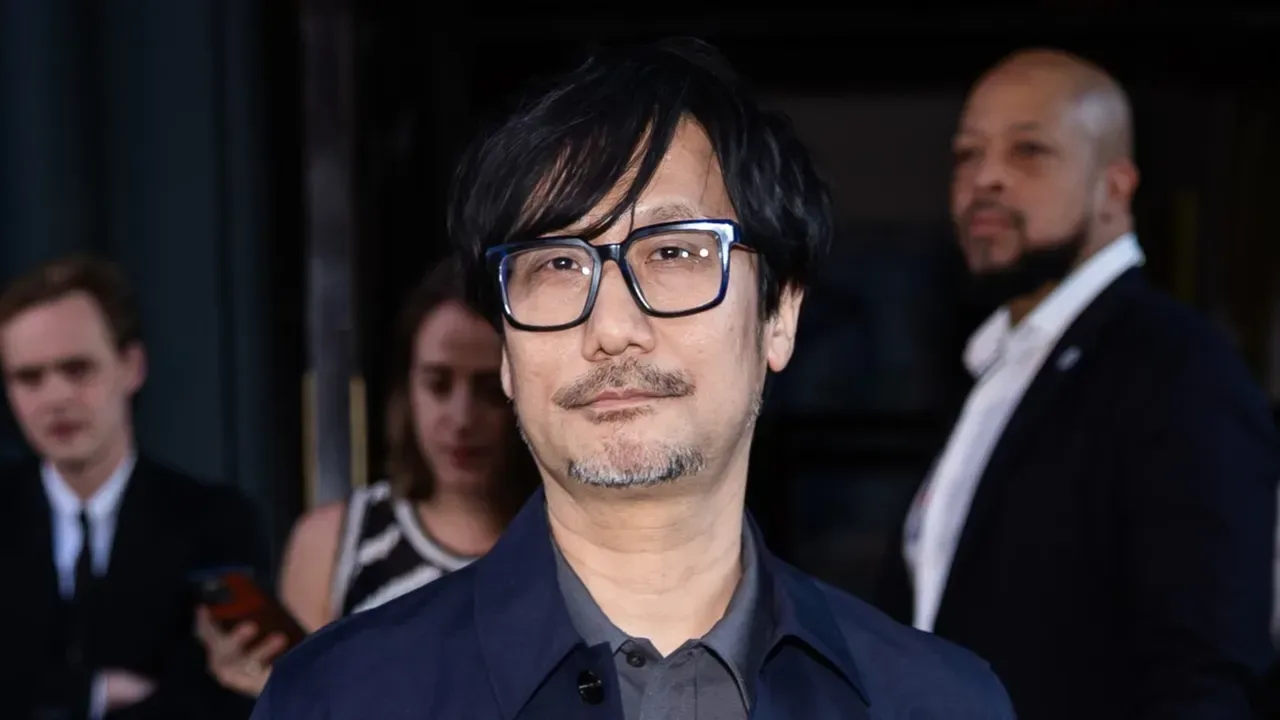
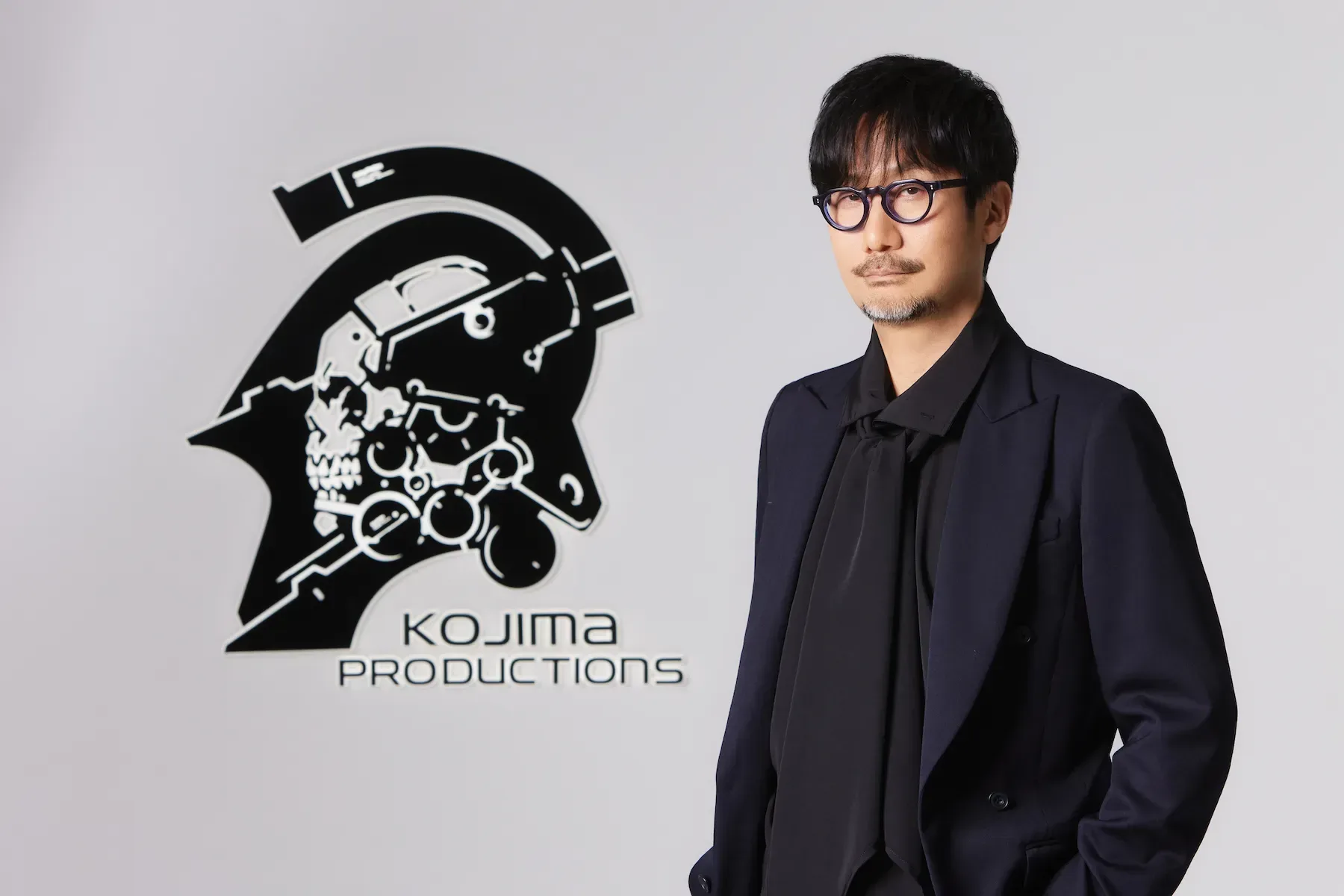
Xbox’s reported creative plans have not been limited to returning franchises. Last week, Sharma reportedly secured a multi-project agreement with Hideo Kojima. The expanded arrangement builds on the existing deal for the horror game OD and now also includes Physint, described as a spiritual successor to Metal Gear Solid.
Physint had originally been planned as a PlayStation exclusive before plans to cancel it earlier in the summer. Its inclusion in a broader Xbox agreement makes the Kojima partnership one of the biggest strategic developments attached to Sharma’s opening months. Kojima’s name alone brings enormous expectations, particularly when a project is connected in any way to the legacy of Metal Gear Solid.
But expectations can be a boss fight all their own. A multi-project deal tells players that Xbox wants a substantial creative relationship with Kojima; it does not provide a timeline for either project, spell out final release platforms, or establish what the finished games will look like. OD remains identified as a horror game, while Physint carries the spiritual-successor description. Beyond that, restraint is warranted.
Why ticket replies are more than a novelty
The image of an Xbox CEO working through support cases is easy to turn into a novelty headline. It is also easy to imagine the more comedic version: a player submitting a request over a missing download and receiving a response from someone whose calendar contains studio strategy meetings. But the meaningful part is not the novelty. It is whether contact with real cases informs better decisions about the systems that create those cases.
Support quality is often invisible when it works. Players simply get back to their games. It becomes highly visible when it fails, especially in an ecosystem where a library, subscription, social list, save data, and purchases can all be linked to a single account. Leaders do not need to personally answer every case to understand that reality, but a recurring window into actual requests can make the scale and texture of those problems harder to ignore.
For now, players should view the reported hands-on effort as one detail in a much larger and unsettled Xbox picture. Sharma’s early tenure includes consumer-facing changes, painful corporate upheaval, a renewed interest in major franchises, a new Obsidian Fallout RPG under Josh Sawyer, and an expanded partnership with Hideo Kojima involving OD and Physint. That is a lot of moving pieces for six months. Somewhere among them, a customer-support ticket may be getting a response from the person steering the whole ship.