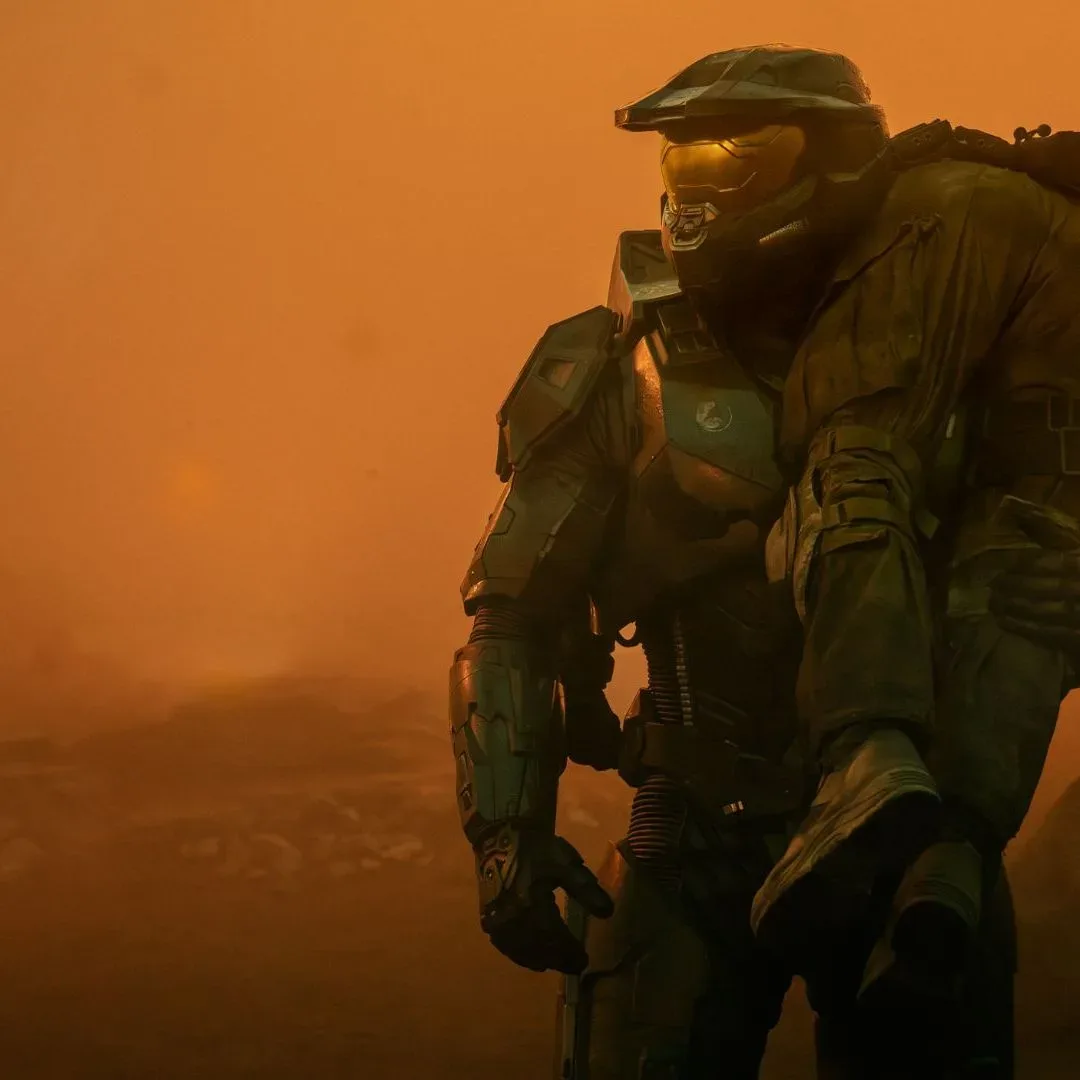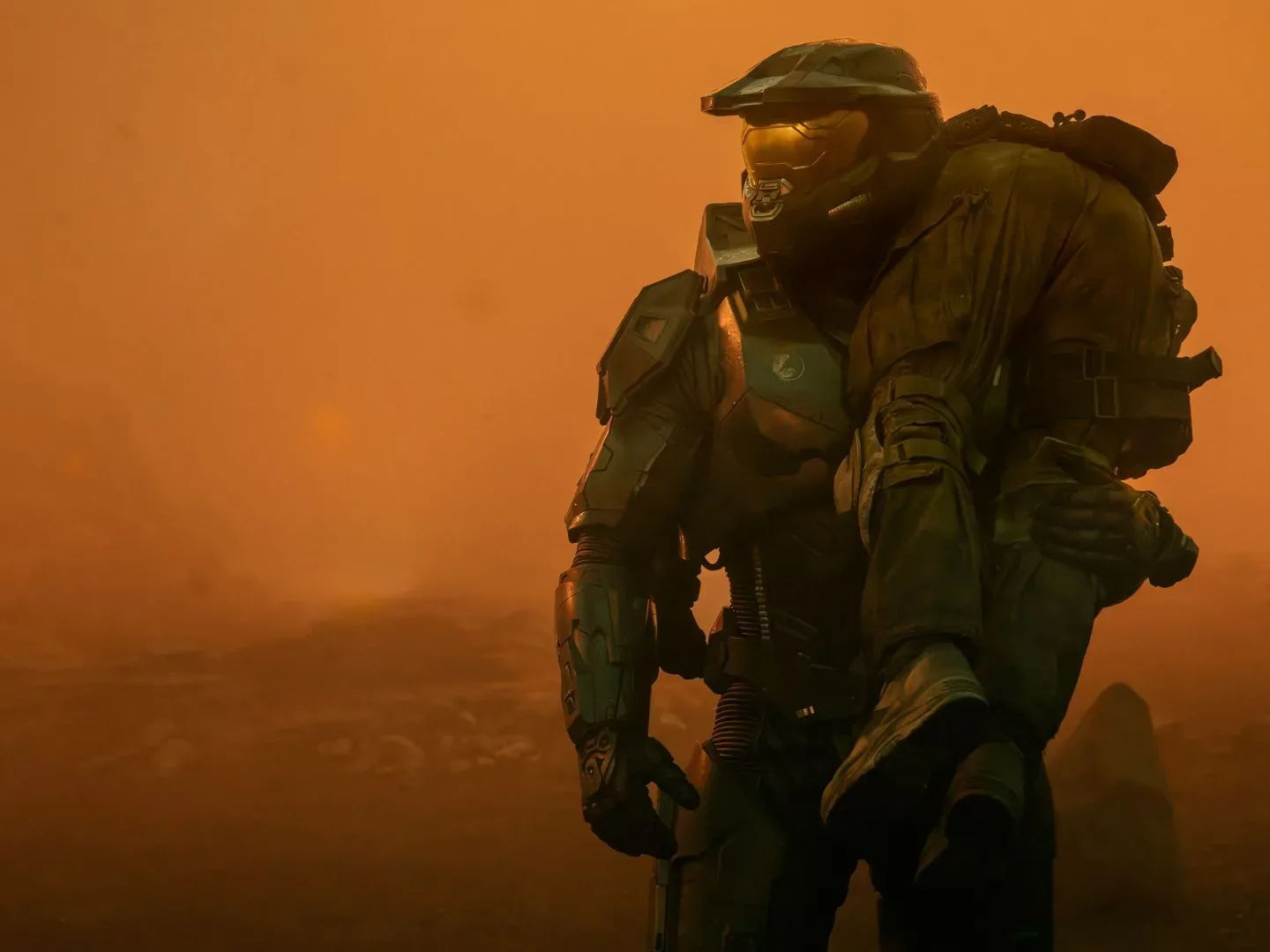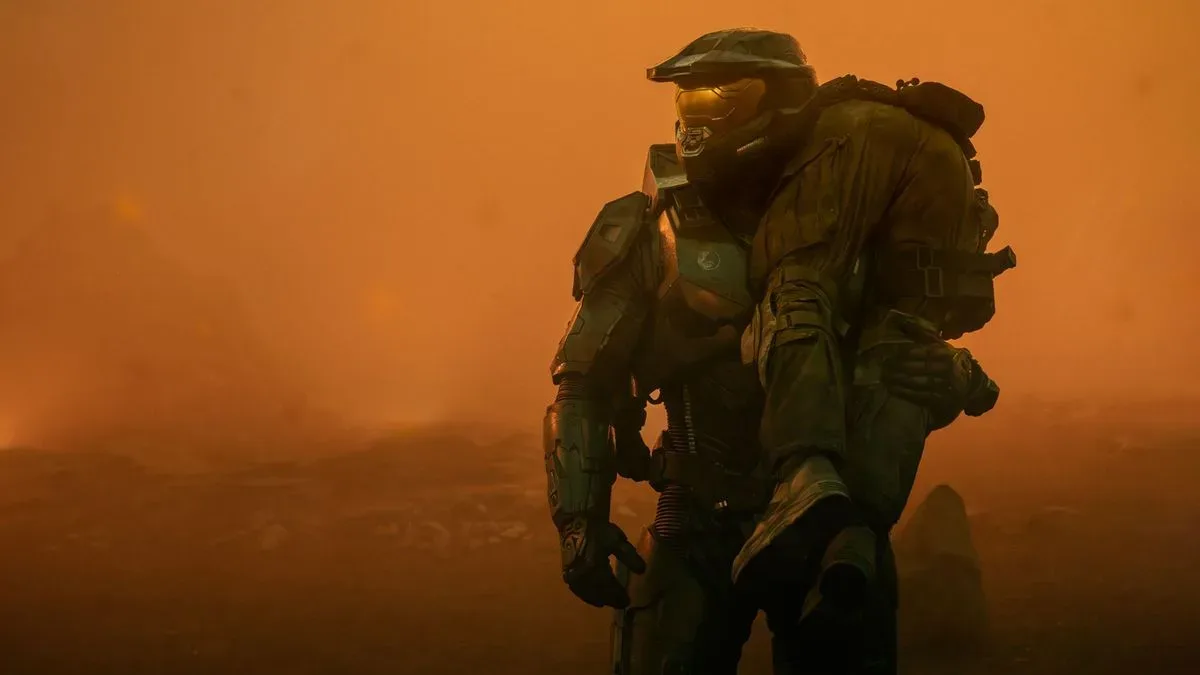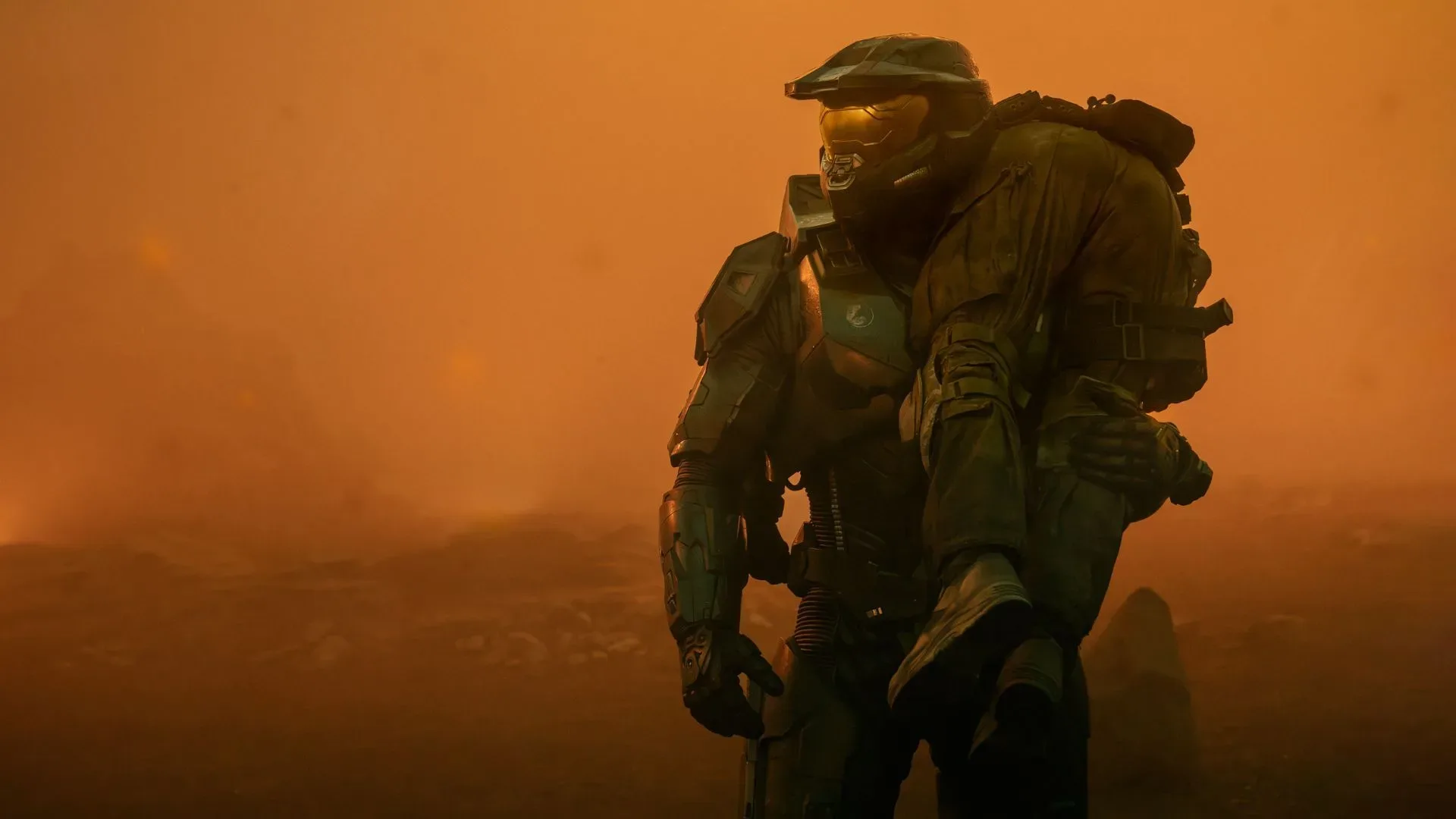
Netflix reportedly explored a major agreement with Microsoft that would have given the streamer an exclusive licence to adapt Xbox properties for film and television, but the proposed arrangement is now said to be off the table.
The reported terms are striking: Netflix was said to have put forward $500 million for a seven-year exclusive licence, while Xbox leadership and its business-affairs team reportedly responded with an $800 million counteroffer. Neither figure has been independently confirmed, Netflix did not comment on the report, and no deal was announced. That distinction matters: these are reported negotiating positions, not a completed transaction or a confirmed valuation of any individual Xbox franchise.
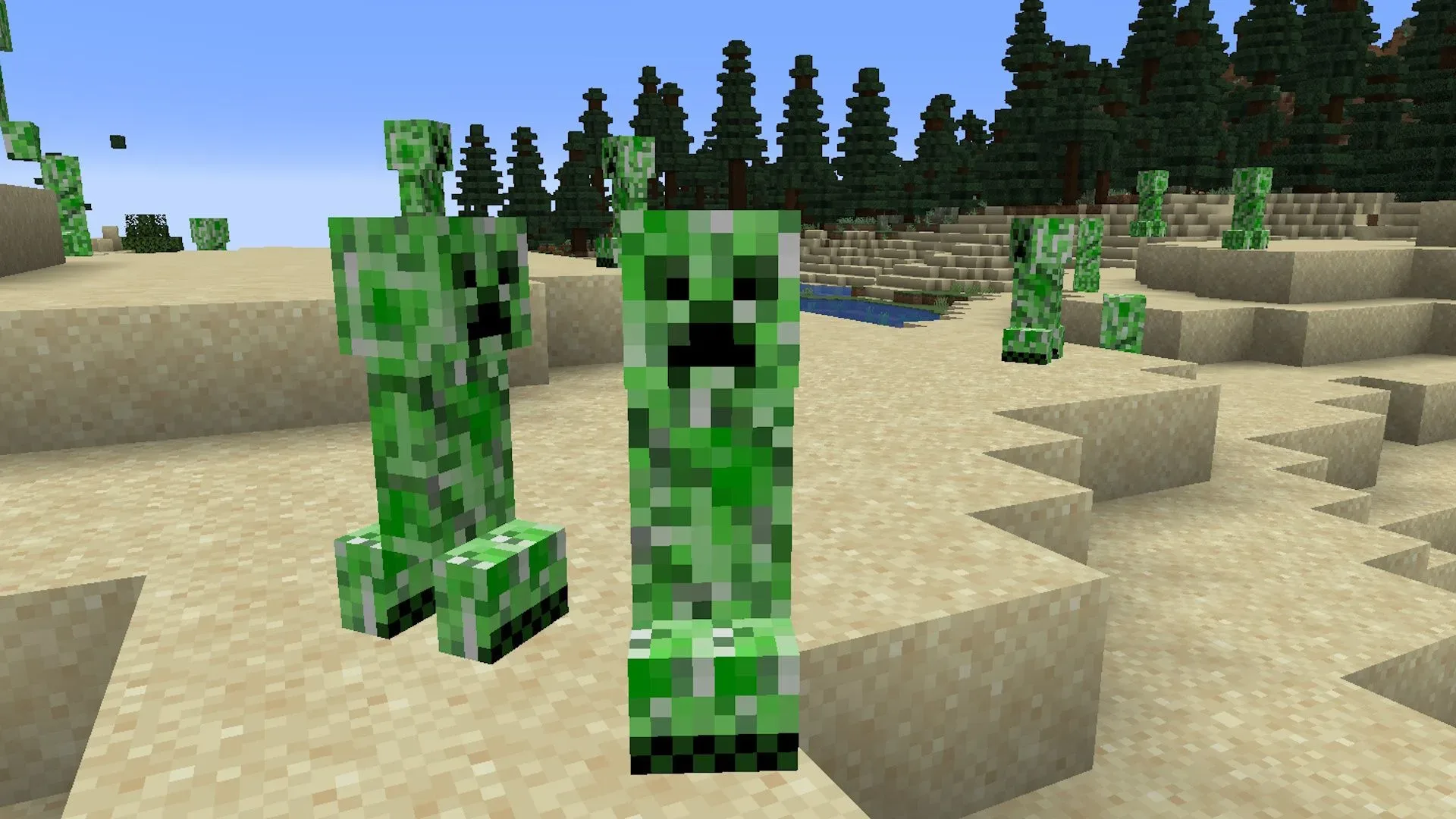
Microsoft did provide a statement that points to its continued interest in screen adaptations, saying it has received “record-breaking interest” in its intellectual property and calling Netflix a valued partner. The company also specifically highlighted forthcoming animated Minecraft and Diablo series being made with Netflix, alongside other adaptations.
What was reportedly being discussed
The reported proposal concerned a seven-year exclusive licence for Xbox titles. In plain terms, exclusivity would generally mean that, during the agreed period and within the rights covered by the contract, Netflix would control the ability to develop or distribute screen adaptations of those Xbox properties rather than Microsoft licensing them separately to several competing buyers.
That is a much broader proposition than commissioning one series around one game. A portfolio arrangement can give a streaming service a pipeline of recognizable names and a coordinated marketing story. For the rights holder, it can provide a large guaranteed payment and a single partner with which to manage approvals, production conversations and long-term franchise planning.
But it also asks the owner to trade flexibility for certainty. If the report is accurate, the difference between the $500 million proposal and the $800 million counteroffer was $300 million. That gap alone illustrates why an all-encompassing exclusive arrangement can be difficult to finish: the two sides must agree not only on the appeal of already famous properties, but on the possible value of games that could become stronger adaptation candidates years later.
The report says the talks originated under Netflix’s former chief content officer, Bela Bajaria. She has since been replaced by Peter Rice. Netflix has also recently dismissed film chief Dan Lin and has not yet named a replacement. With that leadership change, the proposed Xbox package is said to no longer be under consideration.
Xbox may prefer a wider set of partners
The reported alternative direction is smaller agreements with more partners. That approach would let Microsoft assess each property separately rather than treating the Xbox portfolio as a single bundle.
Related coverage includes Netflix Reportedly Considered $500 Million Xbox Adaptation Deal Before Talks Stalled.
For viewers, a multi-partner strategy could mean different Xbox worlds ultimately land in different formats and at different services. One game might be best suited to an animated series, another to a live-action film, and another to a limited run with a narrower creative brief. It can also allow Microsoft to retain more leverage over a property that becomes especially valuable after an adaptation succeeds.
There are trade-offs. A single exclusive partner could potentially make Xbox adaptations easier for audiences to find and create a clearer home for connected promotional campaigns. Multiple partners can create more opportunities, but may also fragment where projects appear. The only confirmed direction in the material at hand is Microsoft’s continued work with Netflix on the animated Minecraft and Diablo projects; the scope, release timing and terms of any other prospective arrangements were not detailed.
Xbox has no shortage of games that could attract adaptation interest, but the report does not identify which titles were included in the possible seven-year package. It would therefore be premature to infer that any particular franchise was guaranteed to receive a show or film, or that the reported breakdown affects existing projects. A rights discussion can cover a broad catalogue without every property entering active production.
Why the word “licence” is important
In adaptation deals, the game company commonly remains the owner of its intellectual property, often shortened to IP. IP includes protected elements associated with a franchise, such as its title, setting, characters and other creative material. A licence permits another company to use specified rights under specific conditions; it does not necessarily transfer ownership of the game brand itself.
The precise rights matter. An agreement might distinguish between film and television, live action and animation, worldwide and regional distribution, sequel or spin-off options, merchandising, creative approvals, and the period in which a partner can develop a project. None of those terms were disclosed for the reported Netflix-Xbox negotiations. The headline amounts should not be treated as a simple purchase price for Xbox or for a particular game series.
Exclusivity is likewise more complicated than it may sound. Its practical impact depends on the contract’s definitions and exceptions. Existing adaptations, projects already in development, or separately held rights can all affect what a new deal actually covers. Microsoft’s statement that the Minecraft and Diablo animated series are forthcoming supports the continuing relationship with Netflix, but it does not establish whether those projects were part of the reported proposal.
A market where brand recognition is valuable—but not a guarantee
Video-game adaptations have produced sharply different results recently. Resident Evil drew strong reviews, while The Super Mario Galaxy Movie, Street Fighter and Mortal Kombat 2 received a more mixed reception. At the same time, The Super Mario Galaxy Movie surpassed $1 billion at the box office.
Those outcomes underline why platform owners and entertainment companies can place substantial value on established game IP without assuming every project will perform alike. A familiar name can help a project reach an audience, but it does not settle questions of format, creative execution, release strategy or critical reception. A seven-year exclusive package would have put a great deal of value on Netflix’s ability to select and develop the right projects across a range of Xbox brands.
For Microsoft, the reported shift toward smaller deals could reflect a belief that individual properties warrant individual strategies. It could also simply be the practical result of a proposed counteroffer not leading to an agreement, especially following changes in Netflix’s senior content leadership. Without a public contract or comment from Netflix, assigning a single cause would be speculation.
What is confirmed, reported and still unknown
- Confirmed by Microsoft: Netflix remains a valued partner, and animated Minecraft and Diablo series are forthcoming.
- Reported but unconfirmed: Netflix offered $500 million for a seven-year exclusive Xbox film-and-TV licence; Xbox countered at $800 million; and the package is no longer moving ahead.
- Unknown: Which Xbox properties were contemplated, what specific rights would have been included, whether existing productions were part of the talks, and whether another large package could emerge later.
The reported talks are still notable because they place a price discussion around a broad Xbox adaptation slate rather than a single franchise. Yet the immediate takeaway is less that Netflix has exited the Xbox adaptation business than that a larger exclusive proposal apparently did not come together. The companies’ existing Minecraft and Diablo work remains the concrete collaboration to watch.
Microsoft’s broader entertainment and studio picture is also evolving, as reflected in separate reporting around Arkane Lyon and Marvel’s Blade. For now, though, the alleged $500 million-to-$800 million gap should be viewed as a window into negotiations that reportedly stalled—not evidence of a finished deal or a confirmed slate of Xbox screen adaptations.