Hideki Kamiya has publicly rejected claims that he diverted money intended for Scalebound into other projects, responding to posts on X with language that raises the possibility of defamation action. The exchange has also returned one of Xbox’s most enduring canceled-game questions to the spotlight: would Kamiya still want to make Scalebound if the opportunity came back around?
On that point, the answer appears uncomplicated. Kamiya has said he would be happy to revive the project, the action RPG developed at PlatinumGames for Microsoft Studios before its cancellation in 2017. In a recent interview, he said he had not spoken with Xbox CEO Asha Sharma about a return, but used the moment to again make his interest clear. He also indicated that producer Jean Pierre Kellams—known as Koyama in the remarks—would be on board.
The social-media dispute matters because it is built around a serious allegation for which no supporting evidence has been presented. There is no publicly confirmed development budget for Scalebound, and neither Microsoft nor PlatinumGames has said that Kamiya improperly used project funds. The recurring claim that money from the canceled Xbox title somehow financed Bayonetta 2 is especially difficult to square with the publicly known publishing arrangement: Nintendo published Bayonetta 2.
The allegation Kamiya is contesting
The posts addressed by Kamiya accuse him of taking the Scalebound budget for use elsewhere, including to develop products at his studio. In a Japanese-language reply that has been machine translated, Kamiya said he was considering suing people spreading what he characterized as fake information for defamation. In a separate response to a user accusing him of stealing money for other products, he more directly asked whether he should sue that person for defamation as well.
Those are forceful replies, but they should not be mistaken for confirmation that a lawsuit has been filed or is definitely coming. The available comments concern the possibility of legal action. They do, however, establish Kamiya’s position clearly: he disputes the accusations outright and considers their repetition potentially defamatory.
That distinction is important in any conversation about canceled games. Major projects can involve years of work, shifting production needs, publisher expectations, technical hurdles, and creative changes that outsiders cannot fully see. A cancellation creates an information vacuum. Screenshots, trailers, old interviews, and community memory remain; detailed business records generally do not. That vacuum can make a tidy explanation feel tempting, even when the available facts do not support it.
What is known about Scalebound
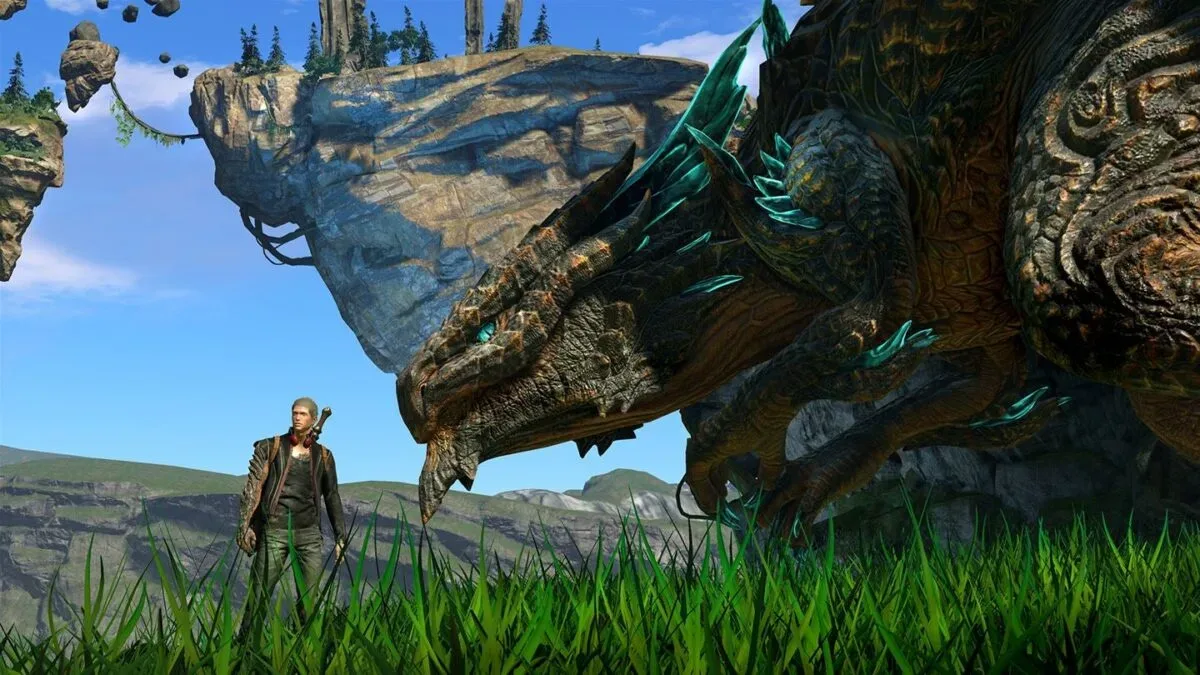
Scalebound was announced as an action RPG in which a human protagonist fought alongside a dragon companion. PlatinumGames was developing it, Microsoft Studios was set to publish it, and Kamiya was leading the game’s direction. Its development lasted roughly four years before Microsoft canceled the title in January 2017.
Its cancellation has endured as a point of fascination because the game had a highly recognizable pitch. PlatinumGames’ action-game pedigree, Kamiya’s involvement, a giant dragon partner, and an Xbox publishing deal gave the project an identity that was easy for fans to remember. Yet memorable concepts do not guarantee that a large-scale game will reach a shippable state. The public still does not have a complete accounting of the exact production issues, financial arrangements, or internal decisions behind the cancellation.
Related coverage includes Hideki Kamiya Pushes Back on Scalebound Funding Claims, Floats Defamation Action.
What has been said publicly complicates any attempt to place the blame entirely on one company or one individual. In 2023, PlatinumGames president and CEO Atsushi Inaba said it had not been easy to watch fans direct anger solely at Microsoft, adding that both sides bore responsibility for the project being canceled. That comment does not provide a full postmortem, but it does undercut the simplistic narrative that a single villain explains everything.
It also provides a more useful frame for discussing the game today. Scalebound is not merely an artifact of a publisher cancellation; it was a collaboration between a studio and platform holder that ultimately did not get over the finish line. That is less satisfying than a rumor with a clear culprit, but it is much closer to the limits of what is publicly established.
Why the Bayonetta 2 theory does not hold up
The specific rumor tying Scalebound funding to Bayonetta 2 asks audiences to accept an extraordinary claim without a documented trail. The two games came from PlatinumGames, but they were associated with different publishing partners. Nintendo published Bayonetta 2, while Microsoft Studios was preparing to publish Scalebound. Shared developer history is not evidence that one project’s money was moved into another.
Game development financing is not usually transparent enough for the public to reconstruct from promotional timelines or platform rivalries. It is therefore reasonable to ask questions about a long-canceled game, especially one that had been shown publicly. It is not reasonable to turn speculation into an accusation of theft without credible evidence.
Fans may also be connecting the projects because both have become symbols of intense platform loyalty. Bayonetta 2 arrived as a Nintendo-published release after the original game appeared across multiple platforms, while Scalebound became one of the most prominent Xbox cancellations of its era. Those histories invite arguments online, but they do not establish a financial relationship between the two productions.
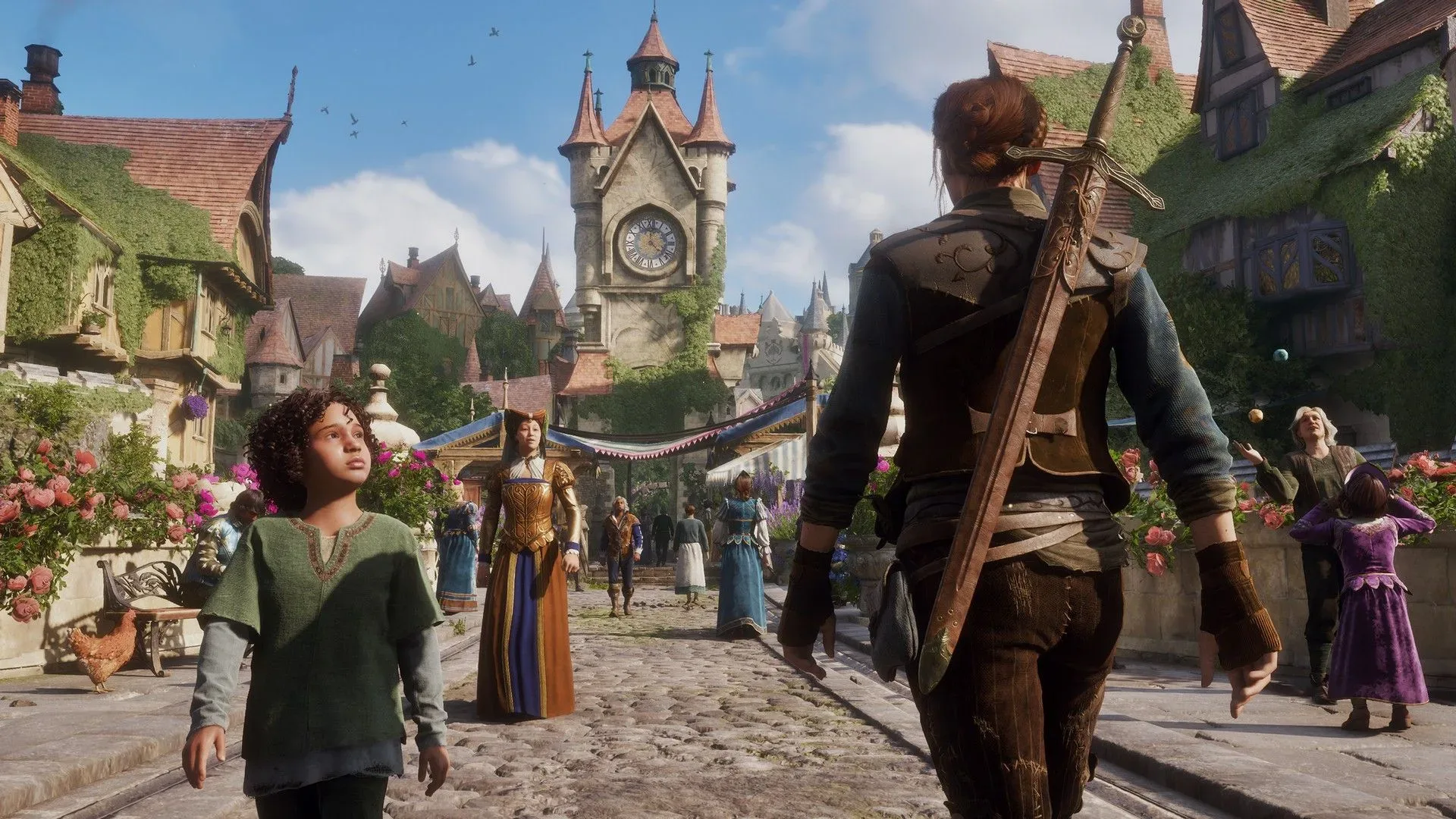
Xbox’s current and future lineup remains its own moving target, from returning series to new concepts such as the latest look at Fable’s version of Albion. That changing landscape may help explain why dormant projects remain so alluring: every major release rekindles the thought that an older, unfinished idea might somehow get another turn. But wishful thinking is still different from a formal revival plan.
Kamiya’s current position and Clovers
Kamiya is no longer at PlatinumGames. He left the company and joined Clovers in 2023. That means any genuine attempt to revive Scalebound would be more complicated than a director simply deciding to reopen an old folder. Microsoft, PlatinumGames, Kamiya, and other relevant rights holders or partners would all have practical and contractual questions to resolve. None of those conversations has been publicly confirmed as producing a deal.
Still, Kamiya’s continued enthusiasm is notable. Many canceled games are quietly left behind as the people who made them take on new roles and new priorities. Here, the director has repeatedly conveyed that he remains receptive to completing the concept. That does not mean a revival is imminent, nor does it establish that the original version could simply resume where it stopped. After nearly a decade, a renewed project could require a new team structure, redesigned technology, altered scope, and an entirely different production schedule.
For now, the concrete developments are narrower: Kamiya has denied the funding narrative in emphatic terms, has floated defamation action against users repeating it, and has again said he would like to make Scalebound happen if Xbox wants it. The rest remains unresolved.
A reminder about canceled-game discourse
There is a natural frustration in seeing a promising game disappear. Fans invest in trailers, concepts, creators, and the possibility of a game that never arrives. But that disappointment should not become permission to accuse a developer of financial misconduct absent evidence. The cost is not just a noisier timeline. Such claims can damage reputations and replace the complicated reality of game production with a story that is easier to share than to substantiate.
Scalebound remains a fascinating what-if: a high-profile PlatinumGames action RPG, intended for Xbox, canceled before release, and still openly desired by its former director. The desire for clarity around what happened is understandable. Based on what is publicly known, though, the story is a failed collaboration with shared responsibility—not proof that Kamiya stole its budget to fund another game.