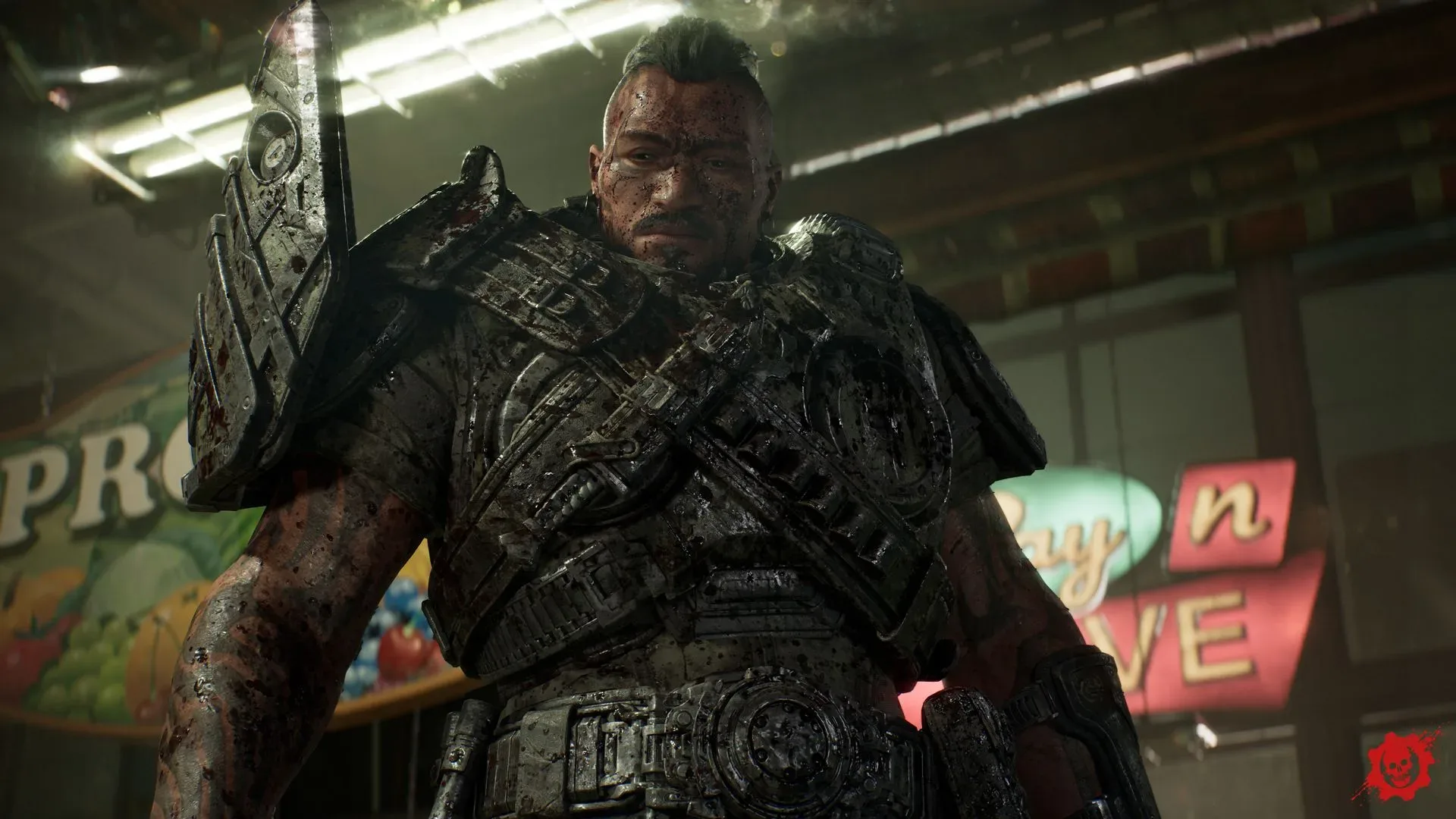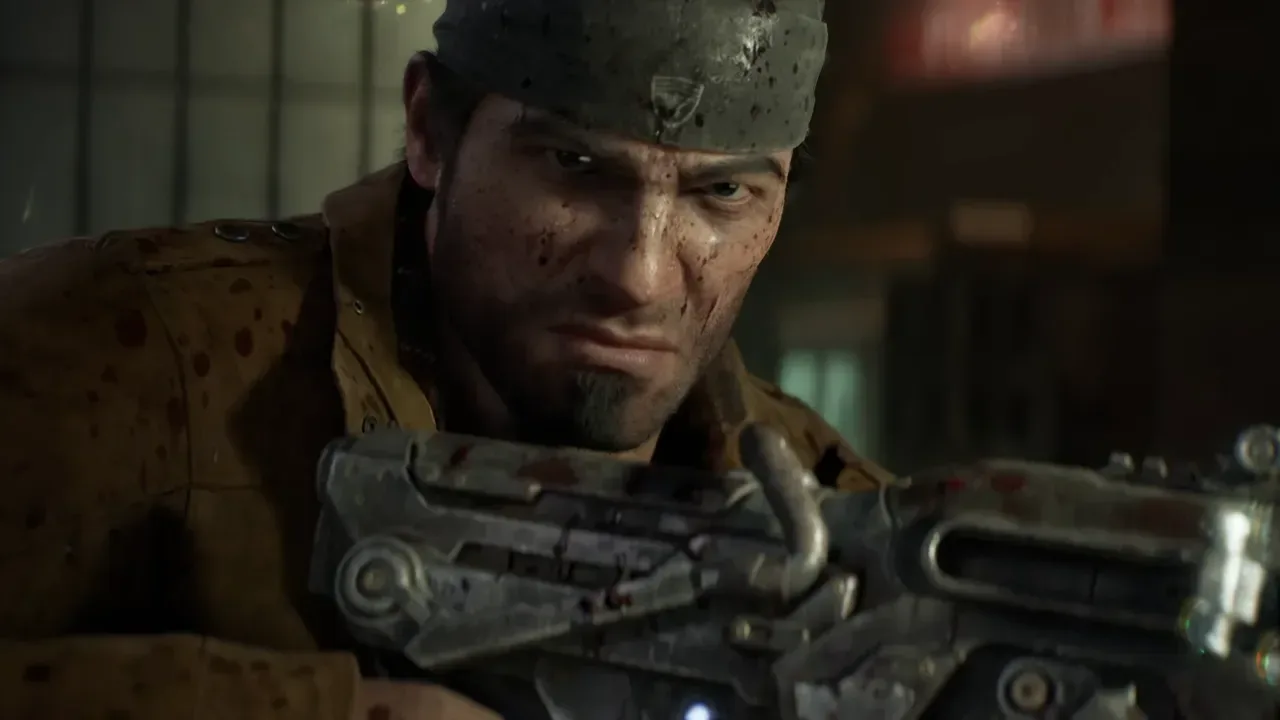
Gears of War: E-Day has reportedly sold more than 400,000 copies across console and PC about a month after launch, a number that looks modest in isolation for a high-profile series release. Yet the available estimates point to a much larger audience—one shaped by day-one Game Pass access and a paid Premium Edition Upgrade rather than conventional full-game purchases.
That distinction is the entire story. A direct sale is easy to count: one customer buys one copy. A subscription launch is different. A player may enter through an existing Game Pass membership, subscribe specifically to play, pay for early access, buy a Premium upgrade, or purchase the game outright on one of several platforms. Those routes can all generate value, but they do not appear in the same unit-sales column.
The reported 400,000-plus total is not an official figure from Xbox or the game’s publisher. It is an estimate attributed to a person familiar with the sales picture, so it should be treated as a useful but unverified snapshot rather than a final commercial result. Still, it becomes more meaningful alongside separate estimates of Game Pass activity and upgrade purchases.
Why 400,000 direct copies is only one part of E-Day’s launch
E-Day arrived in Game Pass on its release day. That means a subscriber could play without purchasing a standalone copy, assuming their subscription covered access. The game also offered a $30 Premium Edition Upgrade that granted early access five days before the full release.
In practical terms, the upgrade model separates access to the game from ownership of the base game. A Game Pass subscriber may have decided that the subscription was enough, while another may have paid the upgrade fee for the earlier start and Premium benefits. Neither decision necessarily creates a full-game sale, even though both reflect spending or engagement connected to the release.
Market-analysis estimates published on October 9 put the number of players who accessed E-Day through Game Pass at roughly 1.7 million. The same analysis estimated that about 722,000 players paid for the Premium upgrade and that a further 250,000 Premium upgrades were prompted between October 1 and the game’s October 6 full release. The analysis therefore suggested that nearly 950,000 people paid for E-Day in some form, even if they did not buy a conventional copy.
Those figures are estimates as well, not disclosed platform data. They should not be added together carelessly with the reported 400,000 sales, either: the groups may overlap, and the supplied estimates describe different kinds of transactions and access. What they do illustrate is the substantial gap between a title’s direct unit sales and the wider number of people spending money or playing within a subscription ecosystem.
Premium upgrades may be the clearest signal in the data
One notable estimate from the analysis was that E-Day sold 62,000 copies on Xbox compared with 722,000 Premium upgrades. Put another way, the estimate suggested nearly 12 Game Pass upgrades for every outright Xbox copy sold during the measured period.
Related coverage includes Gears of War: E-Day Reportedly Tops 400,000 Direct Sales as Game Pass Usage Dominates.
That ratio should not be read as proof that players rejected the game. Instead, it suggests that the game’s release structure strongly influenced how customers chose to pay. If someone already has Game Pass, paying for a $30 upgrade can be more appealing than purchasing another full copy—especially when early access is attached. The paid upgrade becomes a way for a subscriber to spend extra on a major launch without abandoning the subscription route.
It also complicates a familiar launch-day question: “How many copies did it sell?” That question remains legitimate, particularly for measuring retail demand and comparing releases with similar business models. But it is less complete for a day-one subscription game. The same player behavior that would once have registered as a standard sale may now be split between an ongoing membership and an add-on purchase.
Key terms behind the E-Day discussion
- Direct sale: A separately purchased game copy. The reported 400,000-plus figure concerns this kind of transaction across console and PC.
- Day-one subscription release: A game made available through a subscription service when it launches, allowing eligible subscribers to play without buying the base game individually.
- Premium upgrade: An add-on purchase for a subscriber or eligible player that can provide Premium Edition content and, in E-Day’s case, early access ahead of the full launch.
- Player count: The number of people who accessed a game. It is not the same as copies sold, because subscribers can play without a direct purchase.
- Revenue: Money generated across sales, upgrades, subscriptions and other arrangements. A high player count or a high upgrade count does not automatically reveal total revenue or profitability.
Critical reception and sales are measuring different things
E-Day launched to strong reviews, including a 9/10 assessment that praised its story campaign and multiplayer offering. Positive critical response can help a game’s visibility and long-term appeal, but it does not dictate which payment method a player chooses.
A subscriber satisfied with the game can still produce zero direct-copy sales. Conversely, someone who buys a copy may never spend on an upgrade. The move to a day-one catalog model means reception, player engagement, direct sales and spending have to be viewed as related but separate measurements.
This is why declaring the reported sales total either an outright failure or an uncomplicated success would go beyond the evidence. The number may be lower than some observers would expect from a major series release, but the Game Pass and Premium-upgrade estimates show that direct sales alone are not a full accounting of the launch.
The analysis estimated that Xbox represented nearly three-quarters of E-Day revenue. That conclusion, like the underlying figures, is an estimate rather than a confirmed financial disclosure. But its logic is straightforward: an Xbox platform where Game Pass access and Premium upgrades are prominent can generate significant spending without a proportional number of standalone game purchases.
The console-exclusivity question matters too
Expectations around platforms may also have affected the sales conversation. Many players had believed E-Day would launch across multiple platforms before Xbox confirmed it as a console exclusive four months before release. The supplied reporting does not establish how that change affected purchases, and it would be speculative to assign a numerical impact.
It does, however, explain why raw cross-platform sales comparisons can be difficult. Platform availability determines who can buy a particular version at launch, while Game Pass determines whether some of those players need to buy it at all. Both conditions shape the direct-sales number before quality or demand enter the equation.
What E-Day’s reported numbers could mean for Game Pass
The E-Day discussion arrives as Game Pass is reportedly being considered for a broader tiered redesign. The described approach could let subscribers choose features such as console-only game add-ons, cloud gaming and multiplayer rather than receiving every feature through a single structure.
No detailed final plan is established in the available information, but E-Day offers a timely example of why feature tiers and upgrades may appeal to platform holders. A service can make a major game easy to access for subscribers while offering paid paths for players who want additional benefits, earlier access or different service features. The economic balance is more complicated than retail sales, but it potentially broadens the ways a release can earn money.
For players, the practical takeaway is equally simple: a game appearing in Game Pass does not necessarily mean there is nothing to buy. Premium upgrades can remain an important option for those who value early access or the higher-tier edition’s extras. For analysts and fans tracking a launch, the corollary is that player totals, upgrade purchases and full-copy sales should not be treated as interchangeable.
Xbox is also navigating a wider restructuring. The company expects 3,200 job losses, and several studios have been divested, including Arkane Lyon. Arkane Lyon has until December 13, 2026, to find a buyer in an effort to preserve its Blade project. Against that backdrop, attention on how Xbox evaluates major releases is likely to remain intense. Related platform-business questions are also surfacing across technology coverage, including recent reporting on Apple TV 4K and OLED iPad mini hardware details.
What we can and cannot conclude now
The clearest conclusion is not that E-Day found only 400,000 customers. It is that more than 400,000 direct copies were reportedly sold, while an estimated 1.7 million players used Game Pass and a large estimated group paid for Premium access. Those are different measures of a launch operating under a different commercial model.
What remains unknown is just as important: official unit sales, verified total revenue, subscription gains attributable to E-Day, retention, operating costs and profitability have not been provided here. Without those details, no outside observer can credibly calculate the game’s financial outcome from the reported figures alone.
E-Day’s launch instead provides a useful reminder for the industry’s increasingly messy scoreboards. The boxed-copy era made one number feel definitive. Subscription services, early-access upgrades and platform exclusivity ensure that the number is now only the opening line.