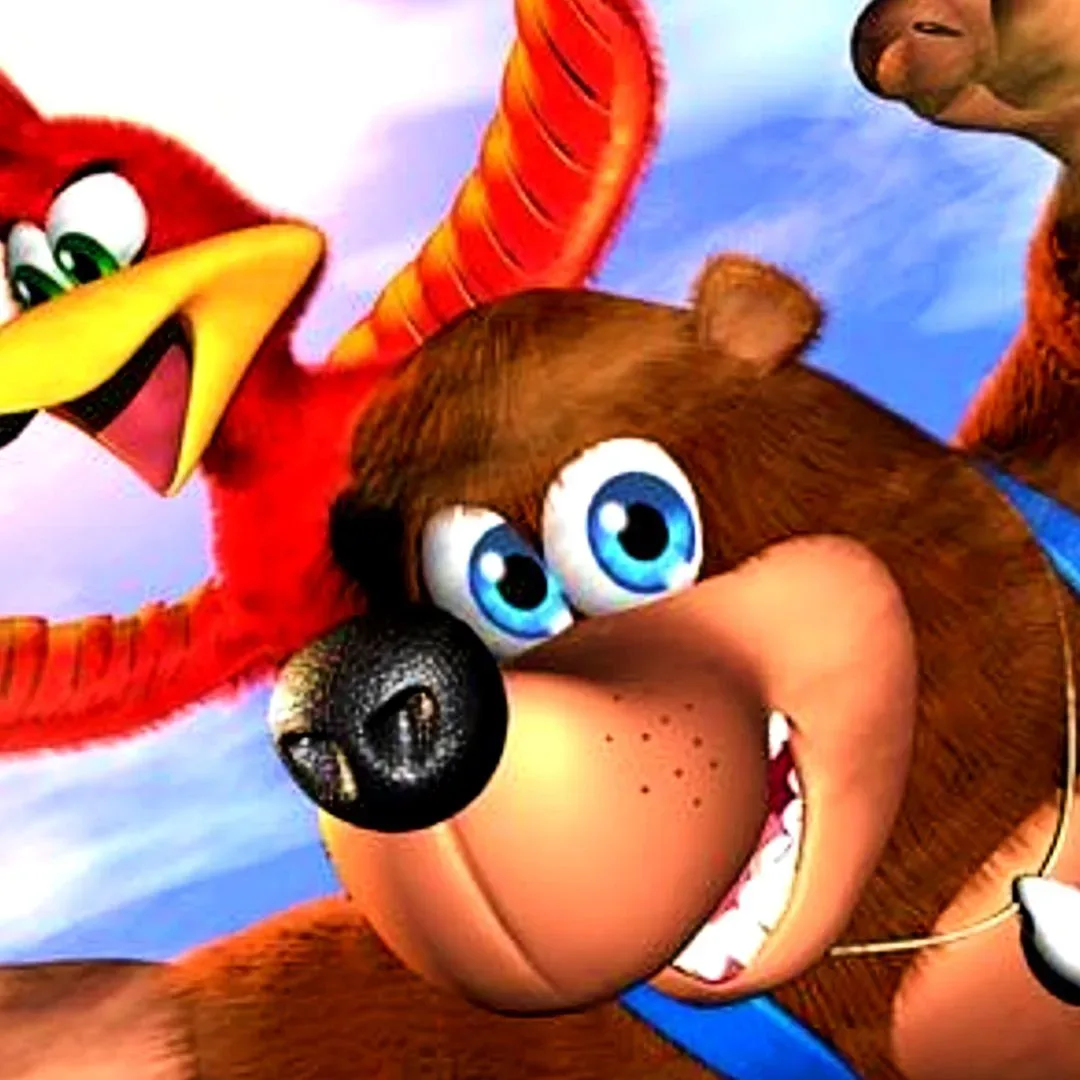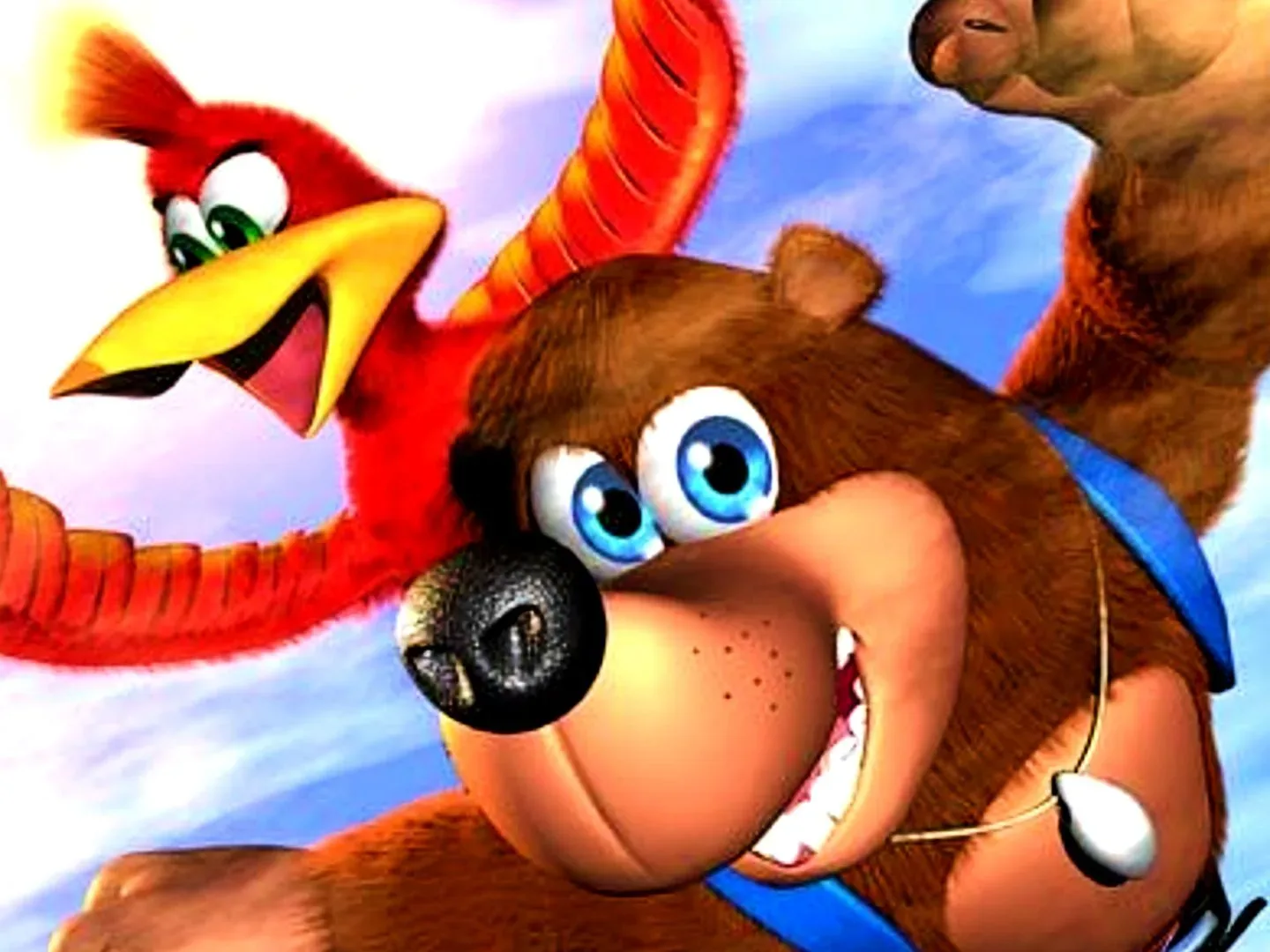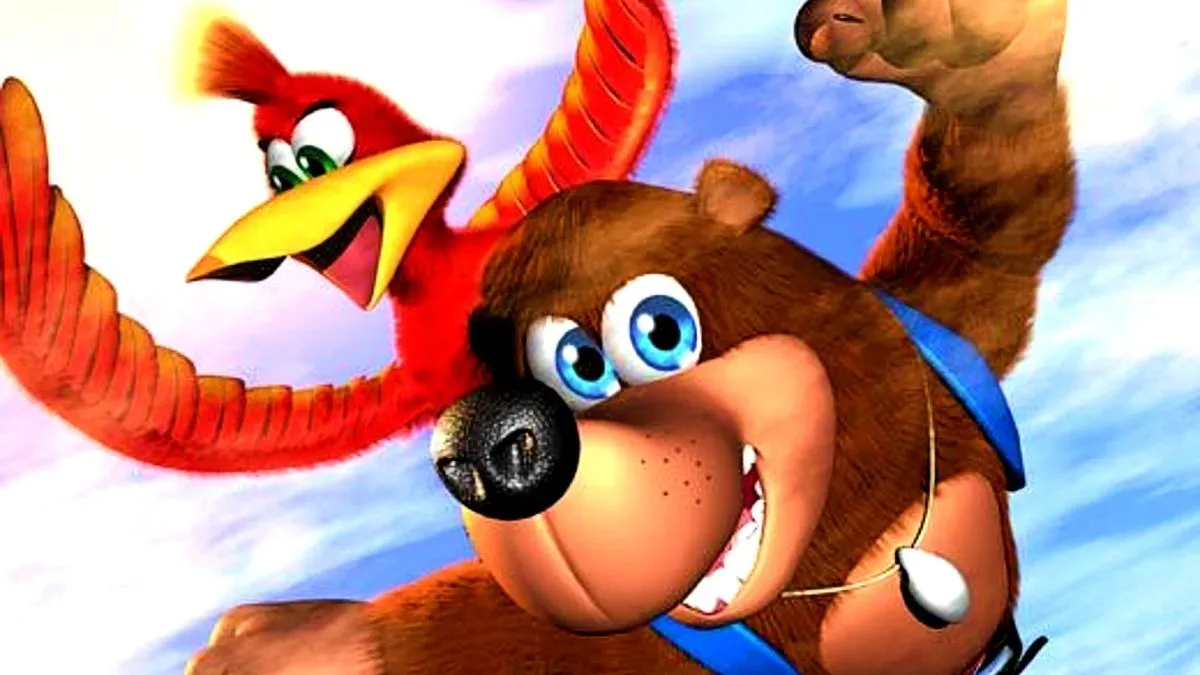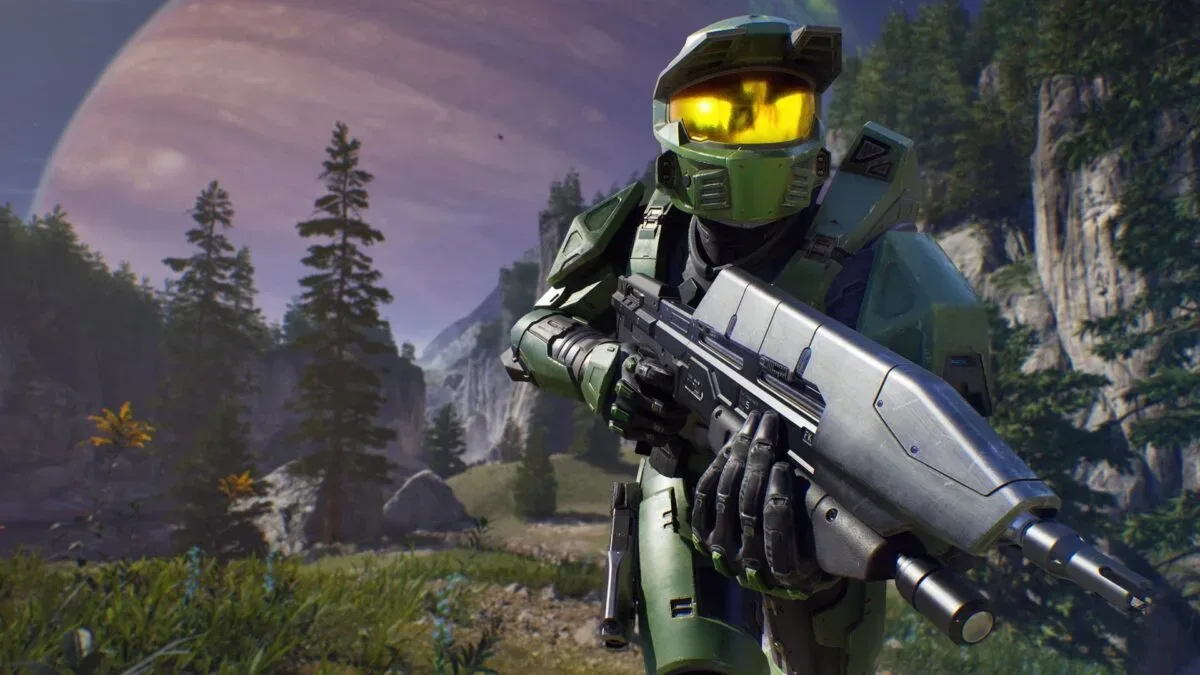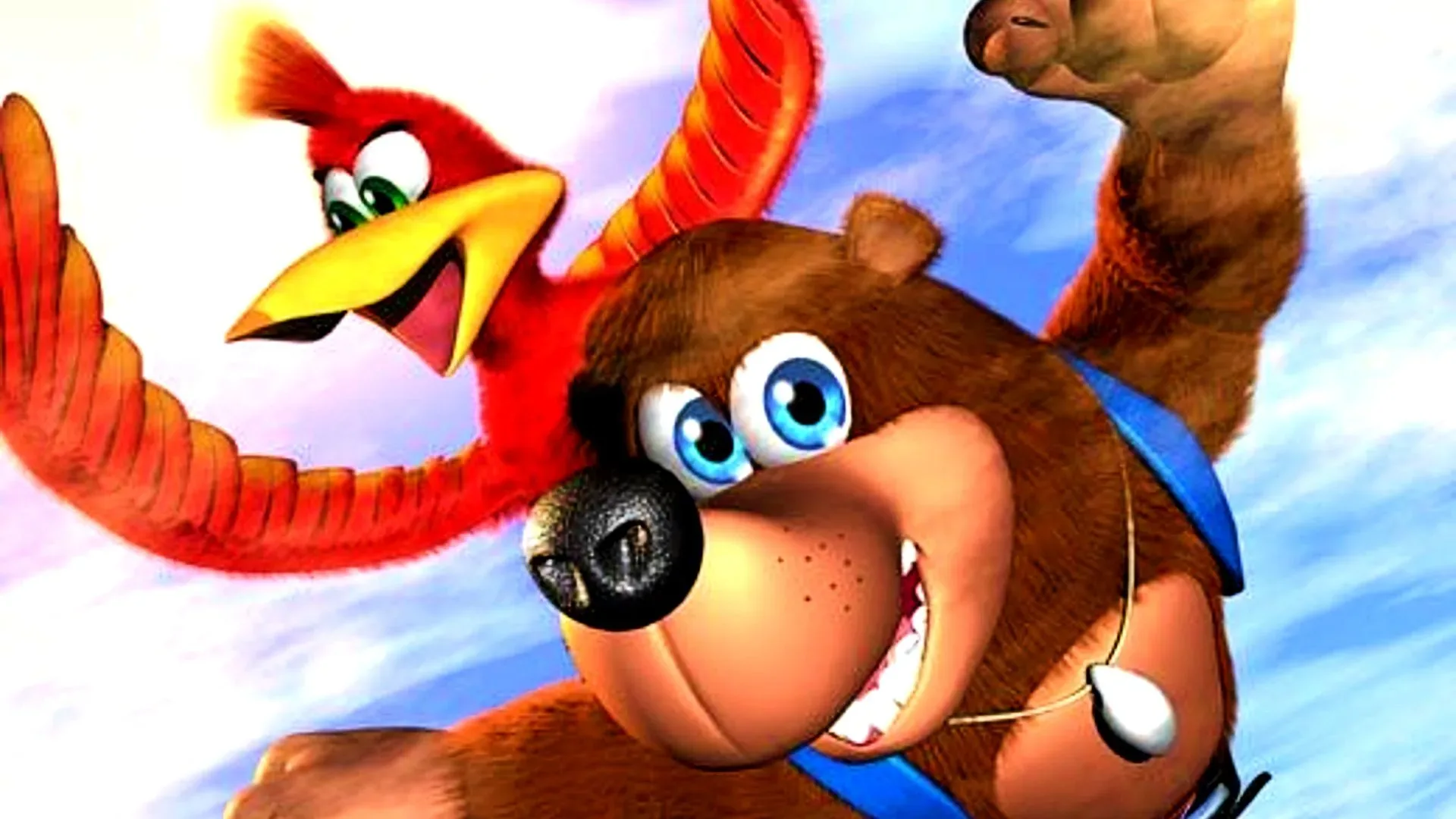
Banjo and Kazooie have reappeared in an unexpected place: an Activision job listing. The posting for a product-management role focused on “emerging” titles lists Banjo-Kazooie among the company’s iconic franchises, alongside Call of Duty, Crash Bandicoot, Spyro the Dragon, Halo, Age of Empires and Sea of Thieves.
The listing also refers to work on an upcoming premium console and PC title. Put those details next to one another and it is easy to understand why Banjo-Kazooie fans are looking closely. But the available wording does not identify the game, its developer, its format, or its release window. There is no announcement of a new Banjo-Kazooie project at this point.
What the listing does establish is that Activision considers Banjo-Kazooie part of a portfolio it is interested in building, growing and shaping. For a series whose last release was 2008’s Banjo-Kazooie: Nuts & Bolts on Xbox 360, that acknowledgement is meaningful—even if it remains a long way from a reveal trailer with a bear, a bird and an inexplicably rude talking backpack.
What the job listing actually says
The position is described as a product-management role for emerging titles. In games publishing, product management generally concerns the commercial and strategic side of a game or franchise: defining audiences, supporting plans for growth, coordinating across teams, examining market opportunities and helping direct how a product is positioned. It should not automatically be read as a vacancy on a specific game’s development team.
That distinction matters. A listing that references several franchises can indicate broad portfolio work rather than a separate game in active production for each name mentioned. Call of Duty, Crash Bandicoot, Spyro, Halo, Age of Empires, Sea of Thieves and Banjo-Kazooie all appear in the same framing. The language signals a group of properties that may be under consideration or managed together, not a one-to-one confirmation that every listed series has a new release underway.
Likewise, “premium” is an industry label rather than a detailed description. It commonly separates a conventional paid game for console and PC from free-to-play products, but it does not tell fans whether the title in question is a platformer, a remake, a collection, a spin-off or a completely unrelated game. The job listing leaves all of those points unresolved.
The most defensible reading is simple: Banjo-Kazooie is being named as a valuable franchise within Activision’s wider portfolio. Anything beyond that—including a direct connection to the unnamed premium console and PC title—is speculation.
Why Banjo-Kazooie’s inclusion has drawn attention
Banjo-Kazooie is one of Rare’s best-known properties. The studio’s history includes games and franchises such as Donkey Kong Country, GoldenEye 007, Sea of Thieves and Banjo-Kazooie itself. Following Microsoft’s plans to cut 3,200 Xbox employees, Activision took control of Rare, putting the publisher in a more direct position concerning Rare’s catalogue of intellectual property.
Related coverage includes Activision Job Listing Mentions Banjo-Kazooie Alongside an Upcoming Console and PC Game.
Intellectual property, often shortened to IP, means the protected creative asset behind a game: its name, characters, setting and associated brand identity. Owning or managing an IP does not necessarily mean a company will make a sequel. It does, however, mean the company can assess possibilities ranging from new entries to remasters, licensing, crossovers or other commercial uses.
Banjo-Kazooie carries an especially conspicuous gap in its release history. Nuts & Bolts arrived roughly 18 years ago. That game took the series in a vehicle-building direction rather than simply delivering a direct return to the style associated with the earlier adventures. With no more recent series installment identified here, even a brief appearance in a corporate hiring post naturally becomes a point of interest for an audience that has had very little official movement to dissect.
The listing’s use of “emerging” also creates room for interpretation. In ordinary language, the term can mean something new or growing. In this context, it may refer to a business effort to develop franchises outside the most regularly released pillars of the catalogue. That could make Banjo-Kazooie a plausible fit. Yet it remains unclear whether “emerging” applies to every franchise named, a particular group of initiatives, or simply the remit of the team being hired.
A potentially encouraging signal, not a project announcement
There are several reasons fans may see the listing as a positive development without treating it as proof.
- Banjo-Kazooie is explicitly named. It is not being inferred from an old trademark or a vague hint; the franchise appears in a current description of Activision’s portfolio.
- The position concerns franchise growth. That makes the reference more notable than a generic historical rundown of acquired brands.
- The company is also talking about a future premium release. A console-and-PC project is clearly in the picture somewhere, though its identity is not disclosed.
- The series has been dormant for a long time. Any indication that it is being considered within a strategic portfolio will attract attention after the long interval since Nuts & Bolts.
None of those points changes the fundamental limitation: the listing never says that Banjo-Kazooie is the premium title. It does not say a sequel exists. It does not say a remake is in development. It does not even identify which of the named properties the role will support at a project level.
That is more than cautious wording for its own sake. The franchises in the listing have very different present-day situations. Call of Duty is a frequent release series. Crash Bandicoot has had more recent games. Spyro is identified as having another entry, A Realm Beyond, on the way. The shared list is broad enough that it cannot reasonably be treated as a secret lineup of imminent games.
The remake question is open, but unsupported
A remake is one of the possibilities fans have discussed, particularly because remakes have been common across major game catalogues in recent years. But the job description supplies no evidence that this is Activision’s plan for Banjo-Kazooie.
It is useful to separate the terms that often get bundled together in speculation:
- Remake: a game rebuilt substantially, often with new technology and potentially revised systems or design.
- Remaster: an existing game enhanced or updated, usually while preserving its original structure more closely.
- Reboot: a new starting point for a franchise that may reinterpret its characters, story or gameplay identity.
- New entry: a sequel or fresh installment that continues a series without necessarily remaking its past.
At present, the listing does not support choosing among any of those options. Fans hoping for a modern platforming sequel and fans hoping for a refreshed version of the original games are both working from the same small clue.
There is also previous context suggesting interest in the franchise has existed beyond this job posting. A Banjo-Kazooie composer has said that roughly three companies had pitched a new entry, but that Rare generally declined such proposals. That comment does not establish that any specific pitch is active now, nor does it reveal what Activision intends to do. It does illustrate that the idea of reviving Banjo-Kazooie has not been absent from industry conversations.
What Activision’s role could mean
The change in Rare’s management is central to why this listing is being read so closely. Activision now has control of the studio behind Banjo-Kazooie and has publicly grouped the property with its broader set of recognizable brands. For fans, that can feel like a new decision-making era for a series that has spent years without a confirmed new installment.
There are practical reasons to keep expectations measured. Management control and franchise planning are not the same as a greenlit project. A game needs a concept, a team, schedules, resources and a plan for where it fits within a publisher’s release strategy. None of that information appears in the available material. Nor is there any indication that Rare itself is making a Banjo-Kazooie game, that another studio is attached, or that the unnamed console-and-PC project belongs to this franchise.
The platform language is worth parsing, too. “Console and PC” provides only a general target for an upcoming premium game. It should not be used to infer a particular console, launch arrangement, subscription offering or technical specification. Readers interested in the practical PC side of future releases can find broader setup help in this guide on pairing Bluetooth headphones with a Windows 11 PC, but there is no hardware guidance or Banjo-Kazooie platform detail in the listing itself.
What to watch for next
The next meaningful sign would be something more specific than a portfolio reference: a formal game announcement, a named studio, a trailer, a platform list, or a direct statement tying Banjo-Kazooie to a particular project. Until one of those emerges, the job listing is best viewed as an intriguing business signal rather than a promise.
Still, language matters. After nearly two decades since Nuts & Bolts, Banjo-Kazooie being called out alongside actively managed flagship franchises gives fans a legitimate reason to pay attention. It suggests the bear-and-bird duo have not been forgotten in the shuffle of corporate ownership and portfolio planning. Whether that attention leads to a remake, a new adventure, another kind of project, or no game at all is the unanswered part.