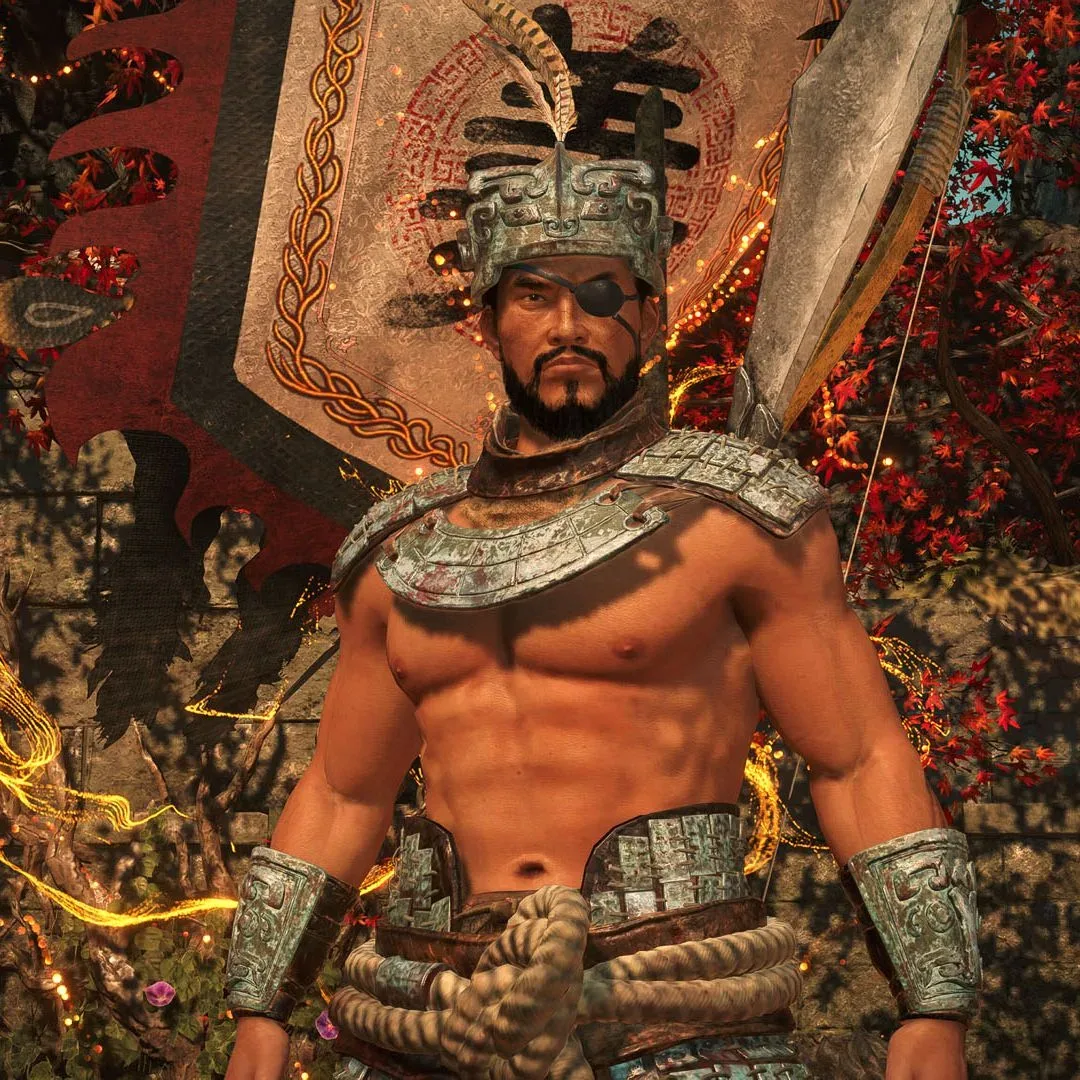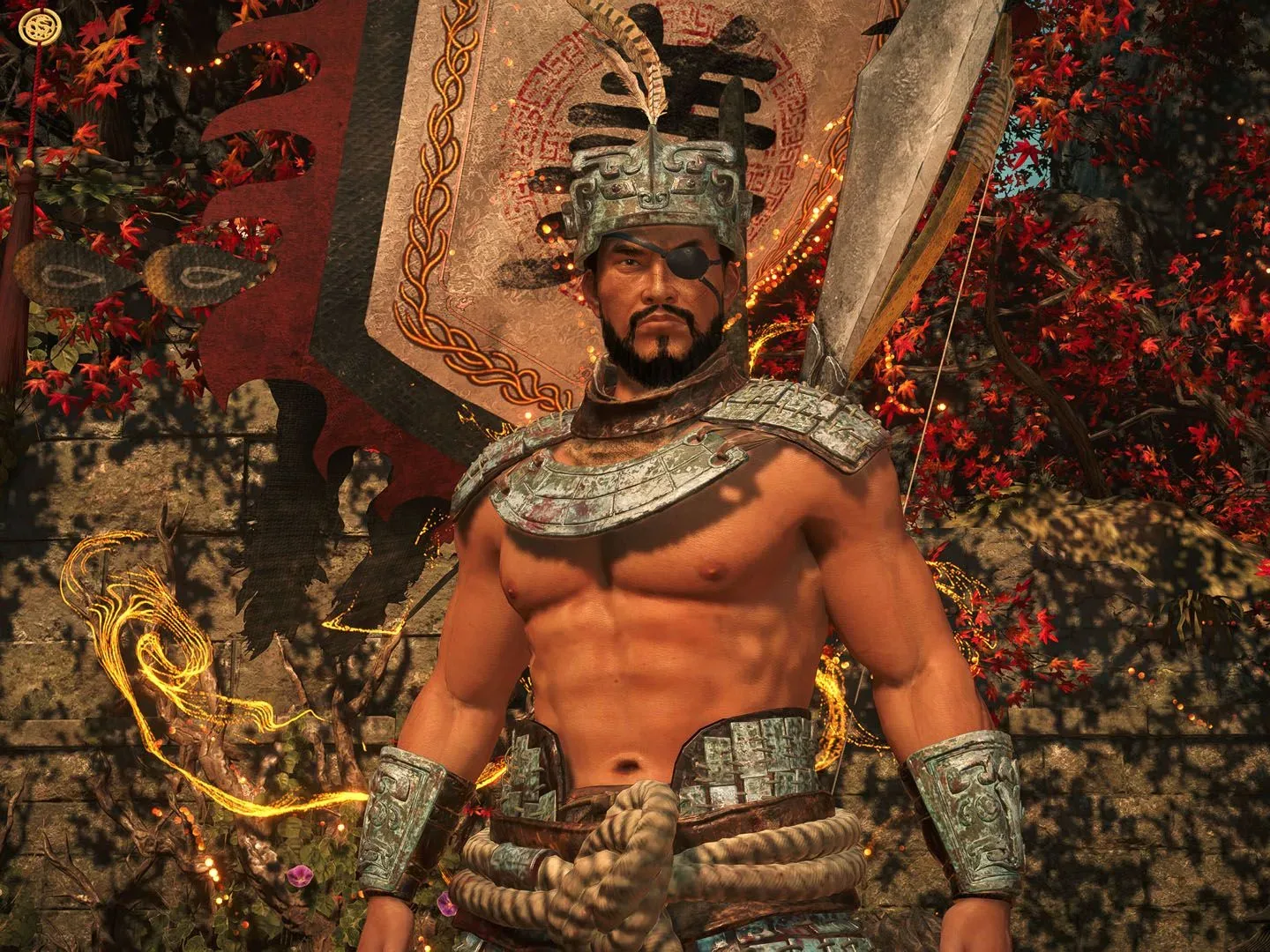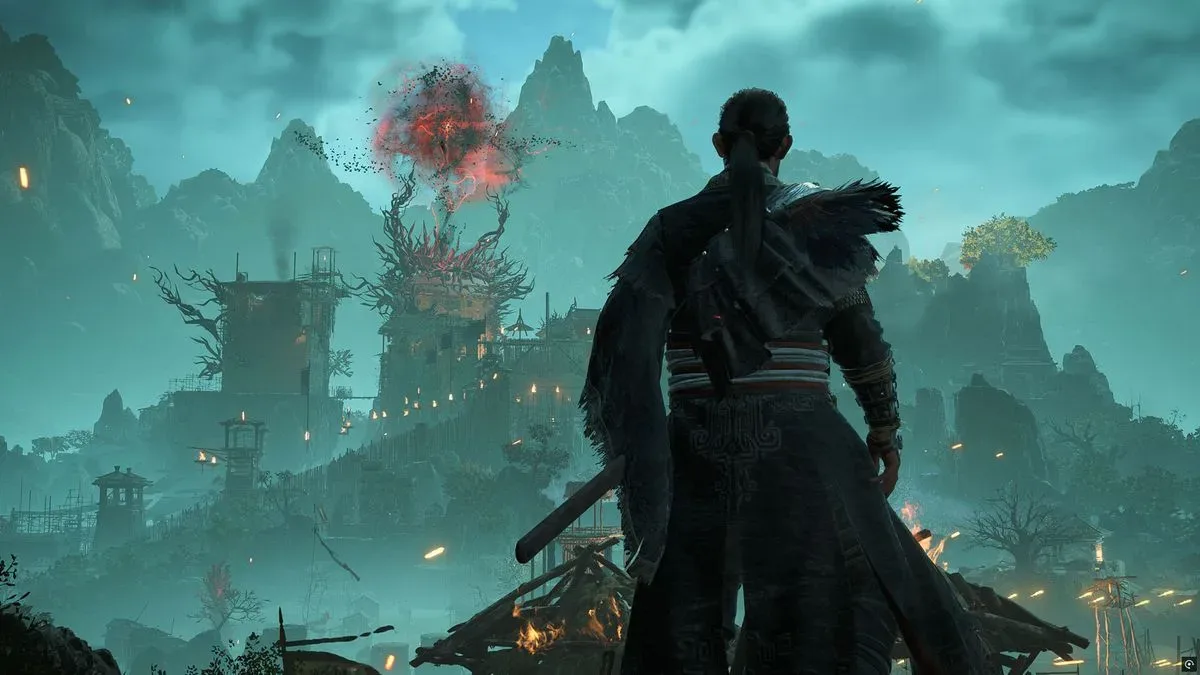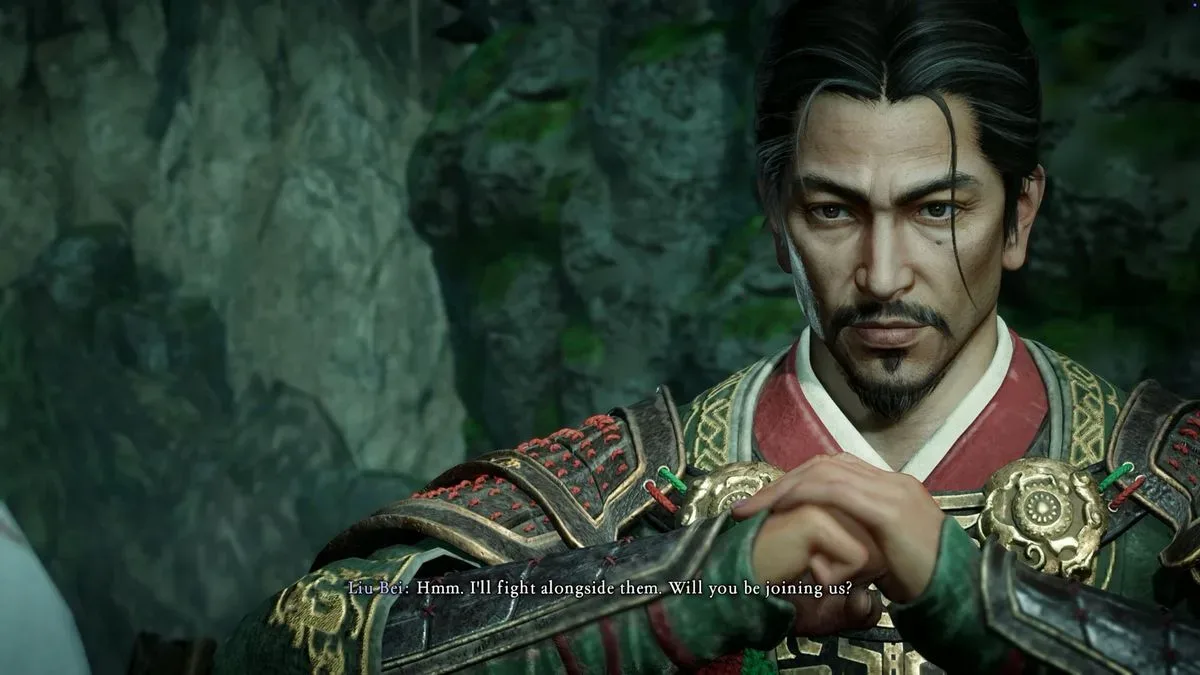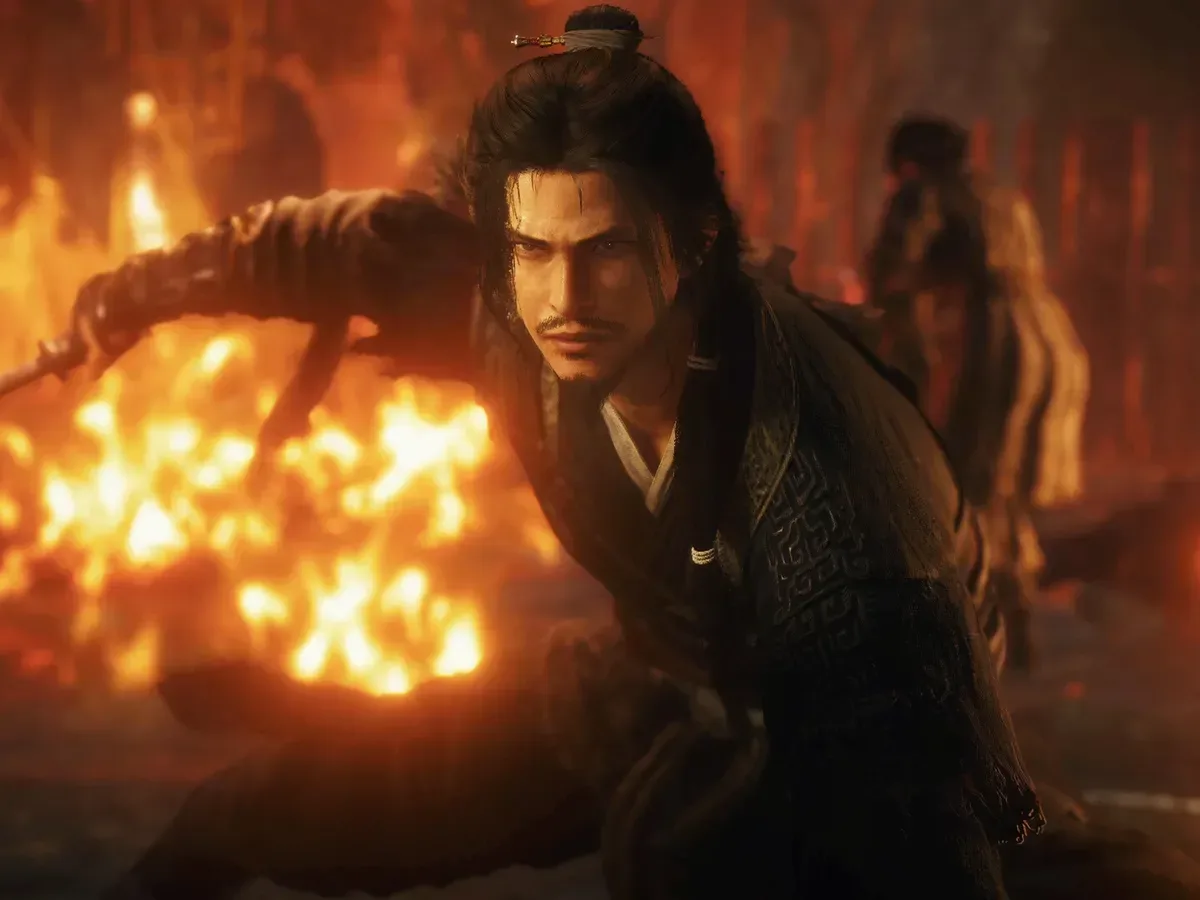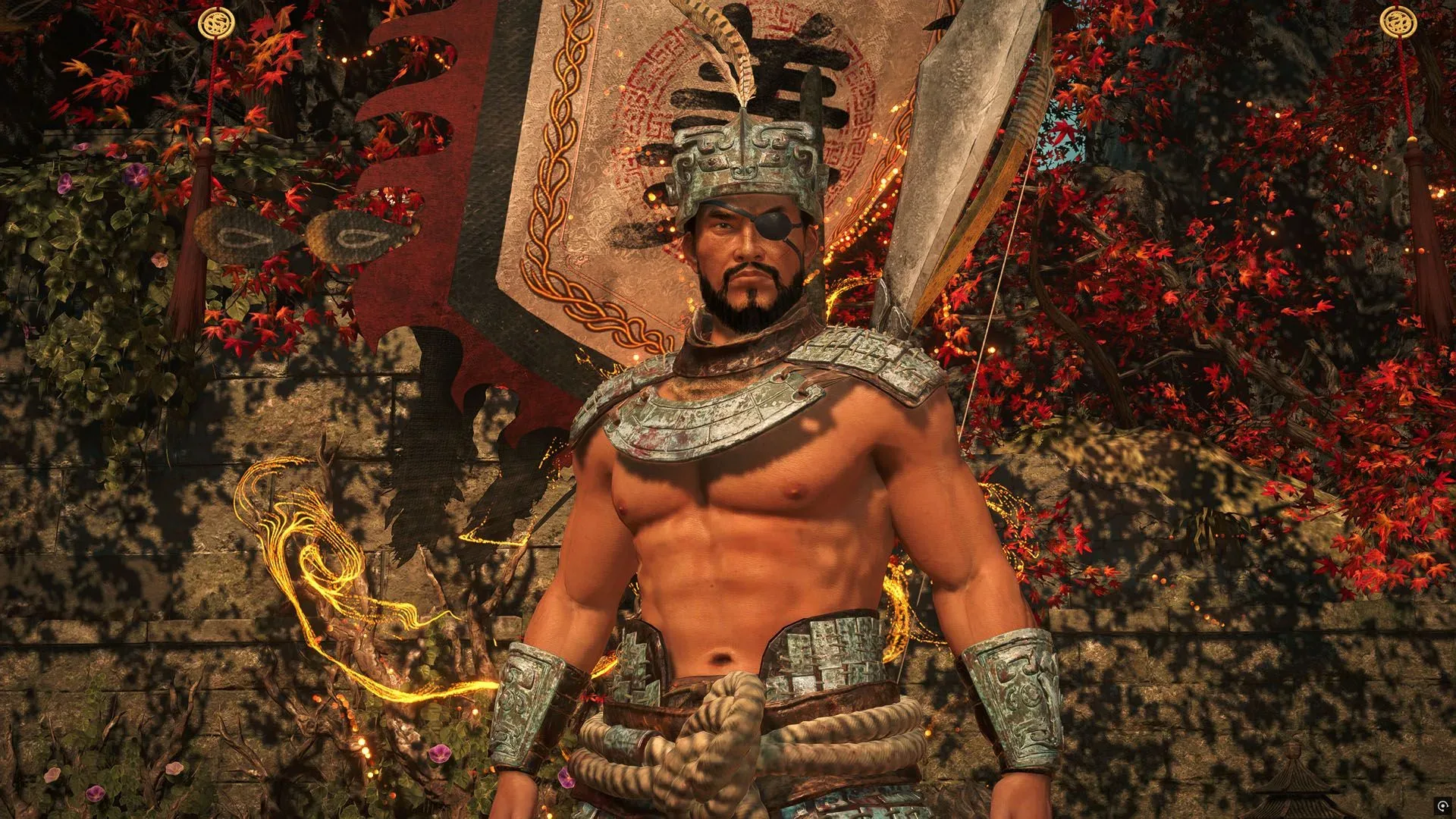
Wo Long 2: Wings of Ember appears to be taking Team Ninja’s demon-haunted Three Kingdoms action into larger, more strategically shaped missions without abandoning the exacting combat at the series’ core. A playable mission set during the lead-up to the Three Kingdoms conflict frames the player’s advance alongside Liu Bei’s forces toward Cao Cao’s fortress, but the important change is not merely that the map is wider. It is that progress across the battlefield seems designed to matter.
Instead of presenting a linear march from one major encounter to the next, the mission is built as a compact open battlefield with enemy camps, a threatened village, occupied religious sites, ruins and alternate approaches to the objective. Players can choose routes, uncover optional dangers, establish positions and create shortcuts. The result sounds less like a conventional open world full of disconnected errands and more like a contested space where exploration can actively tilt the campaign.
That distinction will matter to players who enjoyed the first game’s aggressive deflection-led duels but wanted a stronger sense of place around them. The sequel retains recognizable Soulslike ideas—experience loss on death, dangerous enemies and checkpoints—but attaches them to a morale and territory structure intended to make an army’s advance feel tangible. The open-battlefield approach is therefore more than a change in map scale: it is the framework connecting combat, side activities and risk management.
Morale is the campaign’s momentum meter
The returning morale system is the clearest expression of that design. Morale is mission-specific and affects the power of the player and allied forces. Facing opponents with significantly higher morale is naturally hazardous, while raising one’s own side makes those confrontations more manageable. In Wings of Ember, morale is not just an individual statistic earned through kills. It is tied to the state of the battlefield.
For more context, explore Control Resonant Combo Finishers: Concussive Beatdown or Wide Edge?.
Raising banners, removing enemy camps and completing short side objectives can improve a faction’s control of the surrounding no-man’s-land while diminishing the enemy’s standing. Some control points are evident, while others must be discovered—such as supernatural threats hidden away from the obvious route. Strategy maps found during a mission can also add locations to the player’s map, making information itself part of the push forward.
There is still a penalty for failure. Dying costs accumulated morale levels and unspent experience, with a single chance to recover what was lost. However, the broader battlefield upgrades remain in place. Individual areas can establish a higher minimum morale and increase the maximum, so a death does not erase the work used to secure territory. That is a meaningful variation on the usual Soulslike recovery loop. It preserves tension in a bad encounter while allowing the player to retain the strategic progress that made an area safer in the first place.
In practical terms, the system should reward methodical players without requiring everyone to clear every marker. Someone can rush directly toward the main objective and accept a steeper combat challenge. Another player can dismantle camps, raise banners and take on optional foes before revisiting hostile areas with better odds. Crucially, conquered ground is not described as reverting simply because the player moves on. The enemy does not reclaim morale after each advance, which helps make the mission’s progress feel permanent rather than cyclical.
Routes have tactical consequences, not just collectible detours
The mission’s ancient ruins illustrate the kind of branching structure Wings of Ember is pursuing. Clearing an enemy position along the ruins’ walls permits a banner to be raised, a commander to be deployed for an additional boost and ladders to be kicked down as shortcuts. Descending further into the ruins is optional, but leads to supernatural enemies, a large loot chest and a mini-boss whose defeat grants another morale advantage.
Alternatively, players can bypass that section and press toward another exit. A spiraling tower offers a different path toward the enemy fortress, allowing an approach that can outflank the main gates and help more allied troops enter. These examples suggest routes are meant to be decisions about safety, reward and positioning rather than cosmetic variations that reconnect immediately.
Fast travel between banners is available at any time, making it easier to return to unfinished threads or relocate across the map. Not every checkpoint serves every function, however: some cannot be used to level up or deploy allies. That limitation could help preserve a reason to think about which banner functions as a real operational base rather than treating every discovered point as identical.
There is a possible trade-off. Wider environments can introduce stretches of travel between fights, and the mission reportedly has moments where the run back to action feels longer than ideal. Whether the new scope consistently earns that extra movement will depend on how dense missions are and how useful their routes remain over repeat visits. The territory system gives those spaces a purpose, but it cannot entirely remove the need for satisfying pacing.
Spirit remains a fight-by-fight wager
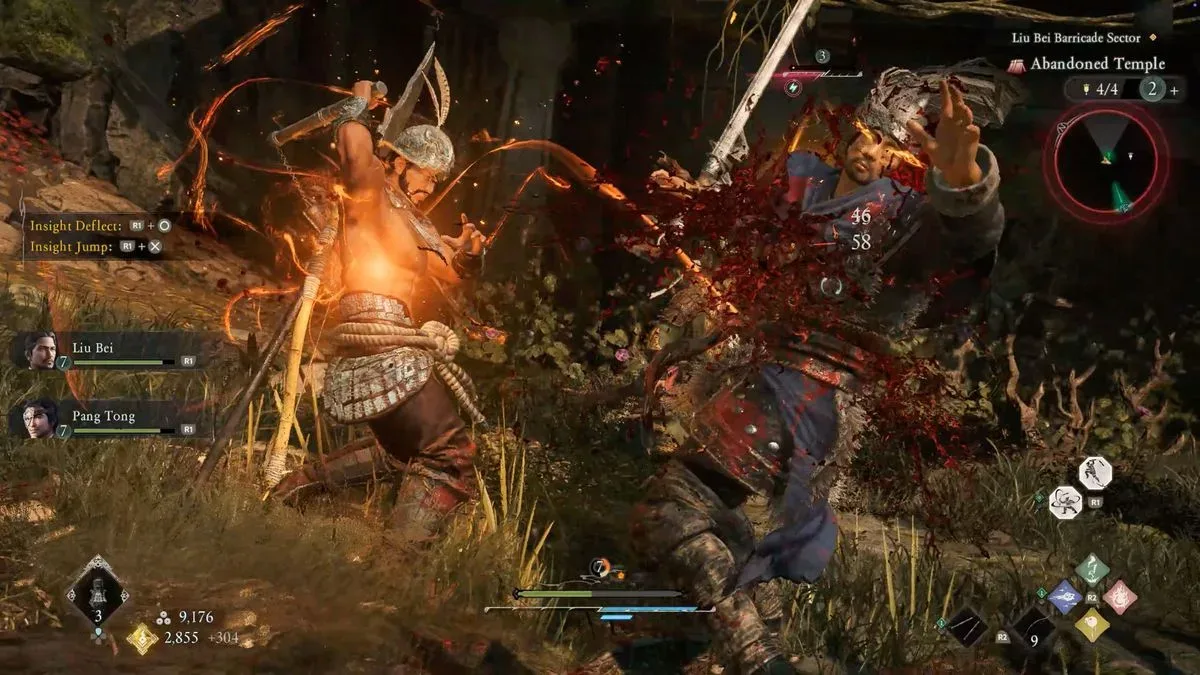
Combat still revolves around Spirit, Wo Long’s distinctive take on stamina. Rather than a conventional meter that drains with actions and slowly refills, Spirit is a balance line with a neutral midpoint. Clean offensive play pushes it into a favorable blue state. Taking pressure or giving ground drives it toward red, increasing the danger of being staggered.
The arrangement makes every exchange a momentum contest. Players can spend Spirit on more ambitious techniques, potentially pushing themselves toward the red, then attempt to recover that ground through precise attacks or deflections before the enemy capitalizes. It is a resource system that invites aggression but asks players to understand the debt they are taking on. A powerful move is not automatically a good choice just because it is available; it must fit the immediate rhythm of the duel.
Deflection remains a major way to swing that rhythm. Redirecting an incoming strike moves both combatants and produces significant Spirit gains, offering the kind of sharp timing payoff that defined the original game. Yet Wings of Ember seems less narrowly dependent on parries than its predecessor. Allies, weapons, magic and martial arts can all contribute to controlling a battle, meaning a clean deflect may be ideal without being the only credible plan.
That broader toolkit begins with two equipped weapons. A fast nunchuck-like flail can pressure enemies and disrupt their balance, while a spear supplies reach when spacing demands it. Elemental magic can enhance equipment or attack from range with projectiles such as fireballs and icicles. Martial arts consume Spirit in the middle of combos and are used to wear down an enemy’s stagger bar, opening the way for a flashy finishing attack.
Stagger, in this context, is the vulnerability created when an enemy’s ability to withstand pressure has been depleted. Spirit management, weapon choice and martial-arts timing all feed into creating that opening. The effect is a combat system with several overlapping layers: player Spirit determines personal risk, enemy stagger measures the chance to force a decisive opening, and battlefield morale establishes the larger balance of power before the duel even begins.
There are also upgrades with a more mischievous side. One ability lets players kick demonic minions away like footballs, an appropriately rude punctuation mark for a game otherwise concerned with military momentum and ancient warlords.
Loot, allies and a very relaxed panda recycler
Loot remains an important motivator. Enemies and prominent chests can provide gear with assorted statistics and buffs, while the ability to carry two weapons gives equipment finds an immediate tactical use. The game also introduces a notably whimsical disposal route for unwanted gear: baby panda creatures can be given surplus equipment in exchange for an accessory of comparable rarity, after which the panda promptly falls asleep.
The mechanic is not just a joke about feeding swords to wildlife. It appears to offer a way to reroll excess inventory into a different equipment slot while maintaining a roughly similar tier of value. For players inclined to try many weapon setups, that may make duplicate or outdated gear feel less disposable. The full limits of the exchange system are not yet clear, so it would be premature to assume it will solve every inventory-management problem, but the concept is memorable enough that it may become the sequel’s most endearing loot feature.
Allied forces also seem more central to the sequel’s identity. Liu Bei accompanies the player during the demonstrated mission, and control points can support commander deployment. Combined with morale boosts that benefit allies as well as the player, those mechanics aim to sell the premise of pushing a front line forward rather than being a lone warrior who happens to pass through an army.
What this evolution could mean for Wo Long
Team Ninja is also developing Nioh 3, another series entry moving toward more open action spaces, but Wings of Ember’s battlefield control structure gives Wo Long a clearly different angle. Its supernatural interpretation of Chinese warfare, familiar historical figures and momentum-based fighting already separated it from the studio’s Japanese-history action games. Building missions around shifting morale, banners, side routes and allied advances could give the sequel an identity beyond simply “the bigger Wo Long.”
The potential concern is that the first game’s best encounters often made mastery of deflection feel indispensable. Wings of Ember’s additional options may make combat more inviting and expressive, particularly in group fights, but the balance will need to ensure that precision still feels rewarding rather than optional window dressing. The reported mission suggests both approaches can coexist: parries remain a high-value way to reclaim Spirit and reposition enemies, while weapons, allies and magic provide answers when a clean one-on-one exchange is not what the battlefield offers.
Wo Long 2: Wings of Ember is listed for PC, PlayStation 5, Xbox Series X and Nintendo Switch 2, with a March 4, 2027 release date. Based on the demonstrated mission, the sequel’s most promising idea is not simply greater openness. It is the attempt to make every cleared camp, raised banner, shortcut and hard-won duel part of a visible advance—one where momentum is earned at the scale of both a single blade clash and an entire demonic war.