Diablo 5 is officially on the horizon, with a Spring 2029 release window attached to Blizzard’s next mainline action RPG. Revealed during BlizzCon 2026, the game will move the series forward by an enormous in-universe leap: its story is set 100 years after the events of Diablo 4. A teaser also confirms the return of the Lord of Terror, placing the franchise’s defining evil back at the center of Sanctuary’s next catastrophe.
That is a long wait in real-world terms, too. The planned 2029 arrival comes six years after Diablo 4, and more than 30 years after the original Diablo established the series’ grim, loot-laden vision of demon-slaying dungeon crawls. For a franchise built around recurring darkness, ruined civilizations, and the stubborn mortals who insist on fighting anyway, a century-long narrative jump creates room for a dramatically transformed world.
The key phrase is not merely that Sanctuary has endured another disaster. Diablo 5 is described as the series’ first entry set entirely after an apocalypse. That distinction suggests a setting where recovery may not be the baseline and survival itself may be the story’s defining condition. The demons have always made a mess of the furniture, but this time it appears they may have also set fire to the instruction manual for civilization.
A century after Diablo 4, the Lord of Terror returns
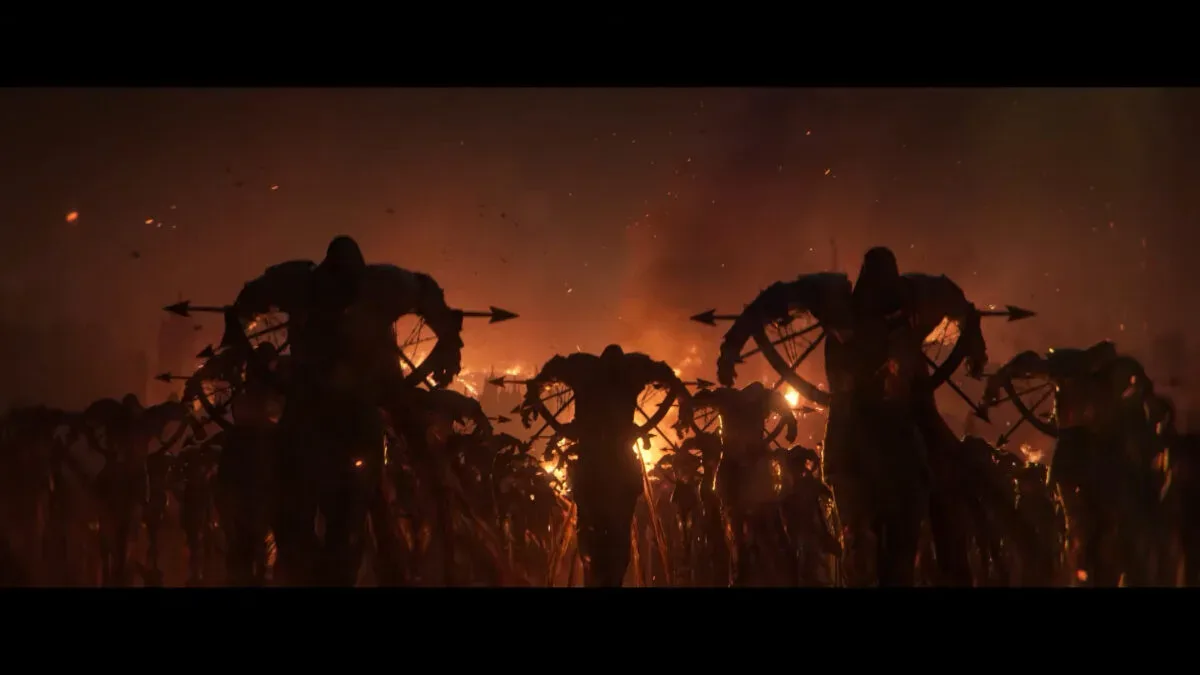
The announcement teaser establishes two pieces of the new game’s narrative foundation: the return of Diablo, the Lord of Terror, and the 100-year separation from Diablo 4. Diablo’s presence gives the fifth mainline game an unmistakably familiar focal point, even as the setting takes a major leap beyond the previous game’s era.
A hundred years is an especially meaningful stretch of time in a fantasy world shaped by wars between angels, demons, and humanity. It allows legends to harden, institutions to disappear, regions to be remade, and the survivors of prior conflicts to become history rather than immediate companions. It also means that players should not assume that the political landscape, settlements, threats, or everyday realities of Diablo 4 will remain intact.
What has not been detailed is just as important to keep in view. No playable classes for Diablo 5 were named in the announcement information. There are no confirmed platforms, no gameplay systems, no edition details, and no indication yet of how the game’s endgame or live-service structure may work. The teaser and setting premise supply a clear direction, but they do not yet answer the practical questions players usually bring to a new Diablo reveal.
For the immediate essentials on the release target and the post-Diablo 4 setting, see Diablo 5’s Spring 2029 plan and its century-later Sanctuary.
What “entirely post-apocalypse” changes for the series
The Diablo games have never exactly presented Sanctuary as a stress-free holiday destination. Their worlds are regularly ravaged by cults, undead armies, demonic invasions, ancient evils, and the kind of ominous basement architecture that should have prompted a zoning intervention centuries ago. But the post-apocalyptic framing for Diablo 5 gives the next chapter a more comprehensive premise: the apocalypse has already happened, and the game begins in the world that remains.
Related coverage includes Diablo 5 Revealed for Spring 2029, Taking the Series 100 Years Beyond Diablo 4.
That gives the new setting a potentially different emotional texture from a story centered on preventing an impending disaster. Rather than watching a crisis escalate from something recognizable into chaos, players may enter a Sanctuary where the consequences are already embedded in the land, its people, and whatever fragments of order have survived. The announcement does not specify the nature of the apocalypse, which regions were affected, or which characters may return. Still, the century-long jump makes clear that this is intended to be a new era rather than a simple continuation of unfinished business.
The choice also creates an accessible starting point for newcomers. A mainline sequel can acknowledge decades of lore without requiring every player to carry a sacred tome of demon genealogy into character creation. Longtime fans can look for the echoes of earlier events, while a later generation of heroes and communities can give the story its own footing.
Spring 2029 is a firm window, but the details remain early
Blizzard has given Diablo 5 a Spring 2029 release window, rather than leaving the game without a date or broadly labeling it as in development. That makes the announcement more concrete than a logo-only reveal. At the same time, a seasonal window is not a specific day, and there is still a substantial span between the 2026 unveiling and the planned launch.
With that much runway, it is reasonable to expect the game’s public picture to evolve well before release. It is not reasonable, however, to treat unannounced features as settled fact. The reveal does not confirm whether Diablo 5 will arrive on PC, PlayStation, Xbox, Nintendo hardware, or any combination of those platforms. It does not lay out its business model, multiplayer options, class roster, or progression systems. Those are questions for later updates, not blanks to fill with wish lists dressed in suspiciously confident armor.
The timing also underlines how substantial the gap will be between numbered entries. By the time Diablo 5 is due in Spring 2029, the series will have traveled from its original 1990s roots into a fourth decade. That longevity makes the Lord of Terror’s return feel appropriate in one specific sense: in Sanctuary, evil has an almost supernatural talent for avoiding permanent retirement.
Diablo 4 will continue to receive major additions first
The same BlizzCon 2026 news included several developments for Diablo 4, ensuring that the current game remains active well before its successor’s planned debut. Most notably, The Amazon is coming as a new class pack in 2027. The Amazon name carries a clear legacy within the broader series, and this addition gives Diablo 4 players a future class release to track while Diablo 5 is still years away.
A Diablo 4 Collection is also planned for Nintendo Switch 2. The announcement confirms the collection’s destination platform, though the provided information does not detail what the collection includes, its release timing, or whether it changes anything about the underlying game beyond packaging it for Nintendo’s newer system. Until those specifics are shared, the important point is simply that a Switch 2 collection is on the way.
Meanwhile, Season 15 is available now. Its premise is a broad playable retrospective spanning the history of the Diablo franchise. That makes it a particularly fitting season alongside the reveal of a new mainline game: the series is looking backward across its history while also pushing its central timeline a full century ahead.
- Diablo 5: Announced at BlizzCon 2026; targeting Spring 2029.
- Story setting: 100 years after Diablo 4, in a Sanctuary described as entirely post-apocalyptic.
- Confirmed character: Diablo, the Lord of Terror, returns.
- Diablo 4 class content: The Amazon class pack is scheduled for 2027.
- Nintendo news: A Diablo 4 Collection is coming to Nintendo Switch 2.
- Available now: Diablo 4 Season 15, a playable look back at franchise history.
The road to the next descent is only beginning
The announcement answers the biggest near-term question—whether another numbered Diablo is coming—with an unequivocal yes. It also provides a strong narrative hook: Diablo is back, and Sanctuary is no longer simply threatened by an apocalypse but living in its aftermath. Those facts are enough to define the mood of the project, even if they leave the mechanics and platforms in the shadows for now.
Before Diablo 5 reaches its Spring 2029 window, the series has plenty of active ground to cover through Diablo 4. Season 15 is already available, The Amazon is planned for 2027, and the Nintendo Switch 2 collection remains ahead. For now, the countdown to the next mainline descent has started—and Sanctuary has 100 years of ruins, terror, and unanswered questions waiting on the other side.