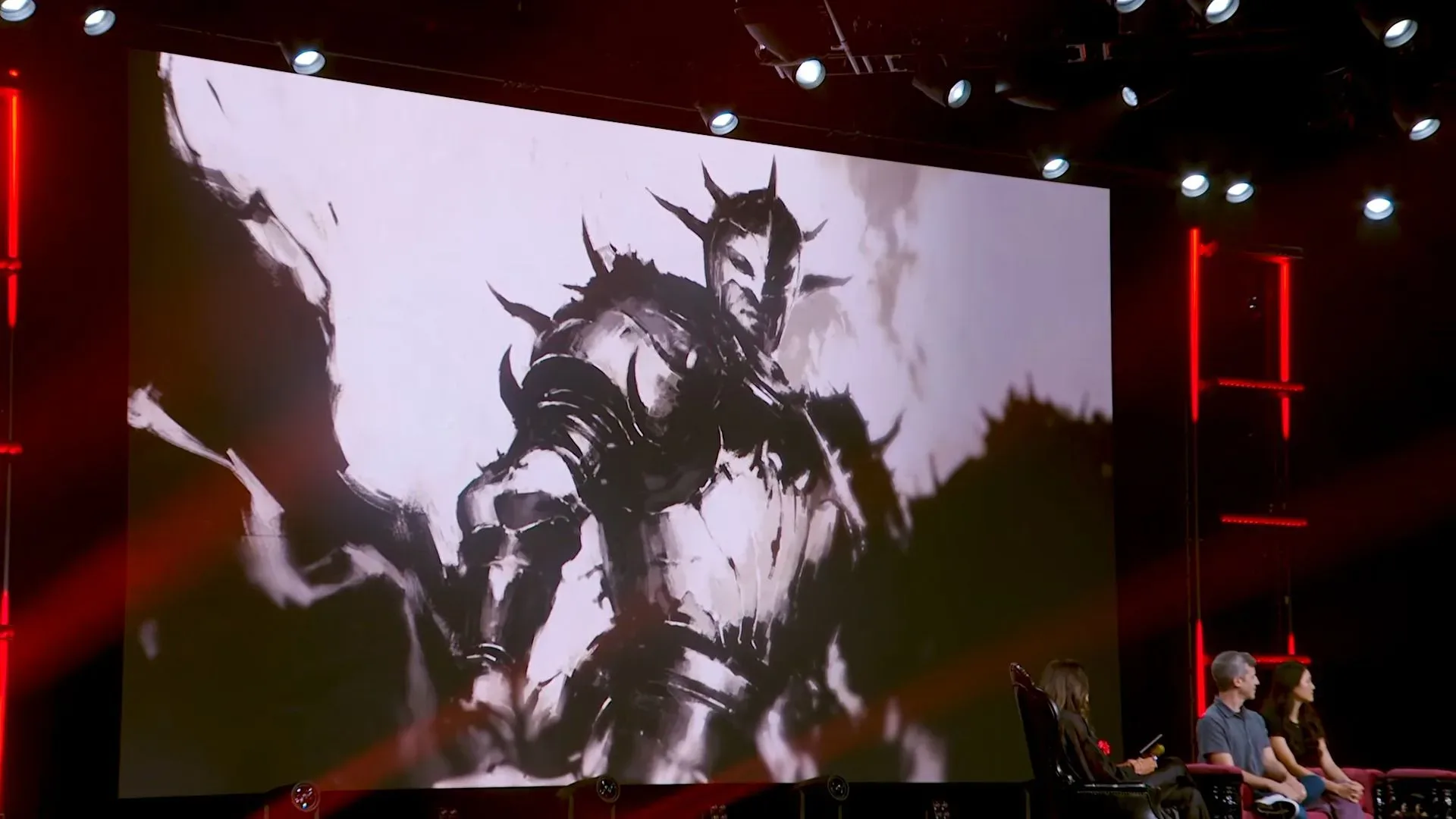
Diablo 5 has put three names on the class roster at last: the returning Demon Hunter and Monk, plus a brand-new series arrival called the Plague Knight. For a game built around turning terrible situations into increasingly elaborate methods of defeating demons, the Plague Knight is an immediately fitting proposition. This is not a knight who rides in to save a village from pestilence. This is apparently the knight who arrives carrying the pestilence, then regards the aftermath as a resource-management opportunity.
The sequel was revealed during BlizzCon 2026 and remains early in development, with a 2029 release target. That leaves a very long road before players can choose a class, begin a build, and spend an alarming amount of time comparing two nearly identical pieces of loot. Still, the early class information is meaningful because Diablo characters are rarely just cosmetic archetypes. They are the player’s main relationship with combat, gear, abilities, progression, and the grim little career of repeatedly entering a dungeon because somebody left a slightly shinier pair of gloves inside.
These three confirmations establish a useful starting point for the next game’s identity. Two are familiar Diablo concepts with substantial history, while the third appears designed to push the setting’s darkness in a different direction. Blizzard has also made a particularly ambitious promise around the overall lineup: Diablo 5 is intended to have more classes in total than any earlier Diablo game.
The first three Diablo 5 classes
The currently confirmed playable classes are:
- Demon Hunter
- Monk
- Plague Knight, a new Diablo class
Neither the full launch roster nor a comprehensive breakdown of each class’s skills, weapons, special mechanics, or build paths has been detailed. The present announcement should therefore be treated as a first look rather than a complete menu. In particular, there is no basis yet to assume which other familiar archetypes may return, what new classes could join them, or exactly how each one will play.
What is clear is that the Demon Hunter and Monk are returning options. Their presence suggests Diablo 5 is willing to revisit popular class identities rather than starting from an entirely unfamiliar template. That alone will be welcome news to players who enjoy ranged demon-slaying or martial combat, although the confirmed names do not tell us whether their Diablo 5 versions will directly resemble their previous incarnations.
Demon Hunter and Monk return, but details remain limited
The Demon Hunter has long represented a practical answer to Sanctuary’s supernatural problems: stand some distance away, deploy lethal tools, and make the monster regret closing the gap. The Monk, by contrast, evokes a fast and disciplined melee style. Those broad identities are recognizable, but Diablo 5 has not yet laid out the specific systems behind either class.
That distinction matters. Returning a class name does not automatically confirm returning abilities, resource systems, equipment categories, or a familiar build ecosystem. A Demon Hunter might retain an instantly recognizable fantasy while changing dramatically in the details. The same is true for the Monk. With Diablo 5 still years away, it is safer to regard these confirmations as a statement of direction rather than a finalized mechanical blueprint.
Related coverage includes Diablo 5 Confirms Demon Hunter, Monk and New Plague Knight Class.
There is also plenty of time for the game’s overall design to develop. The sequel is positioned for 2029, and projects that far from release can change in visible and invisible ways. The central takeaway is simply that these two established class fantasies have survived into the initial Diablo 5 reveal.
The Plague Knight is Diablo 5’s new nightmare professional
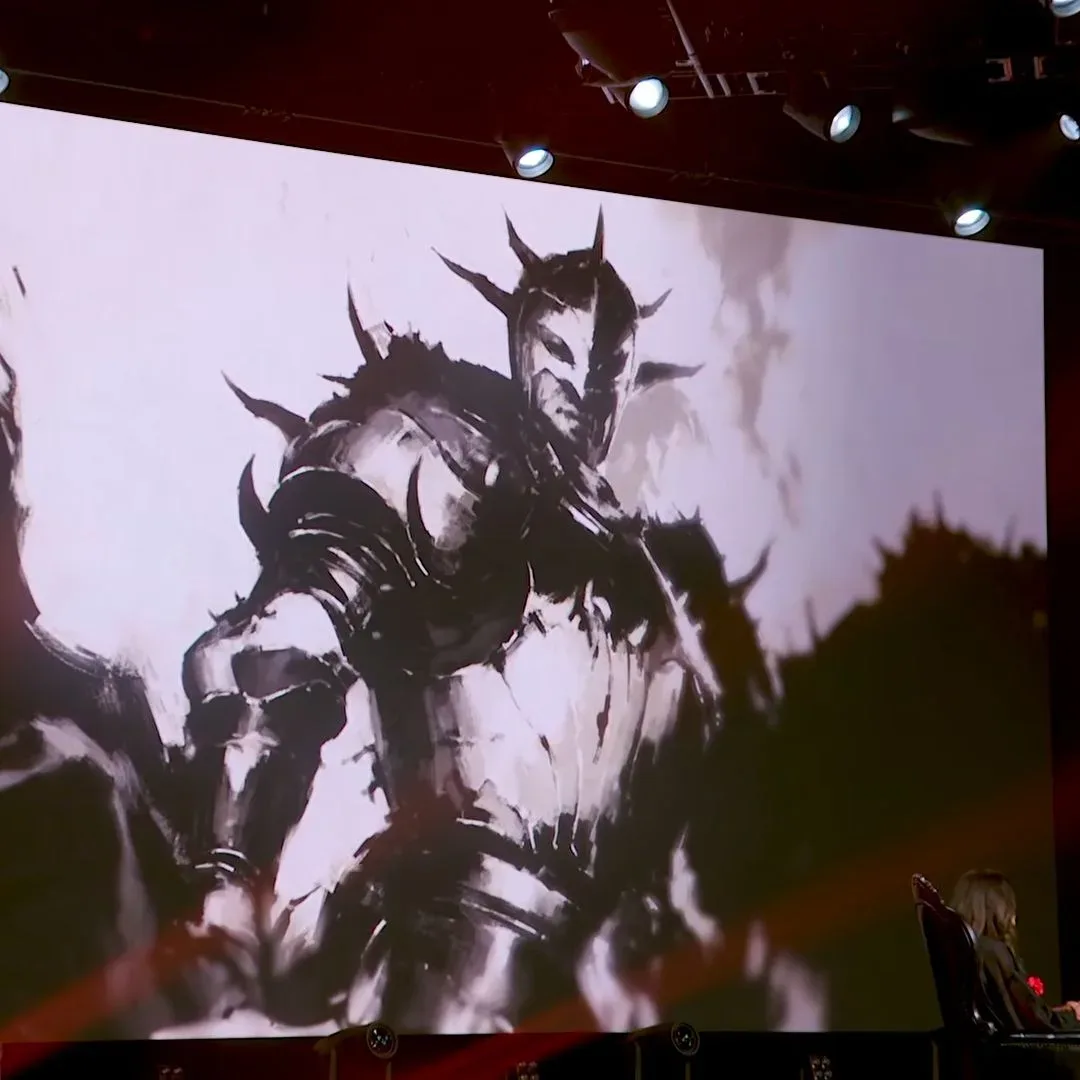
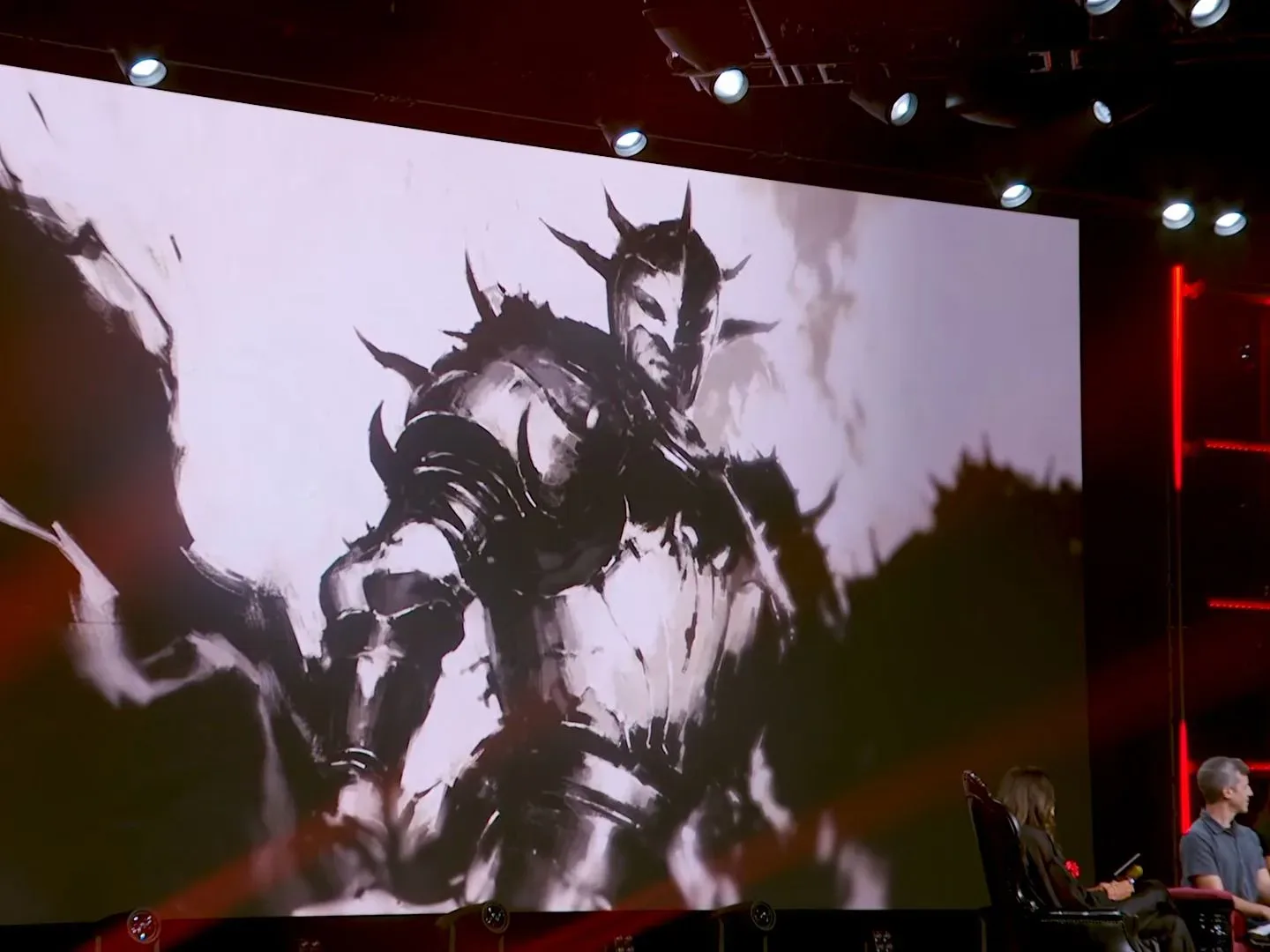
The more unusual reveal is the Plague Knight, described by game director Joe Shely as a heavily armored character and a “walking death.” Its core concept involves traveling through the world, spreading disease, and consuming that disease for power. It is an aggressively bleak loop, which places it comfortably inside Diablo’s wheelhouse.
Even from that limited description, the Plague Knight sounds distinct from a conventional armored crusader or a necromancer commanding the dead. The emphasis is not merely on surviving in heavy armor or applying poison-like damage. It is on disease itself becoming both the threat imposed on enemies and the fuel that strengthens the character. That is an evocative premise for a class, and appropriately unpleasant in the way Diablo’s most memorable ideas often are.
The announcement does not provide enough detail to define the Plague Knight’s combat range, preferred weapon types, exact defensive tools, summons, mobility options, or resource meter. It also does not confirm whether the class’s disease theme will be primarily about damage over time, area control, enemy weakening, self-buffs, or some combination of those concepts. Those are reasonable questions, not answered features.
For now, the strongest confirmed image is a heavily armored combatant whose power grows through the sickness it unleashes. In a series where necromancy already sets a fairly high bar for occupational ethics, the Plague Knight makes an early case for being one of Sanctuary’s least reassuring traveling companions.
“More classes than ever before” is a large promise
Alongside the three class names, Shely said Diablo 5 will launch with more classes than ever before. The clarification is important: the claim is not only about surpassing another Diablo game’s day-one lineup. It is about having more classes total than any prior entry.
That wording raises expectations for a roster considerably larger than the three characters confirmed so far. It also means the eventual lineup will need to balance two competing goals that sit at the heart of action RPG design. Classes need to be immediately understandable enough for a new player to pick one and have fun quickly, but they also need enough room for deeper mastery, experimentation, and varied builds.
Shely specifically framed Diablo classes as approachable on the surface while still supporting deep action-RPG mastery and many possible builds. That philosophy is familiar to the series: a class should offer a legible fantasy at the start, then gradually reveal decisions around skills, gear, synergies, and playstyle. A larger overall class count could broaden the number of entry points into that process, provided each class has a strong reason to exist beyond occupying a different silhouette on the character-select screen.
At this stage, however, “more classes” should not be read as a full roster reveal. Blizzard has not named the remaining classes, nor has it explained how the total will be structured. There is no confirmed class count in the information available so far. There are only three confirmed names and a major commitment that more are coming.
A fallen Sanctuary changes the mood around every class
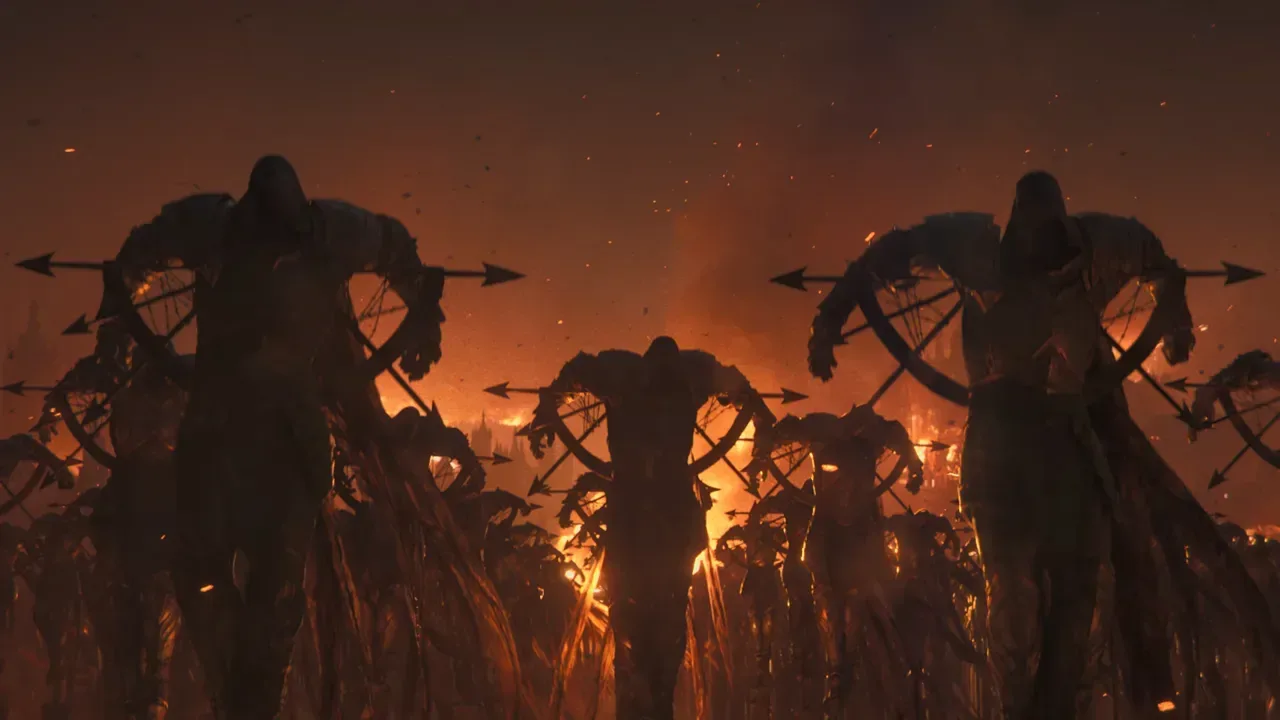
The early story setup makes these class choices feel even harsher. Diablo 5 takes place after Diablo has defeated humanity, leaving Sanctuary fallen under his evil influence. The setting is said to have no towns or safe zones where players can take refuge, meaning safety is not supposed to be a reliable part of the world.
That premise gives the Plague Knight’s grim design extra thematic weight. In a Sanctuary already conquered by evil, a hero who weaponizes disease and death energy does not sound like an exception to the mood; the character sounds shaped by it. The Demon Hunter and Monk, meanwhile, bring two recognizable survival-focused archetypes into a world where even the usual pause between disasters may be gone.
For more on the broader premise, including the fallen Sanctuary and the project’s larger setup, see Diablo 5’s fallen Sanctuary, procedural regions, and more present Diablo.
There is an unavoidable limitation to all of this excitement: 2029 is distant, and the confirmed information remains selective. No platform list has been provided in the details here. No full class roster has been revealed. No launch-date day has been specified. Most importantly, there is not yet enough information to declare how any class will feel in the hands of players.
But the foundation is unusually clear for an early class announcement. Diablo 5 wants both familiar faces and something new, both quick readability and long-term build depth, and a world so thoroughly ruined that the introduction of a disease-consuming armored death merchant somehow reads as sensible preparation. Demon Hunter, Monk, and Plague Knight are only the beginning. If the promise of the biggest total class lineup in Diablo history holds, Sanctuary has many more ways to suffer waiting in the wings.