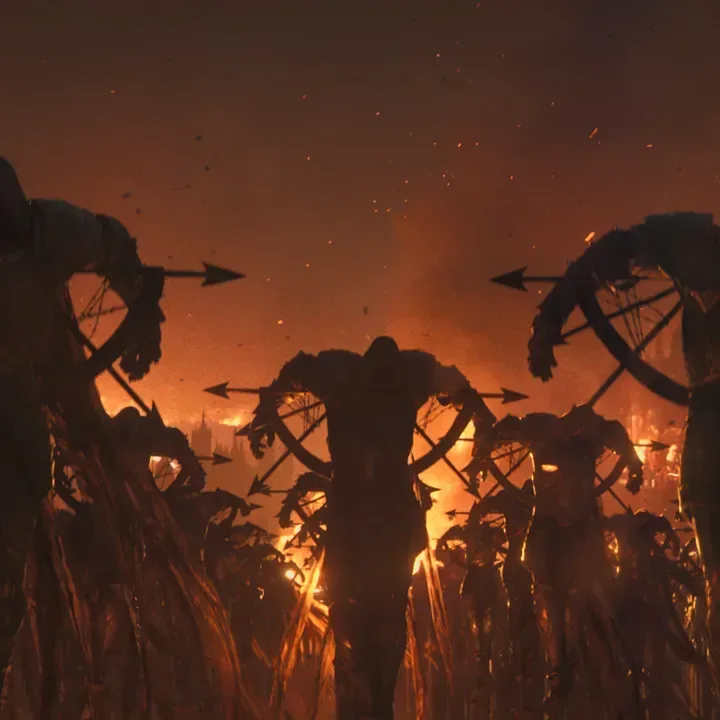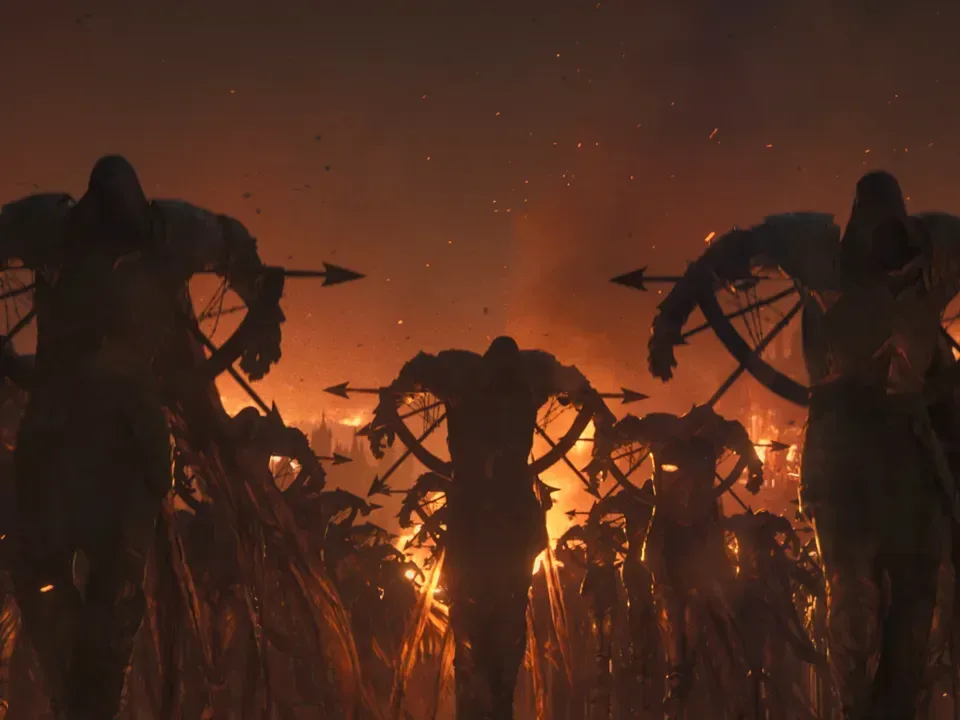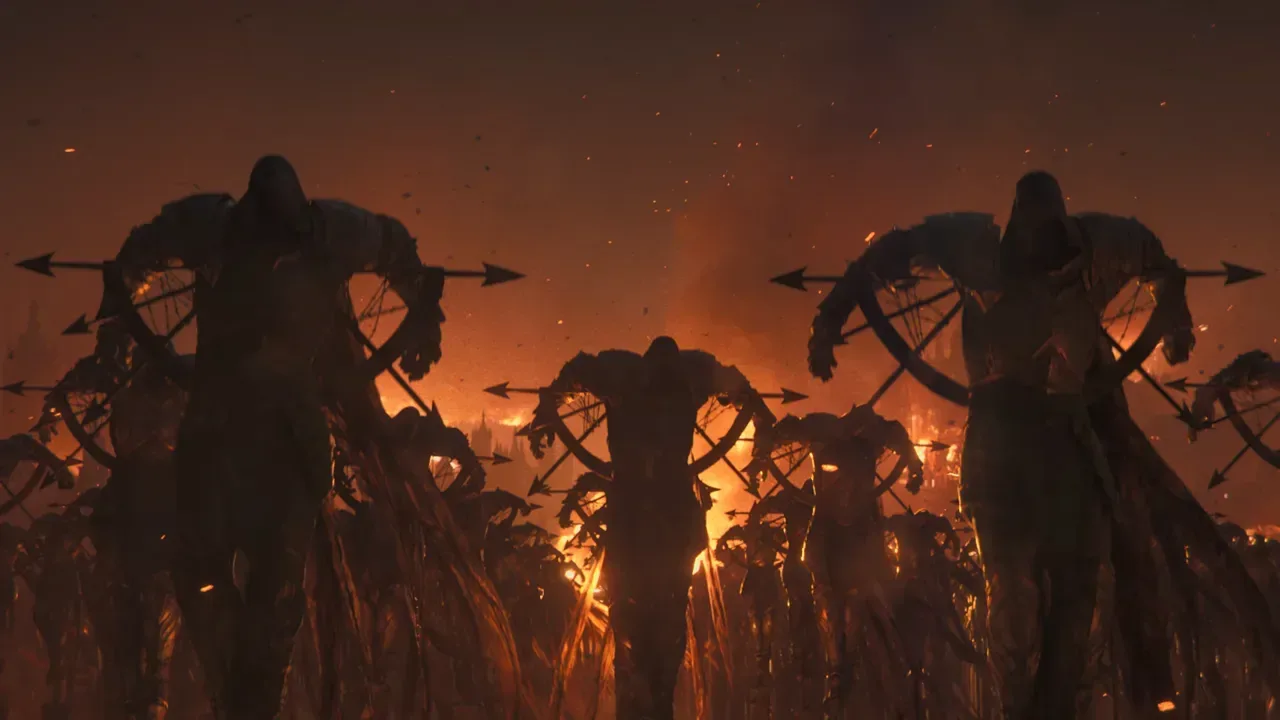
Diablo 5 is planned for spring 2029, and its central premise is a sharp reversal of the series’ usual apocalyptic race against time: Sanctuary has already lost. Diablo has won, its heroes are gone, and the new game’s survivors will not have the benefit of conventional towns or dependable safe havens.
That is the grim foundation outlined during the Forging the Next Era presentation at BlizzCon 2026. It is an enormous narrative swing for Blizzard’s long-running action-RPG series, which has repeatedly cast players as the force pushing back against a demonic catastrophe before it consumes the world. Diablo 5 instead begins after the catastrophe, asking players to navigate a ruined Sanctuary shaped by the Lord of Terror’s victory.
Early details remain limited, and the game is still far enough away that many elements will naturally be subject to change. But the panel established several key directions: Diablo himself is intended to exert influence from the opening of the story rather than simply waiting at the end, the world and dungeons will use procedural layouts, and revisited locations can change enough to undermine players’ assumptions about routes, landmarks, and threats.
A sequel built around Diablo’s victory
Blizzard considered whether to continue expanding Diablo 4 through additional downloadable content or move forward with a completely new mainline installment. The team settled on Diablo 5 because bringing the franchise’s namesake villain back in a major way called for a sequel-scale approach.
That decision says a great deal about the stated narrative ambition. Diablo is not being positioned merely as a final encounter or a distant evil hanging over the campaign. The team’s description has him actively shaping the game from its earliest moments. The intent is not to reframe him as misunderstood, tragic, or secretly sympathetic, either. The presentation emphasized a more direct version of the character: a conquering presence with plenty to say and a world already bent around his success.
Sanctuary’s destruction is not the threat players are trying to prevent in Diablo 5; it is the condition they enter.
For a series titled Diablo, that may sound obvious. Yet it marks a meaningful contrast with entries that have often divided attention among Prime Evils, cults, angels, regional conflicts, and the rebuilding efforts of ordinary people. A setting in which Diablo has openly prevailed could make every journey feel less like a heroic expedition from a guarded settlement and more like an uncertain push through hostile territory.
The absence of towns and safe places is especially important as a tonal promise. Exactly what replaces traditional hub spaces, vendors, social functions, or moments of respite has not been detailed. It would be premature to assume their systems have been removed outright. Still, the team is clearly using the lack of protection as part of the game’s identity: comfort and hope are not the baseline in this Sanctuary.
Related coverage includes Diablo 5 Revealed: Blizzard Details a Fallen Sanctuary Ruled by Diablo.
Procedural uncertainty moves beyond the dungeon door
Diablo games have a long history with randomized spaces, particularly dungeons designed to make repeat trips less predictable. Diablo 5 aims to extend that uncertainty into the overworld as well. Blizzard confirmed that procedural world generation is returning for both dungeons and the broader world, while terrain may change when players revisit areas.
In practical terms, the team’s stated goal is to deny players the security of perfect memory. A route that worked on one visit may not work next time. A recognizable landmark may not point the way it once did. Even familiarity with how to approach particular Elite monsters in a region may prove less useful if the surroundings and encounters no longer behave as expected.
That could make Diablo 5’s version of Sanctuary feel considerably more unstable than a fixed map with randomized interiors. It also raises major design questions that have not yet been answered. How extensive will the overworld’s changes be? Will story-critical destinations remain reliably accessible? Will procedural layouts apply to every region, or only certain parts of the game? And how will group play, navigation tools, seasonal content, and repeatable endgame activities handle a world that is deliberately less knowable?
There are no confirmed answers yet, but the core purpose is clear: tension. Players are meant to feel that the information they acquired yesterday does not guarantee safety today. For a series that turns efficiency, build knowledge, and repeated runs into a substantial part of its appeal, this is a potentially important shift. Diablo 5 may still reward mastery, but it appears interested in making mastery less synonymous with memorizing a static landscape.
It is also a concept that suits the fiction. If Diablo’s victory has truly corrupted and destabilized Sanctuary, a terrain that refuses to stay comfortably familiar is more than a mechanical feature. It becomes a way for the setting to communicate that the world is no longer under mortal control.
Zarg could give a Treasure Goblin a different job
One of the panel’s stranger early teases was Zarg, a Treasure Goblin character whom players are expected to get to know. Treasure Goblins have traditionally been frantic, fleeing loot carriers—the delightful little disasters players chase down before they vanish with their valuables. Giving one a recognizable role is a notable departure.
There are significant caveats. Zarg’s name is not final, and neither are the character’s details. Blizzard did not spell out what part the Treasure Goblin will play in the plot, whether the character accompanies players, or whether the concept affects Treasure Goblins more broadly. For now, Zarg is best understood as an early indicator that familiar Diablo creatures may be used in unfamiliar ways.
That is a modest announcement on paper, but it could carry personality value in a setting otherwise defined by collapse. Diablo’s worlds are full of demons, undead, cultists, angels, and desperate humans; a recurring goblin with something more to contribute than dropped loot could provide a peculiar point of connection without softening the overall premise. Or Zarg could simply deepen the game’s sense that every established rule has become unreliable. Either possibility fits the direction described so far.
What Blizzard has and has not confirmed
The panel was intended to address story, world design, gameplay, classes, and itemization, but the available details are still only a starting point. Fans should separate the confirmed framing from the many practical questions that remain open.
- Confirmed: Diablo 5 is planned for spring 2029.
- Confirmed: The game is set in a ruined Sanctuary after Diablo’s victory.
- Confirmed: The premise removes the expectation of towns and protected spaces waiting to shelter players.
- Confirmed: Diablo is intended to be a central force throughout the game, not solely an endgame boss.
- Confirmed: Procedural generation will affect dungeons and the overworld, and terrain can change on return visits.
- Teased but unfinished: A Treasure Goblin character currently called Zarg.
- Not detailed here: Platforms, pricing, editions, exact classes, specific itemization systems, multiplayer structure, and an exact release date.
The long lead time makes restraint particularly important. Spring 2029 is years away, and the team has openly indicated that at least some concepts are still in flux. That does not make the reveal less substantial; it simply means the appropriate takeaway is about direction rather than a finalized feature checklist.
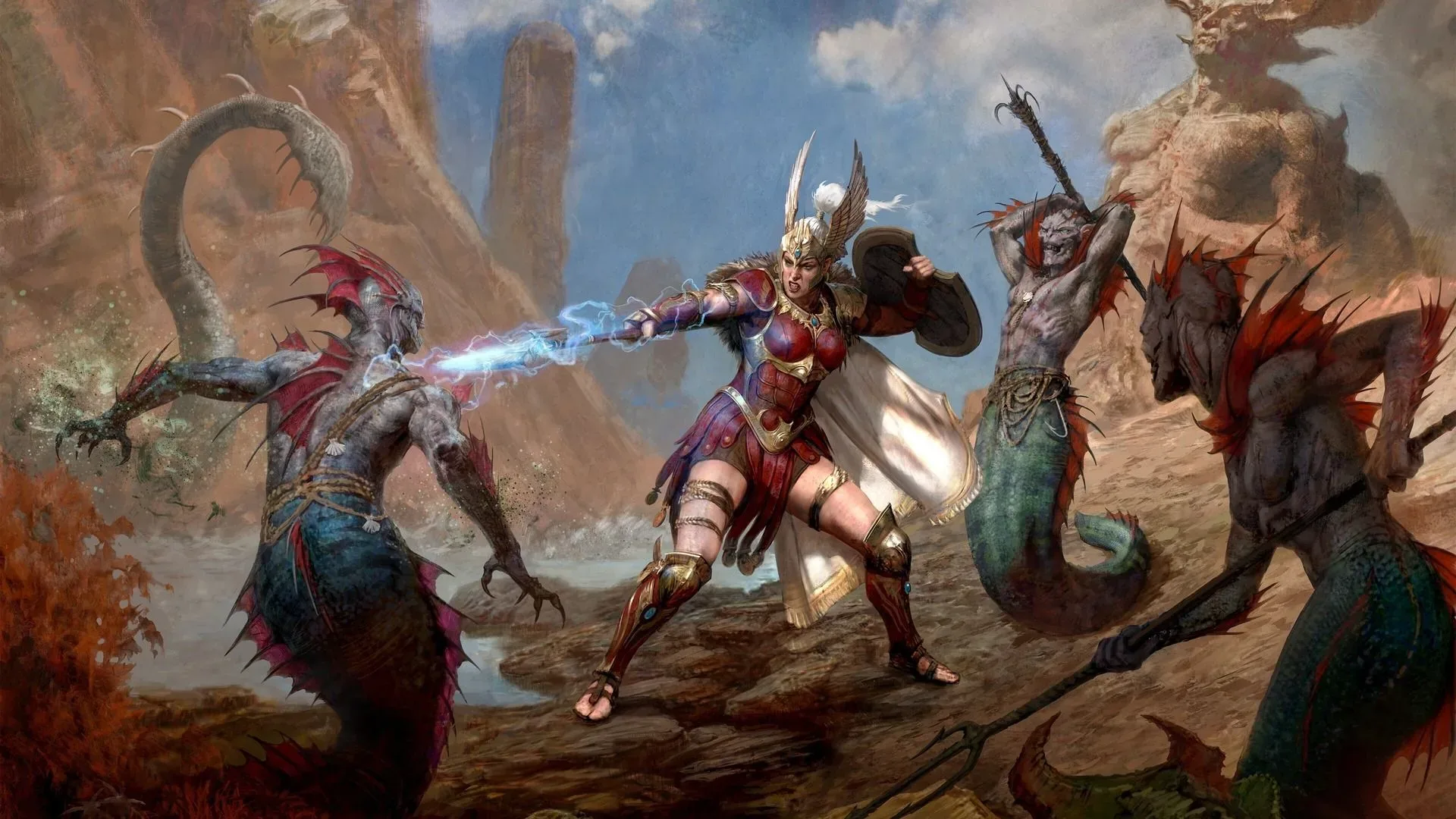
For Diablo 4 players, the newest game is a major but distant chapter rather than an immediate replacement. The current series entry continues to receive attention, including Season 15 and the planned Amazon class. Diablo 5’s announcement instead gives the franchise a dramatically different horizon: a Sanctuary no longer defending against darkness, but attempting to survive within it.
Why the premise matters for the next era
Diablo 5’s strongest idea so far is not simply that Diablo returns. It is that he returns with the argument already settled. The heroes did not arrive in time. Sanctuary was not saved. Familiar geography, familiar monsters, and even the assumed function of a Treasure Goblin may all be altered by what happened.
Whether that premise ultimately succeeds will depend on the systems still to be explained—especially classes, progression, loot, combat, and the exact scale of the procedural world. But it is a forceful opening statement for the fifth mainline game. Blizzard is not presenting a marginal escalation of a familiar crisis. It is presenting a Diablo game that starts from defeat and makes uncertainty part of both its story and its map.