Late-night gaming has a uniquely persuasive internal logic: finish the objective, check the unlock, run one more match, then suddenly discover that the clock has become accusatory. A Whoop MG will not close the game for you, but the current Amazon offer could make the consequences harder to ignore. The 12-month Whoop Life membership bundle, which includes the Whoop MG band, is listed at $299 rather than $359.
That price is described as the lowest the bundle has reached on Amazon. The important purchasing detail is that this is a membership-led wearable: the year of Life access is what is being bought, while the MG tracker is included with it. Anyone considering it should therefore judge the package less like a conventional watch purchase and more like a year of access to Whoop’s app, analysis and higher-tier health features.
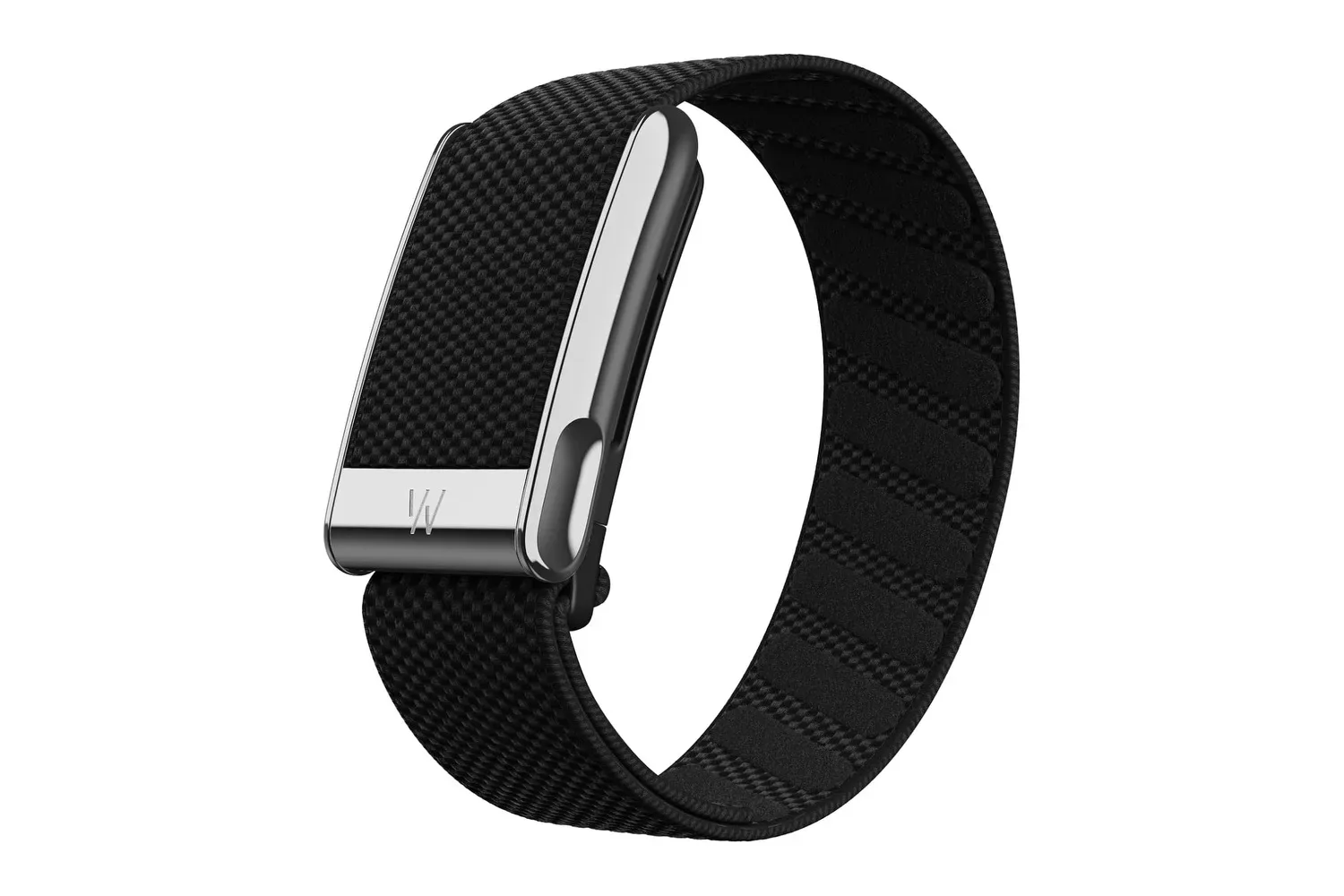
For players trying to keep a handle on irregular sleep, caffeine-heavy sessions or training around their gaming schedule, the appeal is straightforward. Whoop is designed to turn overnight measurements and logged habits into a daily view of recovery and sleep need. Its defining hardware choice is equally straightforward: there is no display on the band.
A wearable that deliberately stays quiet
Most wrist devices use a screen as their center of gravity. They show notifications, time, workout controls and changing metrics. Whoop takes the opposite route. The MG band has no screen, and its information lives in the companion app rather than on the wrist.
That design has a practical upside for people who already spend plenty of time looking at monitors, televisions and phones. There are no wrist notifications interrupting a ranked game and no bright display demanding attention in a dark room. The tracker’s job is meant to happen mostly in the background, particularly overnight, while the app becomes the place to review the results later.
It also creates a trade-off. This is not the right device for somebody whose priority is glancing down to read messages or see the time. Its value depends on whether the wearer will actually open the app, absorb the trends and use them to change a routine. A quiet band cannot create better sleep on its own; it can only make patterns more visible.
That may be especially relevant around games built to encourage extended sessions. For example, the broader conversation around Rockstar’s next open-world release has already been intense; GTA 6’s criminal-profile system is one example of the game’s closely watched design discussions. Whether it is a big open-world mission, a competitive ladder or a co-op night with friends, the device’s potential use is not measuring game performance. It is helping a player notice when the rest of their routine is paying the bill for that extra hour.
Sleep debt is the central gaming-relevant metric
Whoop breaks a night’s sleep into REM, deep and light stages, but its more actionable feature is the calculation of sleep need and accumulated sleep debt. In plain language, sleep debt is the gap between the sleep the system estimates you needed and the sleep you got, accumulated over time. It gives a number to the familiar feeling of being technically awake while operating several patches behind.
That can be more useful than treating every short night as an isolated mistake. A single late session may not feel dramatic. Several in a week can create a trend. By presenting the shortfall in hours, the app is intended to show the running effect rather than merely labeling one night as good or bad.
Whoop says daily wear is associated with 2.3 additional hours of sleep per week. That is a company-stated association, not a promise that every person who wears the band will add that amount of sleep. The distinction matters: tracking can supply feedback, but it does not remove work schedules, family responsibilities, a bad raid pull at midnight or the old-fashioned inability to stop after a win.
The useful question is whether a person wants feedback strong enough to adjust habits. If the answer is yes, a week-by-week account of missed sleep may be more persuasive than vague intentions to turn in earlier. If the answer is no, a subscription wearable may simply generate a more detailed record of the same bedtime decisions.
How recovery, HRV and journaling fit together
Sleep information feeds into Whoop’s daily Recovery score. The score draws on overnight measurements including heart rate variability, commonly abbreviated as HRV, and resting heart rate. HRV refers to variation in the timing between heartbeats. Resting heart rate is the heart rate measured while at rest. In this system, they are inputs to a broader readiness-style score rather than isolated verdicts on a user’s health.
That broader framing is important. A recovery score can be a useful prompt for deciding whether to prioritize rest, keep exercise moderate or recognize a rough night. It should not be treated as a diagnosis or a substitute for medical advice. The value described here is pattern recognition: see what the device records, compare it with routines, and decide whether an adjustment makes sense.
The Whoop Journal is the feature that gives those numbers context. It supports logging more than 160 habits, including caffeine use and late screen time, then shows how they correspond with sleep and recovery over time. For a gamer, this creates a way to separate assumptions from observed patterns. Maybe a late match is not the factor that disrupts a night; maybe the energy drink, the post-match scrolling, or an inconsistent schedule is the more repeatable issue. The journal cannot establish a medical cause, but it can organize the information needed to spot correlations in an individual routine.
Whoop’s AI Coach is intended to turn those collected signals into suggestions. That sounds convenient, but it is best understood as an interpretation tool built on the data the tracker and journal have. The quality of its guidance will depend in part on consistent wear and honest habit logging. Logging only the nights that went well would make the resulting picture less useful.
A practical way to use the app without making it another chore
- Wear the band consistently, particularly overnight, so the sleep and recovery trend has continuity.
- Choose a small number of habits to log at first, such as late caffeine, screen use or unusually late play sessions.
- Look for repeated patterns over time instead of overreacting to one score or one bad night.
- Use the information to make a specific adjustment, such as setting a stopping time before a session begins.
- Keep health concerns in the appropriate lane: app data can support a conversation with a clinician, not replace one.
What the MG and Life tier add
The MG model is tied to health features reserved for Whoop’s Life tier. One is an on-demand ECG that can be taken from the wrist to check for potential signs of atrial fibrillation, with results that can be shared with a doctor. An ECG, or electrocardiogram, records the heart’s electrical activity. Atrial fibrillation is an irregular heart rhythm the feature is designed to screen for possible signs of, not something a consumer wearable can definitively diagnose.
Life also includes Daily Blood Pressure Insights. These estimate blood-pressure ranges from overnight data. The word estimate is the essential one. This is an app-based insight built from the device’s measurements, not a replacement for clinical assessment. Users with a health concern should rely on qualified medical care and bring relevant results to a clinician rather than attempting to self-diagnose from a wearable trend.
Another Life feature, Healthspan, creates a Whoop Age and Pace of Aging using nine health metrics. These are composite app measurements meant to offer a broad view of trends. They may be motivating—or mildly terrifying after a sustained run of poor sleep and energy drinks—but they should be read as wellness-oriented estimates, not as literal statements of biological age or medical prognosis.
For some buyers, these additions are the reason to choose the MG bundle. For others, they are precisely why it is worth pausing before purchase. If sleep, habit logging and recovery are the only desired functions, the key question is whether the Life-tier tools justify committing to the included year of membership. The $299 price is a discount, but it is still a meaningful spend for data a person needs to be willing to review and act upon.
Charging, water resistance and day-to-day wear
Whoop lists battery life at 14 days or more. Its wireless PowerPack slides onto the band, allowing it to charge without removing the tracker. That is a consequential convenience for sleep tracking because charging gaps are one of the simplest ways to break an overnight data streak.
Both the band and the PowerPack are rated IP68. That rating is presented here as suitable for showers and swims, giving the tracker a better chance of staying on through normal routines rather than being set aside in a drawer. The device also offers women’s health features for tracking cycle phases and symptoms, along with an optional Natural Cycles integration.
Integration support includes Apple Health, Google Health Connect, Strava, Peloton and Withings. This matters most for people already using one of those services. Rather than forcing every workout, health measurement or activity record into a separate silo, Whoop can sit alongside an existing tracking setup. It is also the official recovery wearable of the NFL Players Association, a partnership that signals its recovery-focused positioning but does not determine whether it suits an individual buyer.
Privacy and the subscription question
Health and sleep data are personal, so software promises deserve as much consideration as the fabric band and battery. Whoop says it does not sell personal data, encrypts data both while it is being sent and while it is stored, and will delete it upon request. “In transit” means information moving between systems; “at rest” means information stored on systems. Those stated practices address different stages of handling data.
Still, prospective buyers should read the applicable account and privacy terms for themselves, particularly before connecting health platforms or regularly recording sensitive habits. The practical appeal of a journal comes from its specificity; that same specificity is a reason to understand how the account is managed.
The Amazon offer gives a clearer entry price than the usual $359 listing, with 12 months of Life membership and the MG included for $299. It makes the most sense for someone who prefers a screen-free tracker, expects to wear it through sleep and regular activity, and sees value in checking recovery and behavior trends in an app. Anyone seeking a traditional smartwatch experience—or anyone unlikely to engage with a recurring data routine—should recognize that the Whoop approach is intentionally different.
Shop the products
Check current price, model and availability at the retailer.