Minor spoilers for the Blasphemy quest in The Blood of Dawnwalker follow.
The beginning of The Blood of Dawnwalker does not waste much time giving Laslea problems more awkward than a missing household item. In the optional tutorial quest Blasphemy, Gremla asks the player to investigate the disappearance of a banner from her shed. The immediate task is simple: find the banner and identify whoever took it. The less immediate task is realizing that this is not really a banner-recovery mission at all. It is an early test of observation, pressure, and deciding which person in town deserves the whole truth.
The short answer is that Premysl stole the banner. He is the elderly villager sitting near the farm on Laslea’s northeast side. But reaching that answer properly means using Focus Mode around Gremla’s shed, reading the evidence it presents, and then deciding how to report the discovery to Gremla.
For players trying to clear the quest without wandering around town interrogating every resident who has ever looked suspiciously at a piece of cloth, this is the clean route through Blasphemy.
Start at Gremla’s shed and use Focus Mode
Blasphemy appears during the early Laslea section and functions in large part as an introduction to Focus Mode, the system used to identify and examine notable details in the environment. The quest is optional, but its setup is worth following carefully because the evidence is specific. The game is not asking for a broad search of the settlement; it is pointing the player toward a compact trail.
At Gremla’s shed, investigate the area behind the building. There are two essential details to scrutinize:
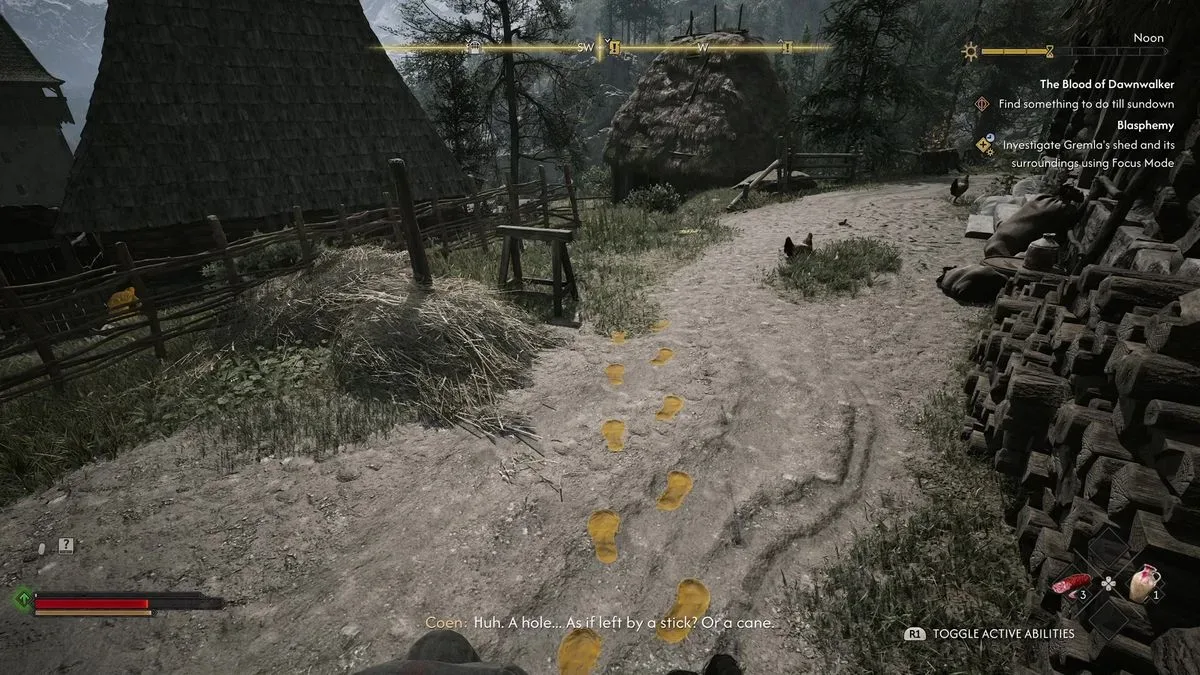
- Unusual footprints behind the shed.
- A bloodied fragment of the banner reached by following that trail.
These are not merely decorative signs that somebody had a rough afternoon near the shed. Together, they establish the useful description of the thief. The tracks indicate that the culprit relies on a cane, while the blood on the torn material suggests an injured hand. That narrows the search considerably, even if Laslea is still large enough to make an unfocused stroll inefficient.
It is a tidy early example of what Focus Mode is for. Rather than treating highlighted objects as a checklist to clear mechanically, Blasphemy asks players to combine the implications of separate clues. The footprints tell one part of the story. The bloody banner scrap tells another. Put them together and the quest changes from “find something stolen” into “find an injured villager who walks with a cane.”
There is a certain comedy to detective work in games: the player character sees a trail, a stain, and a damaged scrap of fabric, then instantly develops the confidence of an investigator who has watched one and a half crime dramas. In this case, though, the deductions are genuinely enough to locate the right person.
Where to find the banner thief
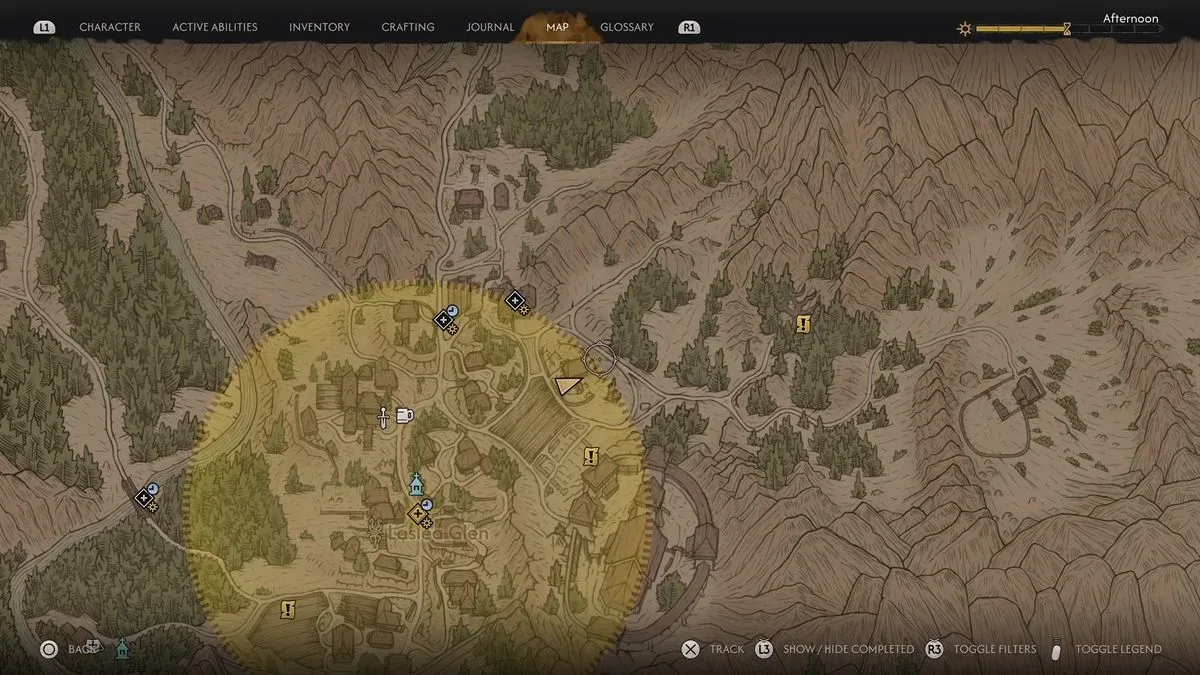
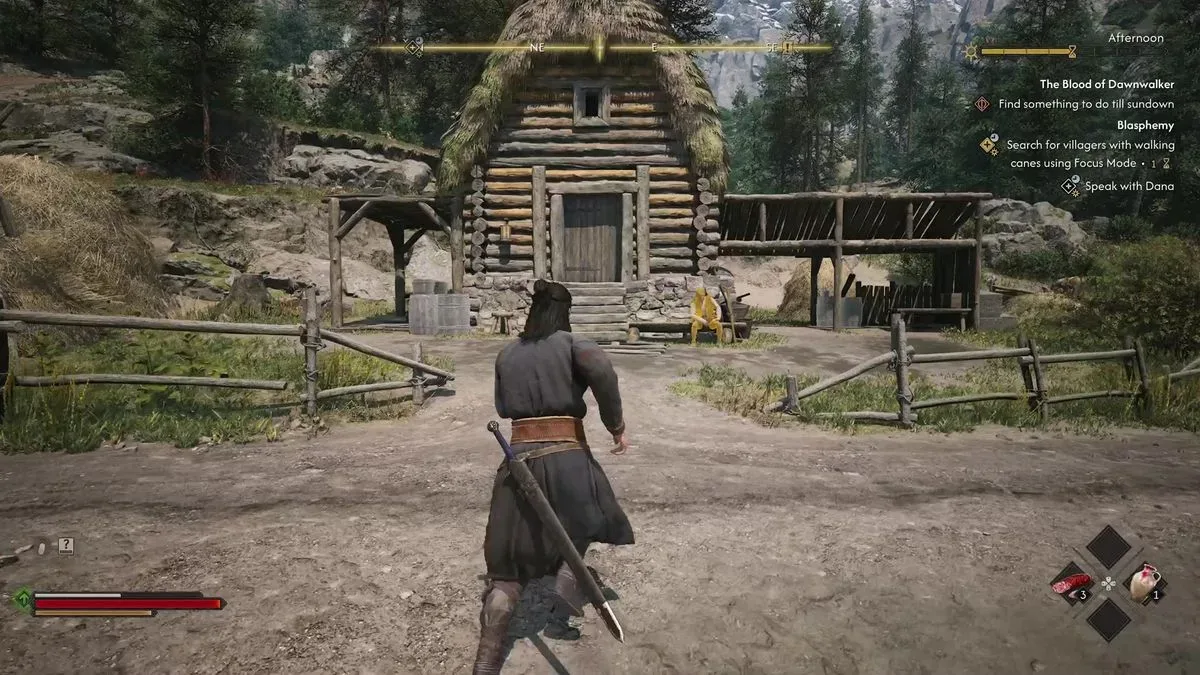
The person you want is Premysl. He can be found sitting by the farm at the northeast edge of Laslea. His cane and hand injury match the evidence from the shed, so he is the villager connected to the theft.
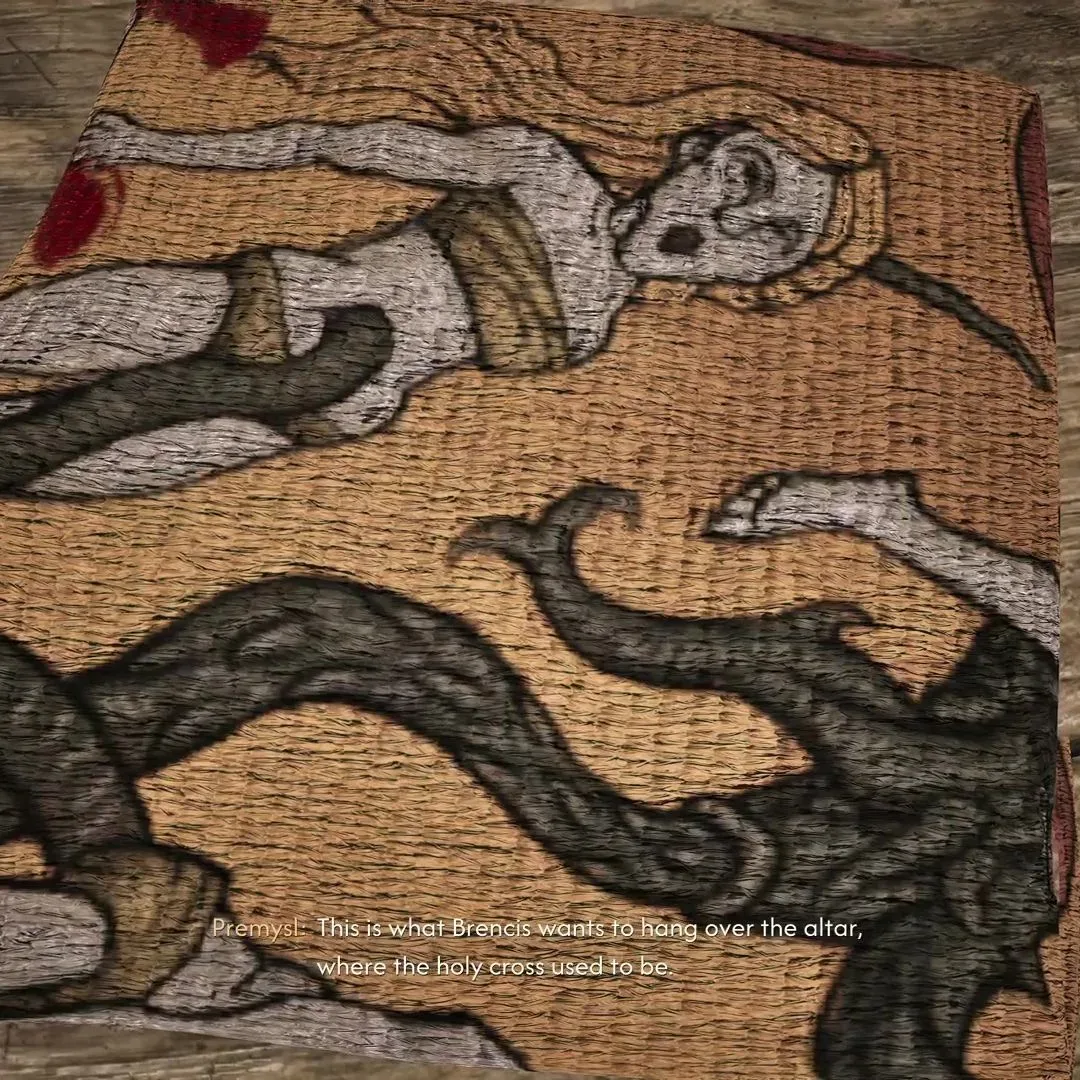
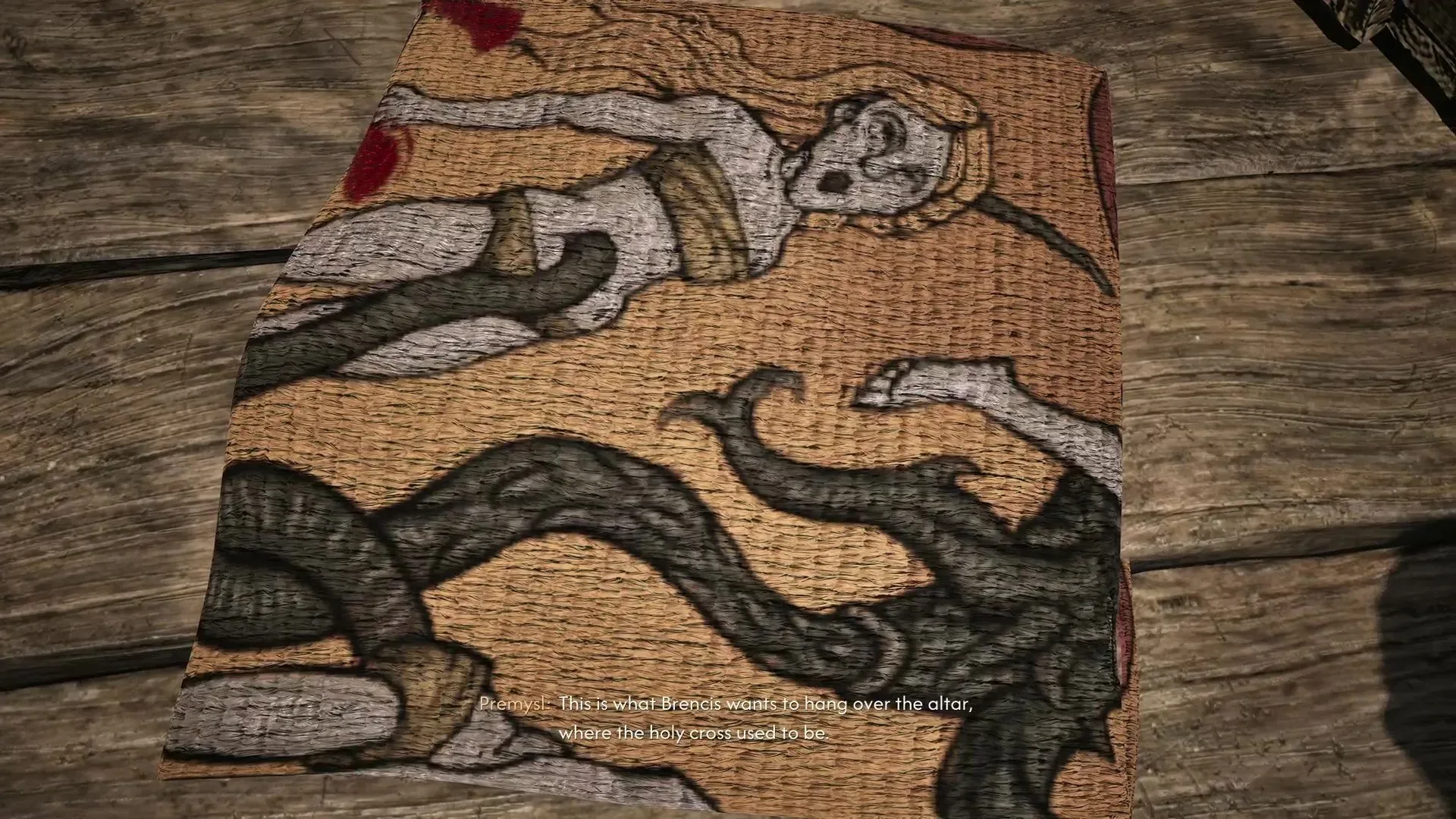
Speak to him and keep questioning him. Premysl eventually admits that he took the banner. The conversation also supplies the information Gremla did not initially provide: what the banner was made to depict, why Premysl considered its removal necessary, and why returning it could have consequences beyond a craftsperson losing her work.
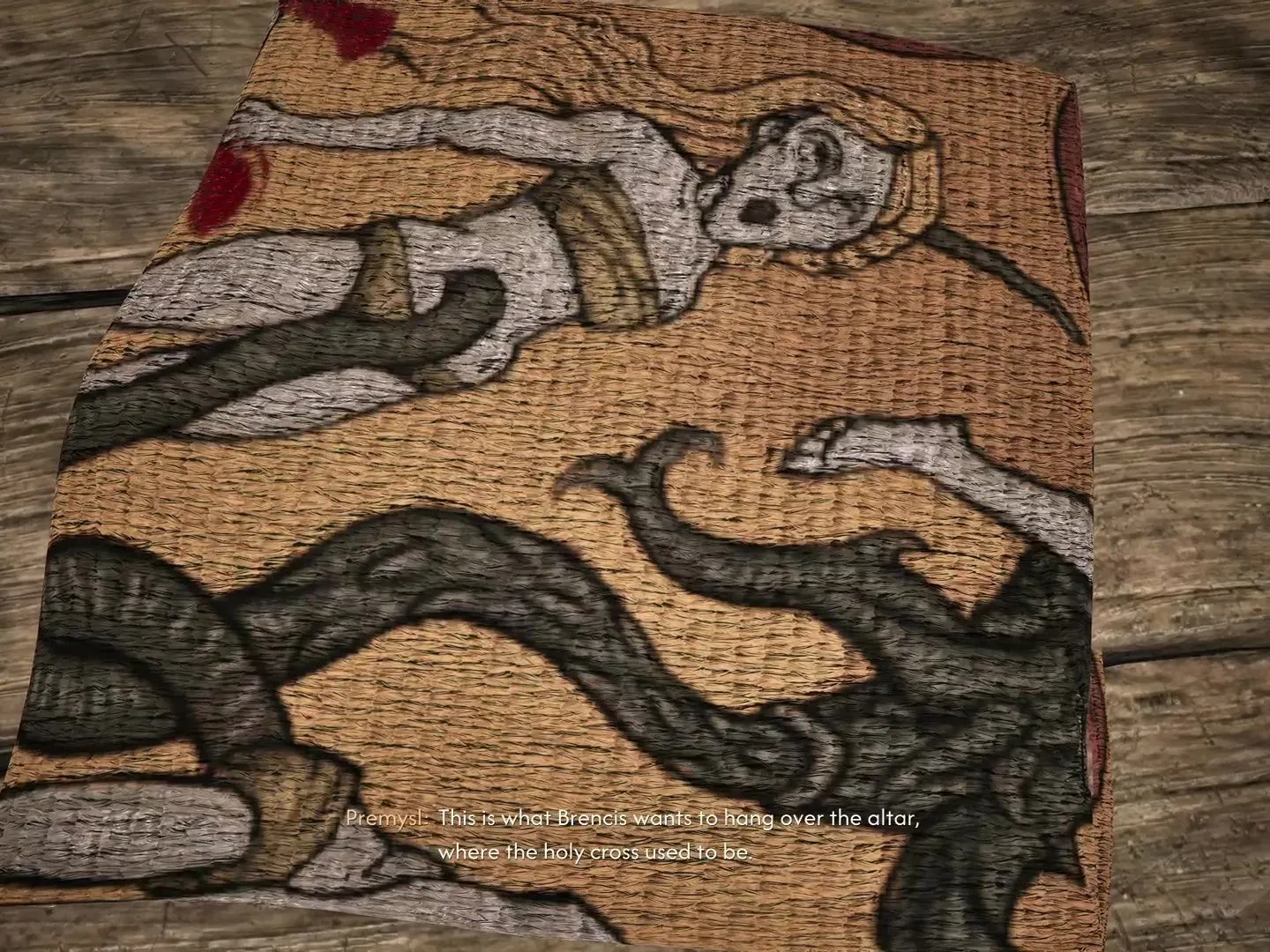
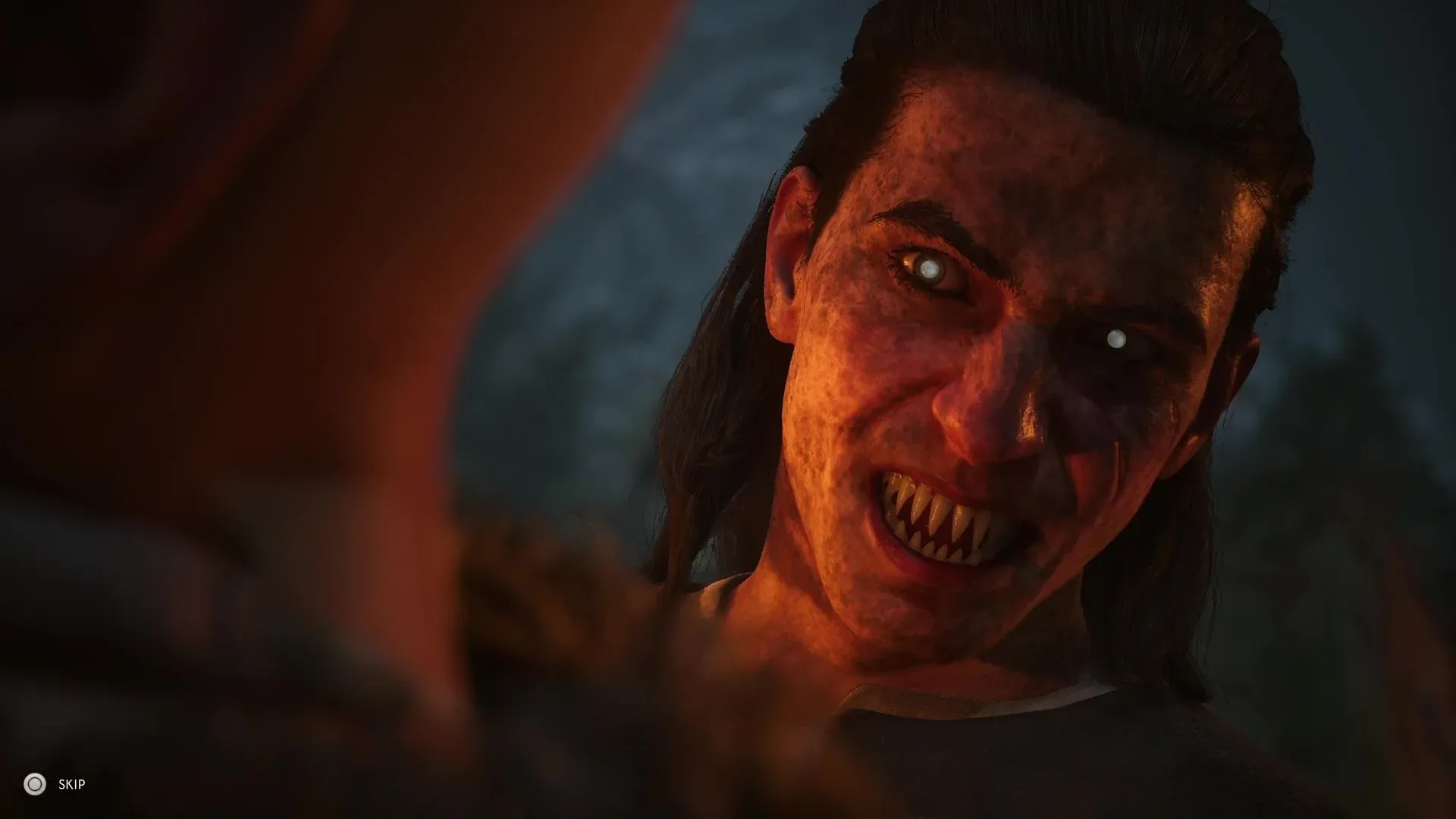
This makes Premysl more than a convenient answer to a clue puzzle. He is acting against what he views as a profoundly wrong use for the banner. Brencis intends to place it in the church in place of the cross, and the image itself is described as a gruesome display of vampiric slaughter. For Premysl, who is devoutly Christian, allowing that to happen is unacceptable. His theft is therefore an act of resistance, however limited and secretive it may be.
Gremla’s position is different. She is not depicted as celebrating the banner’s purpose. Her concern is survival: if producing it keeps Brencis from harming Laslea, she sees compliance as the safer path. The quest’s missing-banner premise therefore opens into a smaller version of a much larger dilemma. One villager risks defiance to preserve a religious symbol and reject intimidation; another accepts an awful commission in the hope that cooperation prevents worse suffering.
Should you tell Gremla that Premysl took it?
After speaking with Premysl, Blasphemy offers its key decision. You can tell Gremla that Premysl was the thief, or you can keep his involvement secret.
If the goal is the most straightforward practical outcome, tell Gremla the truth. She gives the player 25 Denarius as a reward. The available information indicates that the decision does not lead to a major later consequence, so players do not need to treat this early branch as an irreversible, campaign-defining trapdoor hidden under a shed.
That limited mechanical impact does not mean the choice is empty. It simply means the decision is primarily about how the player reads the conflict:
- Tell Gremla: You complete the investigation openly, name Premysl as the thief, and receive 25 Denarius. This recognizes Gremla’s request and gives her the information she wanted.
- Keep Premysl’s secret: You decline to expose him after learning why he acted. This aligns more closely with his refusal to let the banner be used in the church, though it does not appear to produce a substantial later difference.
There is no need to overthink the choice as if Laslea’s entire future hangs on a dialogue line. The game’s larger early pressures remain larger than this side quest. Still, the contrast between Gremla and Premysl makes it a useful character moment. Gremla’s reasoning is grounded in fear of what Brencis may do. Premysl’s is grounded in faith and refusal. Neither motivation is difficult to understand, which is precisely why the choice has more texture than the reward suggests.
Quick answer: Inspect the odd footprints behind Gremla’s shed, follow them to the bloodied banner scrap, then speak with Premysl near the northeast farm. He stole the banner. Telling Gremla earns 25 Denarius, while keeping quiet does not appear to cause a major later change.
Why the clues matter more than the reward
It is tempting in an opening-area side quest to focus only on the result: identify Premysl, make a dialogue selection, collect 25 Denarius if you disclose the truth, and move on. Blasphemy is small enough to be completed quickly, but it establishes a useful expectation for investigating Laslea. The game wants attention paid to physical traces and the conclusions that can be drawn from them.
Focus Mode highlights objects of interest, but the quest’s structure suggests that noticing is only the first step. Players must also interpret. A footprint is evidence of mobility and habit. Blood is evidence of injury. Neither clue names Premysl outright; the information gains value when combined. That is a better introduction to an investigation tool than a single glowing object that simply announces the culprit with the subtlety of a town crier holding a neon sign.
It also makes the conversation with Premysl feel earned. His cane and wounded hand are not surprise details introduced after the player finds him. They are the features the shed investigation already told the player to seek. By the time he confesses, the discovery confirms the trail rather than replacing it.
Blasphemy’s place in the Laslea opening
Laslea’s prologue includes several decisions and tasks that can feel urgent, particularly when the game’s passage of time is in the back of the player’s mind. Blasphemy is optional, but it is a manageable detour for anyone who wants to learn the investigation rhythm before moving deeper into the opening. The quest stays geographically contained, requires no obscure item hunt beyond the two clues near the shed, and ends with a choice whose stakes are understandable even if its long-term effects are modest.
The broader opening is also full of the sort of social pressure that makes a town quest more interesting than a simple fetch job. The banner is not valuable because it is rare or expensive. It matters because of where it may be displayed and what that display represents. Gremla wants the danger to pass over Laslea. Premysl wants to deny that danger legitimacy. The player arrives after the theft, but still gets to decide whether the thief’s identity becomes part of the official story.
For a lighter break after sorting out the village’s banner dispute, there is always the equally serious business of learning the unwritten rules of couch multiplayer. And anyone who enjoys following a small clue trail to its logical end may recognize a familiar collecting instinct in the five stages of buying one small thing: it starts with a modest objective and somehow becomes a whole situation.
Blasphemy quest checklist
- Accept Gremla’s request to locate the stolen banner.
- Go behind her shed and activate Focus Mode.
- Examine the unusual footprints.
- Follow the trail to inspect the bloody piece of banner.
- Use the clues—an injured hand and a cane—to identify the likely thief.
- Find Premysl sitting near the farm in northeastern Laslea.
- Question him until he admits taking the banner and explains his motive.
- Choose whether to tell Gremla. Reporting Premysl provides 25 Denarius; the decision does not appear to have a significant later payoff.
So, if you are stalled on Blasphemy: do not search every corner of Laslea, and do not wait for the banner to stage a dramatic return. Check behind the shed, read the tracks and bloodied cloth, then visit Premysl by the northeastern farm. The real question is not who stole Gremla’s banner. It is whether, after hearing why, you think Gremla should know.