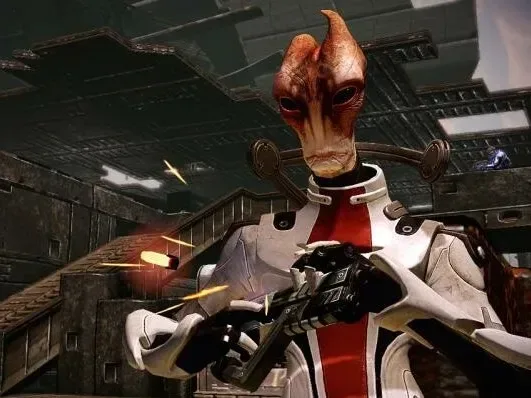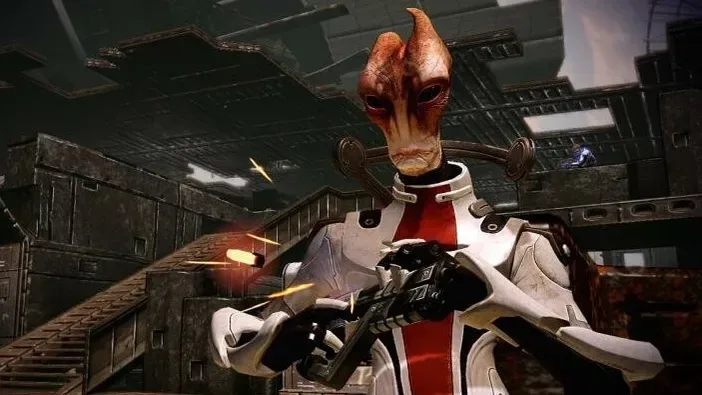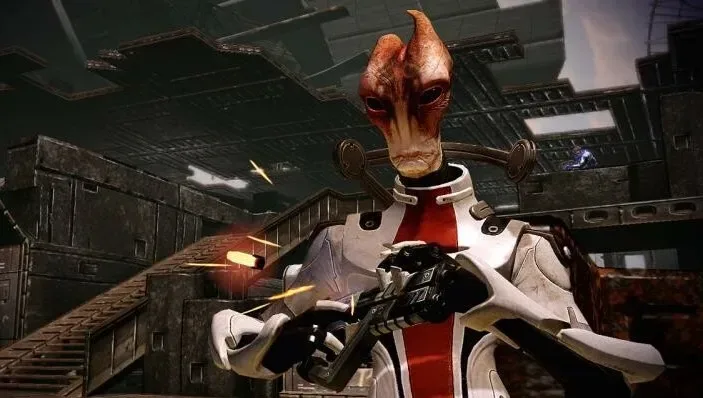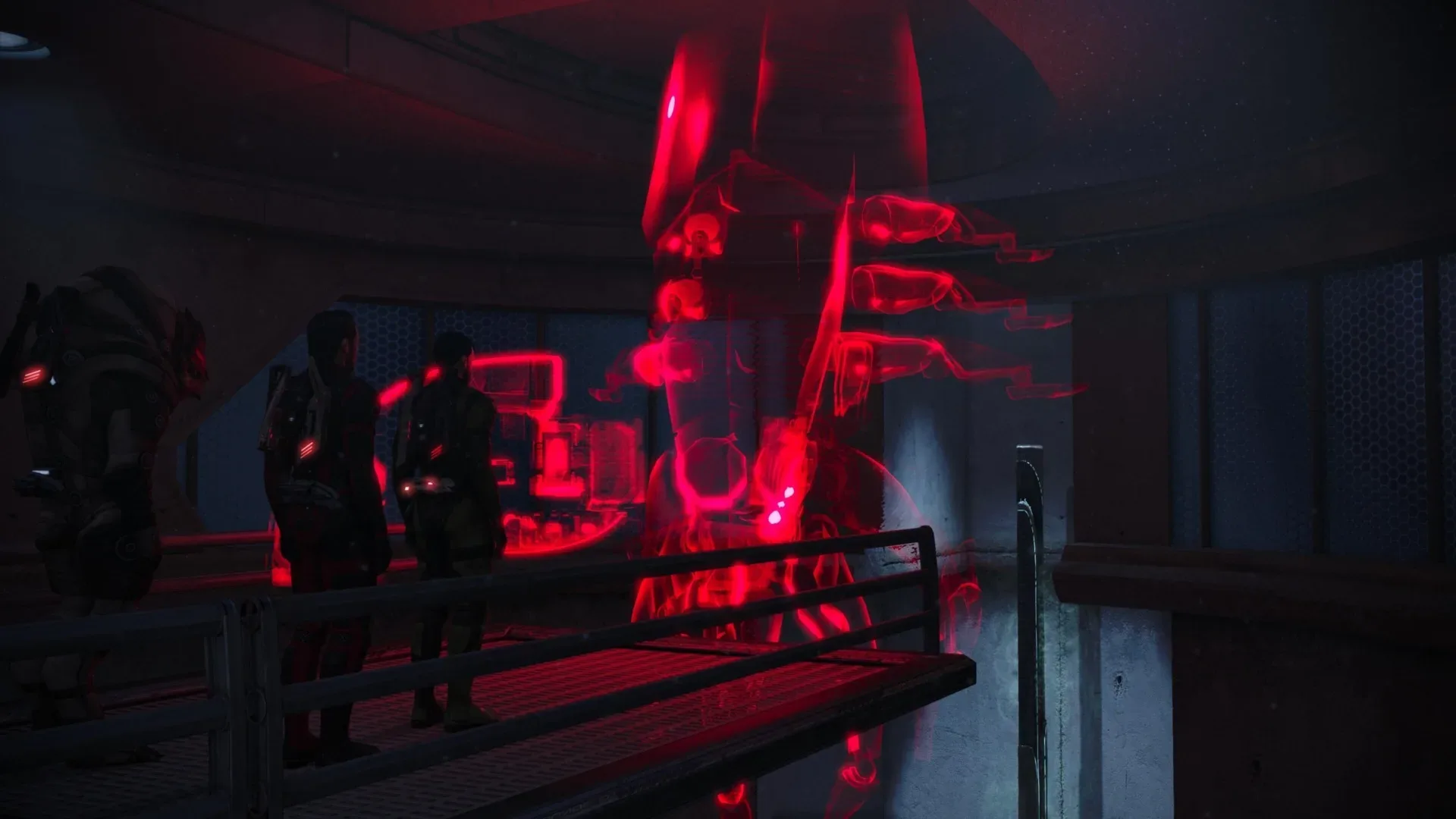
A previously unreleased Mass Effect 2 trailer has surfaced from the game’s development, offering a rare look at how its cinematics were being framed in April 2009. Shared by Jonathan Cooper, identified as the sequel’s lead animator, the footage was an internal demo reel rather than a consumer-facing advertisement. Its job was apparently to show the animation team’s in-progress cinematic work—making it a notably different artifact from the polished trailers eventually used to sell the game.
That distinction matters. A public trailer is designed to communicate a finished product’s appeal quickly and cleanly. An internal reel can be rougher, more selective and more revealing about the team’s intentions. It may use temporary choices, spotlight work that needs approval, or assemble story material in a way that would never make sense as a final marketing campaign. In this case, the reel presents an unusually early snapshot of Mass Effect 2’s dramatic priorities: Shepard’s apparent death, a more aggressive action-movie cadence, and the arrival of the Normandy’s new crew.
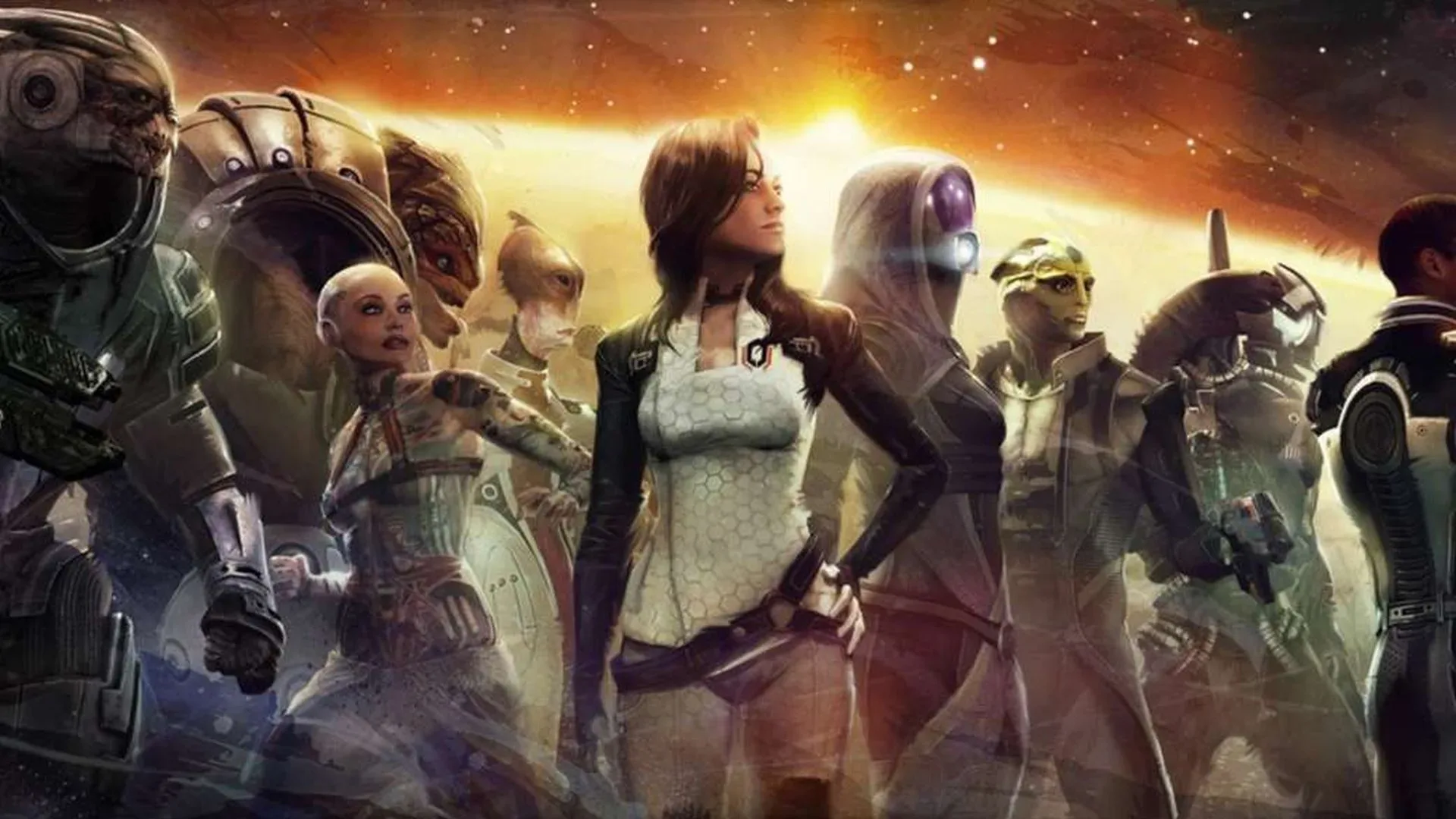
The footage can be viewed through Cooper’s post sharing the reel. While some of the images are difficult to make out, familiar companions including Miranda, Garrus and Jack can be identified among the material. Fans who know the finished game will also recognize moments that survived from this early cinematic presentation into the release version.
An internal reel, not a lost public trailer
Calling the clip a “trailer” is useful shorthand, but the available description makes its purpose more specific: it was a demo reel of cinematics in progress. That means it should not be treated as evidence that the game was once marketed with this exact structure, narration or musical choice. It was created for developers, not audiences outside the studio.
For players, that makes the reel interesting in a different way. It gives a window into the production language behind a story-driven role-playing game. Cinematics are non-interactive scenes that use animation, performances, camera work, editing and sound to advance plot or character moments. A cinematic demo reel can show whether those elements are beginning to line up: whether a cut is landing with the intended energy, whether a character entrance reads clearly, or whether the team has the raw material for a major story beat.
The April 2009 timing is particularly significant because the reel is explicitly described as in-progress work. What viewers see is not simply “the game before release”; it is a curated development snapshot. Some scenes later appeared in Mass Effect 2, but that does not mean every framing, transition or presentation element in the reel was destined for the final version.
Shepard’s death establishes the sequel’s stakes immediately
The reel opens with Shepard’s death before moving into a forceful monologue from the Commander and then introducing the Normandy’s incoming crew. Even without treating an internal edit as a definitive statement of the completed game’s design, the ordering makes the desired tone plain. The sequel was positioning its protagonist around catastrophe, recovery and momentum.
That framing stands apart from the first Mass Effect’s more optimistic feel. The original game’s universe could certainly become dangerous, but this reel foregrounds a tougher, more urgent mood. The result is closer to the grammar of a 2000s action film: an immediate high-stakes opener, a protagonist speaking with conviction, then a rapid move toward the people who will join the mission.
Related coverage includes Unearthed Mass Effect 2 Demo Reel Reveals BioWare's Early Cinematic Ambitions.
It is also a helpful reminder that tone is built through more than plot points. Camera selection, the order of shots, a vocal delivery and song placement can all change how a familiar story reads. By leading with Shepard’s death and concentrating on a sharper presentation of the Commander and crew, the demo reel communicates an action-forward interpretation of the sequel before the player ever reaches a dialogue choice or combat encounter.
Recognizable companions offer a bridge to the finished game
Miranda, Garrus and Jack are among the characters visible in the footage. Their presence makes the reel more than an abstract animation test: it is tied to the cast players would ultimately associate with Mass Effect 2. Garrus provides a clear point of continuity from the first game, while Miranda and Jack represent part of the sequel’s new group around Shepard.
Seeing these characters in a development-era montage is valuable because companion-driven RPGs rely heavily on introductions and story beats. The player’s attachment to a squad is shaped not only by dialogue systems and missions, but also by the cinematic emphasis placed on each person. An internal reel that gathers key characters and pivotal scenes indicates that the animation team was already considering how the sequel’s ensemble would be presented on screen.
Still, viewers should resist reading too much into an individual clip. A demo reel is edited for demonstration, not for exhaustive documentation. It can show that a scene or character was important enough to include; it cannot, on its own, establish how complete that content was, what alternative versions existed, or how the broader game changed afterward.
The music is another sign of the reel’s private purpose
The track used in the footage is C’Mon Try A Little Bit by Melodrone. It does not appear to have been part of the promotional material shared publicly for Mass Effect 2 at the time. That is one more reason to separate the clip from an official launch campaign.
Music in a work-in-progress reel can function as a mood reference rather than a final creative commitment. A song can provide pacing and attitude while editors assess how a sequence plays, even if it has no relationship to the game’s eventual soundtrack or advertising. Here, the choice reinforces the reel’s brash, era-specific energy, but it should not be mistaken for lost official Mass Effect music.
That may be why the newly visible footage feels so unlike the trailers players remember. It is not simply an earlier cut of a public video. It is a piece of internal communication that happened to preserve a distinct interpretation of the game’s tone.
What Cooper’s comments add to the footage
Cooper shared little production detail alongside the video, but his recollection sketches the emotional environment around the work. He mentioned remembering “all the arguments and drama on the team,” while also recalling the excitement of reading scripts and imagining how powerful Shepard could look while hitting major story moments.
“But mostly reading the scripts and getting pumped imagining how awesome we could make Shepard look hitting those story beats.”
The remark should not be expanded into a definitive account of the project’s development; no further specifics about those disagreements were provided. But it does underline a straightforward reality of cinematic game production: teams must turn written scenes into visual moments that make character stakes legible. Animation, staging and editing all influence whether a script’s intended beat arrives with the required force.
“Story beats” is a useful term here. It refers to the important turns in a narrative—the reveal, decision, setback or escalation that moves a character or plot into a new state. A reel structured around Shepard’s death, declaration of purpose and crew material is effectively showcasing those beats as visual events. It is demonstrating not just that scenes exist, but that they can be made to feel consequential.
Why archival development footage matters now
Mass Effect 2 is frequently held up by fans as one of BioWare’s strongest games, so a previously private glimpse at its construction has obvious historical appeal. It also has practical value for anyone interested in how games evolve. Development materials can reveal the gap between an idea’s first presentation and the form audiences finally encounter: familiar scenes may already be present, while editing choices and stylistic emphasis can look markedly different.
That gap is worth preserving rather than flattening. It is tempting to judge any early reel exclusively by the final game, spotting what changed or what remained. Yet this clip is most useful when viewed on its own terms: as evidence of an animation team trying to define a sequel’s cinematic identity while work was underway.
The timing also gives the rediscovery added weight amid concern over the series’ future. The material supplied with the reel says that EA has closed BioWare and cancelled Mass Effect 5, prompting fans to organize the Save Mass Effect campaign. That campaign calls for the publisher either to support new games, license the series to another developer, or return it to people who previously worked on it. Those claims describe a community response and its stated goals, not a confirmed path for the franchise.
For now, the demo reel does not announce a new project, remake or re-release. It offers something narrower, but still meaningful: a preserved look at Mass Effect 2 before its public image had solidified. For a comparison with the other end of modern blockbuster coverage—where files and technical hints fuel ongoing speculation—see our report on GTA 6 preload clues and possible technical details. The Mass Effect clip is a reminder that sometimes the most revealing game artifact is not a roadmap for what comes next, but an honest fragment of how a beloved game once looked while it was still becoming itself.