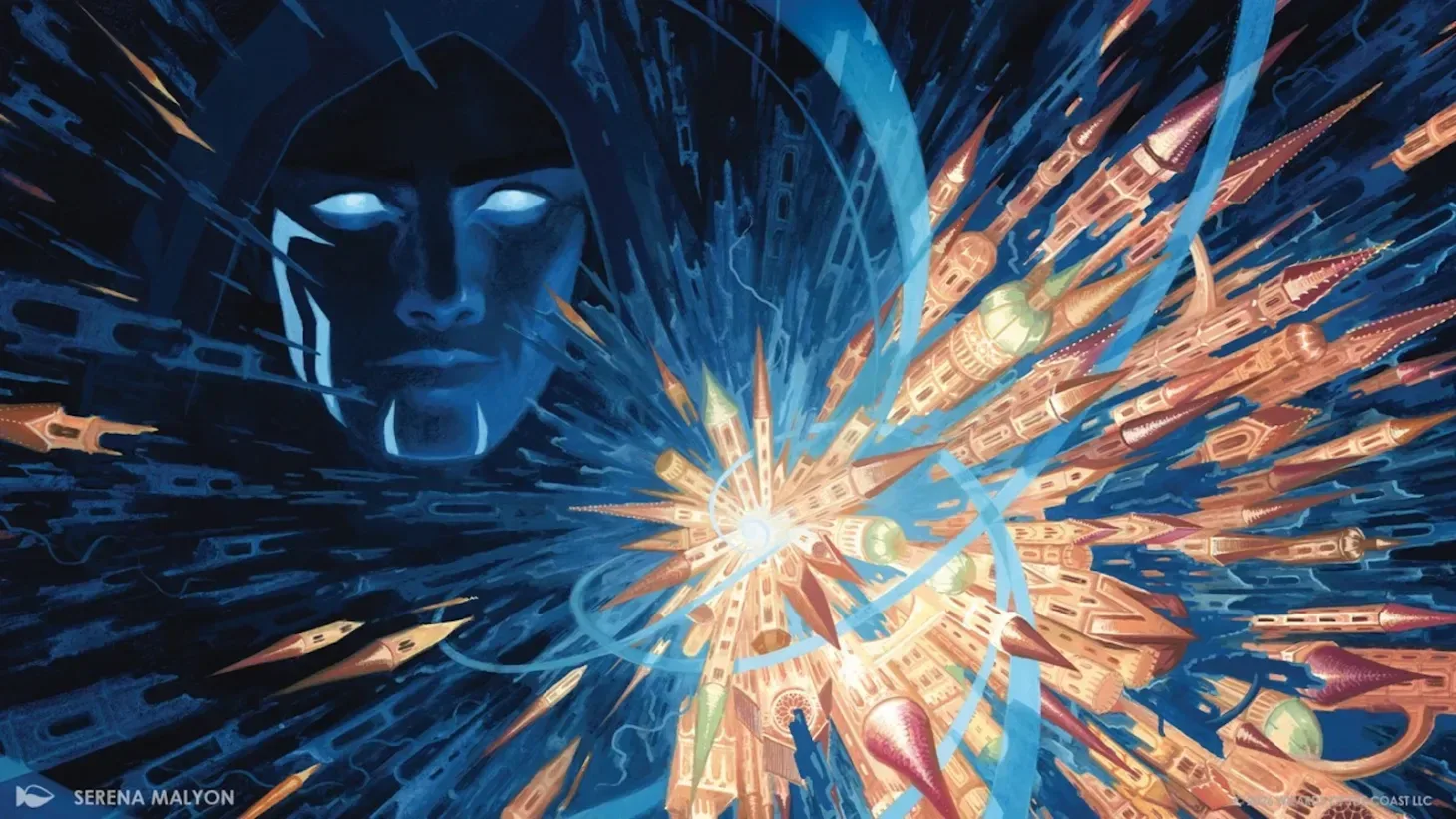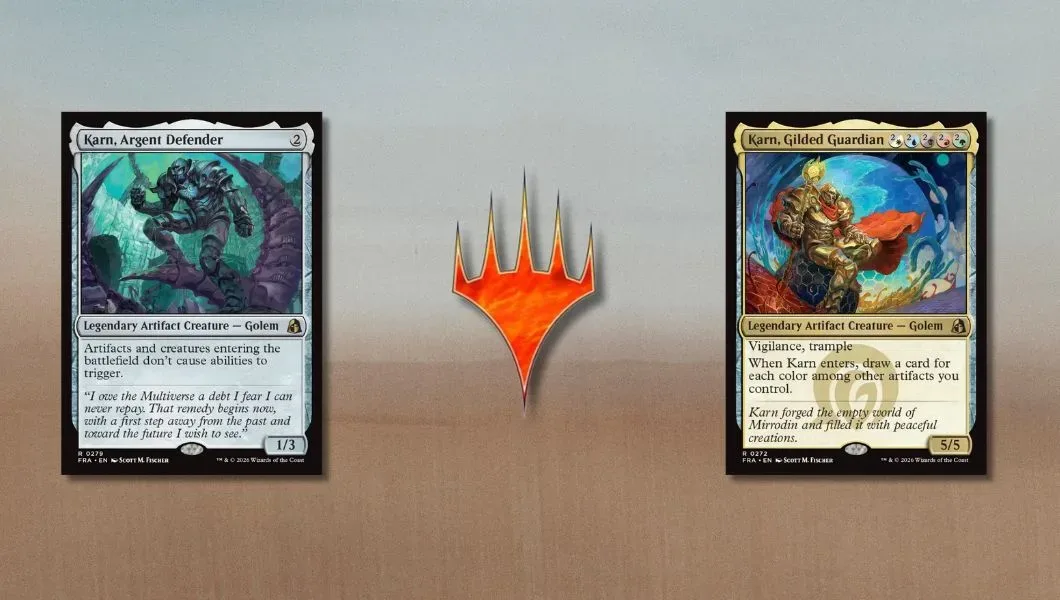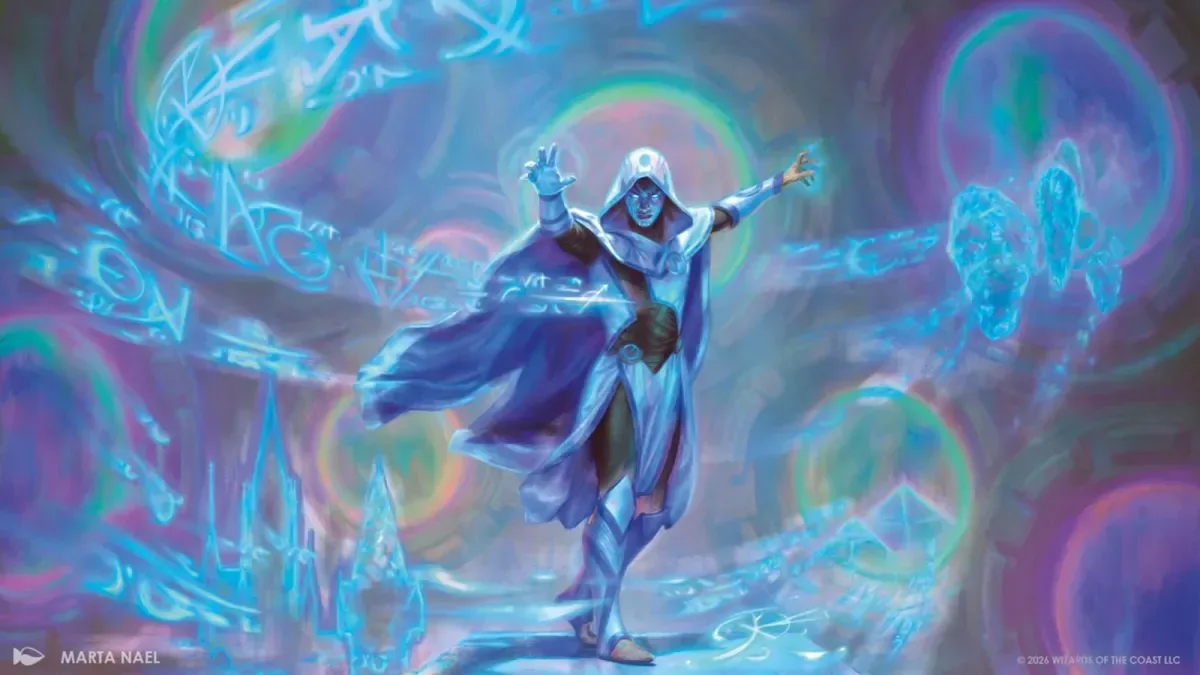
Magic: The Gathering – Reality Fracture is scheduled to launch worldwide on October 2, and its central premise is no small thing: Jace Beleren is attempting to remake existence. The legendary Planeswalker sees a Multiverse in need of repair, but his answer is not a modest patch, a strongly worded memo, or even one of those “have you tried turning reality off and on again?” moments. He intends to construct a replacement, piece by piece, in his own image. That mirror creation is called the Echoverse.
The set’s story places Jace’s former allies in opposition to that project as the Echoverse threatens to overtake the Multiverse they know. The framing gives Reality Fracture a deliberately speculative identity: it is a Magic set of alternate outcomes, familiar figures in unfamiliar colors, and mechanical expectations that are turned sideways without discarding the game’s underlying identity.
For players and collectors, the October 2 release is therefore not merely another chance to pull a powerful card. Reality Fracture is structured around seeing recognizable Magic ideas refracted into changed versions of themselves. The concept reaches from the narrative all the way into the booster-pack experience, where each pack is set to include a paired glimpse at a character or concept from more than one reality.
Jace’s Echoverse is the set’s big “What if?” machine
Reality Fracture asks what happens when one of Magic’s most recognizable Planeswalkers decides that the existing Multiverse is fundamentally broken and tries to solve the issue with a personally designed substitute. Jace’s Echoverse is described as a perfected mirror reality, which is a phrase with the reassuring energy of a wizard saying, “I have improved the sun.” It is the heart of the set, and it supplies the in-world reason for alternate versions of characters, spells, and mechanics.
Jace’s old allies are expected to rally against him, with the group also joining forces with a Wildspeaker from Magic’s past. The wider story has been unfolding across a 10-episode run of The Magic Story Podcast; its finale is set for Friday, September 11.
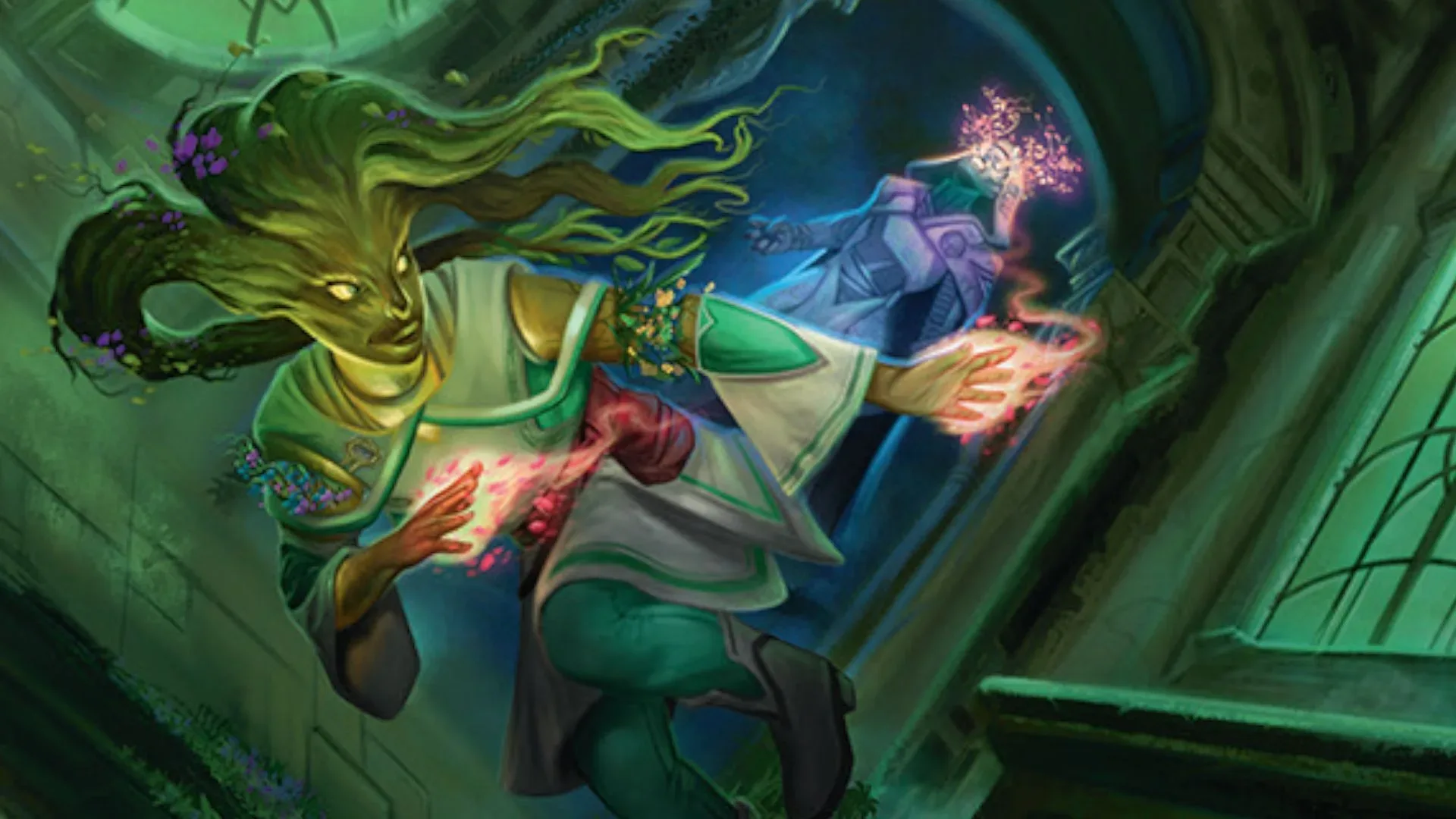
That setup matters because the set’s altered cards are not presented as random novelty variants. They are an extension of the conflict. A familiar person, spell, or ability may be recognizable at first glance, then reveal a different color, name, role, or implication once the Echoverse has done its meddling. Reality Fracture is effectively making its cards participate in the premise rather than leaving the alternate-world angle to flavor text alone.
An Amass mechanic that builds Jace instead of an Army
One of the clearest examples of Reality Fracture’s approach is Amass. Traditionally, Amass creates or enlarges an Army creature token. In Reality Fracture, the mechanic is being reworked to make a Planeswalker token instead—specifically, a Jace Planeswalker token.
That is a dramatic thematic switch. An Army token suggests a force accumulating under a banner; a Jace token suggests that the very idea of Jace is spreading across the battlefield. Mechanically, it also means the set is putting one of Magic’s signature card types into an unusually prominent token-making role. The stated expectation is that Jace will appear in almost every Limited game, making this an especially consequential part of the set’s environment rather than a decorative one-off.
Related coverage includes Magic: The Gathering - Reality Fracture Brings Jace's Echoverse to the Multiverse on October 2.
Limited players generally approach a new set by learning its signpost archetypes, combat patterns, removal options, mana demands, and the format’s standout engines. Reality Fracture adds another immediate question: how much does the presence of Jace Planeswalker tokens shape normal games of Draft and Sealed? The answer will depend on the final card file and token rules, but the design intent is unmistakable. Jace is meant to be felt frequently.
It is also an unusually literal interpretation of an alternate-reality threat. If the Echoverse is Jace’s attempt to impose a new reality, then Amass producing Jace tokens makes every such trigger feel like another small piece of that plan reaching the table. Plenty of Magic mechanics have been flavorful. Fewer have such a direct connection between the story’s central problem and what a player physically creates during a match.
Every booster has a paired alternate-reality reveal
The booster construction is where Reality Fracture’s “What if?” identity becomes particularly tangible. Every booster is set to contain the same character twice, but in different colors. One possibility is a red Chandra alongside a blue Chandra. The Echoverse version carries a special watermark to identify it as the altered-reality version.
That is a clever bit of pack-level storytelling. Rather than making an alternate Chandra a rare surprise that may never cross a player’s path, the pairing itself is expected to be a recurring part of opening boosters. Each pack can present a compact before-and-after—or perhaps a “this universe versus that universe”—comparison. It gives the set a visible collecting hook while also making the alternate-reality theme hard to miss during Draft, Sealed, or a casual pack opening.
The concept is not limited to characters. The set also includes altered pairs such as Way of the Pyromancer and Way of the Cryomancer, as well as Return to the Light Realms and Rise of the Dark Realms. Those names illustrate the broader approach: counterparts may retain enough connective tissue to feel intentionally paired, while the Echoverse changes the direction, color, or outcome.
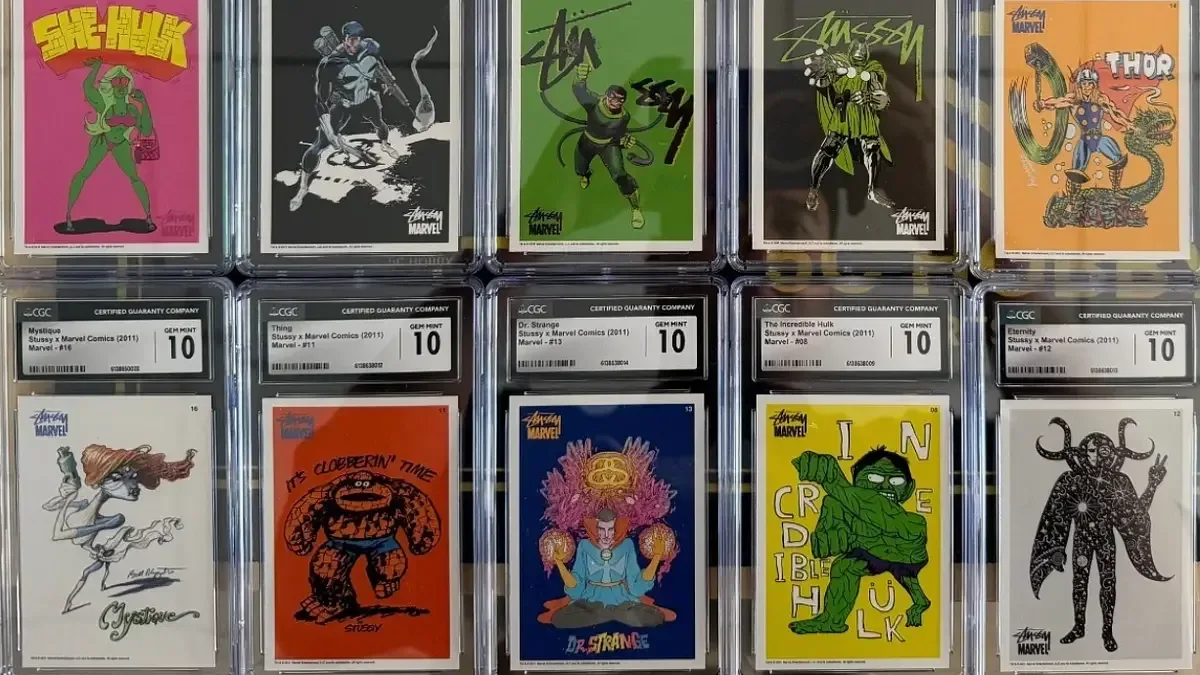
For collectors, the watermarked altered-reality cards add a clear visual identifier without relying entirely on a new border treatment to do the explanatory work. That makes it easier to understand what distinguishes an Echoverse version at a glance. It also invites binder pages built around pairs—an appealing prospect for anyone who enjoys collecting a theme as much as chasing individual marquee cards. The wider hobby has long found value in designs that encourage comparison and completion, a dynamic also visible in collectible-card projects such as Stüssy x Marvel’s 2011 trading cards.
Alternate versions, but not a broken color pie
A set built on mirror identities naturally raises a rules-and-expectations question: if a character changes colors, does the game’s color pie get tossed into the nearest dimensional rift? Reality Fracture’s answer is no. Even with its altered-reality cards, the set is intended to remain faithful to the color pie.
That restraint is significant. Magic’s five-color system is one of its foundational pieces of game design, shaping what kinds of effects players expect from white, blue, black, red, and green. A blue Chandra may immediately sound like an invitation to unrestrained multiversal chaos, but the set’s approach suggests the alternate version will still operate within blue’s appropriate mechanical territory rather than simply borrowing red’s identity with a fresh coat of paint.
In other words, Reality Fracture wants the shock of recognition—“Chandra, but blue?”—without making that surprise an excuse to ignore the game’s established structure. The alternate-world hook changes the lens, not the grammar. That should help the paired cards feel novel while keeping their colors readable to experienced players and approachable to newcomers who are learning what each color is generally allowed to do.
Cards, lands, and product are part of the October 2 rollout
Reality Fracture will include its main booster cards alongside borderless tower basic lands, giving the set a landscape-oriented showcase treatment for a foundational deckbuilding element. The early material also points to more unusual and likely rarer cards appearing in boosters, though individual card text, rarity details, and final gameplay roles remain the important pieces to watch as the full set becomes known.
Boxed Reality Fracture products are also planned for local game stores as part of the release. Specific product configurations and pricing are not established here, so players should be careful not to treat early images or assumptions from past releases as confirmation of every format in the line. What is confirmed is the worldwide October 2 launch window and the set’s broad availability through the usual local-store channel.
What to watch as Reality Fracture comes into focus
- Jace token details: Since the revised Amass mechanic creates Jace Planeswalker tokens and Jace is expected in almost every Limited game, their exact rules will be central to evaluating the format.
- Color-shifted characters: The red-and-blue Chandra example establishes the premise, but the fuller list of paired characters will show how widely the Echoverse reaches.
- Watermarked variants: The special mark on altered-reality cards will be the key visual cue for distinguishing Echoverse counterparts.
- Paired spell names: Cards such as Way of the Pyromancer and Way of the Cryomancer demonstrate that the set’s divergence is not restricted to legendary personalities.
- Borderless tower lands: Basic lands are a perennial collecting lane, and the tower treatments give Reality Fracture an additional visual identity beyond its character pairs.
- Limited construction: With every booster carrying linked alternate versions and a major Jace-token mechanic, Draft and Sealed should reveal how successfully the set converts its high-concept fiction into repeated tabletop decisions.
Reality Fracture’s most interesting promise is not simply that it will show alternate versions of familiar Magic staples. It is that the set is arranging those alternatives as a regular part of opening packs and playing games. On October 2, the Echoverse will not be a distant lore location. It will be in the booster, on the watermark, and—if the Amass twist lands as intended—probably occupying a suspicious amount of battlefield space in the form of Jace.