Magic: The Gathering has more than 33,000 unique cards, a number that makes complete familiarity an unrealistic goal for any one player. That basic reality is central to a fresh argument over product fatigue: if nobody can reasonably know every card, should players simply stop trying to follow every release?
Mark Rosewater, a Magic designer, has argued that the answer is yes. Responding to concerns over the pace of releases, Rosewater said research indicates only a small minority of players feel compelled to track every newly released card. He characterized that group as highly engaged players whose presence can be disproportionately visible in online discussion. His broader point was direct: a release schedule should be shaped by what players purchase and play, rather than by the amount of new information that the most plugged-in audience can comfortably retain.
That position has sparked a familiar, but worthwhile, disagreement. It is not really a fight over whether every player must memorize tens of thousands of cards. Almost nobody argues that is possible. The harder question is whether a rapid product cadence creates meaningful pressure even for people who consciously choose only a few formats, decks, or releases.
A reasonable premise meets an uneasy player experience
There is a practical appeal to Rosewater’s argument. Magic is not a game where every participant needs to consume every product. A player focused on one Commander deck, for example, can ignore most cards that do not fit its colors, strategy, or budget. A Standard player can narrow their attention to the cards that affect the format’s major decks. Someone who drafts occasionally does not have to become an expert on every constructed staple.
For more context, explore Android’s Gemini Scam Warnings Aim to Catch Deceptive Texts Before You Tap.
In that sense, “every product is not for everyone” is less an excuse than a necessary survival skill. A card game with a catalog this large requires filtering. Players already do it through formats, play groups, archetypes, favorite characters, crossover themes, and personal spending limits.
But critics are identifying a different burden: not the impossible task of knowing all the cards, but the recurring work of determining which new cards now matter to them. That work can return every time a player revisits a deck after months away. A Commander player may find that several new options compete with old choices, change a deck’s ideal mana base, or become expected answers at a local table. The deck still functions without those updates, but the feeling that it has fallen behind can arrive much faster when releases accumulate.
This is the important distinction. Product fatigue does not necessarily mean a player believes they are entitled to buy or understand everything. It can mean that the threshold for staying comfortably informed in one corner of the game feels higher than it used to.
Related coverage includes Magic: The Gathering's Product Pace Debate Intensifies After Mark Rosewater's Response.
Formats do not all carry the same information load
The debate has also exposed why a single answer may not fit Magic’s many formats. Commander, often called EDH, is generally a multiplayer format built around a legendary creature or other eligible card that leads a 100-card deck. Its huge card pool and casual, social nature give players plenty of freedom to ignore releases. A player can keep using a beloved list for years, and a play group can decide for itself how optimized it wants games to be.
That flexibility is precisely why some players see Commander as evidence that release volume is manageable. If only a handful of cards improve a particular deck, there is no requirement to chase them. The most useful response may be to identify the small number of relevant additions and leave the rest alone.
Other formats can create a different kind of expectation. Standard is a constructed format where the legal card pool changes over time. Players discussing the controversy pointed out that Standard’s premise makes knowledge of incoming sets more consequential: new cards can establish archetypes, improve existing strategies, or demand new answers. The concern is not that every card will see competitive play. It is that each release can reshape the practical decision-making environment around a format.
That does not mean every Standard participant must learn an entire set card by card. One commenter’s description of the efficient approach was to watch lands, planeswalkers, and the key cards supporting major archetypes, while recognizing that only roughly a couple dozen cards in many sets may gain substantial play. Archetype, in this context, means a recognizable deck strategy or shell: a cluster of cards and game plan that players can build around and prepare to face.
That is a useful corrective to the idea that a new set automatically equals hundreds of equally important decisions. Still, filtering has a cost. Someone must do the filtering, whether that means players reading spoilers, consulting deck lists, listening to friends, or accepting that they will discover new interactions across the table. The disagreement is over how often that effort is being requested, and how much of it a player should be expected to enjoy.
What the release calendar says
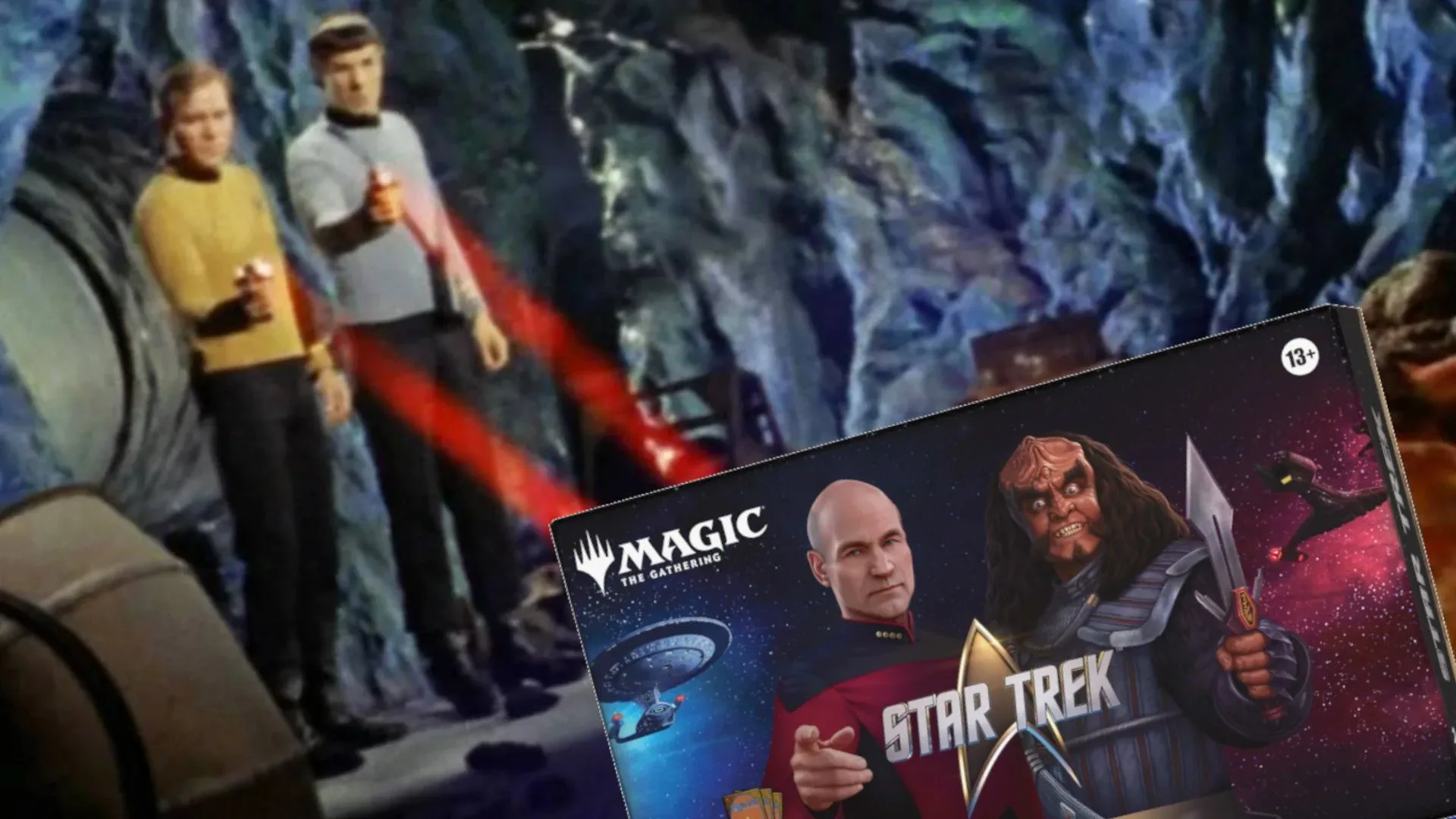
Magic had seven sets in 2026, with Reality Fracture identified as the most recent. A Star Trek crossover is due the following month. The planned 2027 slate is described as six sets, though they are expected to be full sets. That matters because not all releases carry the same volume of cards: 2026’s Teenage Mutant Ninja Turtles and The Hobbit releases were smaller sets with fewer cards.
Raw set counts therefore tell only part of the story. A player’s sense of pace is affected by how many cards each release contains, which formats it influences, whether it brings a new crossover theme, and whether it includes cards that become relevant to decks they already own. A smaller release can still demand attention from a particular fan if it affects their preferred format or strategy. Conversely, a full release can be easy to skip if it has little bearing on how they play.
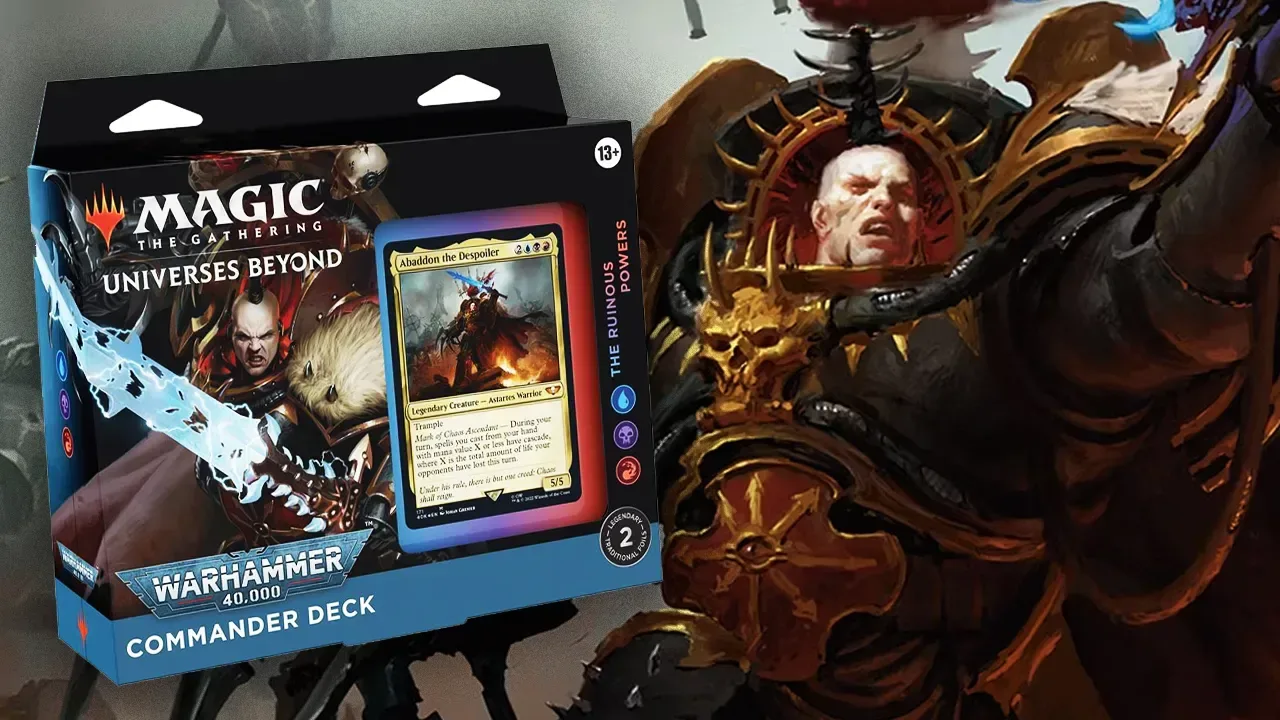
Wizards of the Coast is also continuing its Universes Beyond approach, which brings outside properties into Magic. The company recently revealed Darkhold Destiny, a 2027 Marvel set. Unlike the Spider-Man release in 2025 and Marvel Superheroes in 2026, Darkhold Destiny is set to use an original Magic-style story featuring Marvel characters.
Crossovers complicate fatigue in a way that is not reducible to tournament legality or deck upgrades. They can bring in people drawn to a franchise who might otherwise skip Magic, while also broadening the range of products that established players see promoted throughout the year. For collectors and flavor-focused players, a themed release may feel more personally relevant than a mechanically similar in-world set. That is valuable to some audiences, but it can also make opting out feel less straightforward for fans who enjoy both Magic and the featured property.
“Enfranchised” is not the same as wrong
Rosewater’s use of “enfranchised” points to players who are deeply invested in the game: people likely to follow previews, debate formats, update decks, attend events, or participate heavily in online communities. It is fair to note that this group is not the whole audience. Online conversation naturally favors people who care enough to keep up with it.
Yet the fact that a complaint comes from highly invested players does not make it trivial. These are often the players most able to explain where a system creates friction. If a returning Commander player looks at an older deck and feels that a large portion of its cards could be replaced after a year, that does not prove every player feels the same. It does illustrate a tension between a product line’s overall success and an individual player’s tolerance for maintenance.
Likewise, the business argument is clear without being emotionally satisfying. A company has reason to continue producing products that customers demonstrably buy and play. Reducing output solely because a subset of dedicated fans feels overwhelmed would not automatically serve the wider player base. But sales and play are not the only inputs that shape long-term goodwill. Players may keep buying while becoming more selective, disengage from particular formats, or stop following previews even if they remain attached to their existing decks and communities.
Neither side needs to pretend the other is irrational. A casual player can reasonably want more choices and more entry points. A long-time player can reasonably want enough breathing room to absorb the choices that affect their favorite format. The conflict arises when one player’s abundance is another player’s backlog.
Practical ways to opt in without trying to track everything
The healthiest version of Rosewater’s advice is not “care less,” but “decide in advance what deserves your attention.” Players who are feeling buried can set a personal scope that matches the way they actually play:
- Pick a format first. Follow the releases and cards that materially affect the format you play most, rather than treating all Magic news as equally urgent.
- Define a deck-update rule. Check favorite decks only when you are already planning to play them, or only after several releases, instead of treating every preview period as mandatory maintenance.
- Track categories, not every card. Lands, marquee planeswalkers, and cards supporting established archetypes can be more useful checkpoints than exhaustive set reading.
- Use your play group as a filter. For Commander especially, the cards and power level that matter at one table may not matter at another.
- Separate interest from obligation. A crossover can be fun to watch without becoming a product you need to own or a format change you need to solve immediately.
Those choices will not resolve the underlying argument over release cadence, nor are they a substitute for clear product communication. They do acknowledge the central reality of modern Magic: the game is too large to experience comprehensively. For some players, that is liberating. For others, it is an exhausting feature of a hobby they still love.
The release schedule is not presently pointing toward a dramatic slowdown. The more revealing question may be whether players can build sustainable ways to participate—and whether the game’s formats and product messaging make that selective participation feel like a valid choice rather than a compromise.