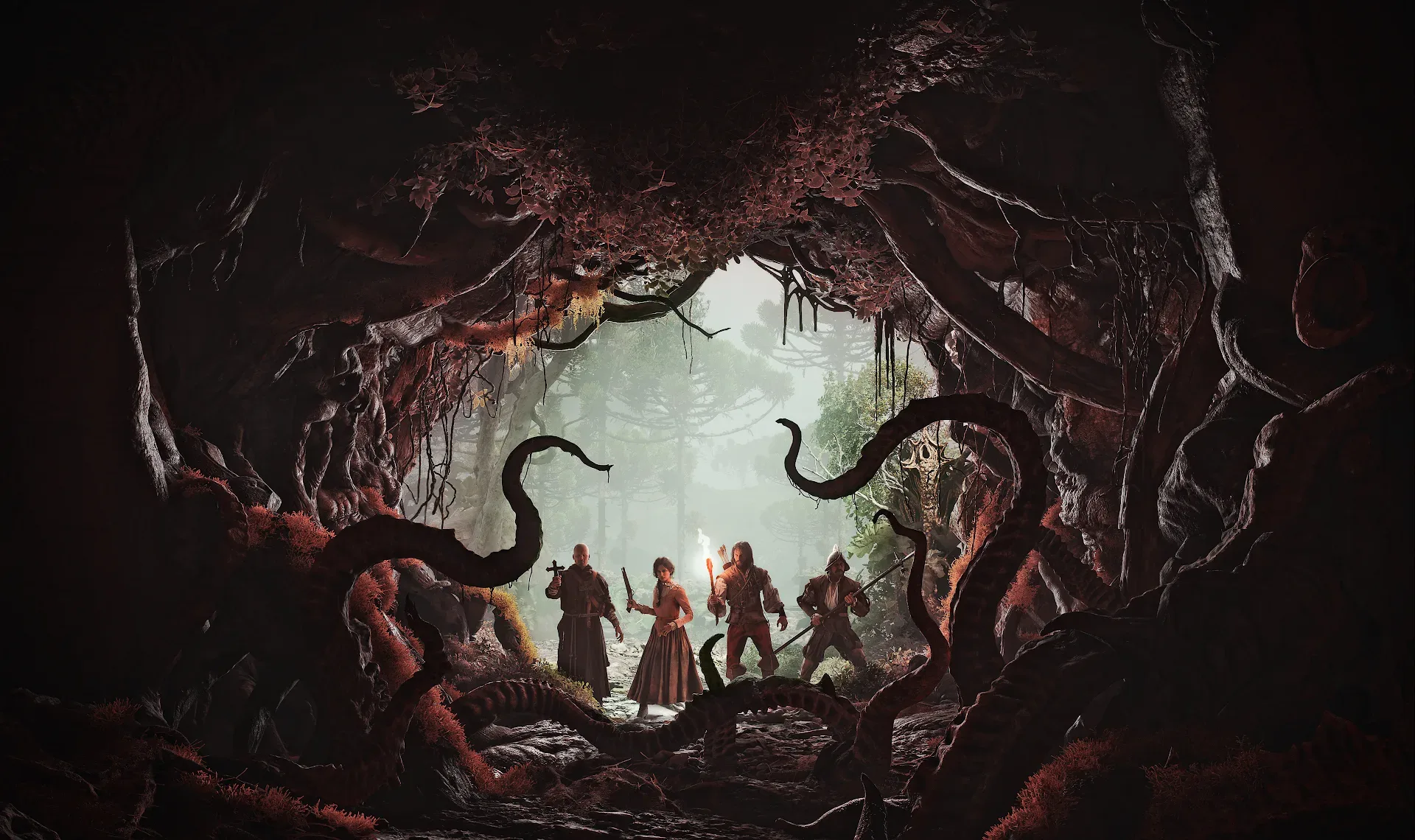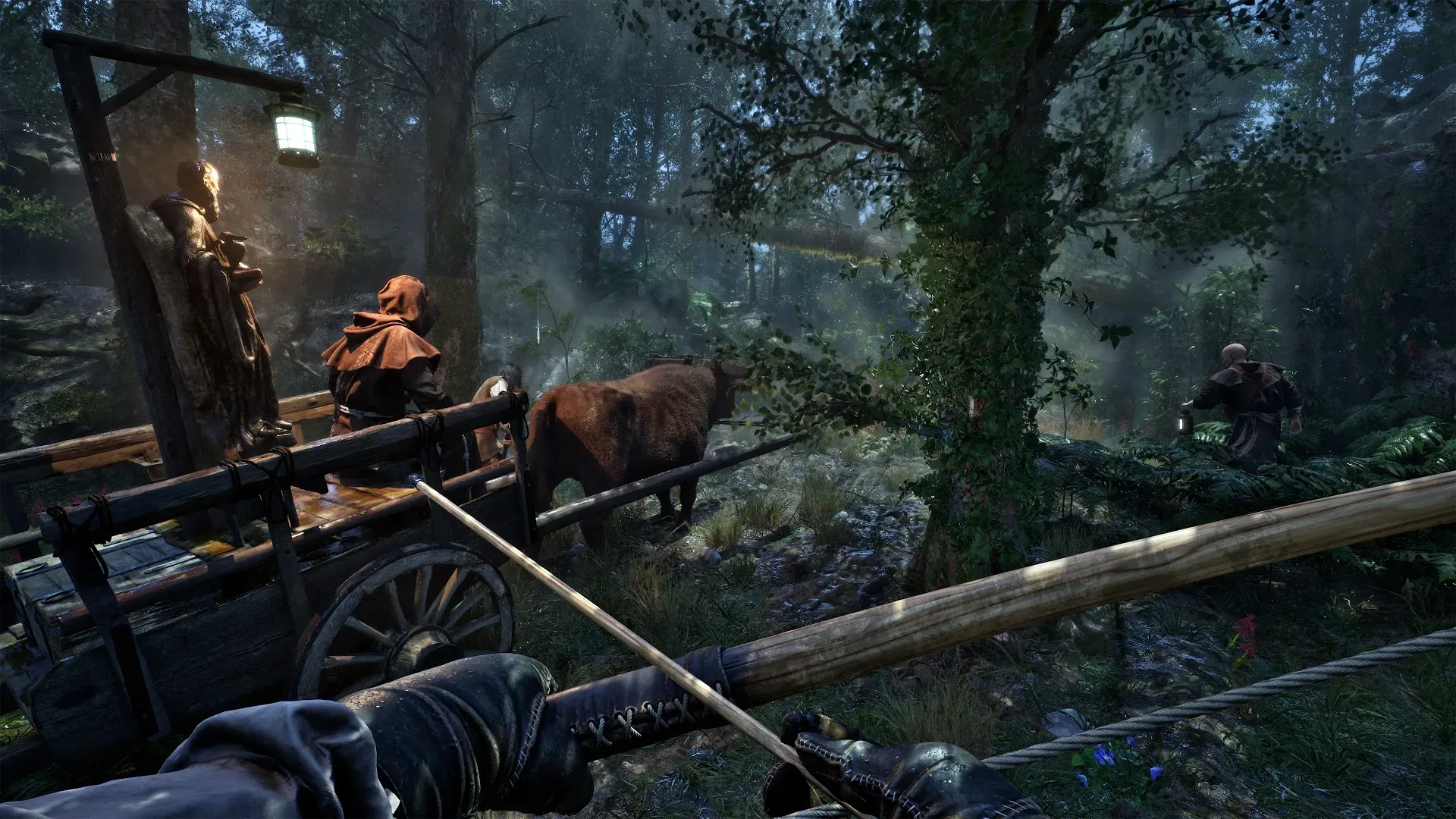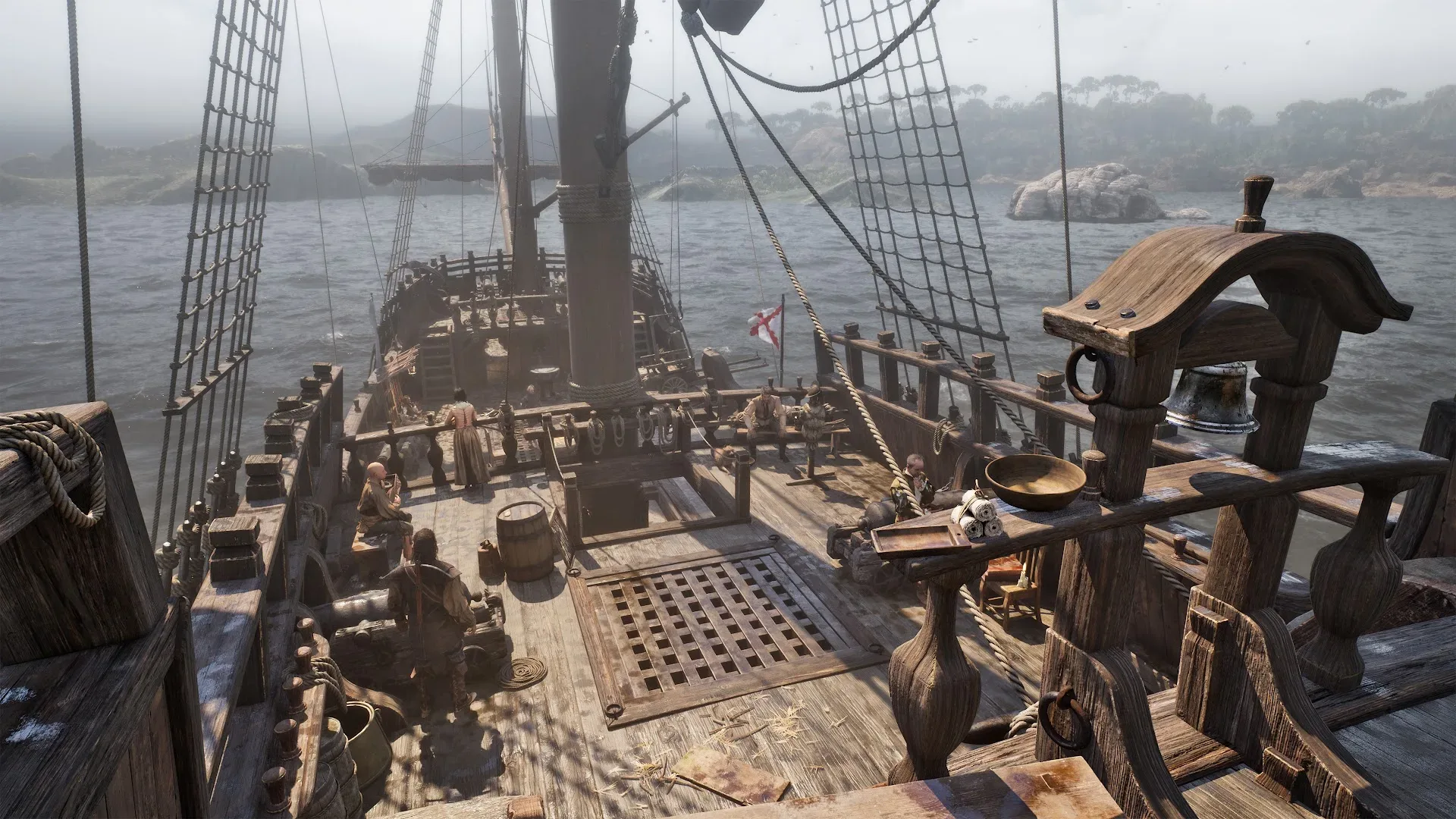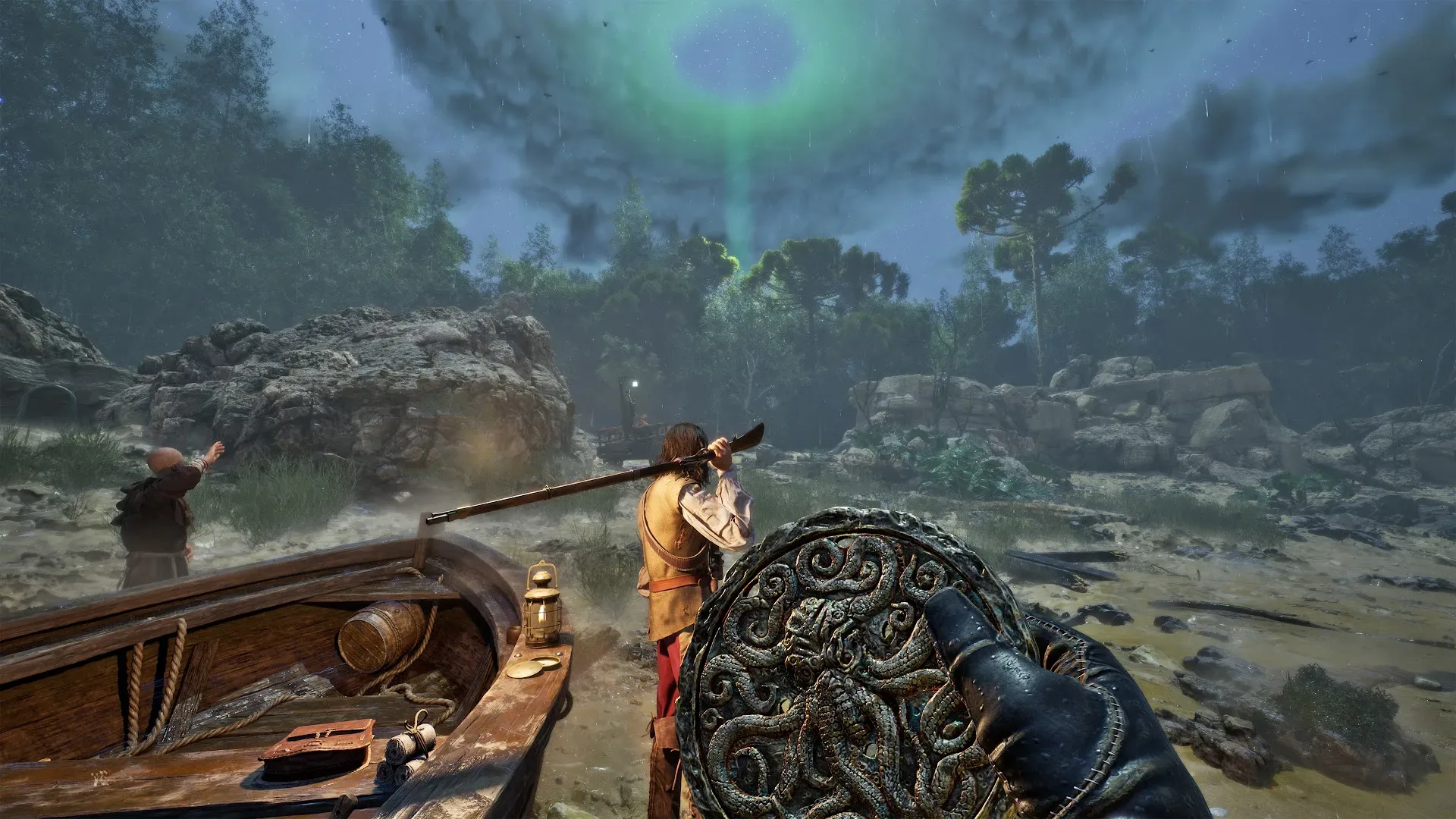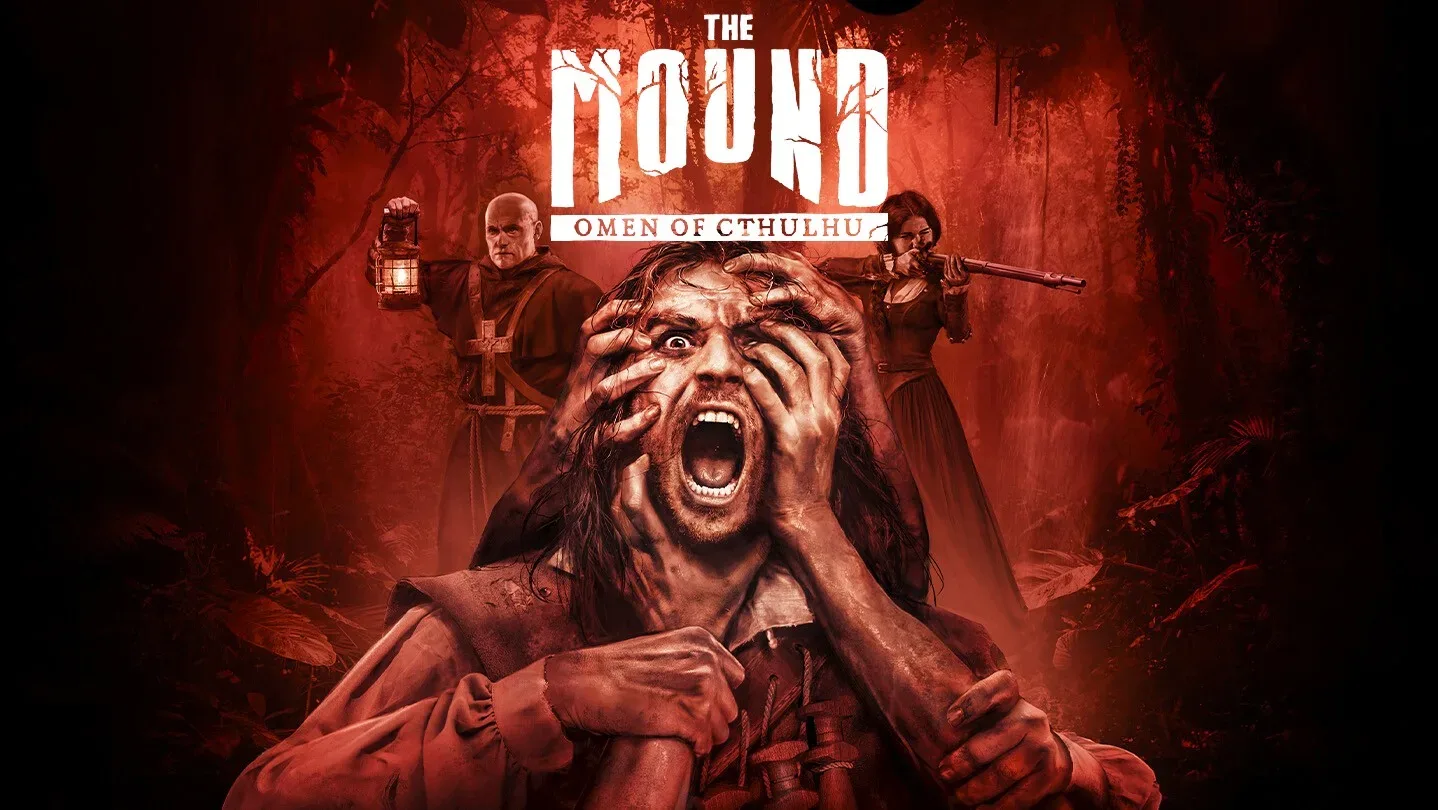
The Mound: Omen of Cthulhu has received a substantial free Halloween update, The Cult of Tsathoggua, on PC, PlayStation 5, and Xbox Series X|S. Available from October 29, 2026, the update expands the cooperative Lovecraftian horror game with a new area devoted to Tsathoggua, new threats and equipment, riskier Treasure Shrines, deeper character advancement, and additional sanity-driven distortions.
It is a broad update rather than a narrowly themed cosmetic event. Its additions touch the game’s combat, team decision-making, rewards, progression, and perception systems—five areas that can strongly shape the rhythm of a co-op horror run. For solo players and squads of up to four, the headline is not simply that there is more territory to enter; it is that the choices made inside that territory may become more consequential.
A new area centered on Tsathoggua
The update’s central location is an area dedicated to Tsathoggua. That name immediately fits the game’s Lovecraft-inspired foundation, which draws from H.P. Lovecraft’s short story The Mound. The supplied details do not establish the area’s size, structure, objectives, or its exact place in the game’s existing content, so players should not assume a particular mission format or campaign length from the announcement alone.
What is confirmed is that the zone arrives alongside new enemies and new sanity effects. That pairing matters. In horror games, a new location can be more than a visual backdrop when it introduces enemies that demand different responses while also making the player’s reading of events less dependable. Here, the update appears designed to make exploration and combat work together with psychological uncertainty.
That is an especially natural direction for a game built around cooperative horror. The Mound: Omen of Cthulhu supports either solo play or groups of up to four, and its sanity system affects group behavior. A system that changes what players perceive can create an extra communication challenge in multiplayer: teammates may need to decide whether an apparent danger, reward, or environmental event is something everyone can act on in the same way. The announcement does not detail the precise mechanics of these new effects, but it does describe them as unsettling alterations to perception.
Occult items may turn monsters against each other
New weapons and occult items are part of The Cult of Tsathoggua. The unusual wrinkle is that some of the occult items can be used not only against monsters, but to make monsters fight one another.
That is potentially a meaningful tactical option in a game whose weaponry is rooted in the 15th century. Conventional weapons suggest direct confrontation; an occult tool that redirects enemies suggests control, disruption, or opportunism instead. Rather than treating every hostile encounter solely as a damage race, players may be able to create breathing room or alter the immediate balance of an encounter by exploiting conflict between monsters.
The available information does not specify which enemies can be affected, how long such effects last, whether there are limitations or costs, or how these items are acquired. Those unanswered details will determine how central the tools become. Still, their stated function is notable because it adds a form of indirect combat to an experience already framed around survival and sanity.
Related coverage includes The Mound: Omen of Cthulhu Adds Free Cult of Tsathoggua Update.
For squads, indirect tools could also produce interesting role separation without requiring a formal class system. One player might create an opening, another could capitalize with conventional weapons, and the group could reposition before the situation changes again. That is analysis rather than a confirmed prescribed strategy, but it follows from the update’s stated ability to make monsters attack one another.
Treasure Shrines are no longer a simple reward stop
The update also revamps Treasure Shrines. These shrines may still reward players, but they can now also alert enemies, summon threats, or inflict damage. In plain terms, a shrine is now a gamble rather than an automatic positive.
This is a useful distinction in the language of game design. A risk-reward mechanic presents a possible benefit alongside a meaningful downside. The outcome is not necessarily safe merely because the player found something valuable-looking. With the revised shrines, a group may have to weigh the prospect of a reward against its current health, positioning, ammunition or resources, nearby enemies, and readiness to recover from an ambush.
The shrine change should be particularly important in co-op. A squad that rushes to interact may accidentally draw danger at a bad moment, while a more cautious team could decide to prepare an escape path or delay the gamble entirely. Solo players face the same uncertainty without teammates to cover them. The announcement does not say whether shrine outcomes are random, predictable through environmental clues, or connected to difficulty, so the exact decision process remains unknown.
Either way, the shift is thematically aligned with occult horror. A treasure that may punish its finder turns greed, urgency, and curiosity into potential hazards. It also gives the game a way to generate tense discussions between players without adding a new enemy at all: should the team take the shrine now, or leave it untouched?
Level cap rises to 70 with an expanded talent tree
The Cult of Tsathoggua revises progression and raises the maximum level to 70. Players can spend additional skill points in an expanded talent tree, with cited examples including resistance to bleeding, more stamina, and greater movement speed.
A talent tree is a progression structure in which earned points are assigned to selected abilities or upgrades. Its value is not just numerical growth. It can let players lean toward different strengths, such as survivability, endurance, or mobility. The full list of talents, their costs, prerequisites, and whether existing characters need to make new choices have not been specified. But the three provided examples do indicate several distinct pressures the game expects players to manage.
- Bleeding resistance points toward mitigation of a damaging status effect.
- Extra stamina can support longer periods of physical exertion or defensive movement, though the exact stamina actions are not outlined.
- Increased movement speed favors repositioning, escape, and keeping pace with allies.
These are not interchangeable benefits. Resistance can help a player endure harm; stamina can improve sustained activity; speed can help avoid trouble or respond to a teammate. In a co-op setting, that may create room for complementary builds, even if the update does not formally label players by role. A group expecting to take risks at Treasure Shrines, for example, may value a different mix of survivability and mobility than a group focused on avoiding volatile interactions.
Importantly, the level-70 cap does not by itself confirm how long progression takes, how much content is required to reach it, or whether all talent choices can eventually be obtained. It confirms a larger advancement ceiling and more places to allocate skill points, not a specific grind or endgame structure.
Sanity remains the connective tissue
The game’s sanity system is one of its clearest distinguishing ideas, and the update adds new effects that warp player perception. Sanity systems in horror games generally use mental stability as a gameplay state: as that state changes, the game can alter information, presentation, or player behavior. In The Mound: Omen of Cthulhu, sanity has a group dimension, so the consequences can extend beyond an individual player’s screen and into the squad’s shared decisions.
The announcement does not enumerate the new hallucinations or explain their triggers. That restraint is worth preserving: “unsettling” does not necessarily mean a particular type of visual trick, false enemy, audio cue, control effect, or interface change. What can be said is that the update intends to increase the ways in which sanity disrupts perception, alongside the arrival of a new area and new hostile forces.
Players who enjoy horror built around unreliable information may find that combination appealing. Those approaching the game primarily as a cooperative action experience may need to be particularly deliberate about communication, because an altered perception system can make confident callouts less straightforward. The game’s full crossplay support across PC, PlayStation 5, and Xbox Series X|S means friends across those platforms can form the same squad, rather than being split by platform.
What players can expect now
The free update is rolling out across all three supported platforms now. Its confirmed package includes the Tsathoggua-themed area, new enemies, weapons, occult items, the reworked Treasure Shrines, an expanded talent tree and progression to level 70, and additional sanity effects.
For players interested in other horror games that use altered reality as part of their premise, the recent Descent of Lunaris demo update offers another example of a stability-driven system, though it is a separate game with its own approach.
A new trailer was released alongside the update. Beyond the confirmed list of features, details such as enemy types, exact item behavior, talent layouts, shrine probabilities, and the full range of perception effects remain to be discovered within the game itself. The core proposition, however, is clear: The Cult of Tsathoggua gives The Mound: Omen of Cthulhu more ways to tempt a squad into taking risks—and more ways for that decision to come back with teeth.