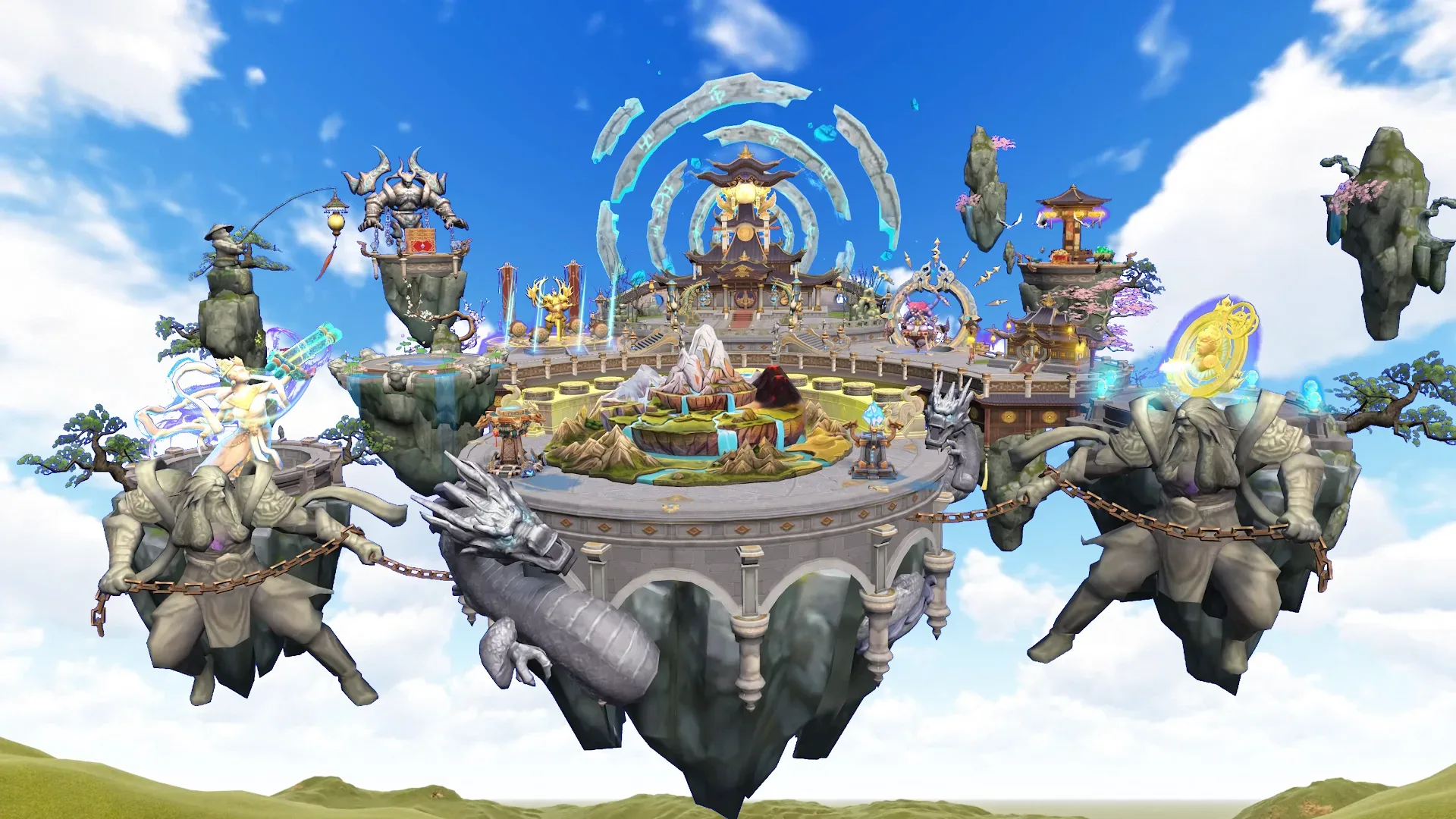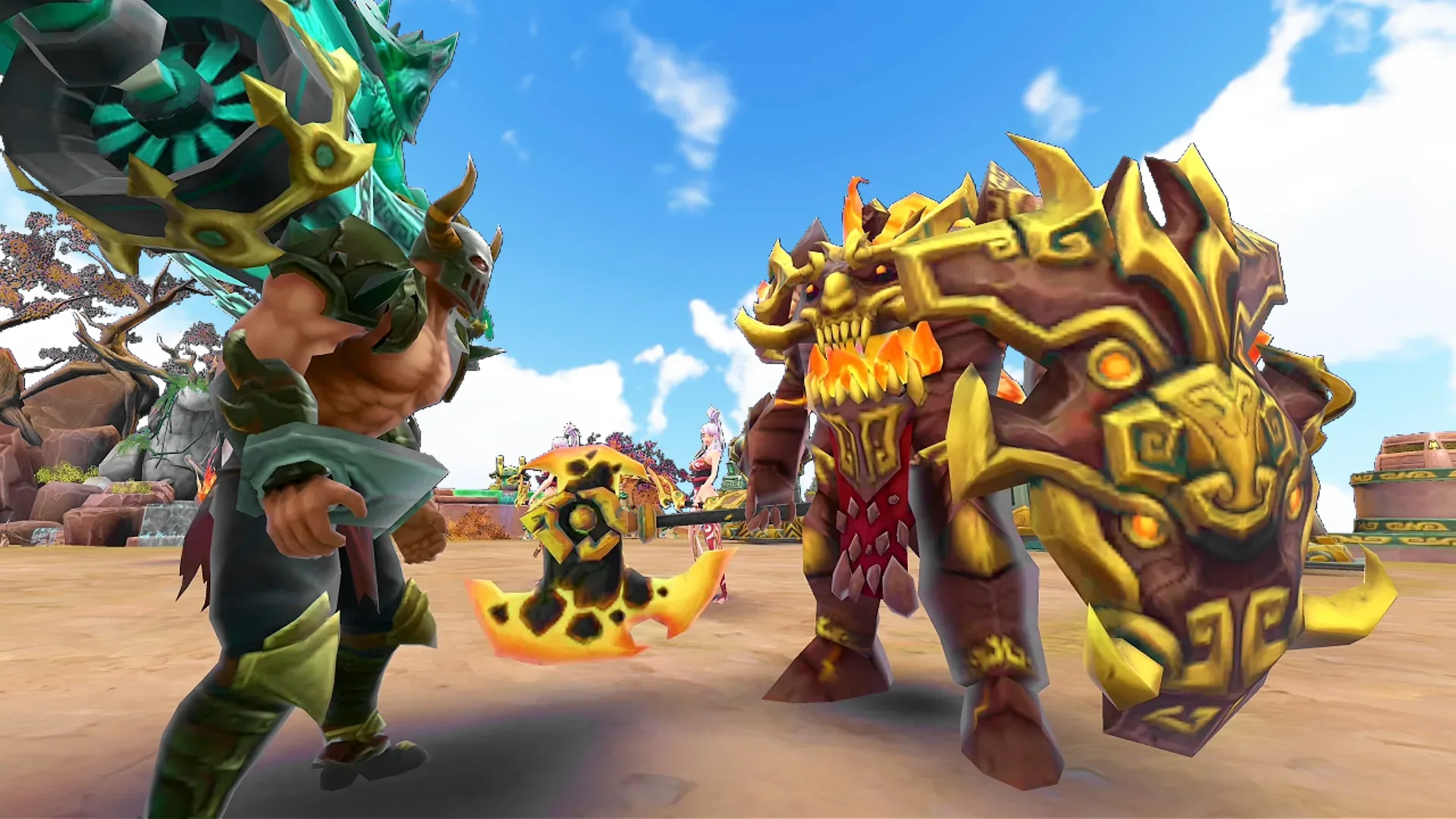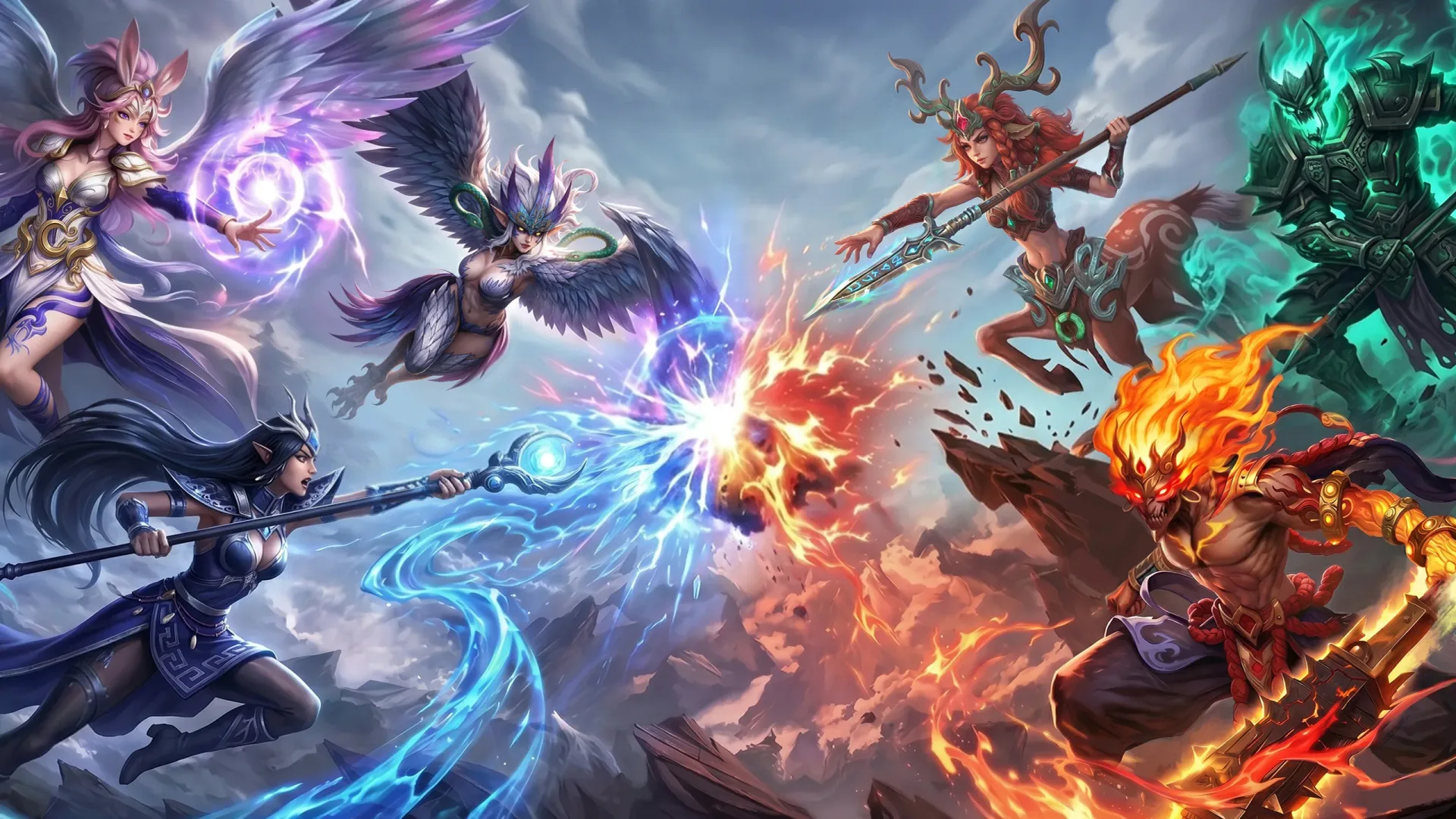
The Great Flood, a mixed-reality real-time strategy game from SoulFire Studio and LingVision Games, is scheduled to arrive on Meta Quest as a free-to-play release on November 9, 2026. Its central pitch is a strategy battlefield presented in tabletop form through mixed reality, where players deploy troops, defend a base and try to overwhelm another player’s position in fast-moving matches.
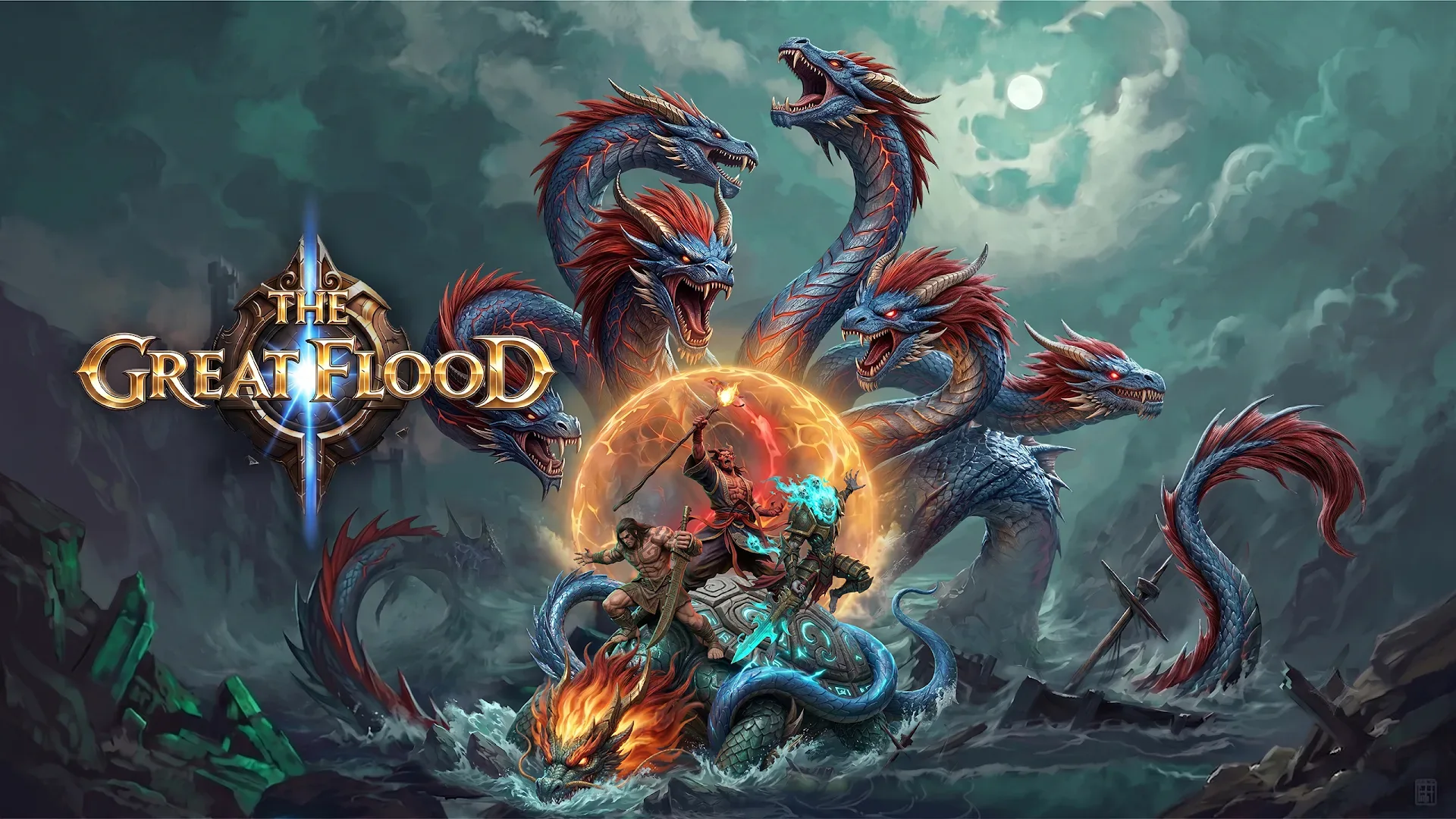
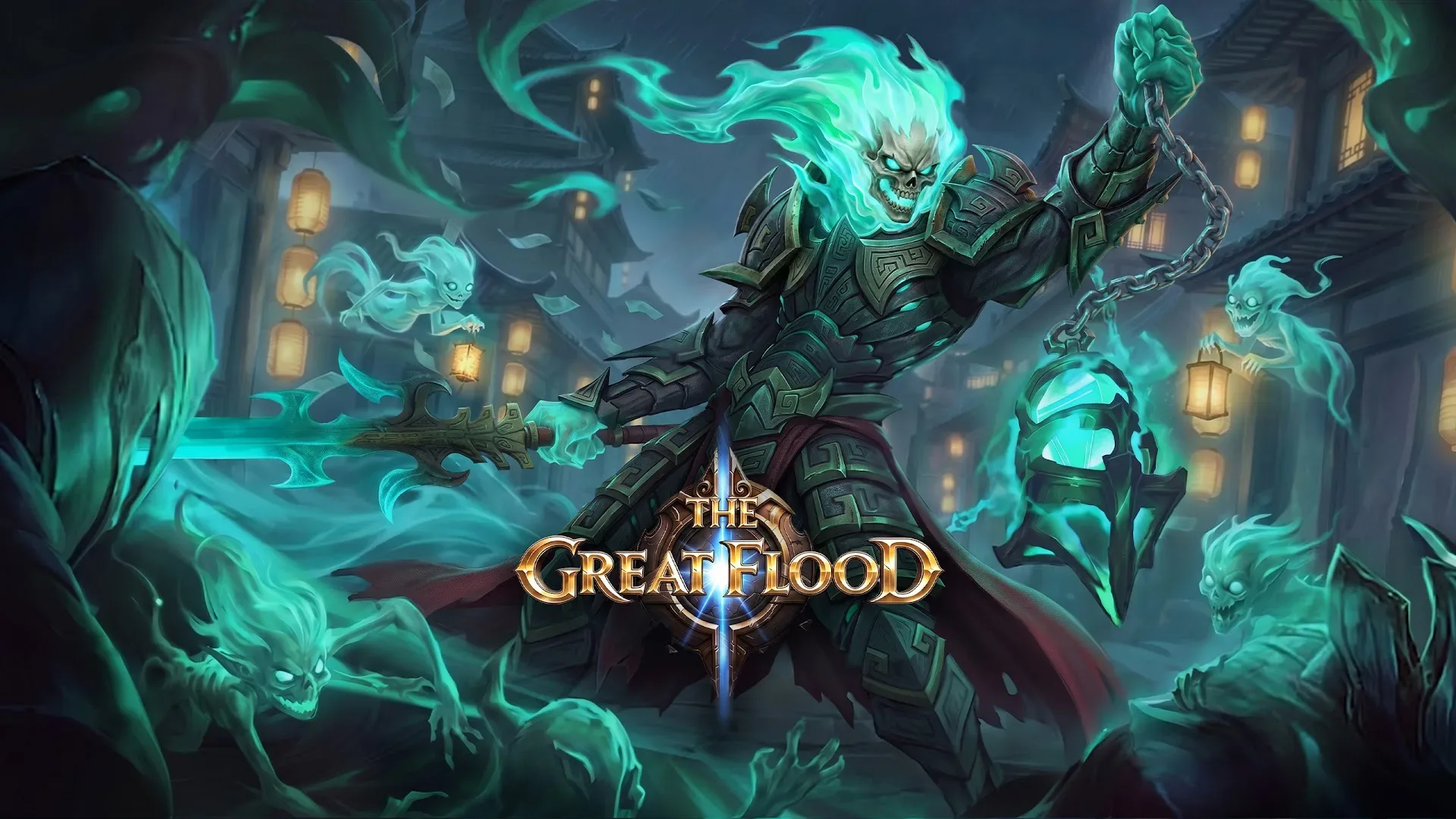
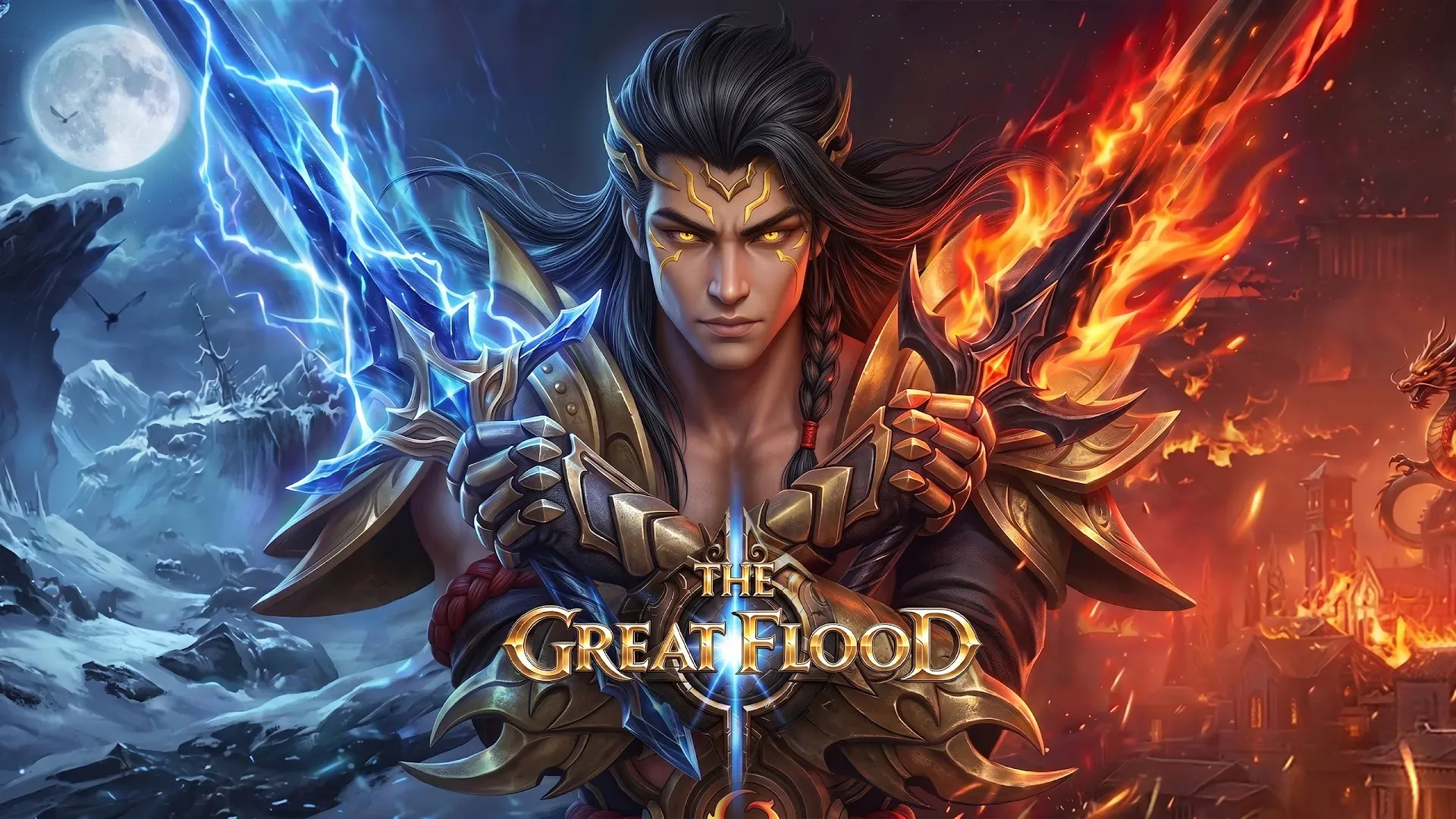
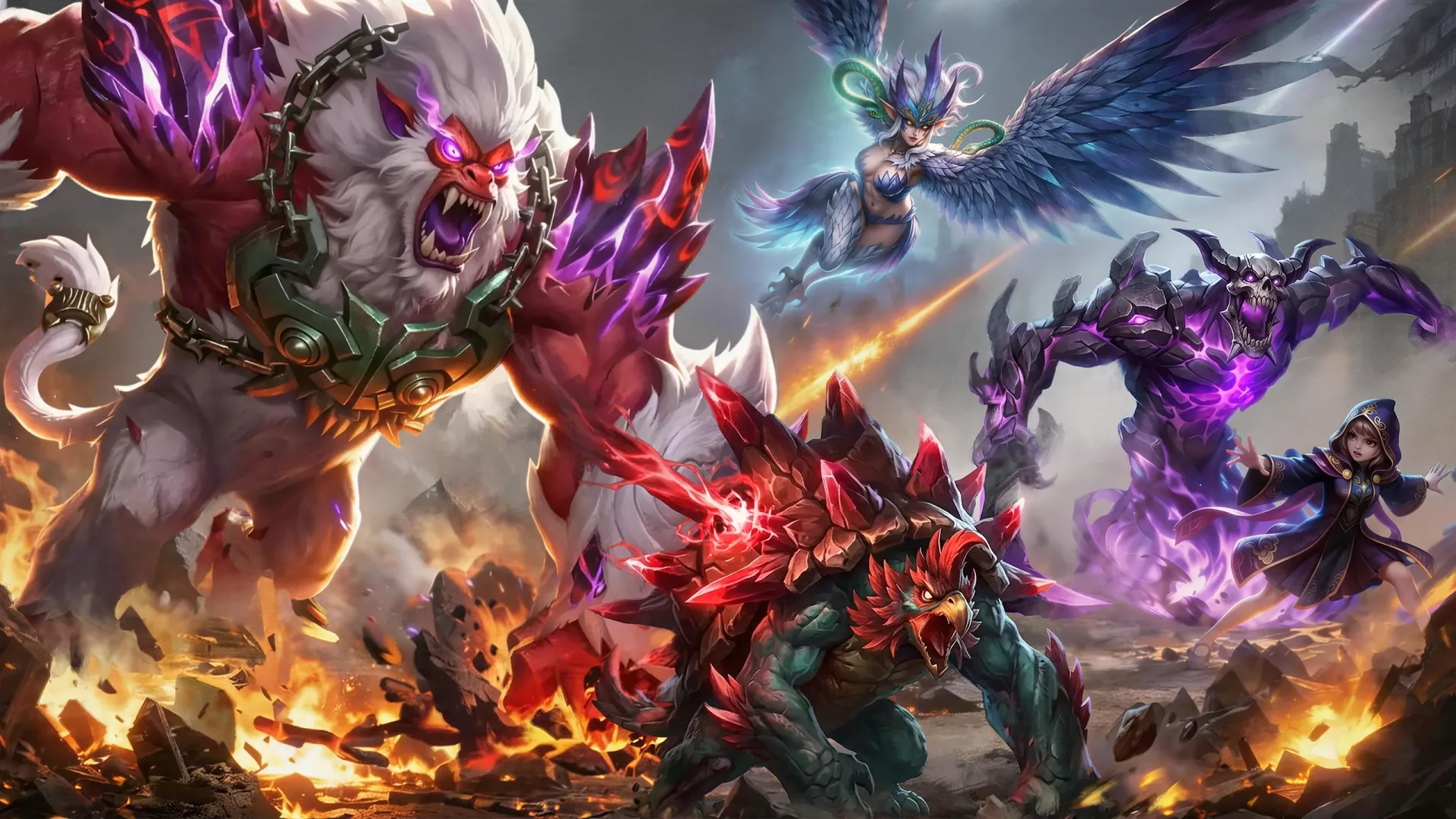
The game draws inspiration from Chinese mythology and combines that theme with a squad-building structure. Players will assemble a group of 10 units built around two powerful heroes, with the remaining slots filled by soldiers and spells. More than 50 mythical characters are planned as unlocks, while player progression is also intended to open up additional characters and ability upgrades.
That makes The Great Flood a game about two linked decisions: building a squad before a battle and placing its individual pieces effectively once a match begins. The developers say players can alter their squads between battles, a feature that should make counter-picking and experimenting with different unit combinations an important part of its loop rather than locking people into a permanent deck.
A real-time strategy game viewed across the table
Real-time strategy, usually shortened to RTS, means players make decisions while the match clock continues to run. There is no indication that The Great Flood will ask players to wait through long turns. Instead, its battles are designed to be quick, with situations that can change rapidly as troops are placed to pressure an opponent or hold ground around a player’s own base.
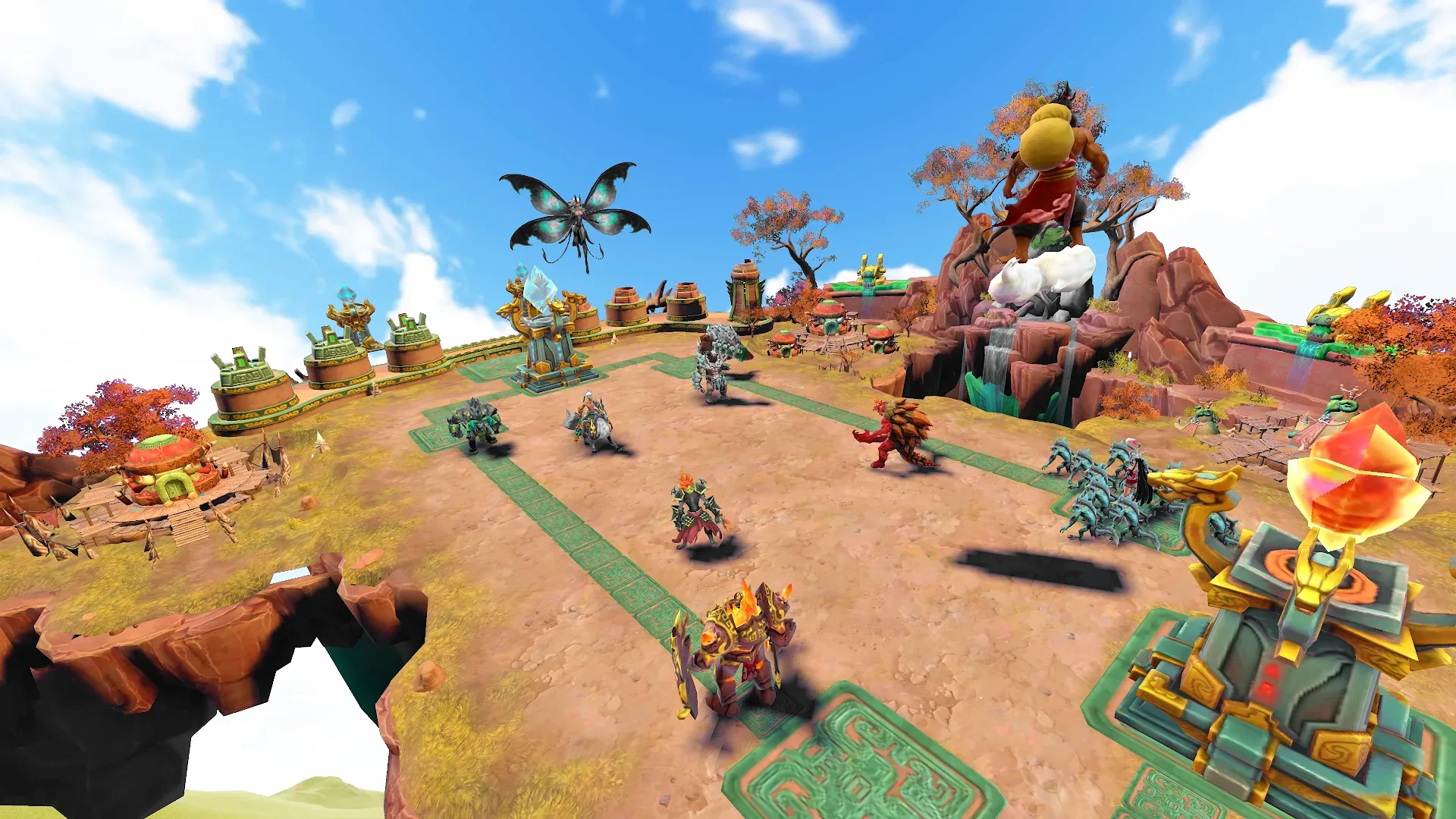
The mixed-reality presentation is equally central to the design. Rather than putting the entire game world behind a conventional virtual backdrop, The Great Flood positions its action as a tabletop battlefield. Players can place troops directly onto that play space, giving deployment a more physical, board-game-like quality even though the encounters remain digital and real-time.
Mixed reality refers to software that combines digital elements with a view of the player’s surroundings. In this case, the stated goal is not simply to watch an RTS through a headset, but to make a battlefield appear as if it occupies the player’s space. That presentation could suit short tactical matches: the player is meant to look down on the action, assess lanes and defenses, then make placements without treating the battlefield as a faraway screen.
The game’s roster includes flying beasts, fast ground-attack monsters and spells with area-of-effect capabilities. Area of effect, often abbreviated as AoE, describes an ability that affects a zone rather than one target. In a compact battlefield, a well-timed AoE spell can potentially influence several units at once, making where and when it is cast as important as the strength of the squad itself.
Players will be able to cast these spells directly. Alongside the distinction between aerial and ground units, this suggests the core tactical questions will concern placement, timing and coverage: whether to protect a base, commit units for an attack, answer a fast-moving threat, or hold a spell for a pivotal moment. The announced details do not define exact unit costs, cooldowns or balance rules, so the full strategic depth will only become clear after launch.
1v1, 2v2 and modes for practice or progression
The Great Flood will support both 1v1 and 2v2 multiplayer. One-versus-one matches put the responsibility for a squad’s composition and every on-field response on a single player. Two-versus-two play, by contrast, adds a partner to the equation, potentially making shared pressure, defensive coverage and complementary squad choices part of a team’s approach.
Its PvP and PvE offerings separate competition from battles against computer-controlled opponents. PvP, or player versus player, covers the competitive modes in which players face each other. PvE, or player versus environment, refers to modes built around non-player opposition. Both are included in the announced plan, giving new players somewhere to learn the game outside direct competitive matches while still providing a ranked path for those who want it.
Bots will also be used to speed up matchmaking. In practical terms, bots are computer-controlled participants that can help a game start a match more quickly when appropriate. This is especially relevant for a game built around brisk rounds: lengthy waits would work against a design focused on rapidly shifting tactical encounters. The exact situations in which bots may appear have not been detailed, so players will need to wait for the game’s own matchmaking rules to be clarified.
A dedicated Training Camp is planned for practice, while the wider hub includes a Training area. Training spaces are useful in an RTS built around placement because they can allow players to understand what different troops and spells do before a ranked result is on the line. That matters when the game features flying units, fast attackers and area spells, each of which may demand different reactions.
The game’s out-of-battle spaces are divided by function. The Barracks will be used to upgrade a squad. The Sect will let players create or join clans and share decks. A deck here means the selected set of troops, heroes and spells that a player brings into battle; despite the card-game wording, the announced format is a 10-unit squad. The shop, meanwhile, is where earned coins can be spent.
Deck sharing could be particularly helpful for a roster with more than 50 unlockable mythical characters. A player can use a shared setup as a starting point, then revise it around the heroes, soldiers and spells they prefer. The ability to switch squads between matches is important here: it leaves room for players to adapt instead of relying entirely on a single all-purpose composition.
Free-to-play progression and seasonal passes
The Great Flood will be free to play, meaning there is no stated upfront purchase requirement to start playing. Its progression plans include XP, unlockable rewards and daily login rewards. XP is experience progression earned through play; here, it is tied to opening rewards and advancing through the game’s systems.
Daily login rewards provide an incentive to return regularly, while ranked play is tied to unlocking characters and improving abilities. Together, those systems make advancement an explicit part of the game rather than a separate optional extra. What has not been specified is the rate at which characters, upgrades or rewards are earned, or whether any competitive advantages can be purchased. Those distinctions will matter for players judging how progression feels after the game is live.
Seasonal Battle Pass tracks will come in both free and paid forms. A Battle Pass is a time-limited reward track that generally grants items or other rewards as players progress through a season. The announced free and paid tracks mean some seasonal rewards will be accessible without payment, alongside a premium path. No price, season length, reward list or exact premium benefits have been disclosed.
That restrained reading is worth keeping in mind. Free-to-play can describe many different models, and the confirmed information establishes the presence of earned coins, XP rewards, daily rewards and free and paid seasonal paths—but does not yet establish the specifics of their economy. Players interested in competitive fairness or long-term progression will need those details closer to release.
What the launch plan establishes
The announced structure gives The Great Flood a clear identity: a mythology-inspired RTS that treats mixed reality as part of how tactics are performed, not merely as a visual backdrop. The tabletop battlefield, direct troop placement and direct spell casting are designed to make the player’s immediate space part of the contest.
It also aims to support several kinds of players from day one. Competitive players have 1v1 and 2v2 PvP, ranks and squad customization. Players learning the game have PvE, bot-supported matchmaking and a Training Camp. Social groups have the Sect system for clans and deck sharing. Meanwhile, the Barracks and unlock system create a continuing reason to revisit squad construction after individual matches end.
The game’s launch comes as hardware platforms continue to define the practical conditions under which developers reach players, an issue also explored in this look at the stakes of a platform misfire. For The Great Flood, the confirmed platform is Meta Quest, and its core design is tailored specifically around that headset’s mixed-reality possibilities.
SoulFire Studio and LingVision Games are also running a Kickstarter campaign with a $10,000 USD target. The campaign has reached 100% of that goal with one week remaining. The campaign’s existence does not change the stated release plan: The Great Flood is set to launch free to play for Meta Quest on November 9, 2026.