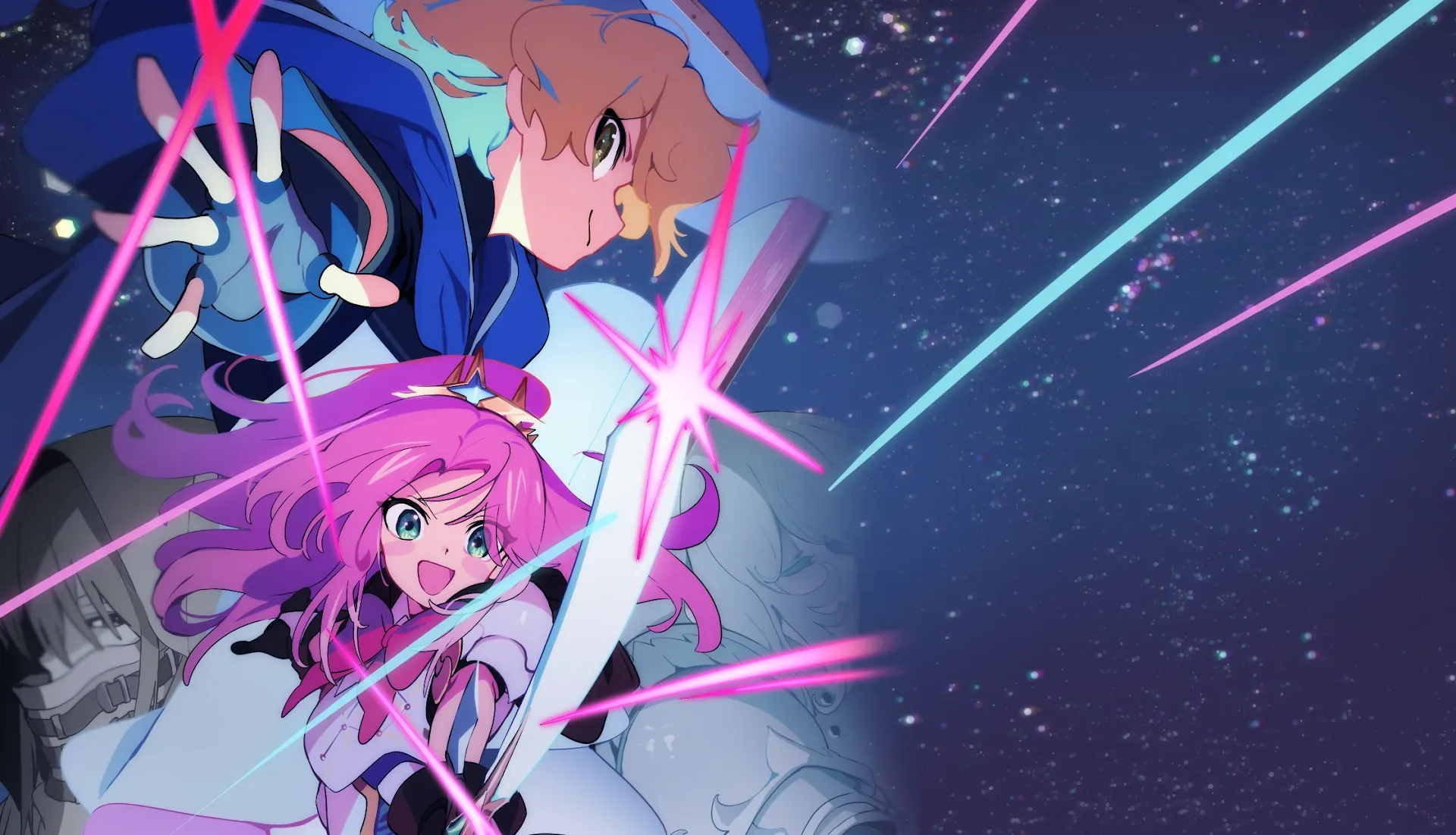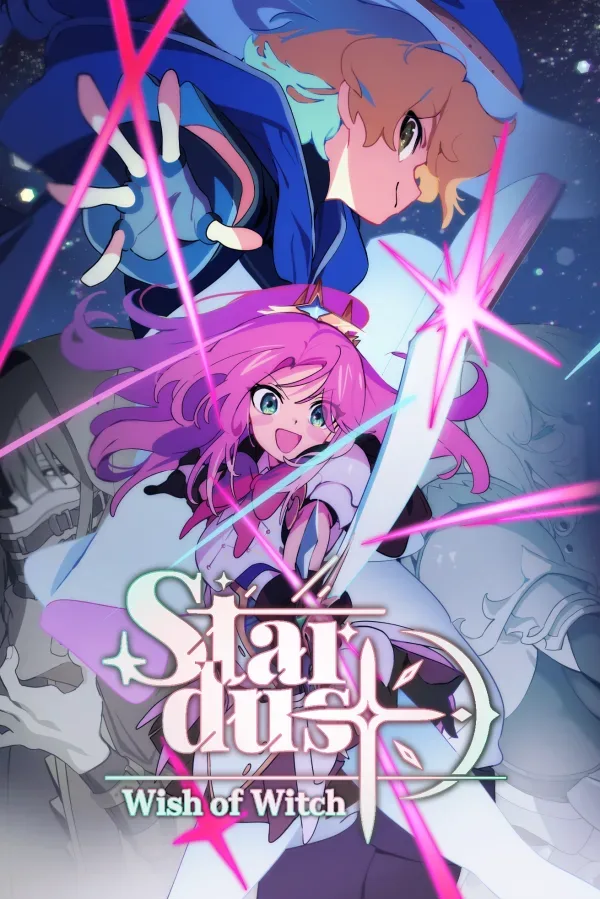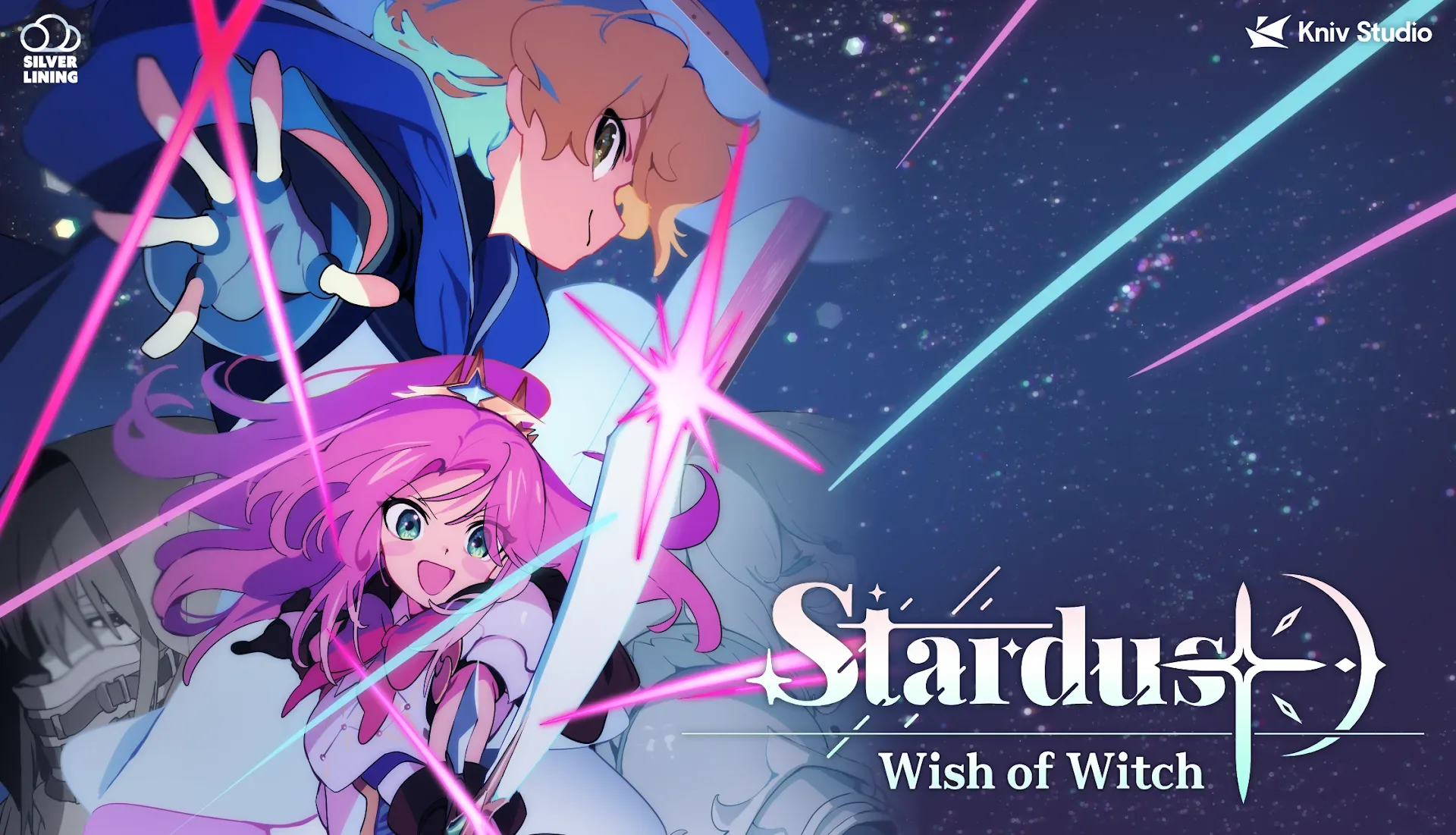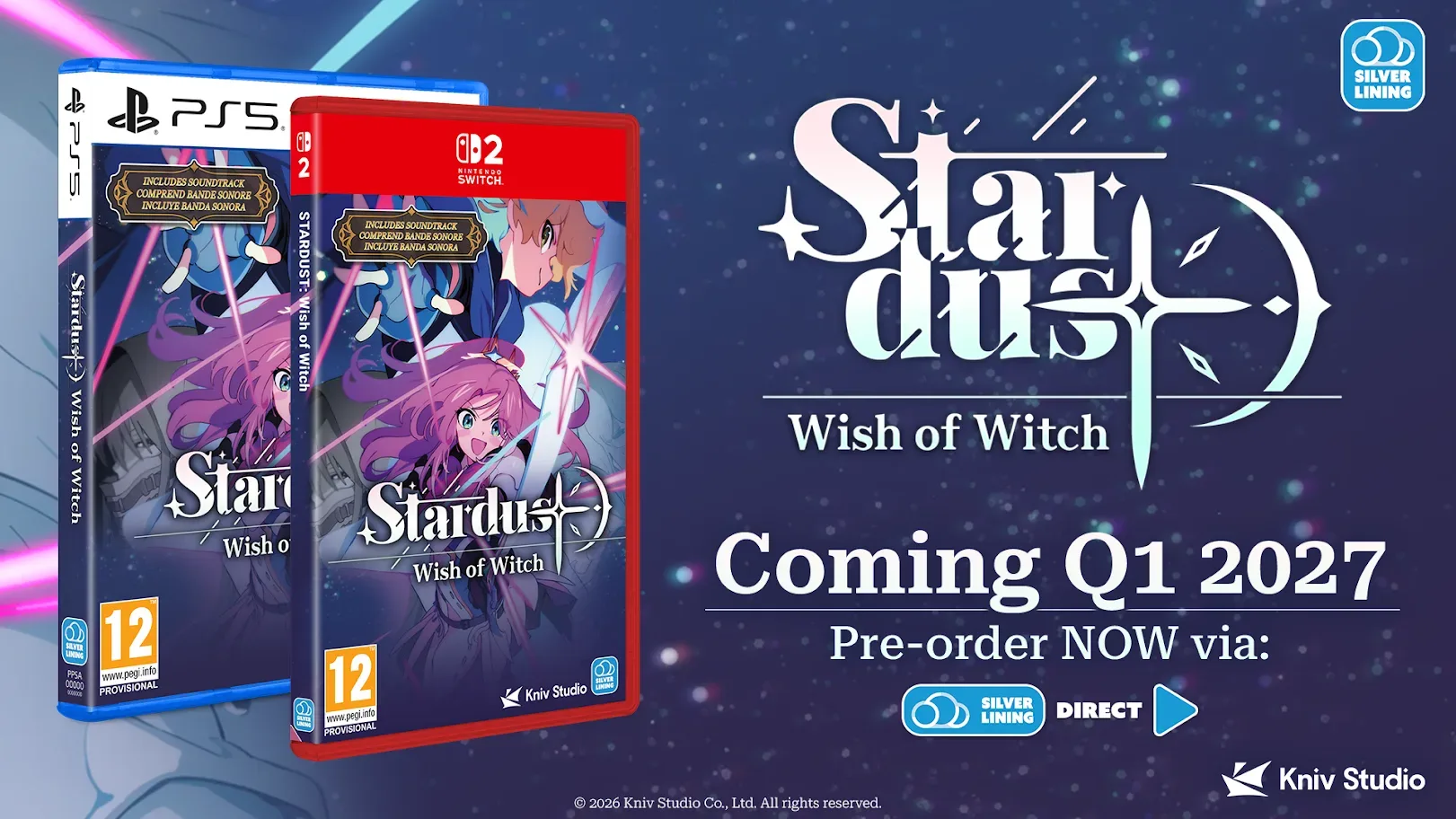
STARDUST: Wish of Witch, the pixel-art turn-based strategy RPG from Kniv Studio Co., Ltd. and Silver Lining Interactive, is planned for PlayStation 5 and Nintendo Switch 2. The game is already available on Steam, while the dates for its console versions have not yet been announced.
A physical edition is also on the way, and every copy is set to include a digital soundtrack. Pre-orders for that version are currently open through Silver Lining Direct. Players who expect to buy digitally can wishlist the PlayStation 5 edition now; a Nintendo Switch 2 store page is still to come.
The announcement establishes the platforms and the physical-edition bonus, but it does not establish a console launch window, retail price, regional availability, or whether the physical release will arrive alongside the digital versions. Those are details worth keeping separate from what has been confirmed: PS5 and Switch 2 editions are planned, and their release dates will be shared later.
A tactical RPG built around reading the battlefield
STARDUST: Wish of Witch is described as a turn-based SRPG. “SRPG” generally means strategy role-playing game: a format that combines RPG-style characters and progression with battles in which position, turn order, and ability selection matter. Here, combat takes place on grid-based fields, so the space occupied by allies and opponents is part of the decision-making rather than simply a backdrop.
The game’s stated signature mechanic is built around anticipating enemy actions. Players are asked to read an opponent’s moves, then respond with counters and combos to change the momentum of a fight. In practical terms, a counter is a response designed to punish or answer an incoming action, while a combo links actions together for a greater tactical effect. The key idea is not merely choosing the biggest attack available; it is recognizing what an enemy may do next and using that information to create an advantageous reply.
That focus gives the game a potentially more reactive identity than a straightforward turn-based system in which each side simply trades attacks. On a grid, reacting well can involve more than damage: a player may need to consider which character acts, where they stand, how a skill connects, and whether an action opens a better follow-up. The announced details do not specify the exact rules for counters or combos, so it remains unclear how automatic, conditional, or customizable those systems will be. Still, their presence points to battles intended to reward observation and planning.
Cards and magic add a customization layer
Alongside its tactical maps, STARDUST uses a card-based skill system. This is the game’s deck-building component, and it is positioned as a route to flexible character customization and magic synergies.
Deck-building, in this context, means assembling or shaping a collection of skill cards rather than relying only on a fixed list of commands. A card-based system can make build choices especially important because the tools available to a character affect the options that appear in battle. The confirmed description does not explain how cards are obtained, whether decks are drawn randomly during encounters, or how many cards can be equipped. It does, however, make clear that skills and magic can be arranged with an eye toward combinations.
Related coverage includes STARDUST: Wish of Witch Confirmed for PS5 and Switch 2.
Magic synergy refers to abilities that become more useful when paired together than when used alone. That can mean one effect supports another, or that a chosen set of cards better serves a specific battle plan. The announcement does not list individual spells, elements, or character classes, so there is no basis yet to map out builds. What can be said is that the deck system appears intended to supplement the positional tactics of the grid, providing another level of choice before and during combat.
For prospective players, that combination is the central mechanical promise: battlefield decisions provide one side of strategy, while chosen cards and magical interactions provide another. It also suggests that two players could approach the same situation differently if their available skills emphasize different responses. Whether the game leans more toward careful pre-battle preparation or turn-by-turn adaptation remains to be detailed.
Star, Yu, and a wish-granting star
The story follows Star, an upbeat warrior, and Yu, a quiet, analytical mage. Their journey begins with ordinary work at a local adventurer’s guild, then expands into a larger, star-crossed adventure involving ancient cosmic secrets.
The setting is framed around a clash between forgotten magic and modern ambition. That tension also extends to a cast of allies and rival factions competing for a star said to grant wishes. It gives the adventure a clear object of conflict while leaving plenty of narrative specifics undisclosed, including the identities and goals of the factions, the nature of the wish-granting star, and how the protagonists become tied to it.
Star and Yu’s contrasting descriptions signal a duo with different temperaments: one is energetic and martial, while the other is reserved and analytical. The announcement does not confirm how their personalities translate into gameplay roles, party management, or dialogue choices. Still, the two leads sit at the center of a story designed around companionship, rivalry, and the discovery of older forces beneath the world’s present-day ambitions.
16-bit-inspired presentation, not a retro re-release
STARDUST draws on classic 16-bit RPG aesthetics, but it is a new game rather than a reissue of a game from that era. Its presentation includes hand-made pixel art, animated cutscenes, and anime-style storytelling. Pixel art is visual artwork built from deliberately visible pixels, often associated with older console games, while animated cutscenes are scripted sequences used to deliver story or spectacle outside ordinary player control.
The visual direction is paired with a combat structure described as modern and dynamic. That wording is broad, but the more concrete details—grid battles, counters, combos, and card-driven skill customization—show how the game aims to place tactical systems inside a deliberately old-school visual frame. The nostalgic element is therefore aesthetic as well as tonal, rather than a confirmation that it follows the exact conventions of any particular older RPG.
The newly announced digital soundtrack inclusion may appeal to players who value the game’s music as part of the package, but it should not be confused with a separate physical soundtrack disc or a full list of edition contents. The confirmed bonus is a digital soundtrack included with each physical copy.
What is confirmed for each platform
- Steam: STARDUST: Wish of Witch is available now.
- PlayStation 5: A version is planned, and its store listing can be wishlisted now.
- Nintendo Switch 2: A version is planned; its store page is expected later.
- Physical edition: Pre-orders are open through Silver Lining Direct, and copies include a digital soundtrack.
- Console dates: Not yet confirmed.
The split between the current Steam release and forthcoming console editions matters for anyone deciding whether to wait. Players who prefer PC can access the game now, while players committed to PS5 or Switch 2 have confirmation that versions are in development but no announced timetable for when they will be playable. Wishlist activity on the PS5 storefront may be useful for tracking updates there, and a comparable option should become available once the Switch 2 page is live.
For a wider look at titles currently arriving, see the games releasing today on October 13, 2026. STARDUST’s console editions should not be counted among those releases until their dates are formally confirmed.
Why the physical edition detail is notable
A physical version gives buyers an alternative to a storefront-only purchase, while the digital soundtrack adds a stated extra without changing the core game confirmation. At present, the soundtrack is the only specified pack-in. There is no confirmed information on cover variants, a limited print run, a collector’s box, additional merchandise, or platform-by-platform physical availability.
That distinction is especially useful for collectors and buyers who prefer boxed games: a physical edition has been announced and can be pre-ordered, but the available information should not be expanded into assumptions about rarity or edition contents. The most concrete reason to consider it now is simple—physical ownership paired with the included digital music—not unannounced extras.
STARDUST: Wish of Witch’s console plans put its tactical, card-customizable RPG design in front of two additional audiences. For now, the game’s strongest confirmed hooks are its reactive grid combat, build-focused magic cards, pixel-art presentation, and the story of Star and Yu’s pursuit of cosmic secrets amid a struggle over a wish-granting star. The remaining question is timing: PlayStation 5 and Nintendo Switch 2 players are waiting for the console release-date announcement.