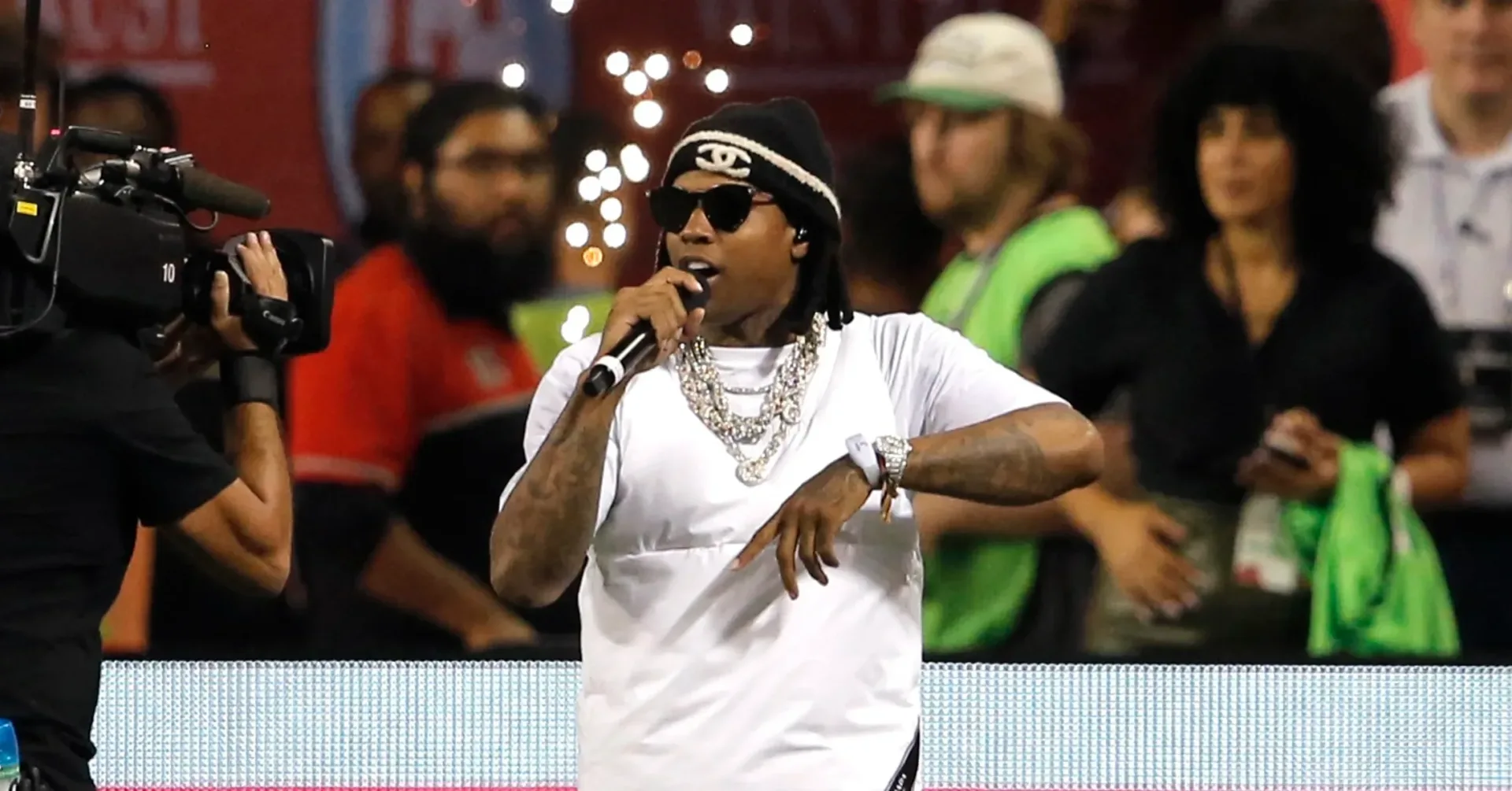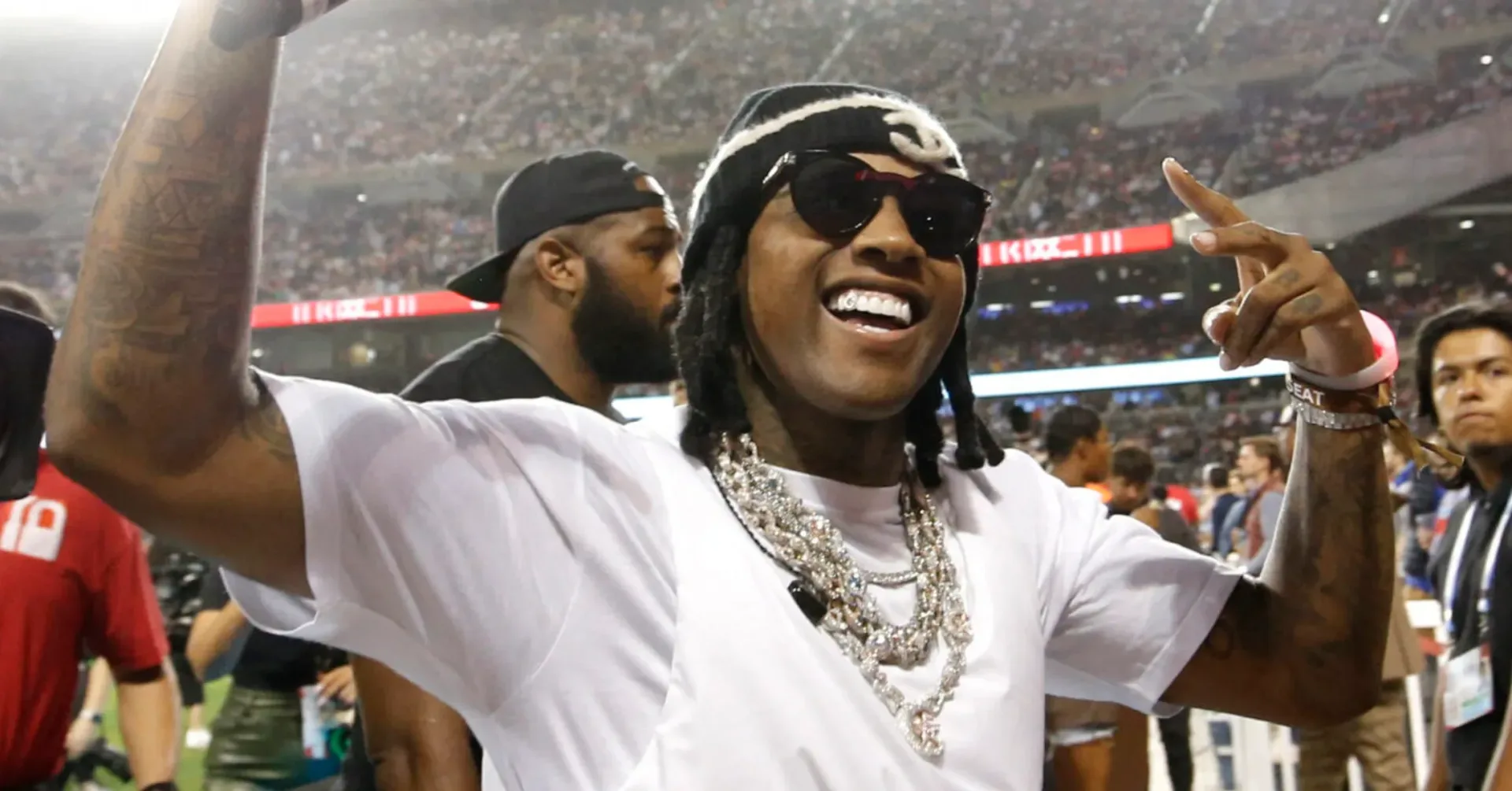
SleazyWorld Go has pleaded guilty to a federal charge of possessing a firearm as a felon. Federal authorities identified the rapper as Joseph R. Isaac, 28, of Kansas City, Kansas, and said sentencing is scheduled for January 26, 2027.
The plea concerns a firearm-possession prohibition tied to Isaac’s 2016 armed robbery conviction in Michigan. That prior conviction meant he was not legally permitted to possess a gun, making the central issue in the case a prohibited person’s possession of a firearm rather than an allegation that a gun was used in a new violent crime.
What the federal charge means
Felon in possession is shorthand for a federal firearms offense involving a person with a qualifying prior felony conviction who knowingly possesses a firearm. In this case, the disclosed basis for the prohibition was Isaac’s 2016 Michigan armed robbery conviction.
“Possession” can be an important legal distinction. It does not necessarily mean ownership or that a firearm was found directly on someone’s person. A case may instead concern a person’s access to, control of, or handling of a weapon. The public account of this investigation includes allegations that agents observed Isaac handling a pistol and later found firearms in a vehicle associated with him. The guilty plea resolves the charge to which he admitted; sentencing will determine the court’s next step.
No sentence was included in the available announcement. That is significant because a guilty plea establishes responsibility for the offense, but it is not itself a statement of the eventual punishment. The sentencing hearing set for January 26, 2027, is the date at which the court is expected to impose sentence.
Investigation traced to 2022 social posts and surveillance
The investigation began after an anonymous tip in June 2022. Court-record reporting described investigators locating more than 30 public social-media posts made over a two-year period that allegedly depicted Isaac with firearms.
That detail provides a reminder of the difference between content posted for an audience and material that can later become part of an investigation. Public posts are not automatically proof of every fact a criminal case must establish. But images, videos, dates, locations, captions, and links between accounts can help investigators develop leads and corroborate other evidence.
In this matter, investigators later tracked a vehicle to a townhome complex in Kansas City, Kansas, on October 19, 2022. They reportedly used binoculars and saw Isaac handling what was described as a black pistol. When local police arrived, Isaac and roughly a dozen other people entered a townhome.
Officers then used a phone camera to see through the vehicle’s tinted windows, where firearms were observed, according to the court records described in reporting. A subsequent search found four firearms.
Why the timeline matters
The reported sequence is important because it shows that the case was built from more than one asserted source of evidence: an initial tip, publicly available social-media material, surveillance at the townhome complex, observations involving the vehicle, and the firearms recovered in the search.
For artists and other public figures, the broader practical issue is not limited to one platform or one post. Material shared publicly can remain searchable, copied, reposted, or interpreted alongside later events. That does not make online content a substitute for legal proof, and every case has its own facts. It does underscore that public-facing personas and real-world legal exposure do not exist in separate lanes.
Questions about digital visibility, platforms, and public accountability also have implications far beyond music, as seen in this examination of the stakes attached to a platform misfire. In a criminal matter, however, the relevant questions are narrower: what was posted, whether it can be authenticated, what it depicts, and how it connects to the conduct charged.
A case with an unclear procedural change
The plea arrives after a March jury result in which Isaac was convicted on the felon-in-possession count and acquitted on a separate machine-gun count. At that time, his management indicated that his attorneys intended to file post-trial motions concerning the count that remained.
The available federal announcement does not explain why a guilty plea followed that earlier verdict, nor does it detail the procedural events between the March result and the October 28 announcement. That gap matters. A jury conviction and a later guilty plea may be connected to proceedings that are not described in the public summary, but the supplied information does not establish the reason for the change or its legal effect beyond the stated guilty plea.
It is therefore more accurate to treat the current status as follows: Isaac pleaded guilty to the federal firearm-possession charge, a sentencing date has been scheduled, and the public explanation does not spell out how the prior verdict and any planned post-trial motions led to the present posture.
The legal case overlaps with a breakthrough music period
The investigation began during a pivotal stretch in SleazyWorld Go’s music career. Raised in West Michigan, he later moved to Kansas City, Missouri, and began working through the SleazyWorld collective. His first solo material arrived in 2020, followed by projects including Big Sleaz and The Sleazy Way.
His full-length project Sleazy was released in September 2021. That same year, “Sleazy Flow” became a viral track, a development that pushed his work to a wider audience. Lil Baby appeared on a remix released in May 2022.
In 2022, SleazyWorld Go moved from self-released work to Island Records for Where The Shooters Be. The project included “Step 1” with Offset and “Glitches” with G Herbo. An expanded edition followed in 2023.
His subsequent collaborations included “Off The Court” with Polo G and Einer Bankz. In 2024, he released More Than A Shooter, which featured appearances by Skilla Baby and Rob49.
What is known — and what remains unanswered
The available record establishes several points: Isaac is identified as SleazyWorld Go; he admitted to possessing a firearm despite the felony-based prohibition; the underlying investigation involved online posts, surveillance, and firearms recovered from a vehicle; and sentencing is set for January 26, 2027.
It does not provide a sentence, identify a reason for the procedural shift after the earlier jury verdict, or offer an explanation from Isaac or his legal team following the guilty plea. Those are meaningful limits on what can be concluded at this stage.
For now, the case moves toward sentencing while remaining closely tied to a period when SleazyWorld Go’s profile expanded from independent releases and a viral single to major-label projects and prominent collaborations.