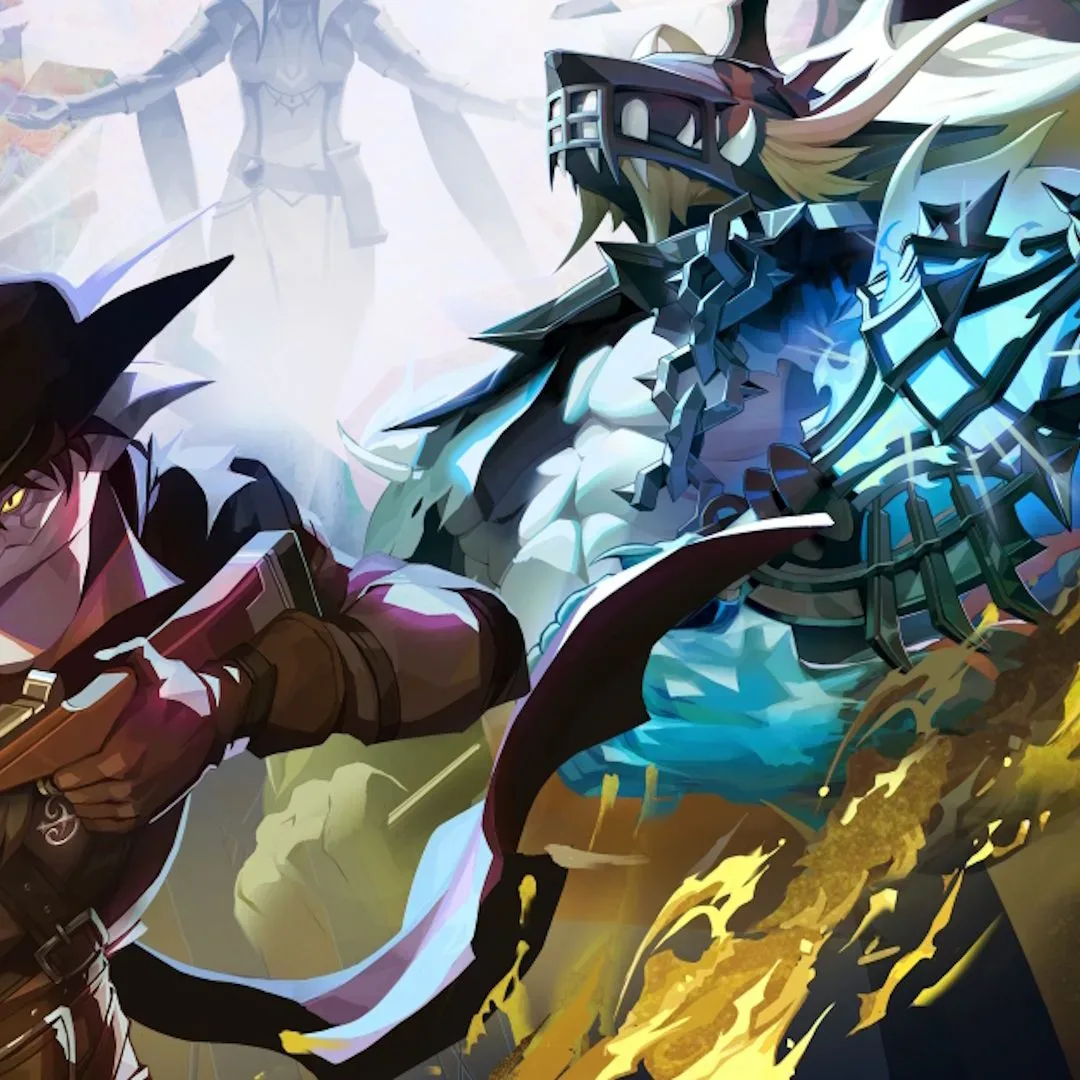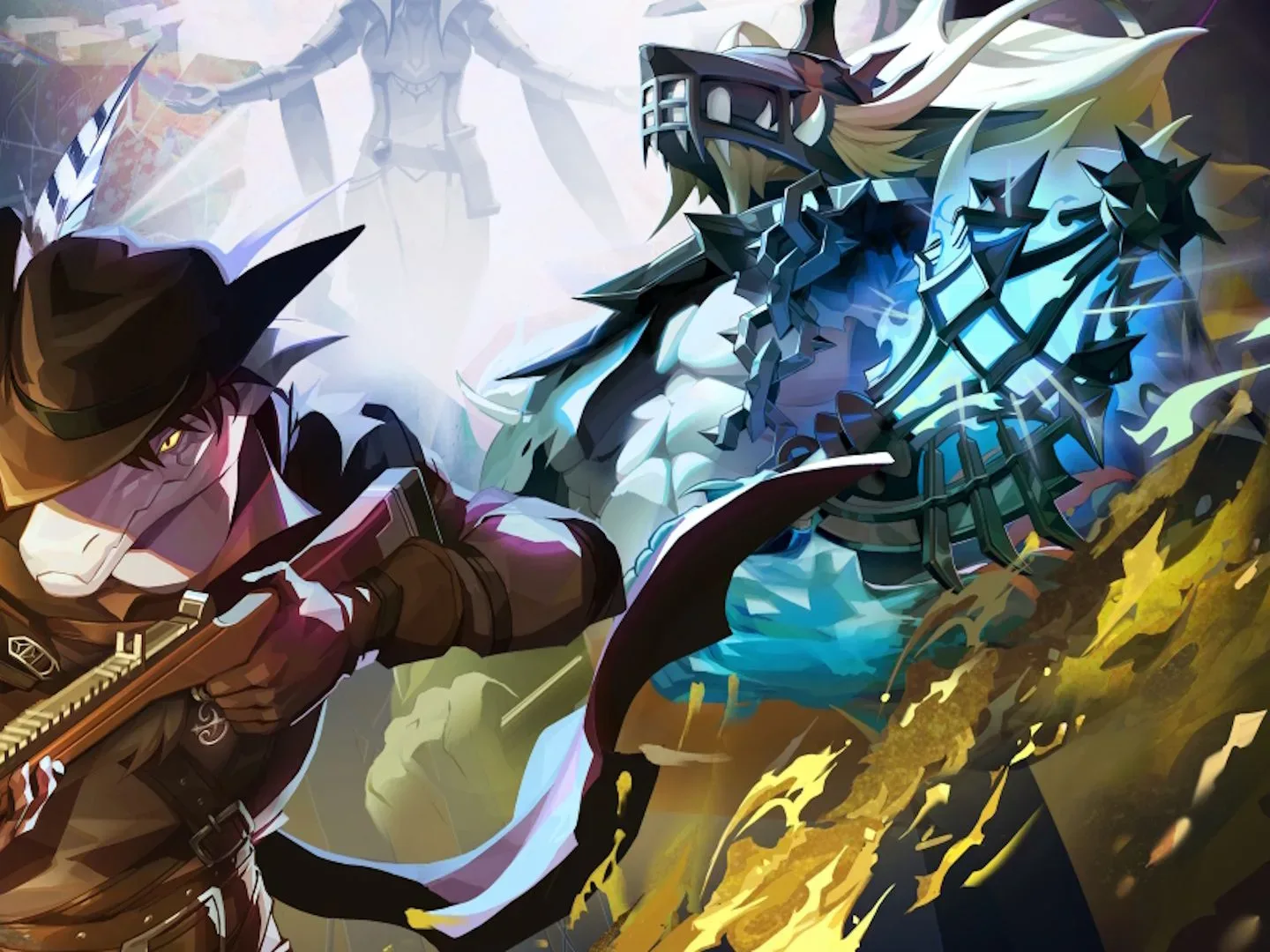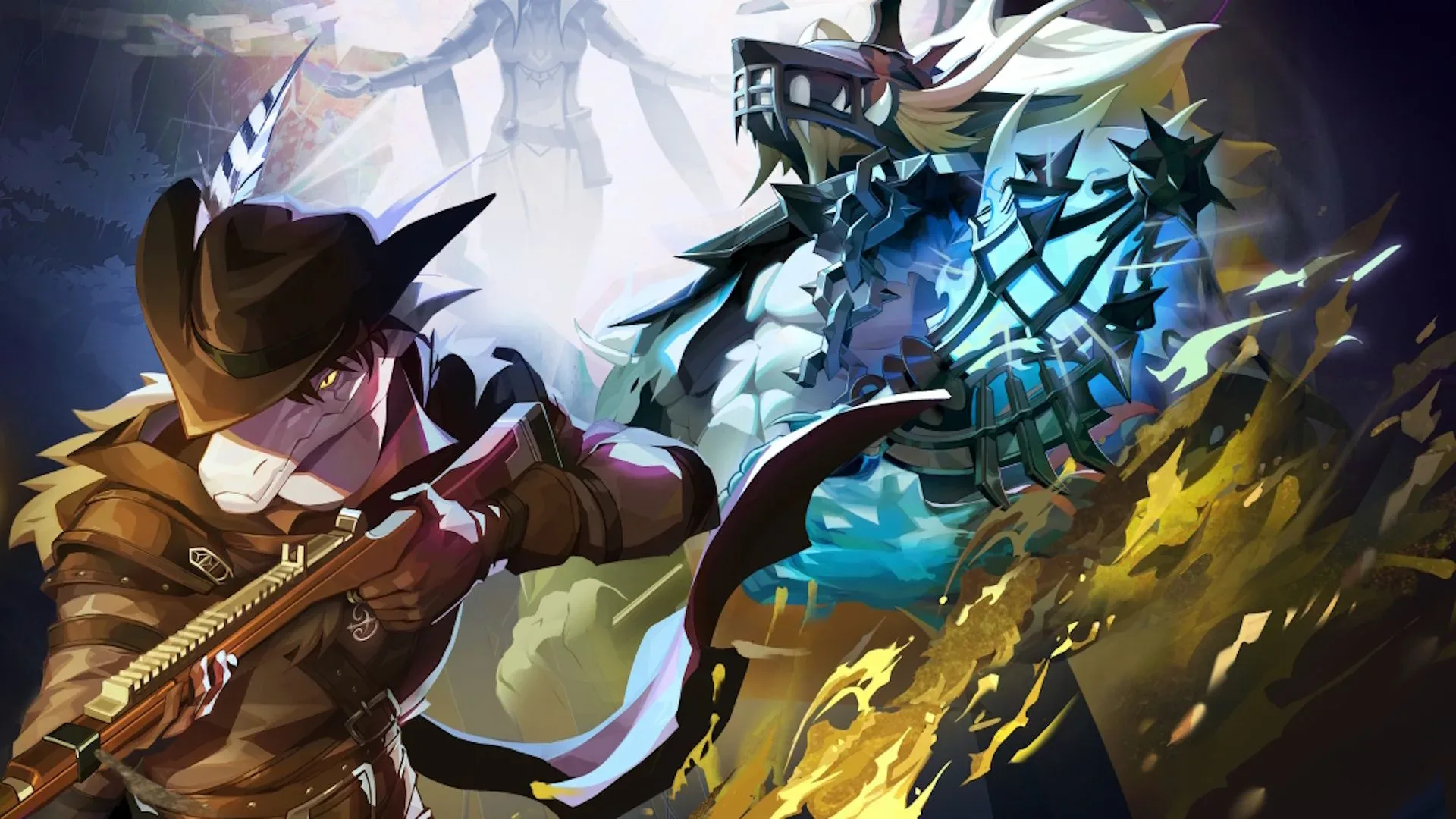
Shape of Dreams is widening its battlefield. The action roguelike, which launched on Steam last September and has since sold more than 1.5 million copies, is headed to PlayStation, Xbox and Nintendo Switch 2. The console versions were revealed during an Xbox Tokyo Game Show presentation, arriving alongside an anniversary update that will be released on every platform at the same time.
The platform rollout has one especially meaningful feature for a game built around repeatable combat runs: full cross-play. In plain terms, cross-play means players using different supported hardware ecosystems can play together rather than being separated by whether they own a PC, PlayStation, Xbox, or Switch 2. For a co-op-friendly action game, that can matter as much as the new platform versions themselves, because it broadens the potential pool of teammates without asking a friend group to standardize on one device.
The anniversary update will introduce Cetus, an ice leviathan and a new playable character. It will also add more story content and new options for existing characters. Specific details on Cetus’s abilities, the scope of the narrative additions, and the nature of those character options have not been outlined, so players should avoid assuming particular weapons, modes, or progression changes until the developer shares more.
A larger audience, but one shared game
The timing makes practical sense. Shape of Dreams is now one year removed from its Steam debut, and its sales give the move to additional platforms a substantial foundation. More importantly, the synchronized update means console players are not being positioned as a delayed audience receiving an older version while PC moves ahead. Everyone gets the announced anniversary content together.
That does not necessarily answer every version-parity question. “All platforms” receiving the new material simultaneously establishes a common release point for this update, but it does not independently confirm every future update schedule, performance target, control customization option, or feature outside the announced cross-play support. Still, a simultaneous debut is a useful signal of intent for a game whose developer wants to keep iterating.
Controller suitability is another straightforward reason the expansion fits. Shape of Dreams has been described as playing well with a controller, which is important when bringing a fast action roguelike from PC to living-room consoles and handheld-capable hardware. Controller-friendly design does not automatically tell us exactly how each platform version performs or which settings they offer; it does suggest the game’s core moment-to-moment control scheme is not being awkwardly transplanted.
Switch 2 is part of the lineup, putting Shape of Dreams among the games arriving on Nintendo’s newer platform. Players tracking that ecosystem’s accessories can also see how manufacturers are approaching the hardware, including a Switch 2 carrying bag built around Zelda styling. For Shape of Dreams, though, the more consequential Switch 2 detail is the ability to join the same cross-platform community as players elsewhere.
What kind of roguelike is Shape of Dreams?
Shape of Dreams is presented as an action roguelike with combat influenced by MOBAs. Those labels deserve a little unpacking, particularly because they describe its appeal without promising that it is simply a copy of any one game.
A roguelike, in contemporary action-game usage, generally centers on repeated runs in which outcomes vary and failure sends the player back into another attempt. The point is not merely replaying identical missions. Players commonly adjust to a changing combination of character choices, upgrades, encounters, and momentary decisions. The supplied details do not specify every system Shape of Dreams uses, but its identity as a roguelike tells prospective players to expect a run-based structure rather than a single, fixed campaign path.
MOBA is short for multiplayer online battle arena. In this context, the comparison concerns the combat inspiration rather than a claim that Shape of Dreams follows the full competitive-MOBA formula. It points to an action style associated with distinct playable characters and ability-driven fighting. Cetus joins that character roster as an ice-themed leviathan, but the announcement does not yet establish the character’s exact role, skills, or how they will interact with particular builds.
The other obvious reference point is Risk of Rain. Members of Lizard Smoothie’s development team drew heavy inspiration from that series during Shape of Dreams’ creation. The connection is meaningful rather than accidental, yet “inspired by” should be read carefully: it identifies a creative influence, not a statement that both games have identical content, rules, or feel. Shape of Dreams also carries combat ideas associated with MOBAs, giving it its own stated mixture of influences.
The game has also been compared in broad atmosphere to Diablo. That comparison is best understood as a useful shorthand for prospective players interested in a comfortable action-heavy loop, not as a detailed feature checklist. There is no need to infer shared classes, loot systems, online structure, or campaign format merely from that tonal comparison.
Lizard Smoothie’s first year and a candid development lesson
The studio behind Shape of Dreams is Korean developer Lizard Smoothie, which has grown to five people. Its rapid success echoes one piece of Risk of Rain’s origin story: both projects were made by two college students who did not anticipate such a successful career outcome. That parallel is charming, but the more useful part of Shape of Dreams’ story is what the team says it learned after release.
CEO Eunseop Shim has been frank that the game’s launch, despite its commercial result, was not perfect. In retrospect, he believes a team cannot establish that a game is enjoyable using internal reasoning alone. It needs player hands-on feedback, and it needs that feedback earlier than may feel comfortable during development.
That is more than a general slogan about listening to feedback. Shim specifically identified insufficient extensive playtesting before release. Players raised major concerns about progression, while the team had pushed toward balance and stability in ways that, by Shim’s assessment, did not adequately preserve the frantic fun at the heart of the game. The studio then had to work quickly to address the resulting problems.
Playtesting is the process of putting an unfinished or evolving game in front of people and studying how it actually works in play. It can reveal whether players understand systems, whether difficulty ramps feel fair, whether progression motivates continued runs, and whether a technically stable build is also exciting. A team can have a coherent theory for all of those things and still be wrong once real players meet the game.
Progression, meanwhile, is the framework by which a game gives players a sense of advancement: new options, stronger or different capabilities, access to additional content, or simply a clearer reason to continue. In a roguelike, progression is especially delicate. Too little can make successive runs feel disconnected; too much emphasis on perfectly managed systems can blunt the chaos and surprise that players came for. Shim’s remarks frame the team’s issue as finding the right relationship between stability, balance and high-energy play, rather than treating any one of those goals as inherently bad.
Why the update plans matter
The console release is not being framed as an exit point after a successful first year. Shim has said he does not intend to let the game go, citing both player requests and the team’s own ambitions. He mentioned that the studio wants to make a wholly new game mode, though he did not provide details. That makes it a direction of travel, not a confirmed feature list or release commitment.
There is a useful distinction here between an ambition and an announced update. Cetus, additional story content, new options for current characters, console versions, cross-play, and simultaneous anniversary content are concrete announced items. A new mode is an area the team wants to pursue but has not fully revealed. Treating those categories differently helps keep expectations realistic, especially around a small studio that describes its own working situation as still chaotic.
Neowiz has been part of Shape of Dreams’ success story. The company is known for creating Lies of P and publishing titles including DJMax Respect 5, Sanabi and Skul: The Hero Slayer. Lizard Smoothie’s continuing work on Shape of Dreams therefore comes with a publisher relationship behind it, but the available information still centers the five-person developer’s own ongoing design work and response to player feedback.
Shim’s language suggests that the team has moved from worrying chiefly about whether the game might fail toward working through the responsibilities created by an audience that has already arrived. More than 1.5 million copies sold is an extraordinary number for the project’s origins, but it also raises expectations for updates, fixes, communication and feature planning. The stated goal is not merely to maintain the game as it is, but to move it closer to the developers’ ideal version.
What players can reasonably take from the announcement
- Console players: Shape of Dreams is confirmed for PlayStation, Xbox and Nintendo Switch 2, with controller play a natural fit for its action-focused design.
- Groups split across platforms: Full cross-play is confirmed, making the console expansion more meaningful than isolated ports.
- Existing Steam players: The anniversary update is not console-exclusive. The announced content will arrive simultaneously across all platforms.
- Players interested in new characters: Cetus, an ice leviathan, is confirmed as playable. Detailed ability information has not been provided.
- People waiting for long-term support: The developer has clearly expressed an intention to continue improving the game and has alluded to a potential new mode, but has not set out a full future roadmap.
Shape of Dreams’ expansion is therefore bigger than a standard port announcement. It combines a new character and anniversary content with a cross-platform community plan, while arriving at a moment when the developer is openly reassessing the first year’s compromises. The team’s most important stated lesson is refreshingly direct: a game’s fun cannot be conclusively argued into existence inside the studio. It has to survive contact with players. With more platforms, more potential co-op partners, and another wave of content on the way, Shape of Dreams is preparing to keep that conversation going.