
A social-media ad can now look like a perfectly plausible deal: familiar logo, professional product photography, a huge markdown and a timer insisting the offer will disappear before the day is out. That presentation is precisely what makes scam advertising effective. A convincing imitation does not need to look broken or amateurish to take a shopper to a fake store, collect card information or push an unwanted recurring charge.
The stakes are substantial. People reported losing more than $95 million in 2025 after purchases that began with social-media ads. Across every variety of scam that started on social platforms, reported losses reached $2.1 billion that year.
For gamers, collectors and anyone shopping for tech or gifts, the basic rule is useful: treat the ad as a lead to investigate, not as proof that a merchant or promotion is real. “Sponsored” means the advertiser paid for placement. It does not certify the company, the item, the discount or the destination site.
Why a slick-looking ad is no longer reassurance
The old mental checklist for spotting a questionable shop often began with spelling mistakes, bad photos and awkward page design. Those clues can still matter, but their absence is not a clean bill of health. Fraudulent advertisers can copy product photographs, logos and layouts from legitimate retailers. A polished checkout page can be an imitation too.
The pitch often depends on urgency: a countdown, limited-stock claim or extraordinary discount intended to make a person decide before pausing to verify anything. A jacket apparently reduced from $300 to $39 is not merely an attractive offer; it is also a prompt to skip the normal checks a shopper might otherwise make.
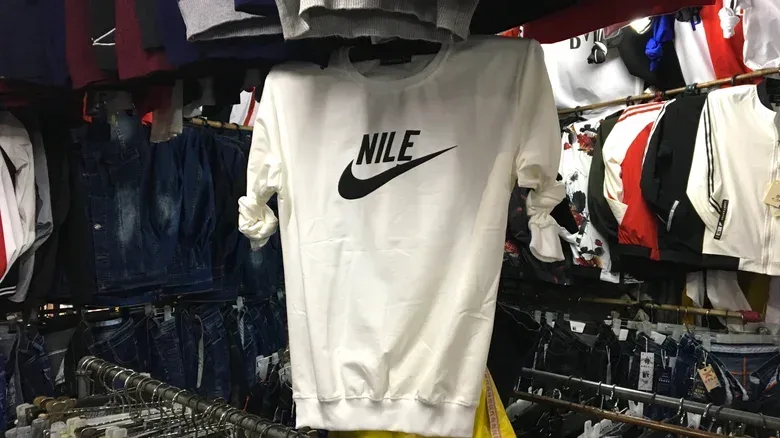
Luxury branding is particularly useful to this kind of deception because name recognition does much of the trust-building work. But a familiar mark on an ad or checkout screen does not establish that the operator is connected to the brand. A prestige product being offered at an extreme reduction should invite additional scrutiny, not less.
A February 2026 legal action by Meta against a Vietnam-based advertiser illustrated the pattern. The ads claimed to offer heavily discounted products, including Longchamp items. Shoppers were first sent through a survey and then to a page seeking credit-card details. Meta said the advertised products were not delivered and that unauthorized recurring charges followed. The number of affected shoppers was not disclosed.
Some campaigns take a different route: altered celebrity images or voices used to promote healthcare products or invite people into investment groups. Generative AI can make manipulated video and audio look more persuasive, so poor image quality and unnatural delivery are less dependable warning signs than they once were. A recognizable person seeming to recommend something is not verification that they did.
Related coverage includes How to spot scam ads on social media before you buy.
The safest first move: do not shop through the ad link
If an ad claims to represent a retailer you know, avoid using the ad as the path to the store. Open a new browser tab, type the retailer’s name yourself and navigate from its official homepage. Then look for the alleged promotion there.
This does not make every purchase safe—unknown shops and deceptive discount pages still deserve research—but it reduces the risk of being directed to a lookalike domain. An impersonator site is a site designed to resemble a real business closely enough that visitors assume they have arrived at the genuine destination.
The address bar deserves slow, deliberate attention. Check for extra words, a subtle misspelling or a different domain ending. A domain can look nearly right at a glance while being unrelated to the business it imitates. The objective is not to memorize every legitimate address; it is to notice when the URL does not match the company you intended to visit.
Search the business name alongside terms such as “scam” or “fraud,” then read reports and customer experiences with care. No isolated comment settles the question, but repeated, specific warnings can help reveal a pattern. When product images seem suspiciously familiar, a reverse-image search can also be useful. It may show that images were taken from another retailer, used as generic stock photography or attached to unrelated listings.
Price claims deserve their own reality check. As a practical example of why product details can change the value of a supposed deal, shoppers should look beyond the headline number—an approach that also applies when checking discounts such as the color-specific pricing discussed in this Marshall Acton III listing. A real promotion can have conditions. A fake one can use an implausible price to hurry a buyer into supplying information.
What HTTPS does—and does not—tell you
The padlock symbol and “HTTPS” in a browser address are frequently misunderstood. HTTPS means the connection between your browser and the website is encrypted. In simple terms, it helps protect information while it travels between your device and that site.
That is worthwhile, but it says nothing by itself about who operates the site or whether the operator is honest. A scammer can use HTTPS too. Put differently: HTTPS can mean your card number is encrypted on its way to a fraudulent checkout page. It cannot establish that the checkout page belongs to a legitimate merchant.
Think of it as a protection for the connection, not an authentication badge for the business. The more meaningful questions are whether the URL belongs to the business claimed in the ad, whether the offer is independently visible on the business’s own site, and whether outside information supports the seller’s legitimacy.
A quick pre-purchase check that resists pressure
Scam ads are built to create momentum. A short routine can interrupt that momentum without requiring specialist knowledge:
- Stop before clicking or paying. Treat limited-time language as a reason to slow down, not speed up.
- Find the business independently. Enter the store name in a new tab and start from its homepage rather than the ad.
- Inspect the exact domain. Look for added words, spelling differences and unusual endings.
- Test the offer outside the ad. See whether the official site shows the same item, price and terms.
- Search for warnings. Pair the company name with “scam” or “fraud” and review what others describe.
- Check questionable images. Use a reverse-image search when photos appear copied or generic.
- Assess the discount. An enormous reduction on a prestige product is reason for skepticism, especially when the brand’s perceived value is central to the sale.
No one indicator is perfectly conclusive. A new business may have a simple site; an established shop may run an aggressive sale. The strength of this process is in combining checks rather than relying on one visual cue, a padlock or a recognizable logo.
Pay in a way that leaves options if something goes wrong
If, after research, you decide to buy from a seller you do not know, payment method matters. A credit card or a payment wallet such as PayPal can offer more protection when a transaction needs to be disputed. That does not guarantee an outcome, but it can leave a route to challenge a charge.
By contrast, requests for gift cards or money transfers are major warning signs. Gift cards are a common scam payment method, and legitimate companies do not ask customers to pay for ordinary purchases with them. Payment requests that feel unusual should not be explained away because the product image looks legitimate or the discount is steep.
It is also important not to overstate what a payment option can do. Better dispute protections are a fallback, not a substitute for checking the merchant first. Resolving a deceptive transaction can take far longer than the few minutes spent examining a URL and researching a seller.
If you opened a suspicious site
Clicking an ad is not automatically a disaster. The immediate goal is to prevent a visit from becoming disclosure, payment or installation of harmful software. Do not enter information, and do not download files or accept prompts to install programs. Check whether anything downloaded anyway. If a file did arrive, do not open it; delete it, update your anti-malware software and run a scan.
If you entered a password, change it promptly. Change the password anywhere else you reused it as well. Password reuse makes a single exposed credential more dangerous because it can give someone a starting point at multiple services.
If you entered card or bank details—even if you abandoned the transaction before a final checkout—contact the bank or card company. Explain what happened and ask about stopping additional payments and reclaiming money already sent. The Longchamp-style example is a reminder that the harm may not be limited to the price a shopper thought they were paying; unauthorized recurring charges can be the bigger issue.
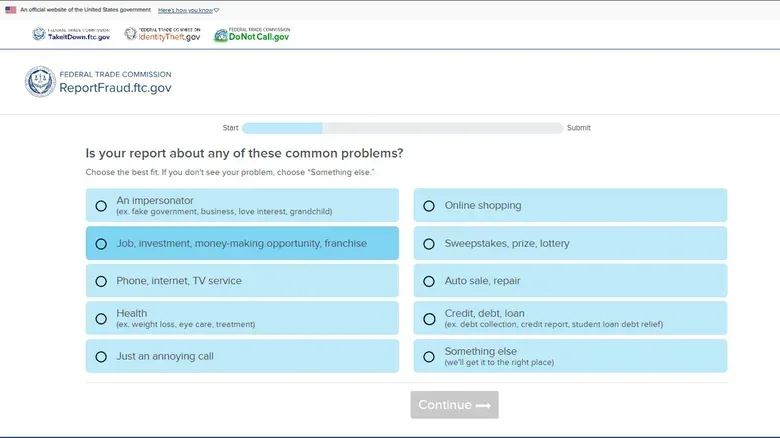
Preserve evidence before the ad or site disappears. Take screenshots of the ad, save the website URL and retain any payment details or correspondence. Reports can be submitted through platform tools for Facebook, Instagram, WhatsApp and TikTok. Fraud can also be reported to the Federal Trade Commission through ReportFraud.ftc.gov.
The practical lesson: trust a process, not a presentation
A professional storefront, an official-looking logo, an influencer-like video and a “Sponsored” label are all presentation. They are not proof. AI-made endorsements and copied retail assets make it increasingly unsafe to treat surface polish as a test of authenticity.
The most practical defense is modest but effective: take a breath, navigate independently, inspect the URL, look for corroboration and use a payment method with dispute options if you proceed. The offer may turn out to be real. But an ad that cannot survive a few minutes of basic verification is not a bargain worth chasing.