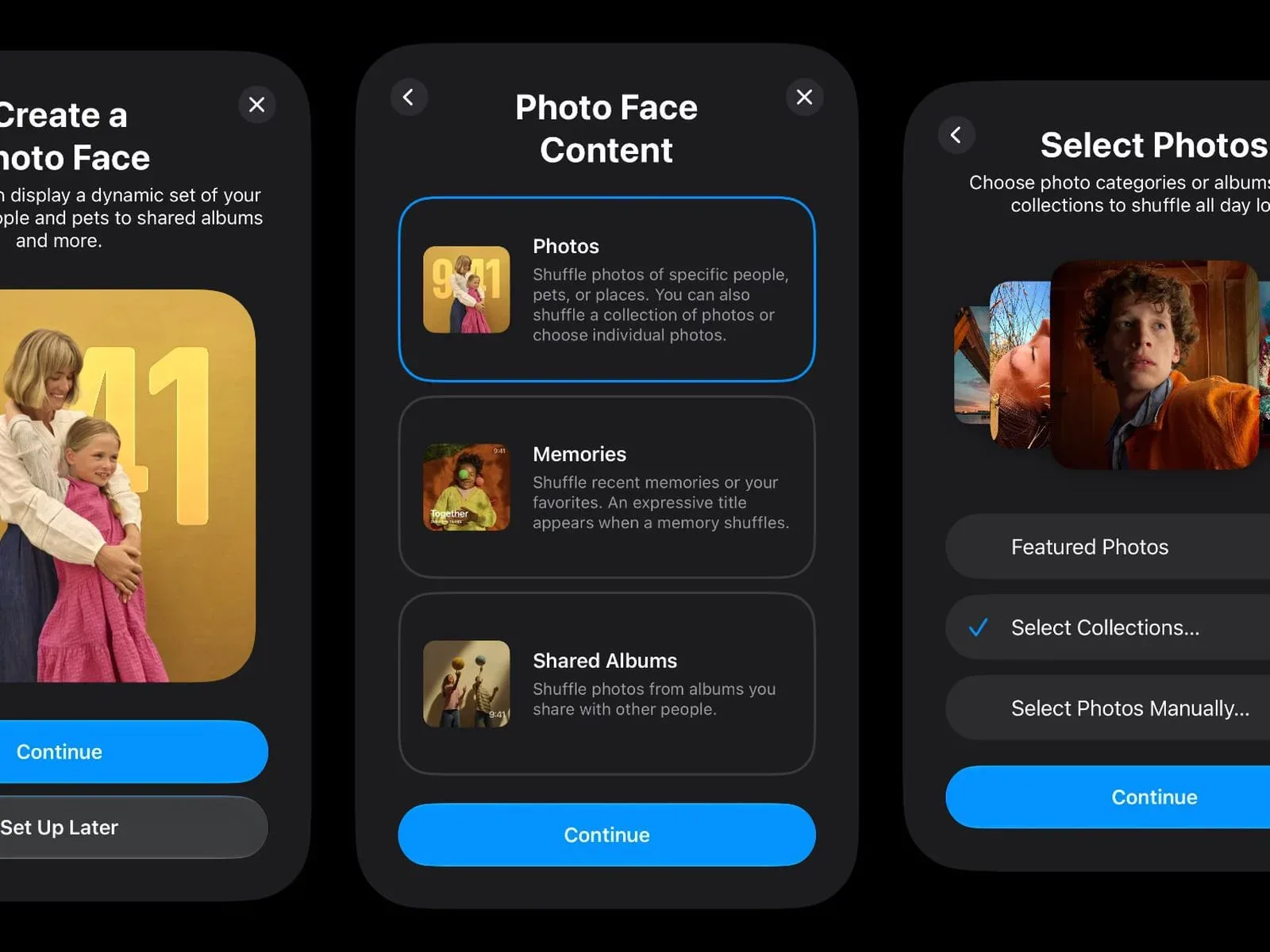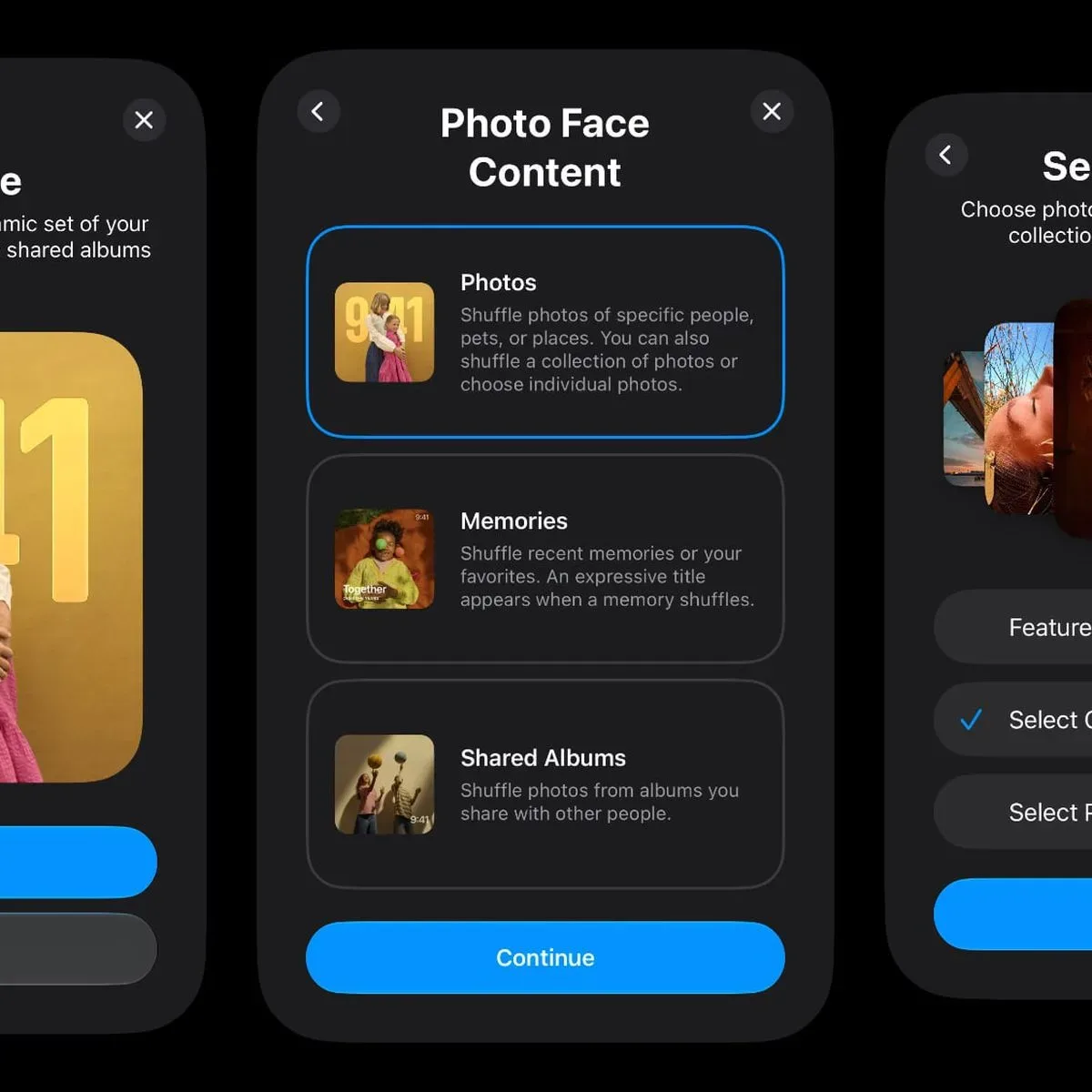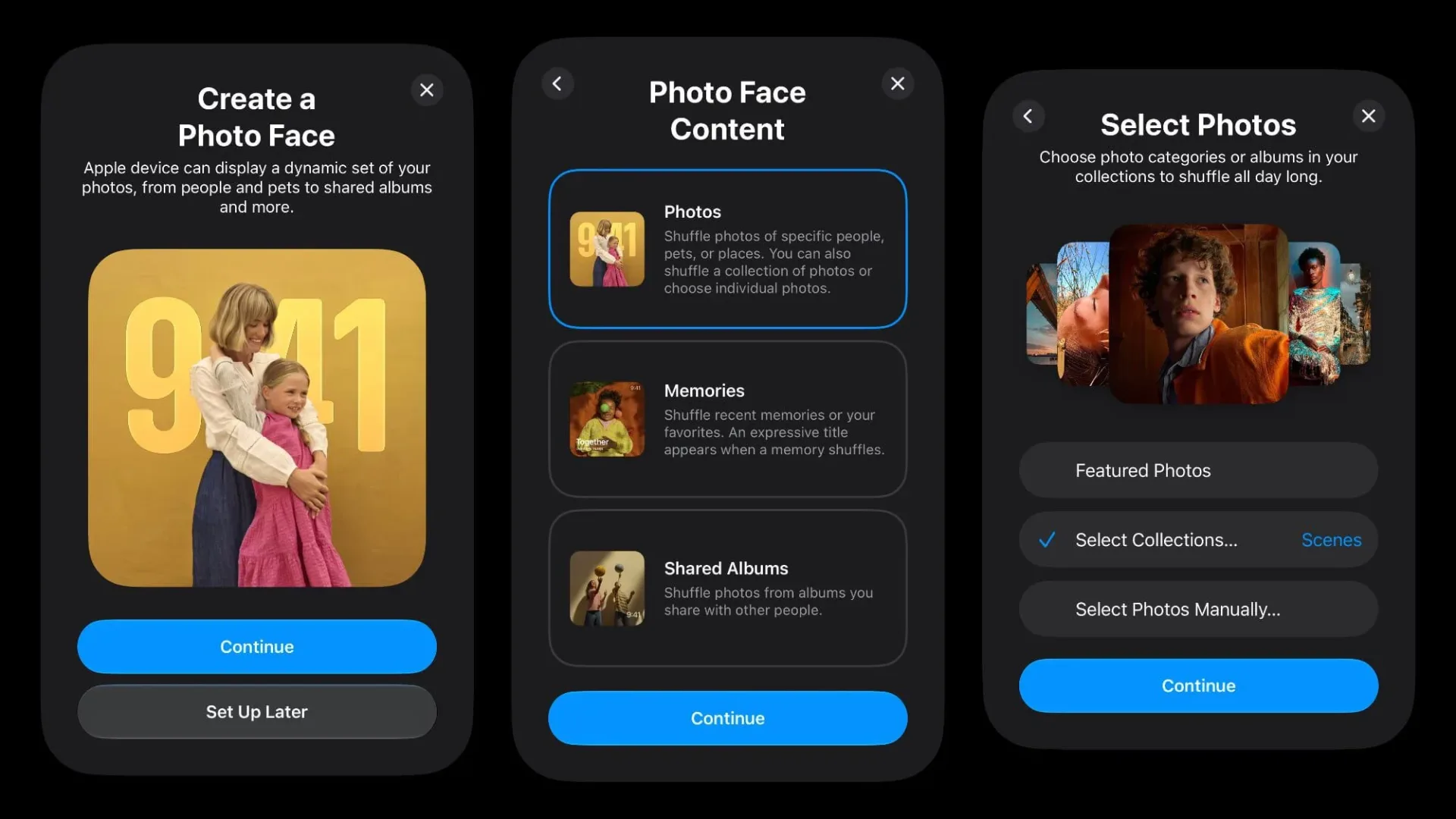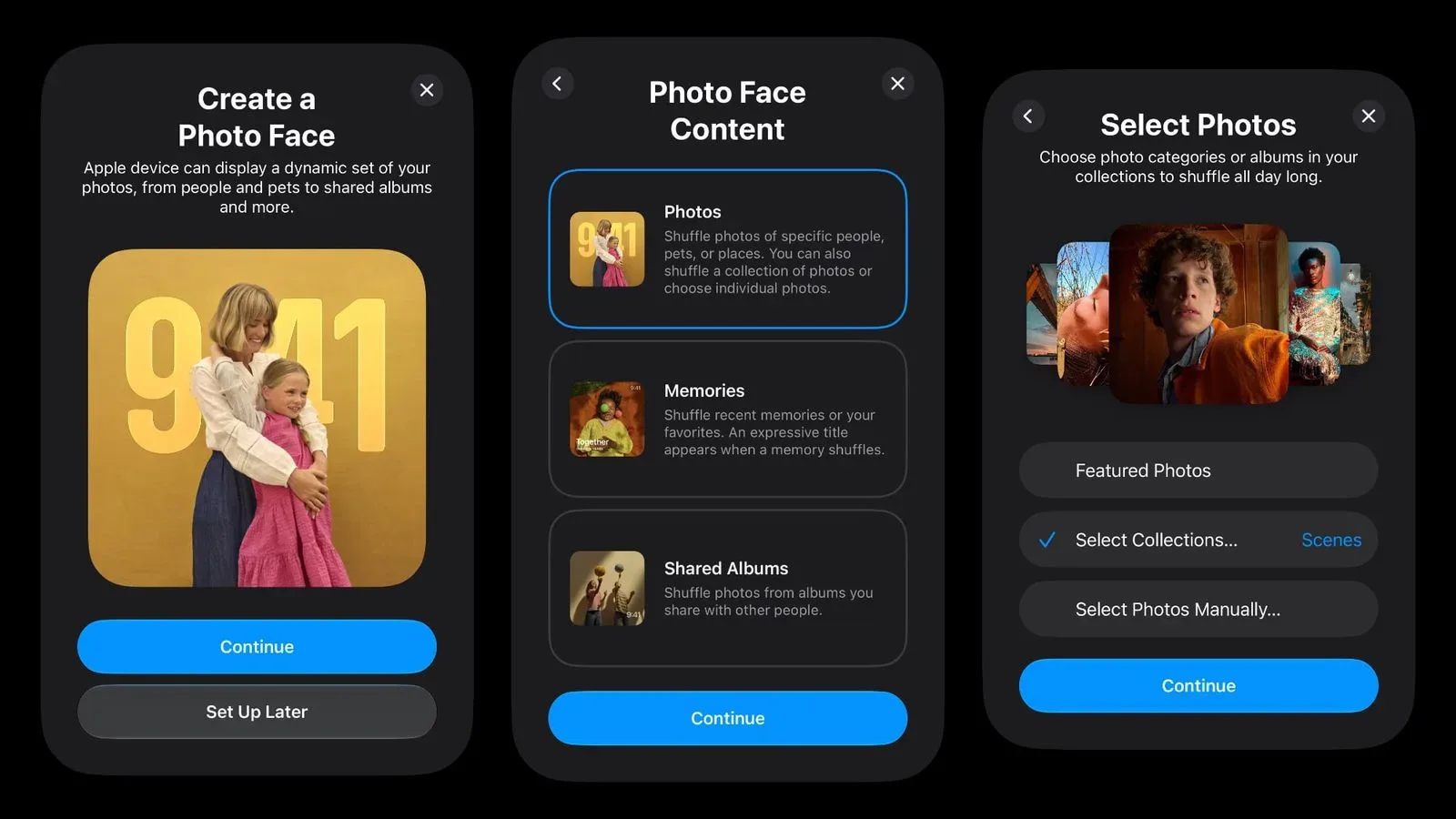
A purported look at the setup process for Apple’s rumored smart home hub offers a clearer idea of what the device may do when nobody is actively using it: become a personalized photo display. Screens attributed to leaker pdfu show a “Photo Face” that can draw from photo collections, Memories, and shared albums, with images supplied through iCloud Photos.
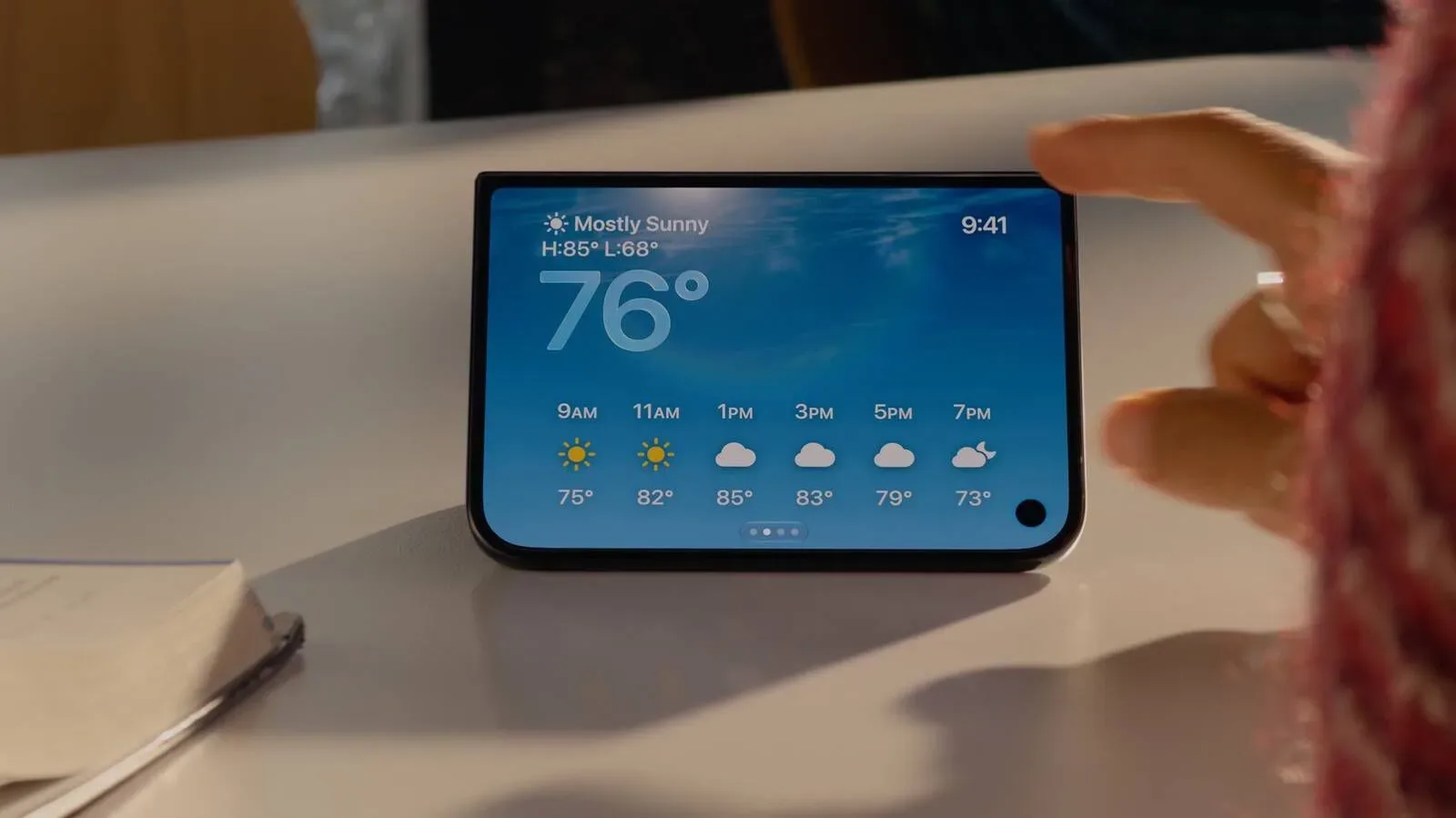
That is a small detail with outsized importance for the rumored product. The device is expected to have a compact, roughly 6-inch display and to occupy a fixed place in a home rather than live in a pocket. In that setting, its idle screen may be more central to the experience than a conventional app grid. The available claims point to a device designed to show the time, family photographs, and useful at-a-glance information between more direct interactions.
Crucially, none of this is official product confirmation. The home hub itself, its hardware design, its software, and an October 13 debut are all still reported or rumored. But the alleged Photo Face screens are the first visual indication of one of the hub’s possible display modes, and they line up with prior descriptions of an interface built heavily around clocks and photo slideshows.
What the alleged Photo Face setup shows
The reported setup flow lets a user choose what kind of pictures the hub should show. The options are said to include photo collections, Memories, and shared albums. Those choices matter because they imply different ways the device could fit into a household.
- Photo collections would let a household use a selected group of images as its display source.
- Memories point to an automatically surfaced photo presentation rather than a manually assembled album alone.
- Shared albums could make a common pool of photos practical for people sharing the home.
The setup screens indicate that iCloud Photos must be enabled. In plain terms, the Photo Face would not appear to be built around plugging local pictures directly into the hub; it would rely on Apple’s cloud photo system. That requirement would give the device access to photos associated with the relevant iCloud setup, but it also means the feature depends on iCloud Photos being turned on.
Users would reportedly be invited to configure the Photo Face during activation. That makes the feature sound foundational rather than like a tucked-away optional extra. A user may encounter the photo choice while establishing the device’s basic behavior, much as a clock or home-screen preference is part of initial personalization on a display-centric product.
A StandBy-like role for a stationary screen
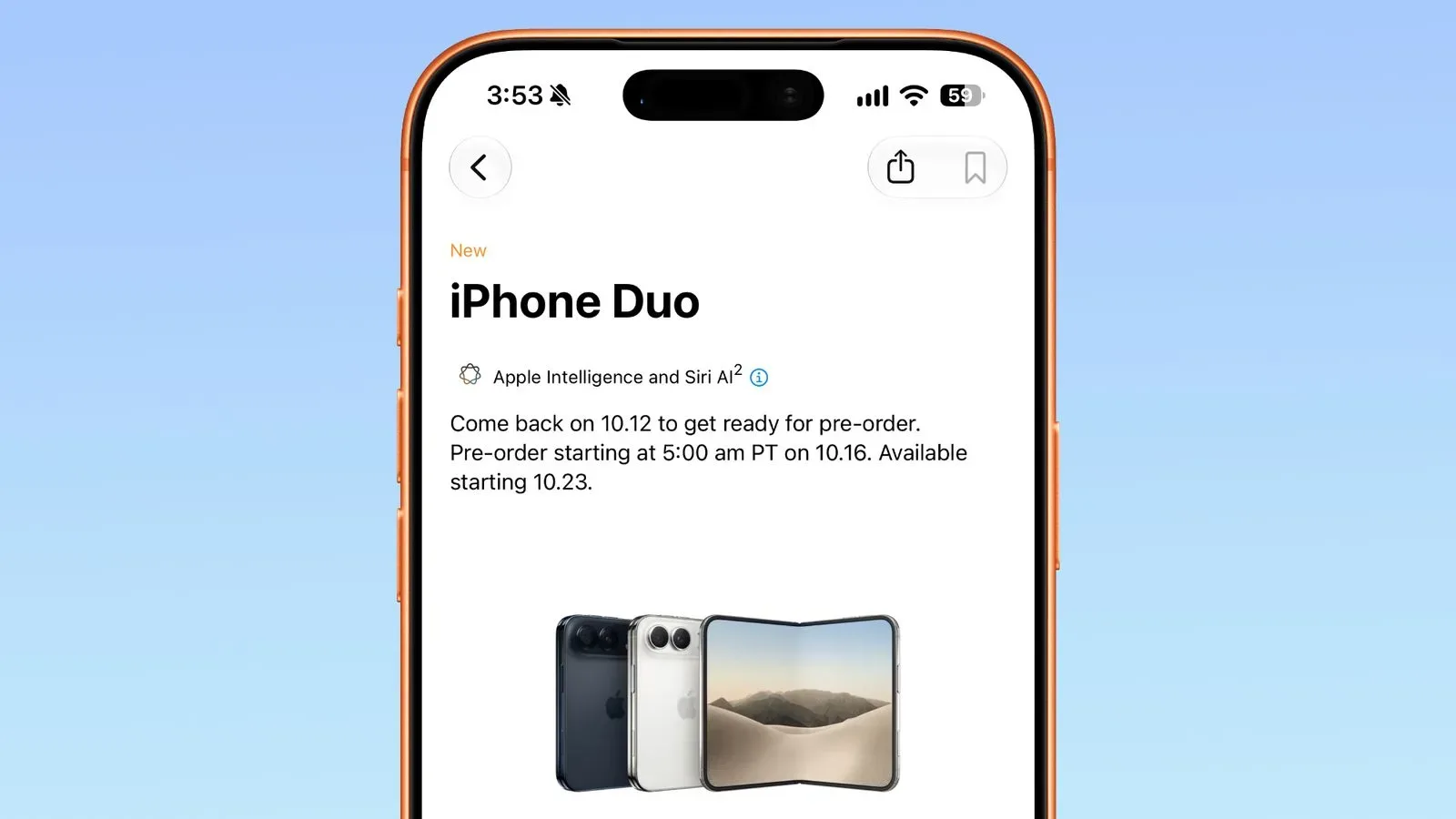
Pdfu’s claim is that the home hub’s Photo Face is the same Photo Face planned for the iPhone Duo’s StandBy mode. The apparent overlap is notable because the two devices would have different jobs. A phone is normally an individually owned, carried device. A home hub is expected to be a shared household display that remains in one place. A shared face concept could give Apple a familiar visual language across both: an attractive, readable display that is useful precisely when the main device is not being actively operated.
StandBy, in this context, means an idle display mode rather than an open application. Its purpose is to make an otherwise inactive screen legible from nearby, typically emphasizing persistent visual information over dense controls. For the rumored hub, that concept reportedly extends to several idle display options, echoing the selection available on iPhone when StandBy is in use.
The proposed Photo Face therefore seems less like a photo app and more like a durable screen state. It would give the display something personal to show in the gaps between checking a reminder, looking at a calendar entry, controlling music, or viewing weather information. If that approach is accurate, the photo slideshow is part of the home hub’s identity, not merely decoration.
The reported software connection may also shed light on why iPhone Duo StandBy has not been made available through the Xcode simulator. Xcode simulator refers to Apple’s development environment used to emulate supported devices and software behavior for app testing. The claim is not proof of a reason, but it raises the possibility that an unreleased shared interface is being kept out of that environment until Apple is ready to reveal it.
What is rumored about the hub itself
The rumored hardware is expected to use a 6-inch screen. It is described as broadly iPad-like in appearance, but square in shape and attached to a base. That base is said to resemble the metal half-dome of the iMac G4, connecting to the screen through an arm. If accurate, that would frame the product as a deliberately visible countertop or tabletop object rather than a tablet meant to be picked up and carried around.
A relatively small square screen makes the emphasis on clocks and photographs understandable. Those elements suit a display that can be glanced at from across a room. They are also visually straightforward enough to remain useful when controls are not onscreen. The reported multiple idle options would give users a choice over whether the hub reads more as a timepiece, a family-photo display, or another informational panel.
Prior reporting has suggested there may not be a full App Store on the device. Instead, its software support is said to center on apps and widgets such as Calendar, Weather, Music, Messages, and Reminders. Widgets are compact interface panels that present information or quick controls without necessarily requiring a user to open a full application. On a home display, that distinction is important: a widget-led interface implies brief interactions and shared visibility, not a general-purpose computing environment.
That limits the meaning of “smart” in smart home hub. A full App Store would suggest broad third-party software flexibility, while the described approach would prioritize a narrower selection of built-in, glanceable functions. The rumored product could still handle common household needs, but its appeal would depend substantially on the quality of that focused interface and how well it behaves when nobody is touching it.
Personalization could be the feature that separates it from a generic smart display
Another reported capability is proximity awareness: the hub may be able to recognize when someone approaches. It is also rumored to distinguish among people in the home and present different widgets for each person. Taken together with a Photo Face that can use shared albums, that suggests an attempt to balance a communal device with individual relevance.
There are several potential layers to that idea. A hub sitting in a common room needs a default state suitable for everyone, which makes a shared photo presentation or neutral clock logical. When a specific person comes closer, the device could then shift toward that person’s own calendar, reminders, or other widgets. The reported features do not establish exactly how user recognition would work, how reliably it would distinguish residents, or which content would be visible at what distance. Those are meaningful unanswered questions, not details that can be assumed from the early information.
Still, the reported arrangement clarifies why photo features may matter. A household display needs something that feels appropriate when it is not serving one person’s immediate task. Shared images can do that job without requiring the device to commit to one resident’s private to-do list or messages. The distinction between a communal idle face and person-specific active widgets could be central to the product’s usability.
For people already organizing their pictures through iCloud Photos, the Photo Face could make the alleged hub feel like an extension of an existing photo library. For people who do not use iCloud Photos, the apparent requirement is equally important: the signature visual feature described here may not operate as intended. That is a practical limitation worth noting before treating the rumored device as simply a digital photo frame with smart-home extras.
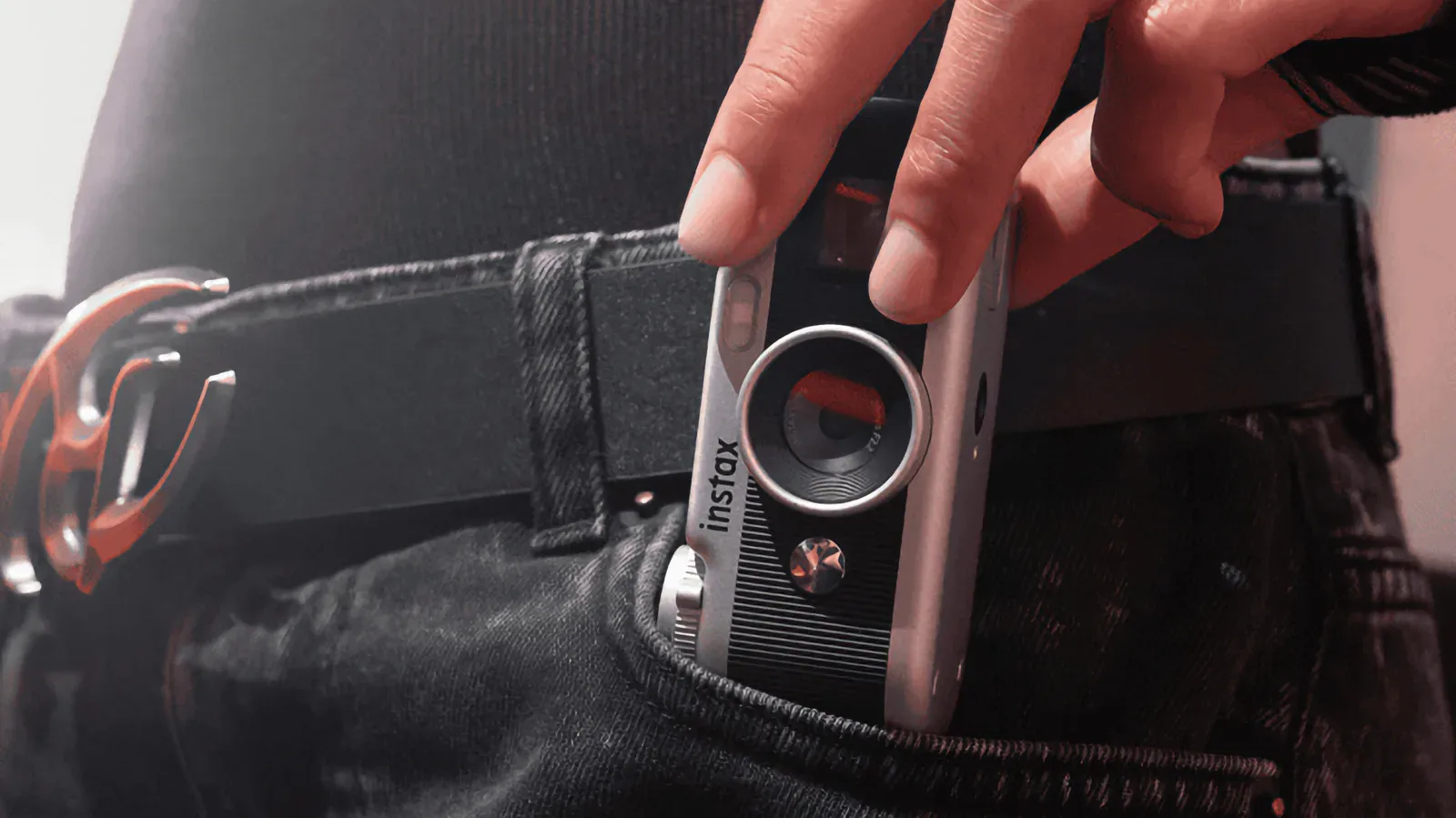
The broader appeal of compact photo hardware shows why this category has room for products that make existing image libraries easier to revisit. A recent look at Fujifilm’s Instax Pal 2 similarly centers photography as a more tangible digital experience, though the rumored Apple hub would take a very different, home-display-oriented route.
What remains uncertain before any debut
The October 13 date attached to the rumored home hub should be treated cautiously. Apple has not confirmed the device in the supplied information, and the same applies to the 6-inch display, the distinctive base, the lack of a full App Store, proximity sensing, user differentiation, supported apps, and the shared Photo Face connection with iPhone Duo.
Even the alleged setup images, while useful as an early indication of interface direction, do not settle the final product experience. Names, layouts, options, and requirements can change before release. A Photo Face may ultimately be one choice among several, but the exact selection of idle displays has not been established beyond the report that multiple options are expected.
What the material does support is a coherent picture of Apple’s reported priorities for this device: a compact screen that looks good when idle, an interface centered on clocks and imagery, household-aware behavior, and quick access to a limited group of useful apps and widgets. The Photo Face is the most tangible software clue yet. If the hub arrives in the form described, it will not be trying to replace an iPad; it will be trying to make the empty moments on a shared home screen feel useful, recognizable, and personal.