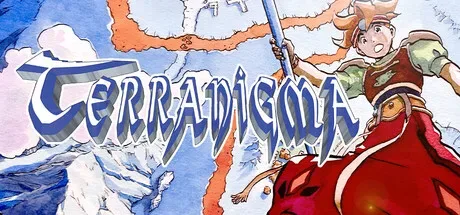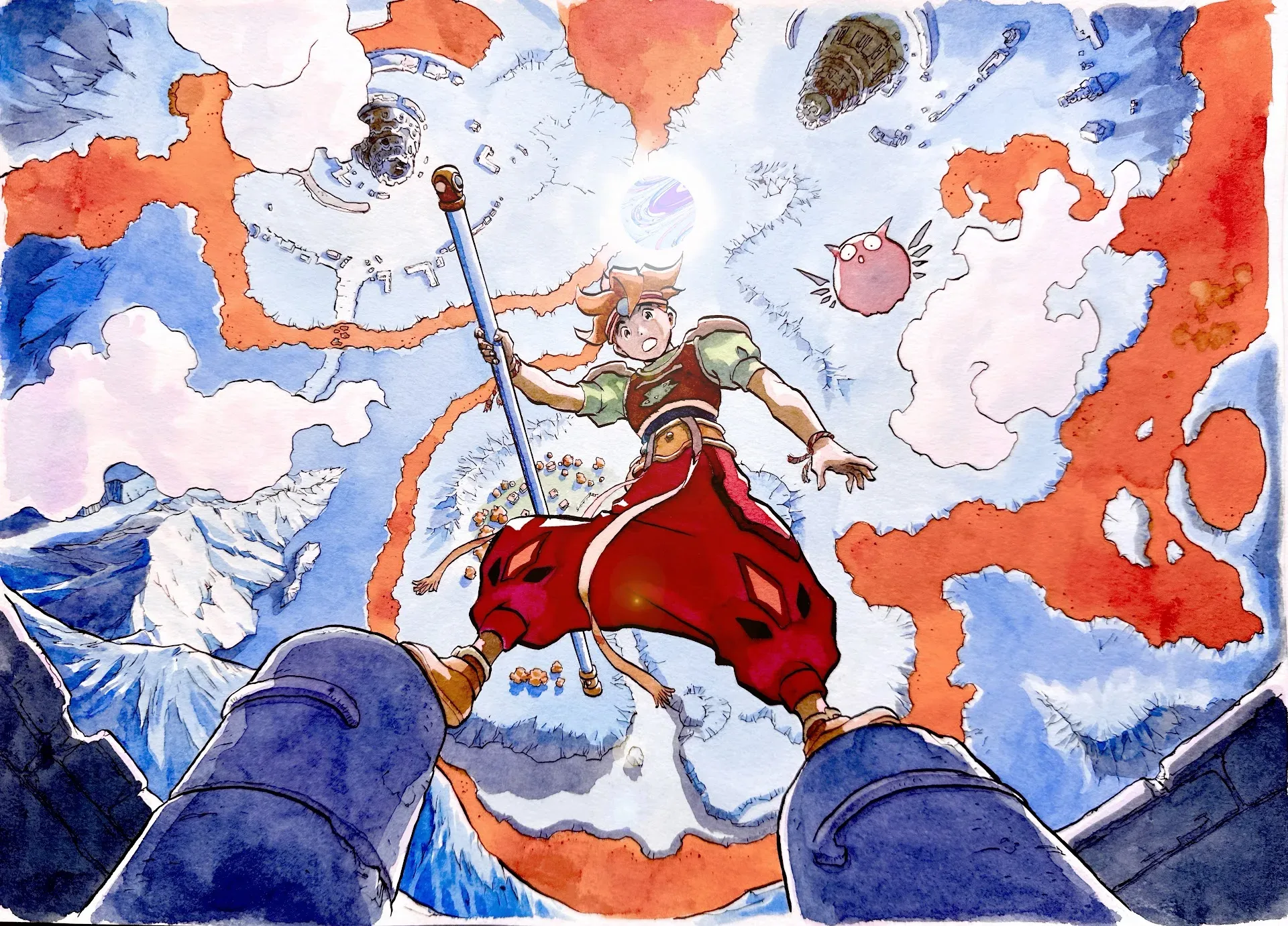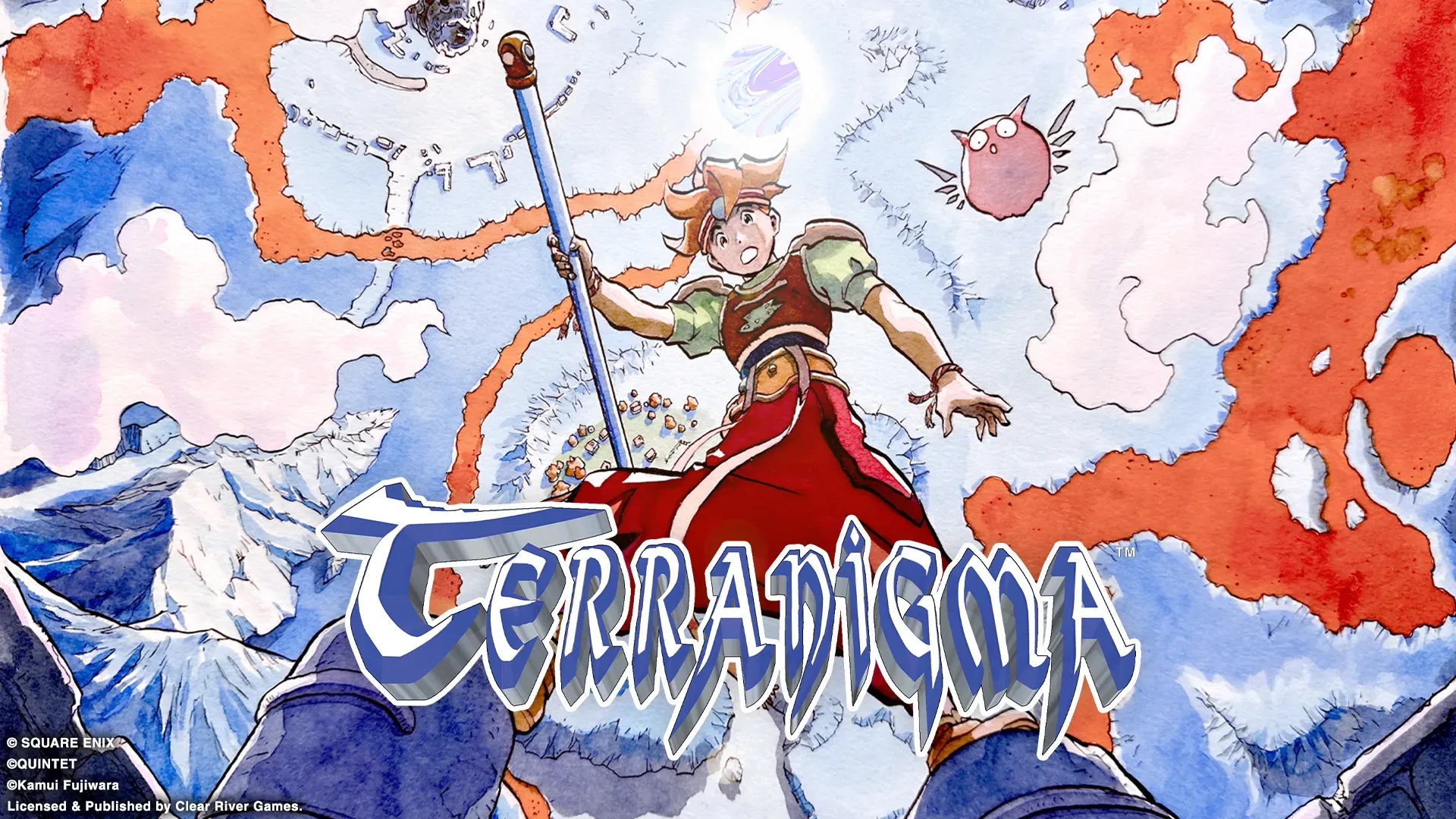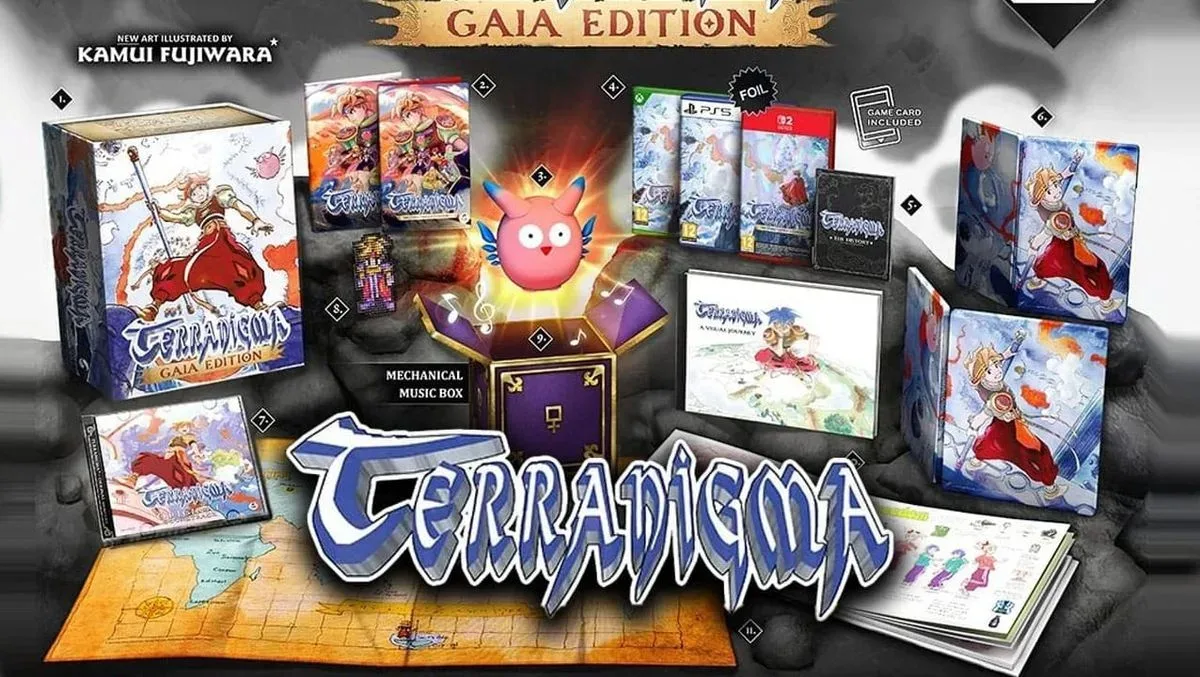
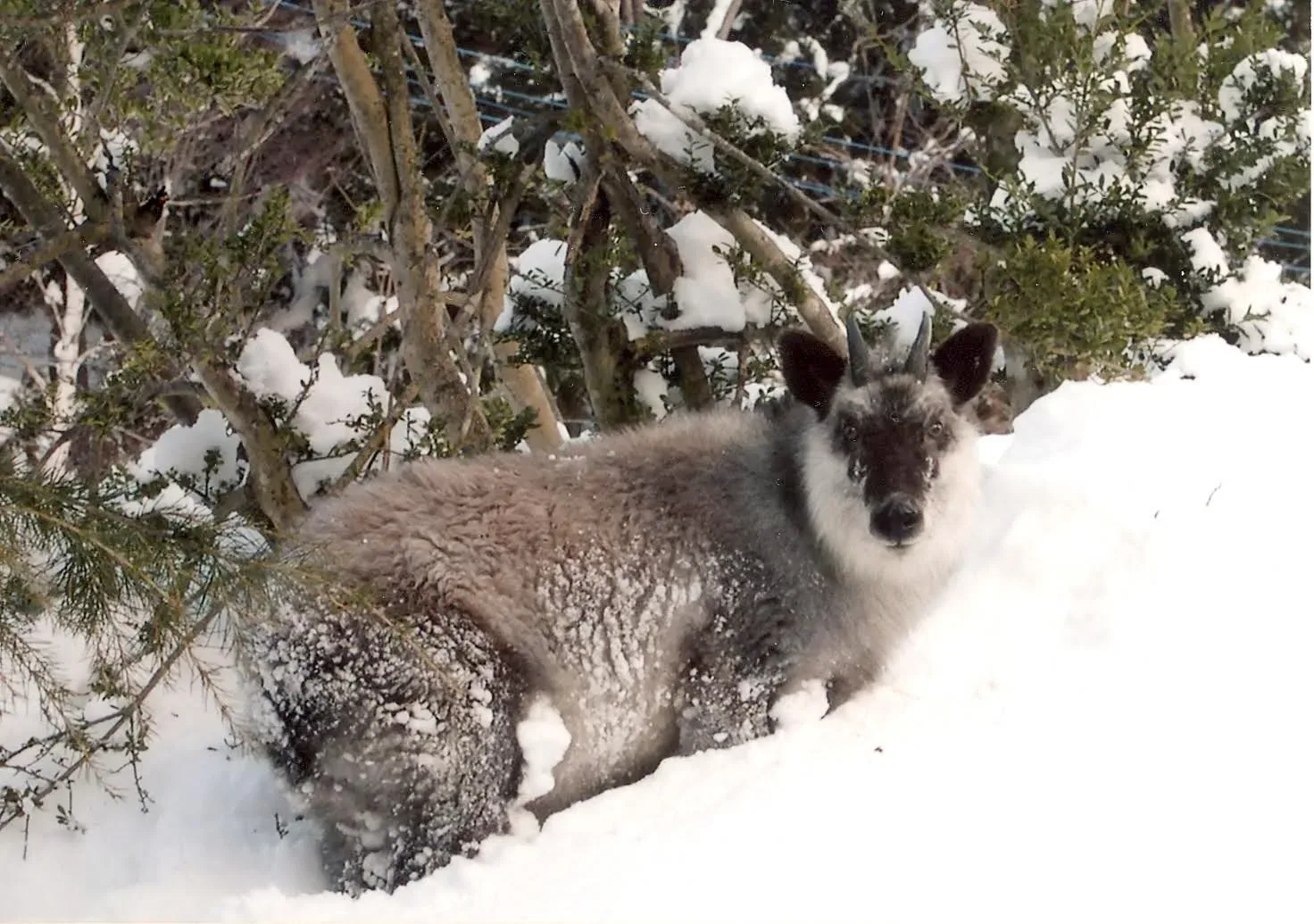
Clear River Games has donated $1,000 to the Environment Conservation Center of Mie (ECCOM) in Japan to support preservation of the serow and its natural habitat. The contribution arrives during the campaign for Terranigma’s modern re-release, which is scheduled to launch on January 14, 2027.
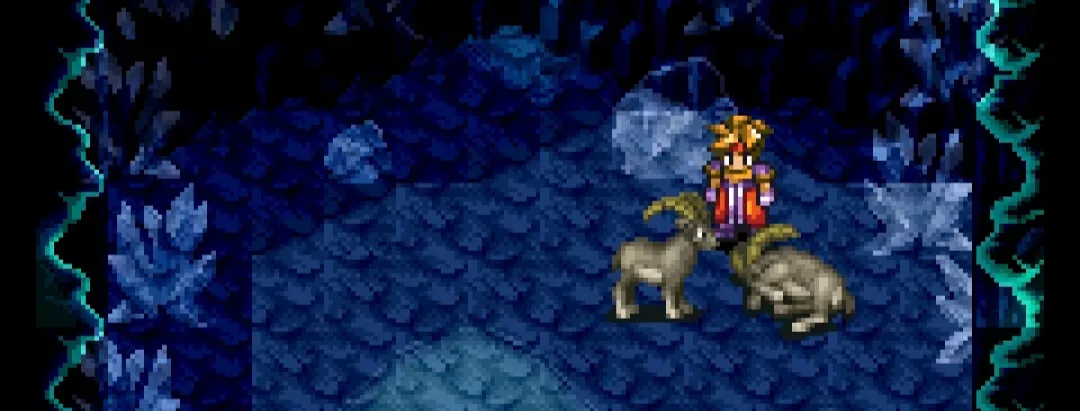
The donation is deliberately tied to a memorable survival sequence in the original game, in which its protagonist shares a moment with a serow. It is a modestly sized contribution, but the significance of the campaign is more specific than a standard game-release charity tie-in: Clear River Games is using the return of Terranigma to identify an animal that was obscured for some players by an older localization decision, while directing money to an organization working on its conservation.
A serow, not simply a mountain goat
In the 1990s PAL localization of Terranigma, the serow was renamed as a generic “mountain goat.” Clear River Games says its new initiative is intended to restore that lost cultural context and raise awareness of the species.
That distinction matters. Localization is the adaptation of a work for another language or market. It can include translated dialogue, terminology, cultural references, and word choices intended to be immediately intelligible to a new audience. Calling the animal a mountain goat may have been broadly understandable, but it also made the scene less precise. The specific creature that informed the original moment became a more general idea of a mountain-dwelling animal.
The re-release campaign instead puts the serow back at the center of the conversation. In practical terms, that gives returning players a clearer way to understand what the scene was depicting, and gives new players a route from a fictional encounter to real-world information about the animal and the habitat it needs.
ECCOM’s role in the campaign
The recipient is ECCOM, an environmental conservation organization based in Mie Prefecture, Japan. Clear River Games is partnering with the group both to support its ongoing conservation work and to help educate players about the serow.
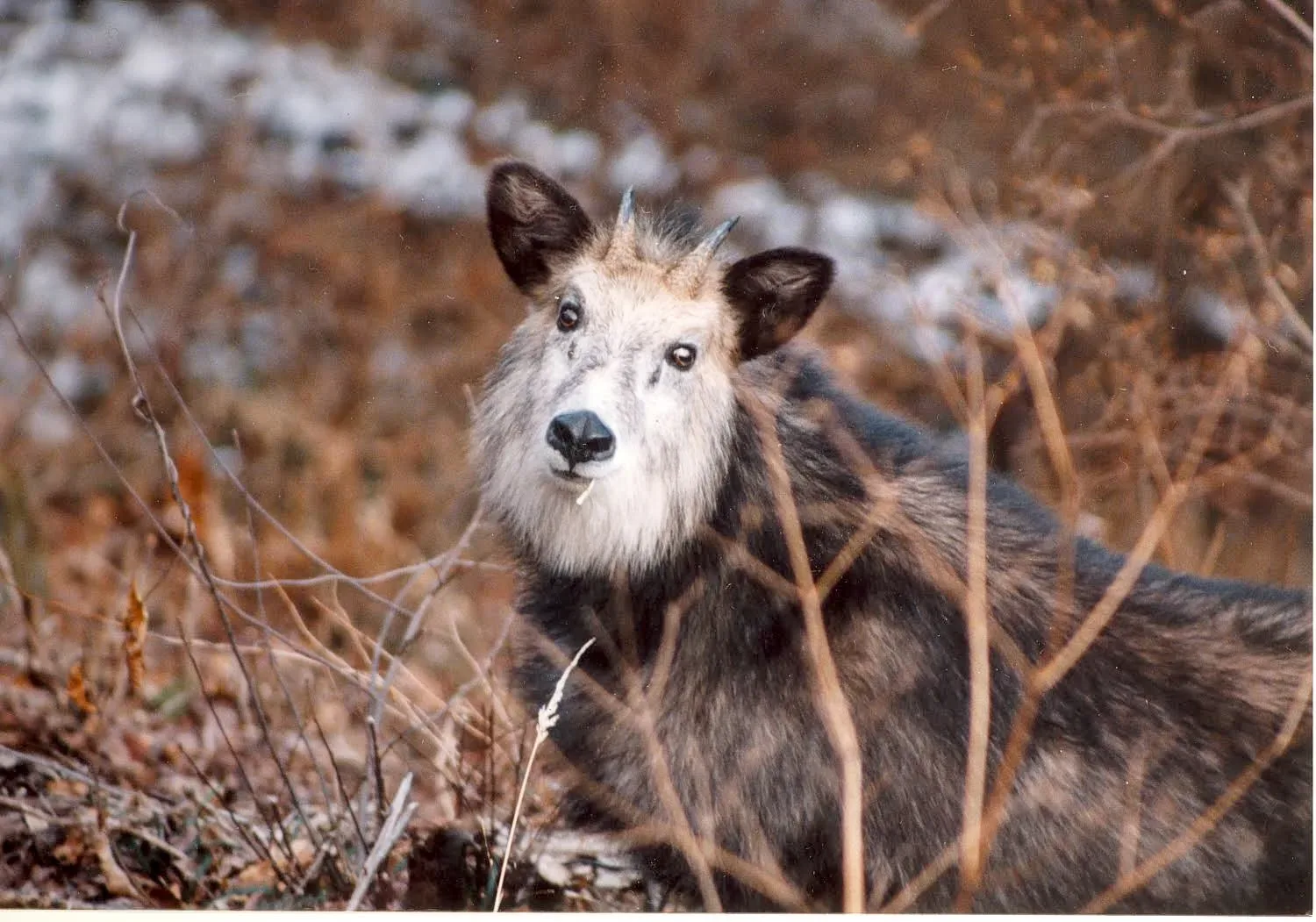
ECCOM chairman Yutaka Mori welcomed the attention prompted by the game scene, describing the serow as an animal that has changed very little since the Ice Age. He characterized the animal’s quiet observation of people as a reminder of the relationship between nature and humanity, and said the initiative could help people around the world learn about the serow and the environment in which it lives.
“The serow is an animal that has retained its primitive form, having evolved very little since the Ice Age. As it quietly tilts its head and observes the way we live, it reminds us of the deep connection between nature and humanity.” — Yutaka Mori, Chairman, NPO ECCOM
Related coverage includes Terranigma Re-Release Campaign Includes $1,000 Serow Conservation Donation.
The partnership also provides useful boundaries for what the donation represents. This is not presented as a claim that a single game campaign resolves conservation challenges. It is a contribution to established work, coupled with an educational effort that uses a recognizable narrative moment to introduce an audience to the animal behind it.
Why a small scene can carry cultural weight
Games often build emotional meaning through brief interactions rather than extended exposition. A survival moment involving an animal can communicate vulnerability, companionship, endurance, or the importance of the natural world without requiring a lengthy explanation. That appears to be why this particular Terranigma sequence has been selected as the centerpiece of the campaign.
The serow’s original identity is therefore not a trivial piece of terminology. When a localized version uses a broad substitute, players may still grasp the basic emotional purpose of a scene, but they lose an opportunity to connect it with a distinct animal and the place associated with it. Restoring the name helps preserve a strand of context that sat behind the original creative choice.
It also illustrates a recurring issue in the preservation and re-release of older games: retaining a game’s emotional impact is not always only a matter of keeping mechanics, art, or dialogue intact. Names, regional details, and references can affect how players interpret a work. In this case, Clear River Games is acknowledging the prior wording directly rather than treating it as invisible background detail.
What the campaign does—and does not—establish
- It does establish that Clear River Games has donated $1,000 to ECCOM in support of serow preservation and habitat conservation.
- It does establish that the donation is connected to a serow sequence in Terranigma and to a planned educational partnership with ECCOM.
- It does establish that the older PAL localization used “mountain goat” in place of “serow.”
- It does not establish further details about how the re-release will handle every aspect of past localization.
- It does not establish a specific breakdown for how the $1,000 will be used within ECCOM’s broader work.
Those limits are worth keeping in view. The announcement is chiefly about an identified donation, awareness, and the recovery of a specific cultural reference—not a detailed outline of the re-release itself.
A release milestone with an outward-looking purpose
Promotional campaigns are commonly designed to focus attention on a product. This one also points outside the game, toward the real animal represented in one of its scenes and toward an organization already engaged in environmental conservation. That is the campaign’s most notable practical implication: interest in a legacy game can become an entry point to learning, provided the connection is made clearly and responsibly.
For players, the immediate takeaway is straightforward. The January 14, 2027 launch is now accompanied by a piece of context that may change how they view that survival scene, particularly for anyone whose earlier experience used the “mountain goat” wording. For ECCOM, the collaboration brings a global game audience into contact with its conservation mission. For the publisher, it sets an expectation that the re-release’s conversation can include cultural specificity as well as nostalgia.
The timing also places Terranigma in an increasingly busy January 2027 games calendar; for example, another January release window is already taking shape elsewhere. What differentiates this campaign is not a newly detailed feature list, but its focus on a real-world animal, an older localization change, and a concrete charitable contribution.
What to watch next
Clear River Games has framed the $1,000 gift as a milestone in the run-up to Terranigma’s re-release. The clearest next point is the January 14, 2027 launch itself. Until further information is provided, players should avoid assuming unconfirmed platform details, feature changes, or broader localization revisions from this conservation announcement alone.
Still, the serow initiative gives the campaign a meaningful lens through which to revisit the game. It recognizes that even a short encounter can preserve a connection to a particular animal and environment—and that a decades-old translation choice can be worth revisiting when the game reaches a new generation.