Terranigma is scheduled to return on January 14, 2027, and pre-orders are now open for three physical editions: Standard, SteelBook and the premium Gaia Edition. Clear River Games has listed the release for Nintendo Switch 2, PlayStation 5 and Xbox Series X. The Switch 2 version is also confirmed to work on the original Nintendo Switch.
It is a notable comeback for a game first released in 1995. By its planned 2027 arrival, that will be a 32-year gap between the original launch and this modern-console release. The new editions also put a conspicuously physical spin on the revival: each version is stated to include the game on a game card, while the upgraded packages build outward with printed material, sleeves and, at the top end, display and audio items.
Three editions, from a history booklet to a full collector’s package
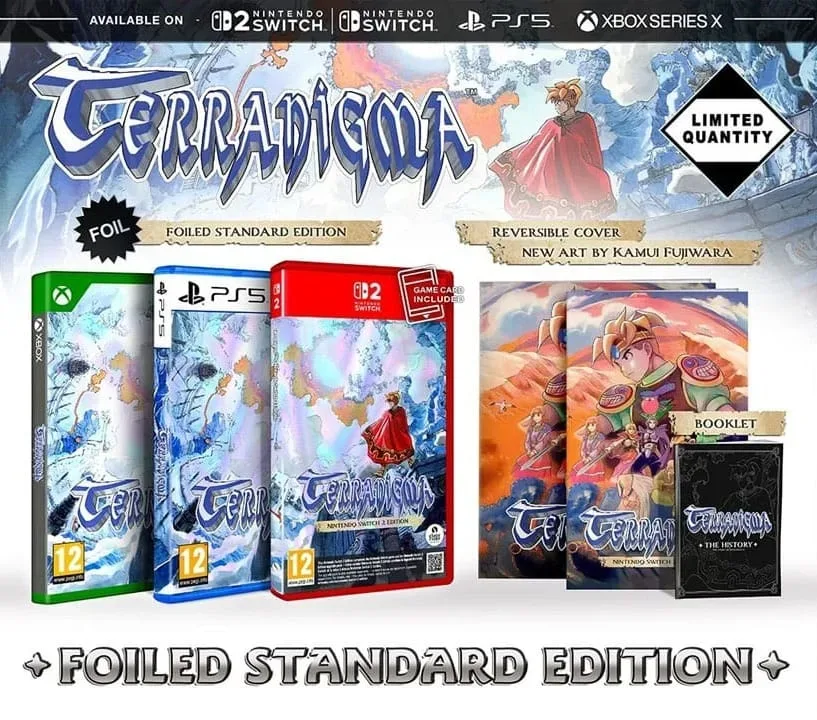
The entry-level edition is the Standard Edition. It costs £35 on PS5 and Xbox Series X, while the Nintendo Switch 2 edition costs £38. Its contents are comparatively restrained, but not bare: buyers receive a reversible foil cover and a History of Terranigma booklet alongside the physical game.
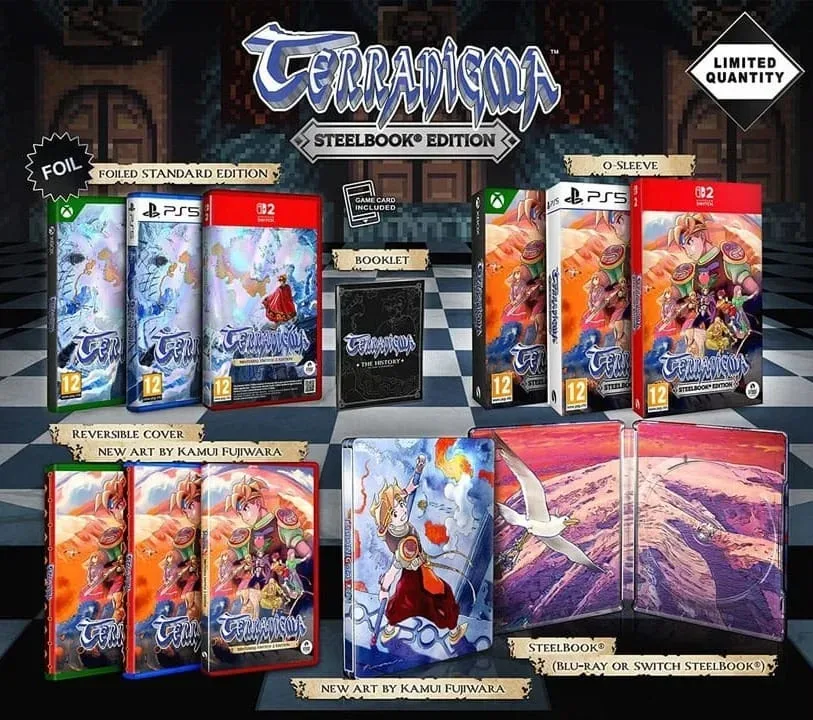
The £55 SteelBook Edition moves the presentation up a level with a SteelBook case, a history booklet, a reversible original sleeve and a foil sleeve. A SteelBook is a rigid metal case used in place of, or in addition to, a conventional plastic game case. It is generally aimed at people who value shelf presentation and durable packaging as much as the disc or card itself. Here, it gives Terranigma collectors a middle option between the basic physical edition and the much costlier Gaia package.
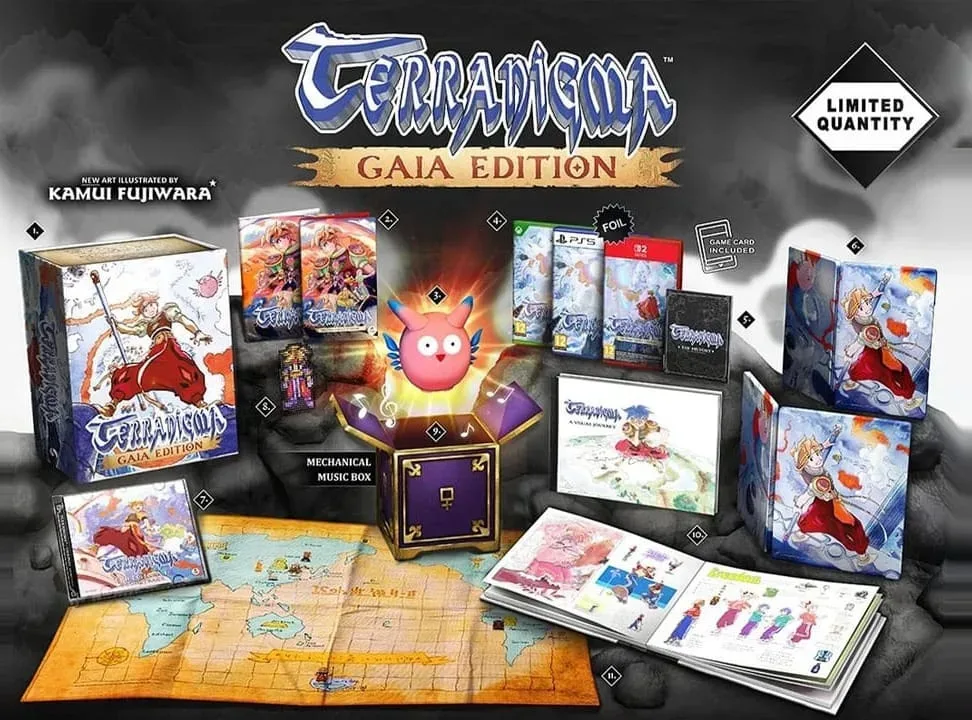
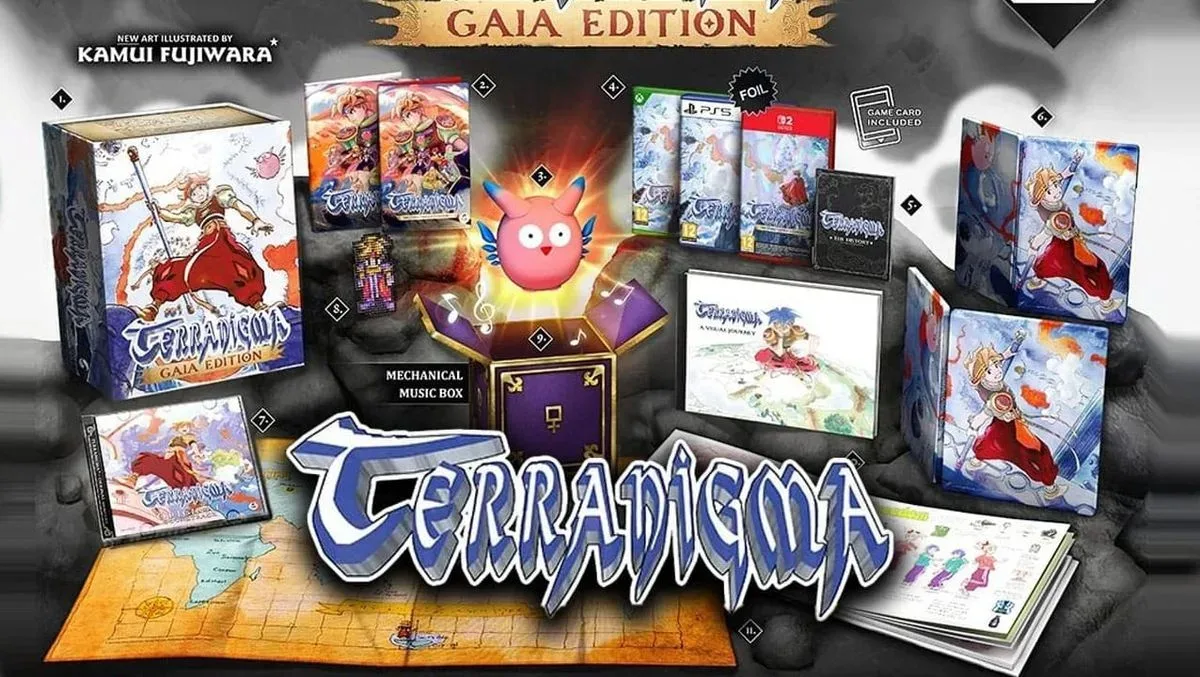
At £168, the Gaia Edition is clearly designed as the showpiece release. Its announced contents are:
- SteelBook
- Art book
- An item listed as an “Enamel Pixel Pn”
- Original soundtrack CD
- Cloth world map
- Mechanical music box
- Yomi figure
The supplied listing uses the wording “Enamel Pixel Pn,” so the exact name and nature of that item should be treated as unclarified for now rather than assumed. The rest of the Gaia contents are easier to parse: the art book and cloth map focus on visual material, the CD and music box make the soundtrack a physical part of the package, and the Yomi figure supplies the display-piece element that separates it from a typical special edition.
New artwork by Kamui Fujiwara is featured throughout the special packaging, while the Gaia Edition also includes a standard case with foil artwork. That means the premium box is not simply a bundle of loose extras; it is built around several different formats for the game’s presentation.
What buyers are actually choosing
The three versions create unusually clear decision points. The Standard Edition is the direct choice for someone who wants a physical copy plus a small piece of contextual material. The SteelBook Edition is for the buyer who chiefly wants upgraded packaging and artwork. The Gaia Edition adds enough non-game items that its appeal is fundamentally different: it is for someone seeking a Terranigma display collection, not merely a particular case for the game.
Related coverage includes Terranigma Pre-Orders Open for Gaia and SteelBook Editions Ahead of 2027 Return.
The price gaps make that distinction important. The SteelBook costs £20 more than the PS5 and Xbox Series X Standard Edition, and £17 more than the Switch 2 Standard Edition. The Gaia Edition is £113 above the SteelBook price and £130 above the £38 Switch 2 Standard Edition. That is not a judgment on value—personal interest in the figure, music box, soundtrack CD and art book will determine that—but it does make the Gaia package a considerably more deliberate purchase.
For physical-release fans, the common element may be just as significant as the bonuses: all three releases are described as coming on an actual game card. The phrase matters because it signals a tangible software release rather than a package that only contains a download code. No further technical details, such as storage requirements, patches or regional distinctions, have been specified here, so those should not be presumed from the packaging alone.
A retro return built for current hardware
Terranigma’s original 1995 release places it firmly in the conversation around 16-bit-era role-playing games and action games, but this release is headed to current console platforms. The confirmed Switch compatibility is particularly practical: the edition is sold as Nintendo Switch 2 software, yet Clear River Games has confirmed it will run on Switch 1 as well. Players who have not moved to newer Nintendo hardware therefore have a stated route to play the same release.
PS5 and Xbox Series X players have their own physical versions at the same £35 Standard Edition price. The information currently available does not establish differences in game content or edition bonuses between those platforms. The disclosed variation is simply the Standard Edition’s £38 Switch 2 price versus £35 on the other two systems.
Collectors deciding between versions should also separate platform compatibility from edition contents. Compatibility describes which hardware can run a release; contents describe what is in the box. Switch 2 is the only platform with an explicit additional compatibility confirmation in the current details. The SteelBook, history material, sleeves and Gaia extras are instead tied to edition tier.
Why the artwork and music matter to this release
The new package leans heavily on Terranigma’s visual and musical identity. Kamui Fujiwara’s pixel artwork is central to the presentation, appearing in new form across the editions. That makes the art book, foil elements and premium packaging more than generic box fillers: they are the physical formats through which the reissue is choosing to celebrate the game’s established style.
The Gaia Edition’s soundtrack CD and mechanical music box follow the same approach. An original soundtrack CD is a dedicated audio release of the game’s music, while a mechanical music box is a physical object that plays a melody mechanically rather than functioning as a full soundtrack player. Together, they turn the game’s music into two separate keepsakes with different purposes—one for listening, one for display and a short mechanical tune.
The cloth world map similarly takes an in-game idea and recasts it as a physical object. It is not presented as a gameplay guide or a substitute for a manual; its stated role is part of the collector-focused Gaia bundle. Likewise, the Yomi figure appears to be a character-focused display item, though no dimensions, material details or production quantities have been given.
What has and has not been confirmed
The key confirmed points are straightforward: pre-orders are live, the release date is January 14, 2027, and Standard, SteelBook and Gaia editions are planned for Switch 2, PS5 and Xbox Series X. The Switch 2 release is confirmed to operate on the original Switch. Every edition is described as including a physical game card, and the listed UK prices are £35, £38, £55 and £168 depending on platform and package.
There are still plenty of particulars that have not been outlined. No information is provided about game changes, technical upgrades, digital bonuses, production limits, shipping arrangements or whether the premium editions are limited in quantity. The names of the listed extras should therefore be taken as an announced contents list, not as evidence of specifications beyond those names.
That distinction is useful when considering a high-priced collector package. A music box, figure, foil artwork and soundtrack CD can make the Gaia Edition attractive as an object collection, but the available details do not yet support assumptions about scarcity or resale value. The most concrete reason to choose it is interest in its identified contents and presentation.
Terranigma joins a broader physical retro conversation
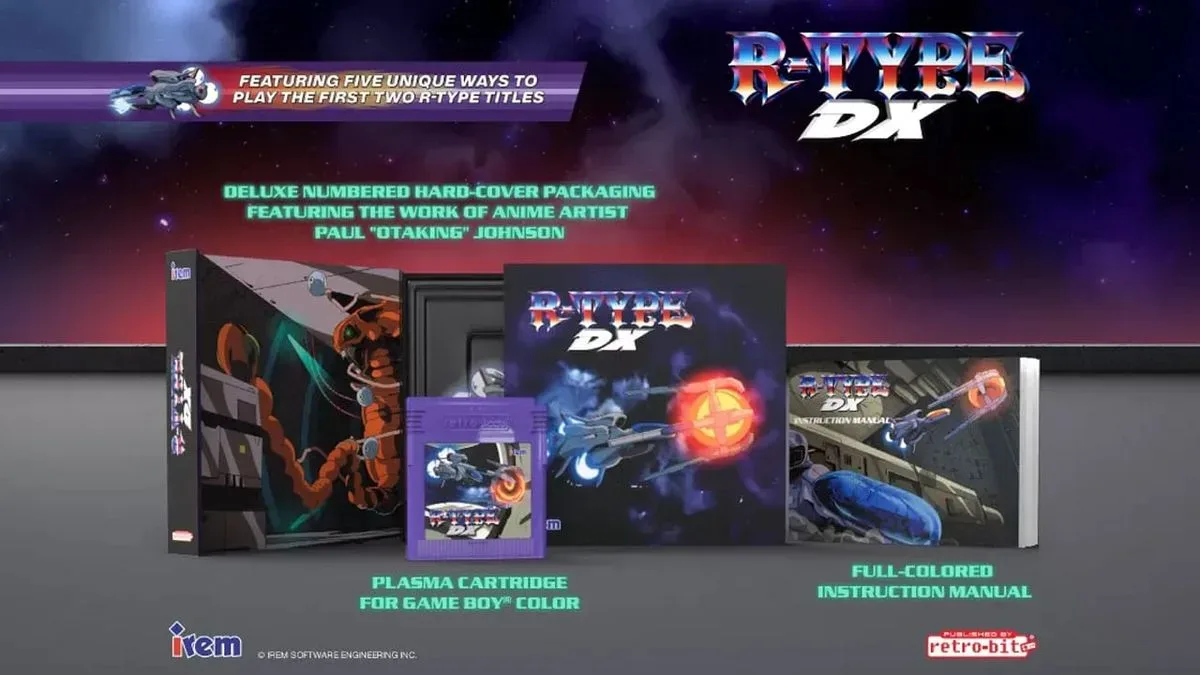
Terranigma’s return arrives in an environment where older games continue to receive carefully packaged new physical runs. For another example of how contemporary releases can foreground cartridges and edition variants, see R-Type DX’s multi-version Game Boy cartridge release. Terranigma takes a different route, using current systems while offering multiple tiers that range from a conventional game case to an elaborate premium box.
For people who know the original, the 2027 edition provides a path back to its worlds, combat and soundtrack on modern console hardware. For newcomers, the Standard Edition may be the cleanest entry point: it keeps the price nearest a standard boxed release while retaining a physical card and history booklet. The SteelBook and Gaia versions are there for buyers who want Terranigma’s new Fujiwara artwork and related objects to occupy more space on the shelf.
With the January 2027 date set, the remaining question is not whether there will be a physical option. There are three. It is which relationship a buyer wants with the package: play copy, presentation upgrade, or a sizeable collection centered on the art, music and memorabilia surrounding the game.