Retroid’s developing Pocket Duo lineup now has the detail that tends to turn a hardware tease into a genuine buying decision: prices. The company is preparing two dual-screen handhelds rather than one, separating its offer into the more capable Pocket Duo and the lower-cost Pocket Duo Lite. The pricing begins at $149 for the Lite and reaches $269 for the standard model, before the stated early-bird discounts are considered.
That two-device approach matters because dual-screen portable hardware is no longer merely an oddball nostalgia niche. It is increasingly a small but lively corner of the emulation-handheld market, where buyers may be looking for a device suited to games and interfaces designed around two displays while also weighing performance, controls, screen size, storage, and the usual budget realities. Retroid’s split makes the choice fairly clear on paper: spend less and accept some reductions, or pay more for the full Duo specification currently outlined.
Pocket Duo Lite starts at $149
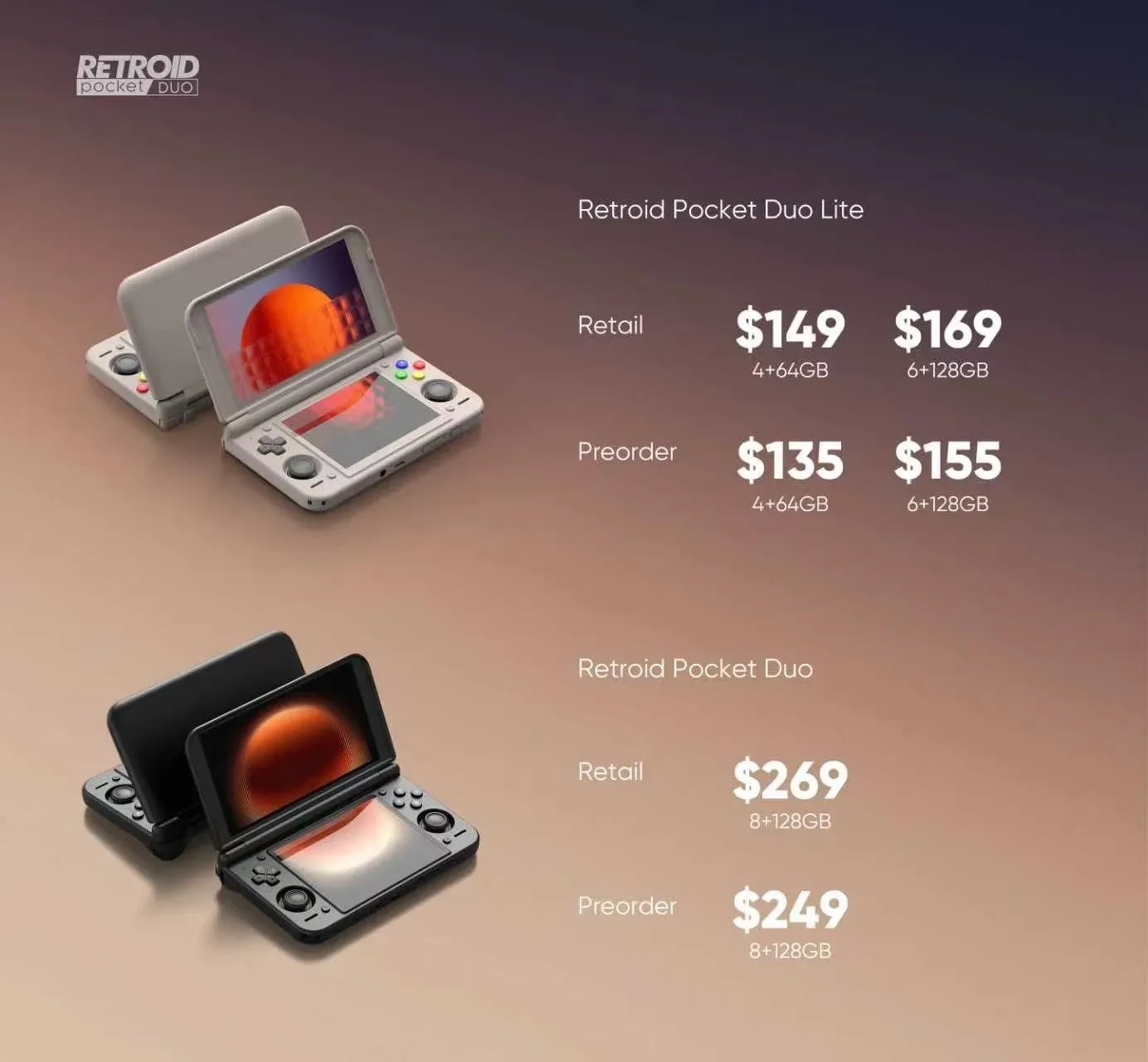
The Pocket Duo Lite will be offered in two configurations. The entry model pairs 4GB of RAM with 64GB of storage and carries a $149 retail price. Its early-bird price is listed as $135, reflecting a $14 reduction.
Buyers wanting more memory and capacity can move to the 6GB RAM and 128GB storage version. That model is priced at $169 normally, while its stated early-bird price is $155. The same $14 saving applies, so prospective buyers are not being pushed toward one Lite configuration by a disproportionate launch discount.
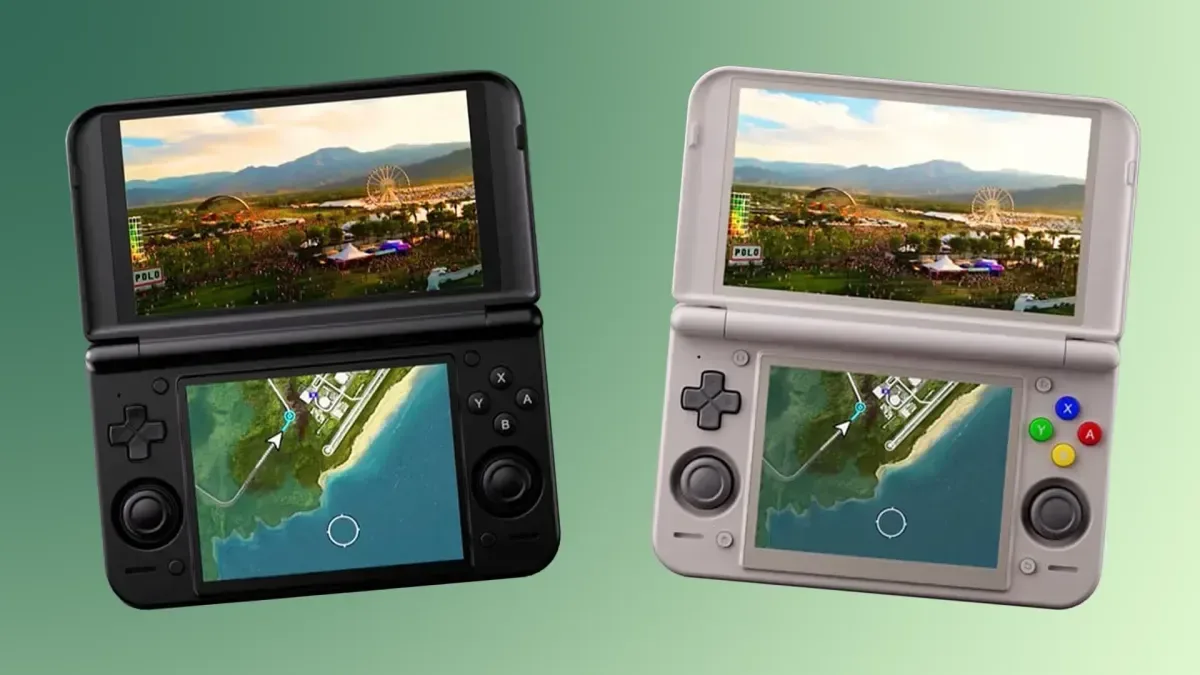
Those figures give the Lite a notably lower opening point than the regular Pocket Duo. But it is not simply the same shell with a smaller price sticker pasted over the logo. The Lite is described as less powerful, with a somewhat smaller lower display and smaller shoulder buttons. In other words, the lower cost comes with declared hardware compromises rather than a mystery-box discount.
How significant those compromises feel will depend heavily on an individual buyer’s priorities. Storage and RAM are easy enough to compare in a product listing, while display dimensions and shoulder-button ergonomics tend to be the sort of details people notice in regular use. The information available so far establishes that the Lite is intended for budget-conscious customers, but it does not yet settle how those changes affect comfort or performance across specific systems and software.
The standard Pocket Duo is $269, or $249 early
The regular Retroid Pocket Duo has one announced configuration: 8GB of RAM and 128GB of storage. Its retail price is $269, with an early-bird price of $249. Unlike the Lite, there is currently no second memory-and-storage tier for shoppers to compare.
The $100 gap between the least expensive Duo Lite and the standard Duo is substantial enough to make the two products feel aimed at adjacent, rather than identical, audiences. Someone chiefly interested in getting a dual-screen form factor at the lowest stated cost may focus on the $149 Lite. Someone who wants the higher-end configuration and does not want the Lite’s listed reductions may see the $269 Duo as the more direct option. Early pricing narrows the respective entry points to $135 and $249, but the broader distinction remains intact.
Related coverage includes Retroid Pocket Duo and Duo Lite Prices Revealed as Dual-Screen Handheld Rivalry Grows.
Retroid has also indicated that transparent versions are available for both the Duo and Duo Lite. Whether those finishes will carry a $5 premium is not confirmed. A transparent-option surcharge has appeared on the Pocket Nova, but there is no firm statement that it will be repeated here. For collectors and handheld enthusiasts who care about shell color as much as a spec sheet, that is a small detail worth watching rather than assuming.
A useful comparison before performance answers arrive
Pricing gives the market a frame of reference, yet it does not answer the biggest practical question around any emulation-focused handheld: what will it actually run, and how well? No performance conclusions should be drawn solely from the announced RAM, storage, price, or product positioning. The Pocket Duo is described as having respectable specifications, while the Lite is described as less powerful, but real emulation results remain to be established.
That uncertainty is particularly important with dual-screen devices. A second panel can be central to the way certain games were originally structured, but a good experience involves more than displaying two images at once. Controls, screen arrangement, software configuration, performance consistency, and comfort all influence whether a portable system becomes a favorite or a gadget that spends more time on a shelf than in a bag.
For the retro audience, the appeal is easy to understand. Hardware that embraces a two-display layout potentially speaks to people revisiting libraries built around that design, instead of asking them to force every interface onto a single screen. It also arrives at a time when small hardware details can have outsized importance. A more compact shoulder button, for example, may sound minor in a short product summary but could be meaningful to players who rely on those inputs regularly.
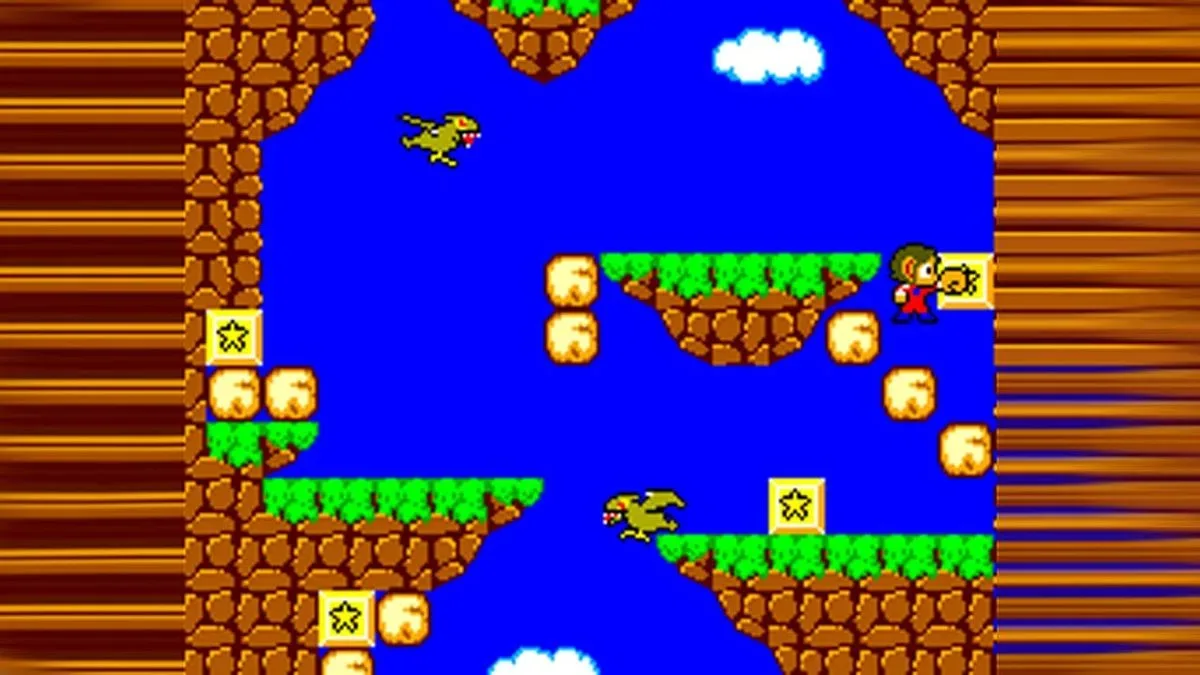
There is also a broader preservation-minded angle. Portable devices and community fixes keep older games present in new ways, whether through purpose-built handheld layouts or precise projects such as a ROM hack that addresses Alex Kidd in Miracle World’s longstanding punch collision issue. The Pocket Duo models sit on the hardware side of that ongoing enthusiasm, where players are looking for convenient ways to revisit older design ideas without pretending every platform’s needs are identical.
Competition is forming around the two-screen concept
Retroid is not entering an empty category. Its parent company also owns AYN Thor, placing more than one dual-screen effort under the same wider corporate umbrella. That connection suggests an effort to cover the middle through higher end of the market with multiple options, though each device will ultimately need to justify its own place through specifications, price, and eventual real-world results.
Elsewhere, ANBERNIC has announced the RG DS Plus, which is rumored to cost less than $100. The key word there is rumored: until a final price is established, it should not be treated as a confirmed direct comparison. Still, the possibility of a sub-$100 rival shows why Retroid’s $149 Lite is likely to be scrutinized. The Lite needs to make its features, configuration choices, and overall dual-screen proposition feel worthwhile against any cheaper alternative that materializes.
Another name to watch is the Yoniq Duo. There is no basis yet for declaring a winner in this emerging field, and a product’s eventual standing cannot be decided by a preliminary pricing announcement. But the number of companies circling a similar form factor is itself notable. For people who have wanted a portable device designed around two displays, more competition could mean a healthier set of choices across price brackets.
What is confirmed, and what remains open
- Pocket Duo Lite, 4GB/64GB: $149 retail; $135 early-bird price.
- Pocket Duo Lite, 6GB/128GB: $169 retail; $155 early-bird price.
- Pocket Duo, 8GB/128GB: $269 retail; $249 early-bird price.
- Transparent versions: available for both models; a possible $5 surcharge has not been confirmed.
- Lite trade-offs: lower power, a slightly smaller bottom display, and smaller shoulder buttons are part of the stated differentiation.
- Still unproven: emulation performance and the practical impact of the design differences remain unknown.
For now, Retroid’s announcement offers a clean starting map rather than a complete verdict. The Duo Lite aims to lower the financial barrier to a dual-screen handheld, while the standard Pocket Duo takes the higher-spec, higher-price lane. The early-bird reductions add a modest incentive to each version, but prospective buyers will still need the fuller technical picture and performance evidence before deciding which, if either, belongs in their portable setup.