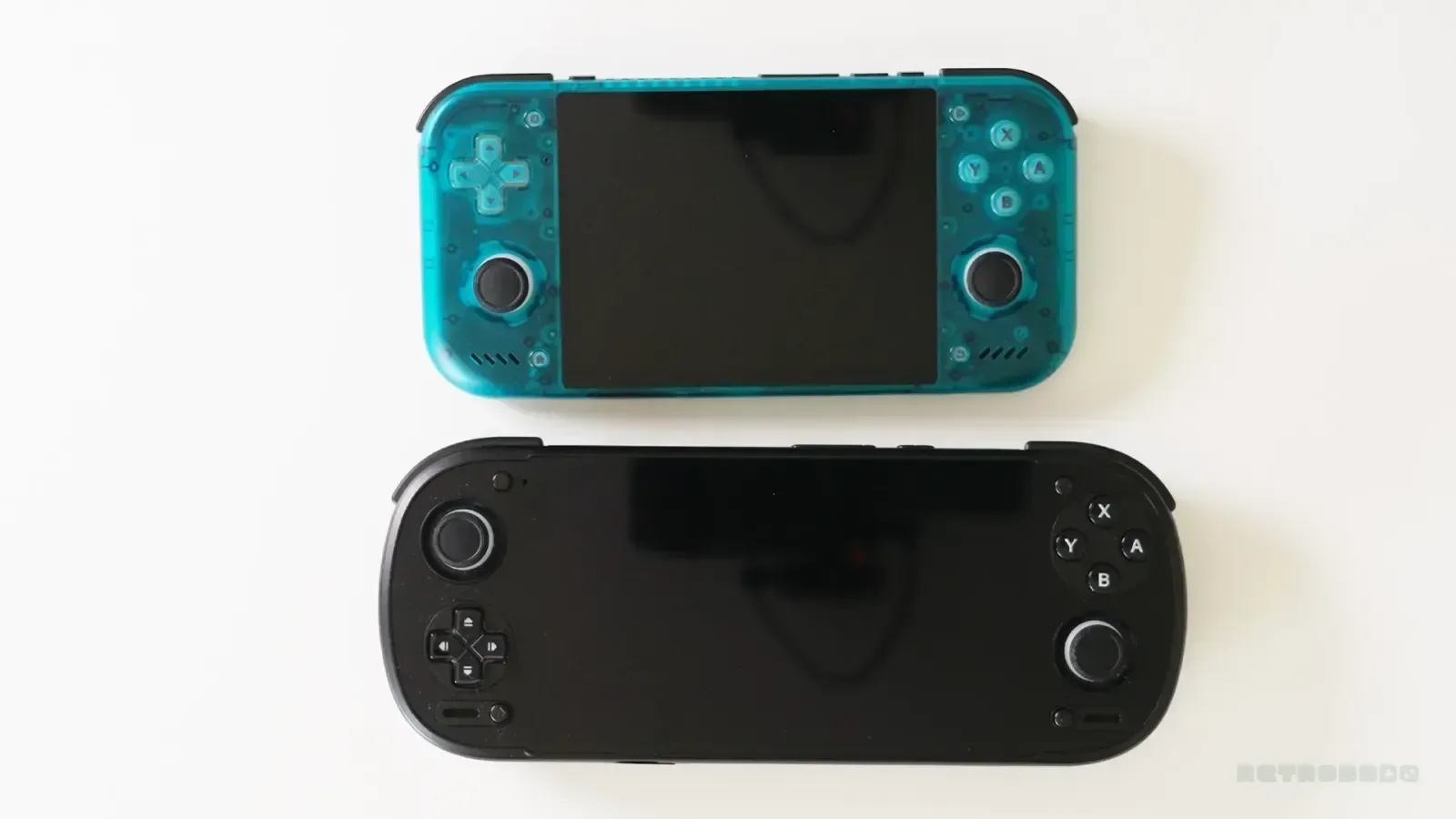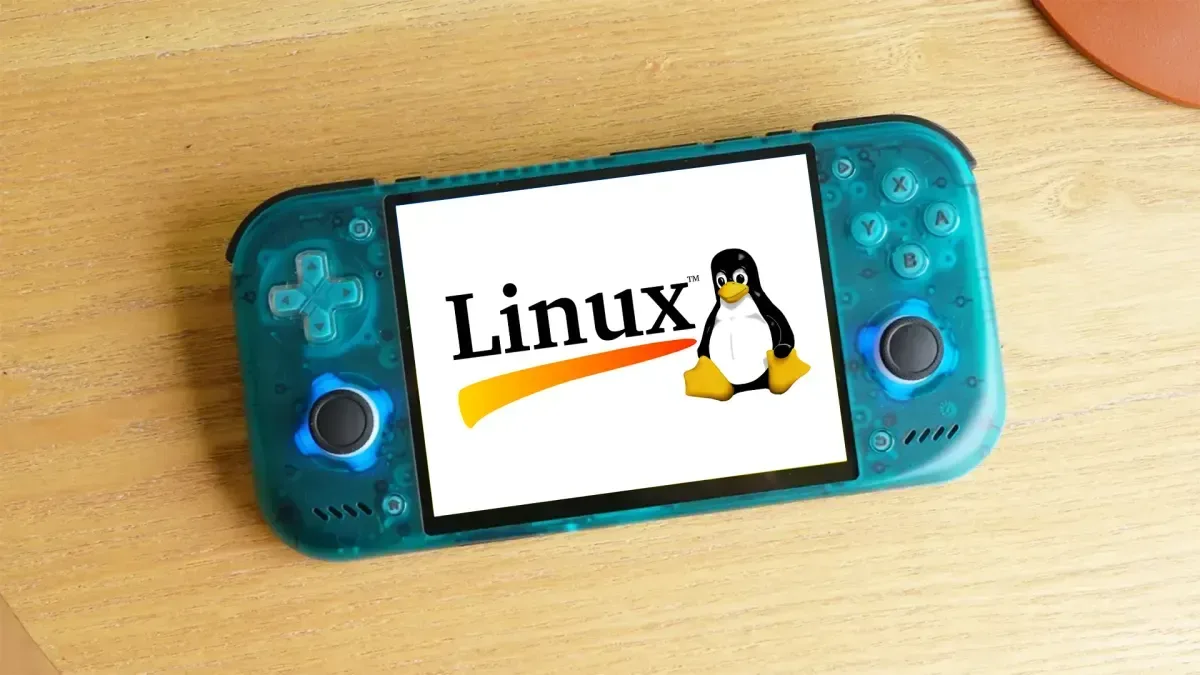
Retroid has taken a notable step toward a more open software future for three of its handhelds. The company has made mainline Linux support materials available for the Retroid Pocket 6, Retroid Pocket Nova, and Retroid Pocket Duo, giving technically confident owners a route to run Linux on hardware that has typically centered on Android.
The news matters less as a ready-made alternative operating system and more as an enabling move. Retroid’s Android devices are built around flexibility: they can be customized, used for emulation, and run Android games. Linux support creates a different kind of possibility, one in which the community can work with the handheld hardware at a lower, more direct level. It does not, based on the materials outlined so far, mean that these handhelds are receiving a polished, consumer-facing Linux installation with the same expectations as their standard Android setups.
For prospective tinkerers, that distinction is the whole ballgame. The ingredients for support are now available; turning them into a daily-use handheld environment is a separate undertaking.
The Retroid handhelds covered so far
Retroid’s published Linux work currently applies to three models:
- Retroid Pocket 6, identified with the QCS8550 platform
- Retroid Pocket Nova, also identified with the QCS8550 platform
- Retroid Pocket Duo, identified as Eliza
The Pocket 6 and Pocket Nova share several items in the support list, including joystick RGB lighting, DisplayPort audio, WCN7850 wireless hardware, and a PWM fan with thermal control. The Duo has its own wireless hardware designation, WCN7750. These details are useful because Linux compatibility on a handheld is never just a matter of getting an image to boot. A machine can start successfully and still be a poor gaming device if its buttons, wireless connection, speakers, graphics processor, storage, thermals, or display-output functions are left behind.
Retroid’s stated list is encouraging precisely because it reaches across those categories. It covers the interface elements that make a device feel like a handheld rather than a tiny computer project, as well as underlying essentials such as storage and graphics.
What works under the current support effort
The currently listed functionality includes the touchscreen and gamepad through RSInput, along with the following hardware support:
- Joystick RGB lighting on Pocket 6 and Pocket Nova
- Speakers, headphones, internal microphones, headset microphone support, and DisplayPort audio on Pocket 6 and Pocket Nova
- Wi-Fi and Bluetooth
- GPU support and video decoding/encoding
- USB-C with DisplayPort alternate mode
- UFS internal storage and microSD storage
- PWM fan support with thermal control
Several items deserve translation for anyone more accustomed to downloading an Android app than assembling an operating-system configuration. RSInput is the part of the support stack tied to reading the handheld’s input hardware, such as its game controls. Without working input support, even a device that boots can be frustrating or impractical to use.
GPU support means the graphics hardware is accounted for, while video decode/encode refers to handling video playback and video processing. These are important foundations for a modern device, though the published list should not be read as a promise of performance in any particular game, emulator, desktop environment, or distribution. Compatibility is not the same thing as a benchmark, and no game-specific results have been provided.
DisplayPort alternate mode, often shortened to DisplayPort Alt Mode, is the USB-C capability that lets the port carry video output to a compatible display setup. Retroid also lists DisplayPort audio for the Pocket 6 and Nova. That combination is particularly relevant to owners who see a handheld as something that could also be used away from its built-in screen. Still, practical use will depend on the eventual Linux environment and each owner’s choice of accessories and setup.
The storage listing is similarly important. UFS is the handheld’s internal storage, while microSD refers to removable storage. A Linux installation needs reliable access to both the internal device storage and expansion media if users are going to configure systems, move files, and maintain separate software environments. Fan and thermal-control support is another unglamorous but meaningful line item: it concerns how the device manages cooling rather than merely whether its processor can run.
Audio setup has a specific requirement
Audio is not presented as a one-download affair. Retroid has indicated that Linux audio requires both an audio topology package and a UCM configuration package in addition to the relevant kernel work.
In straightforward terms, a kernel is the central software layer that allows an operating system to communicate with hardware. It is necessary, but it does not automatically provide every policy and configuration detail needed for a working handheld experience. Audio topology and UCM configuration help describe the audio hardware paths and usage configurations the system needs. Retroid’s instruction that both pieces are required should be treated as a prerequisite, not an optional tweak for people chasing better sound.
The published repositories specify these branches:
- Kernel: retroidpocket/v7.3
- Audio topology: retroidpocket/v1.0.5
- UCM configuration: retroidpocket/v1.2.16
That specificity is useful for enthusiasts because it identifies the intended versions rather than leaving them to guess at a generic Linux package. It also underscores that this is a technical installation path. Users will need to pay close attention to the relevant files and dependencies instead of assuming a conventional over-the-air update will enable Linux.
Why this is significant for retro-handheld users
Android remains the normal operating system for Retroid’s recent handhelds, and there are obvious reasons for that. It offers extensive customization, supports Android games, and is already a familiar environment for many people using handhelds for emulation. The newly available Linux work does not erase those advantages or make Android obsolete.
Instead, it broadens the horizon for a segment of the audience that has wanted Linux on newer Retroid hardware. Community developers and experienced users now have an officially enabled hardware and software starting point for building, adapting, and refining Linux-based solutions around these three models. The key word is starting point. A support package can make development feasible; it cannot on its own establish which interfaces, launchers, distributions, applications, or game setups will suit every owner.
That difference is especially relevant in retro gaming. “Linux handheld” can describe many different user experiences, from a carefully prepared, appliance-like interface to an experimental installation requiring manual configuration. The information available here supports the latter interpretation for now: Retroid has opened the door and supplied guidance, but it has not described a pre-installed Linux edition, a unified beginner installation method, or a broad support commitment for community-built systems.
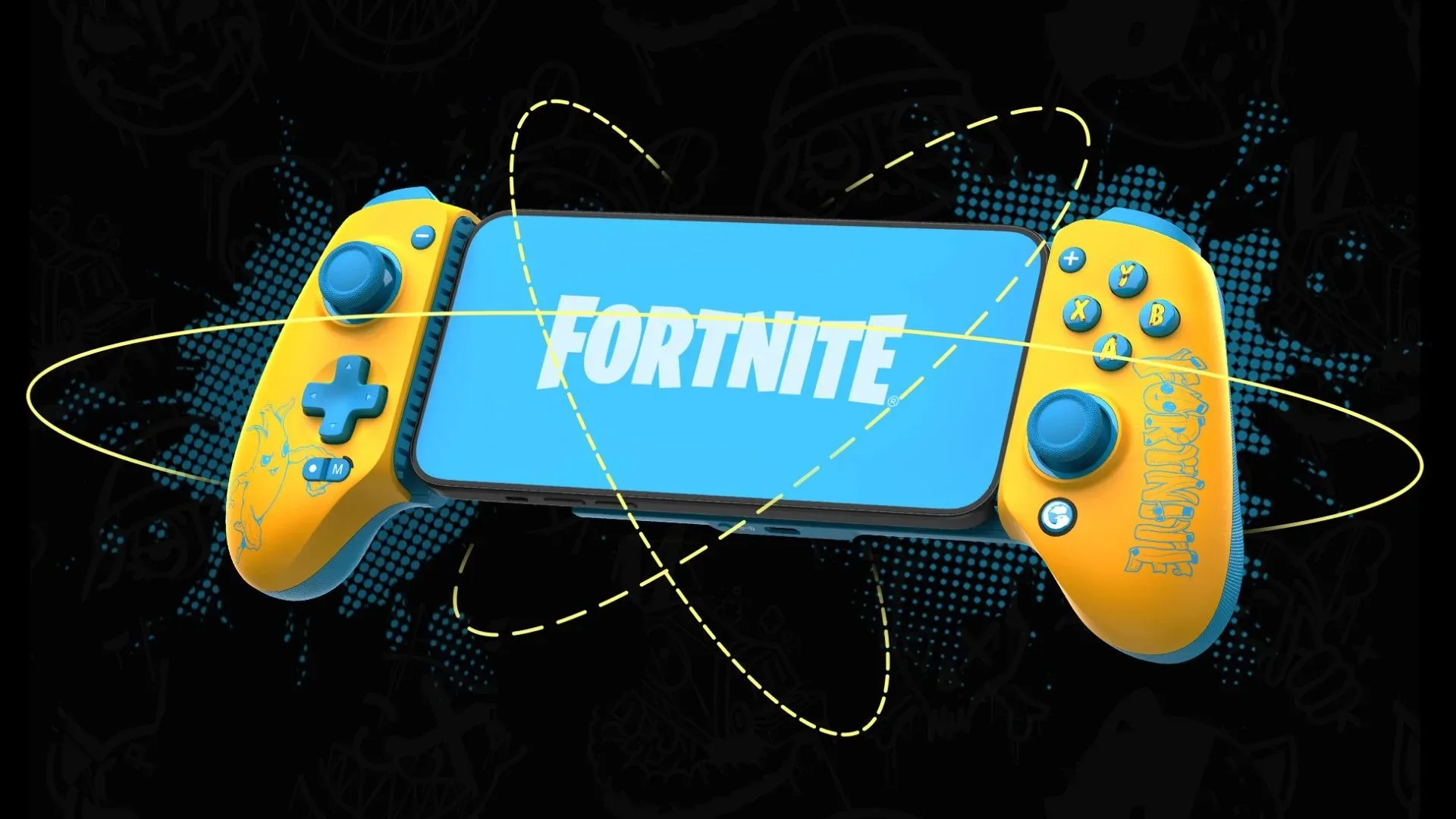
For readers interested in handheld controls more generally, the design conversation extends beyond operating systems. Our look at GameSir’s Fortnite G8 Plus and X5 Lite controllers explores another branch of portable play hardware, where a phone remains the computing device and the controller is the add-on.
What owners should and should not assume
The sensible reading of Retroid’s move is that it is enabling Linux work at the hardware/software layer. It should not be mistaken for an assurance that every installation will be simple, supported, or recoverable without prior knowledge. No detailed commitment to customer support for community Linux installations has been established in the information available, and no promise of future Linux-preinstalled Pocket 6, Nova, or Duo hardware has been made.
Owners considering an installation should therefore approach it as an advanced project. The first practical task is understanding exactly which of the three supported devices they own, since the Pocket 6 and Nova use QCS8550 while the Duo is identified as Eliza, and the wireless components differ. The second is following the stated requirement for the matching kernel, audio topology, and UCM configuration, rather than treating audio as an afterthought. The third is maintaining realistic expectations: the presence of a hardware feature on the working list confirms that Retroid has identified support for it, but does not define the quality of every eventual community implementation.
That is not a knock on the announcement. In fact, publishing the relevant branches and calling out the audio dependency is more useful than suggesting that Linux support is effortless when it is not. The move gives capable users a clearer technical base, while leaving room for the community to determine what mature Linux experiences on the Pocket 6, Pocket Nova, and Pocket Duo ultimately look like.