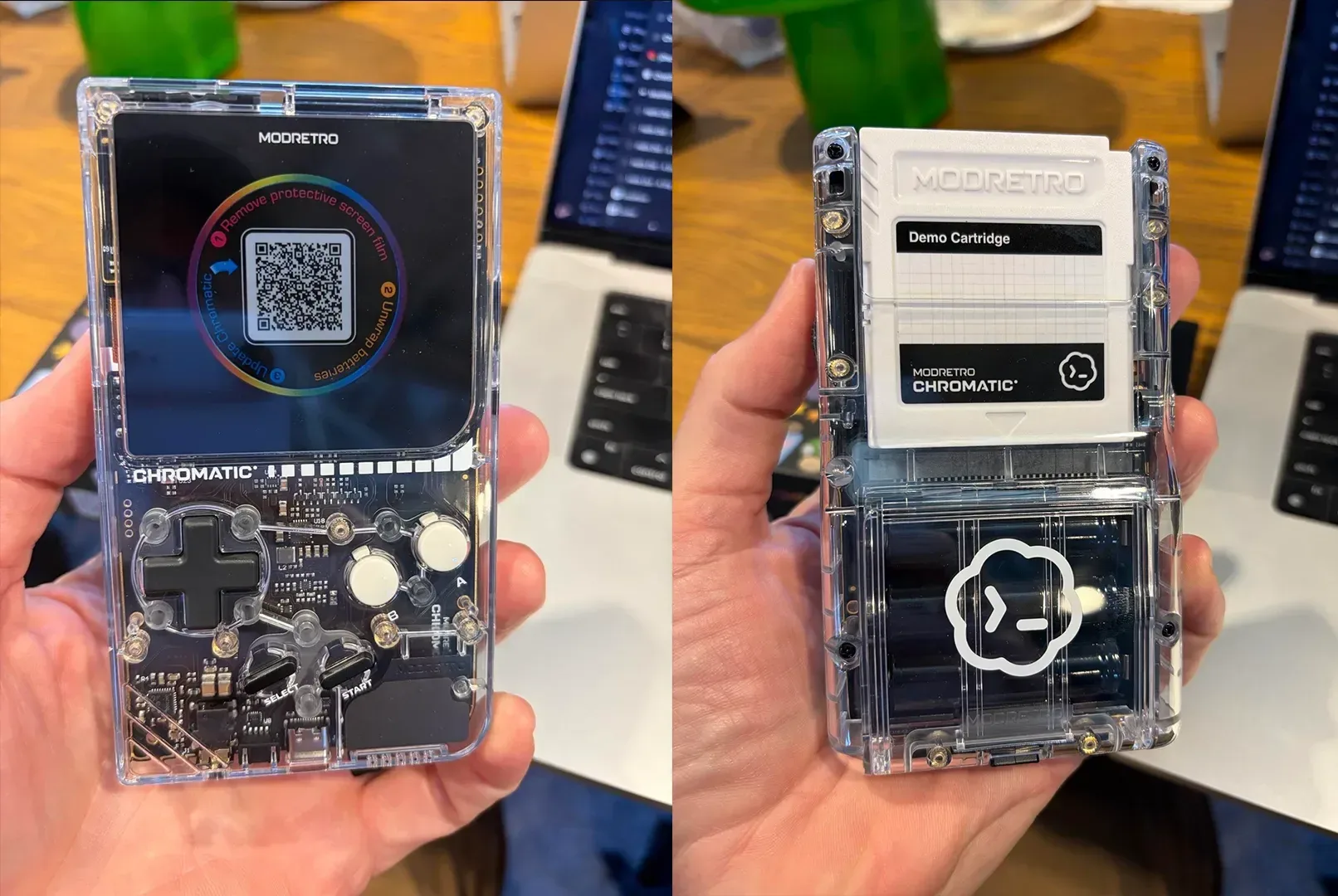
ModRetro has shown a fully transparent version of its Chromatic handheld at an OpenAI developer conference, where units were distributed to attendees as part of a push connected to Codex, OpenAI’s coding agent. The eye-catching hardware is also accompanied by a much messier conversation: what happens when a retro-game platform promotes rapid AI-assisted creation alongside the independent developers whose work gives that platform its identity?
The transparent Chromatic is not the first hint that new plastic-shell editions are on the way. Chromatic owners were previously encouraged by email to update firmware, while a green transparent unit also appeared in a short video from ModRetro ambassador Logan Paul. The fully clear handheld now gives the rollout a more concrete public face, although precise product details, colors, specifications, pricing and broader release plans have not been confirmed in the information available.
What is clear is the intended connection: attendees received blank cartridges that can be patched with a ROM after a game is made. In plain language, a ROM is the game software file that can be written to compatible cartridge hardware. That makes the promotional concept easy to grasp. Use Codex to help make a small game, put it on a cartridge, and play it on a Chromatic.
It is a compelling elevator pitch for hardware built around physical software. It is also exactly the kind of pitch that makes authorship, quality control and intellectual-property questions impossible to wave away with a nice transparent shell.
A hardware reveal wrapped around a development experiment
ModRetro has released physical games over the last several years and has said it has paid more than $1 million in royalties to developers. That context matters. Royalties are payments tied to a game’s sales or other agreed commercial terms, and they are a tangible way for a platform holder to share value with the people making software.
Physical cartridges are not merely decorative accessories in that model. They are the finished form of a creator’s work: software that has been designed, tested, polished, manufactured and sold to players. A developer’s contribution can include programming, art, audio, design, debugging, documentation and the less glamorous task of ensuring a game actually works consistently on its intended hardware.
A Codex-focused giveaway instead highlights speed and accessibility. That does not automatically make it hostile to developers. Tools that assist with repetitive coding tasks may save time, help newcomers understand technical concepts and lower barriers to making prototypes. Retro systems and retro-style constraints can be particularly appealing places to learn, because the scope of a small project is easier to understand than that of a sprawling modern production.
But a prototype is not necessarily a game people want to buy, preserve or replay. That distinction is central to the reaction around this campaign.
Related coverage includes ModRetro’s OpenAI Codex Push Raises Questions for Chromatic’s Retro Game Future.
Codex can assist coding; it does not settle the creative questions
AI-assisted coding describes using a generative tool to suggest, produce, explain or revise code. It can be used in small ways, such as helping with repetitive routines, or in much larger ways, such as generating substantial chunks of a program from prompts. The degree of human involvement can vary dramatically from one project to another.
That variability is why “made with AI” tells players very little on its own. Was the tool used to explain a programming concept? To draft boilerplate code? To generate a game’s central mechanics, art direction and text? Was the output carefully reviewed and rewritten? The answers affect both the practical quality of the software and the ethical case a publisher or platform holder is making to its community.
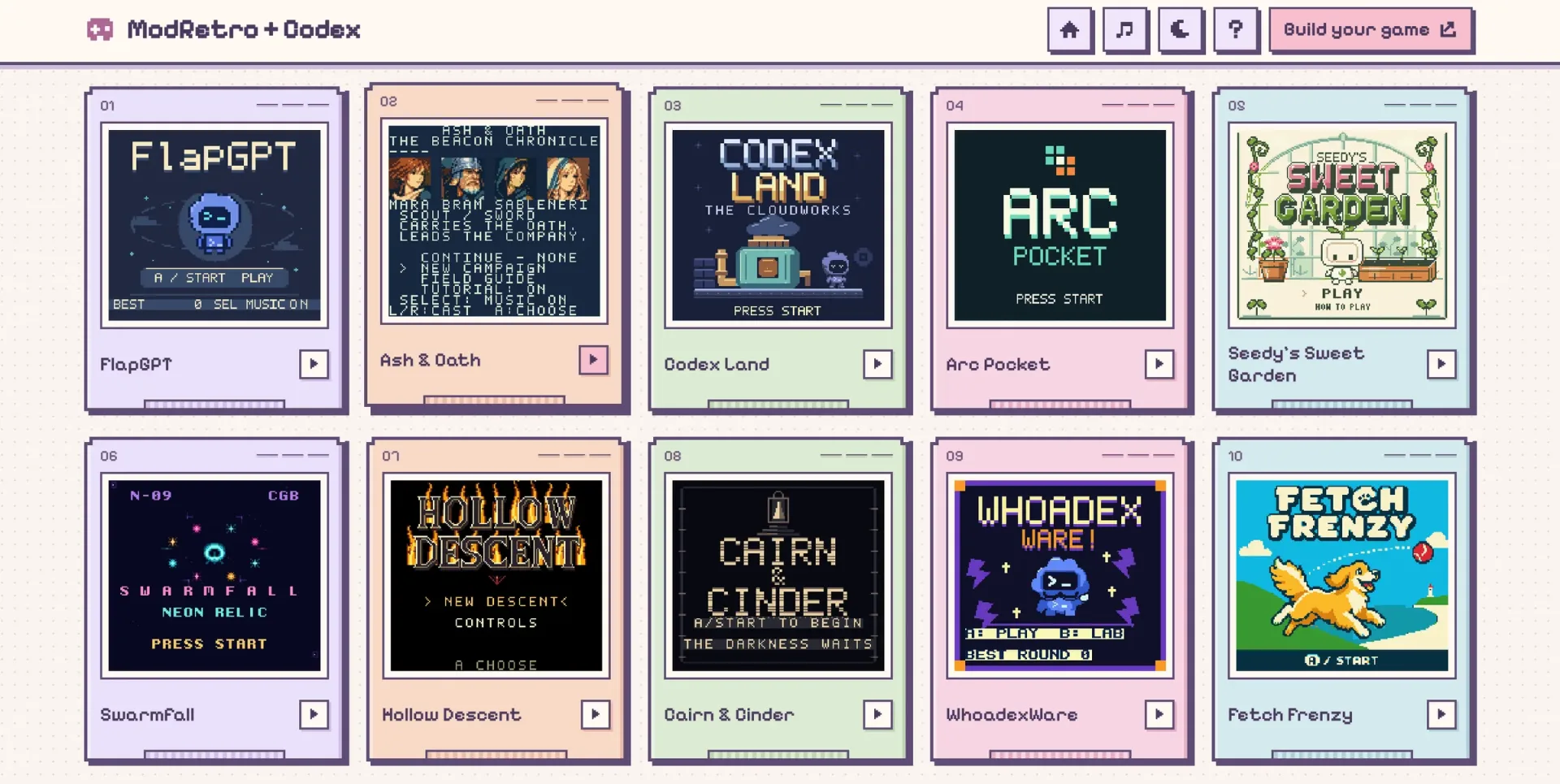
The concern expressed around the ModRetro promotion is not simply that code-generation tools exist. It is that a campaign built around instantly produced games can make creative work look disposable, while inviting comparisons to well-known copyrighted games and brands. Among the games showcased in the Codex-related material is one described as replicating Flappy Bird, a detail likely to sharpen worries about imitation rather than original design.
Copyright and trademarks are separate concepts, though both matter here. Copyright generally concerns original expressive work, such as code, artwork, music and written material. Trademark concerns identifiers that tell people who a product or brand comes from, including names and logos. A campaign that implicitly treats established games as convenient templates risks creating confusion about where inspiration ends and copying begins.
No broad judgment about every game generated with Codex can be made from a handful of social posts or a promotional showcase. Nor does the available information establish how any individual developer used the tool. The more grounded point is that the campaign creates a perception problem: it foregrounds rapid output at a moment when many players and creators are highly sensitive to provenance, permission and creative credit.
The problem is not just whether a game runs
For retro-game fans, “it runs on the hardware” is a very low bar. A game can boot successfully and still be unbalanced, derivative, confusing, unstable or simply uninteresting after the novelty fades. Coding is indispensable, but it is only one component of a finished game.
Game design requires choices that a cartridge cannot make for itself: what the player is trying to learn, why failure feels fair, how difficulty changes, whether controls are readable, how audiovisual feedback communicates important information and when a short experience has earned an ending. For physical releases, developers and publishers must also consider testing, compatibility and the responsibility of putting a permanent object in a customer’s hands.
That is why the blank-cartridge element cuts both ways. It gives newcomers a direct route from an idea to playable hardware, which is exciting. Yet it can also reinforce the impression that the cartridge is the achievement and the game inside is an afterthought. A retro community that values carefully made physical releases is likely to judge the software more harshly, not less, when it arrives in a format associated with collectability and preservation.
There is a productive version of this experiment. AI-assisted tools could potentially be framed as educational aids, with clear expectations that participants develop original work, understand the code they ship, respect intellectual property and disclose the role tools played where that context is relevant. A curated route from experimentation to publishable games would also preserve an important difference between a learner’s project and a commercial release.
That framing is not what dominates the public reaction so far. The visible emphasis is on quickly generated games, a message that collides with the values of players who want deliberately made new software for retro-oriented machines.
Why the audience fit matters
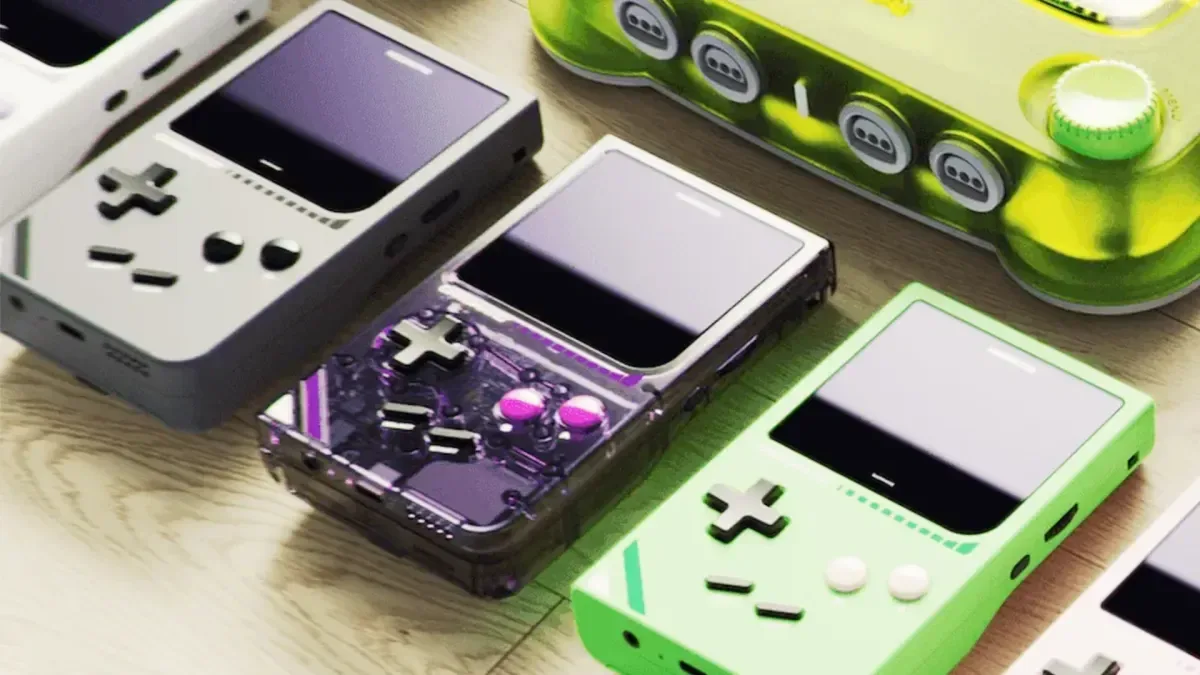
The Chromatic’s transparent design is undeniably a strong visual hook. Clear plastic has long been an effective way to make electronics feel playful, mechanical and collectible, and the new unit fits that language well. The hardware itself is not the focus of the criticism; the concern is the audience ModRetro chose to court and the message it sends to its existing community.
ModRetro’s history of working with creators and paying royalties gives it a strong counterpoint to the fear that it is abandoning human-made games. But that same history raises the standard for its messaging. Developers who have helped establish a catalog may reasonably wonder whether a new promotional priority will favor volume and novelty over the thoughtful curation that physical game publishing demands.
The wider hardware market makes community trust especially valuable. More FPGA consoles are entering the field, increasing the importance of clear positioning. FPGA, short for field-programmable gate array, refers to hardware that can be configured to reproduce specific system behavior. For players, the technical term often matters less than the result: another set of options competing for time, money and confidence.
In that environment, a company cannot assume its core audience will follow every promotional detour. Retro players may be open to modern tools while still expecting new games to be original, credited and made with care. They may like a transparent device yet dislike the cultural baggage surrounding an AI-centered launch. Both positions can be true at once.
What ModRetro should clarify next
There is still room for ModRetro to turn an uneasy moment into a more constructive development initiative. The practical questions are straightforward:
- Will Codex-created projects be treated as experiments, community homebrew, or candidates for commercial physical publishing?
- What originality, legal-review and quality standards would apply before any project reaches customers?
- How will the company continue to support developers working without generative tools?
- Will it distinguish AI assistance used for learning or routine programming from work substantially generated by a model?
- What support will be offered to new creators beyond producing a quick proof of concept?
Answers would not settle every dispute about generative AI, but they would demonstrate that ModRetro understands why this audience cares. The strongest outcome would be one that treats the Chromatic as a route into genuine learning and original craft, rather than a novelty machine for seeing how quickly a familiar-looking game can appear.
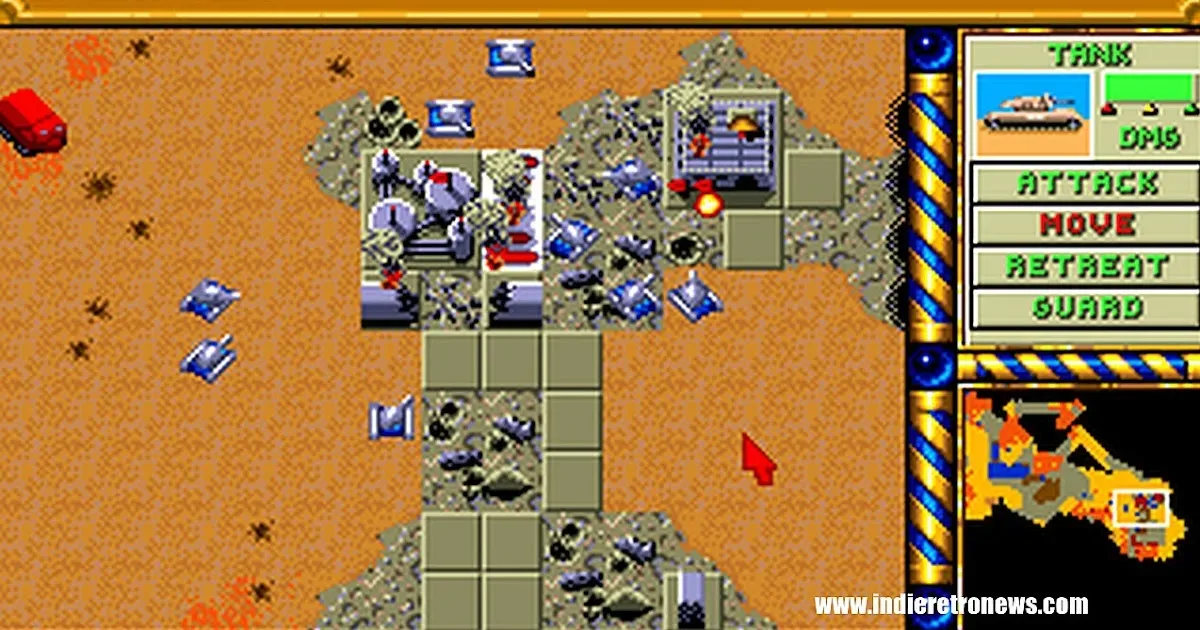
There is precedent for valuing careful work over easy reinvention in retro projects. The ongoing enhancement of the Amiga version of Dune II, for example, is explicitly framed around improving controls rather than rebuilding the game wholesale. The distinction is useful: thoughtful technical intervention can preserve intent and improve access, while speed alone is not a creative philosophy.
For now, the transparent Chromatic is a handsome piece of hardware attached to an unresolved experiment. Codex may help some people take their first steps into programming, and blank cartridges offer a satisfying physical endpoint for a learning project. But ModRetro’s credibility with retro players will depend on whether it champions authorship, originality and real developer support with the same energy it is currently giving to AI spectacle.