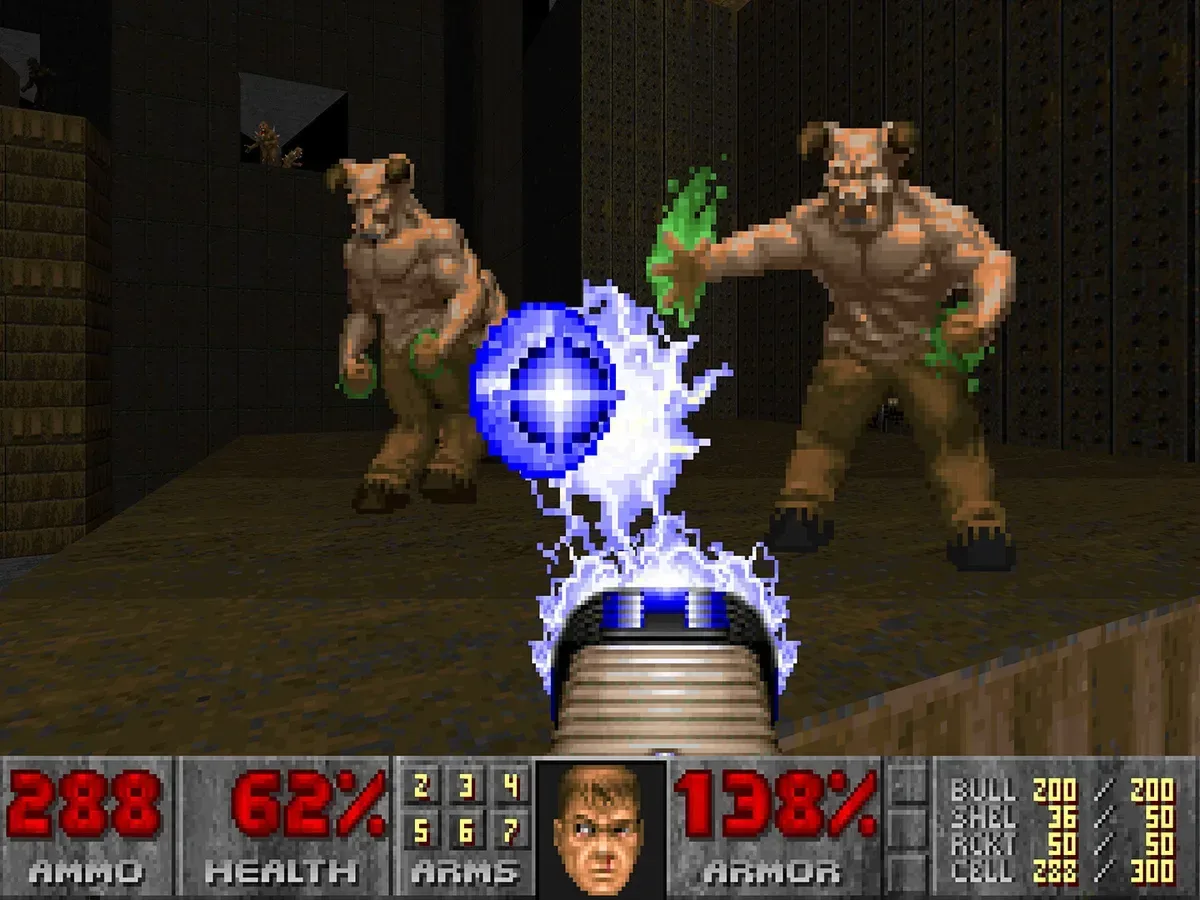
Even the most celebrated games can retain a few disputed corners in their origin story. Doom, the 1993 first-person shooter whose influence remains enormous, is now at the center of one such disagreement: whether the people building it expected its competitive multiplayer mode, Deathmatch, to become a major phenomenon before the game shipped.
The disagreement is notable because it is not a familiar online argument between fans. It involves John Romero, Doom’s co-creator, and Sandy Petersen, who worked as a level and game designer on Doom. Their exchange on X centers on recollection, timing, and the difference between a company’s public ambitions and the doubts individual developers may have held during production.
Neither figure disputes the ultimate outcome. Deathmatch became hugely important after Doom arrived in December 1993. The question is narrower, but still revealing: did the team broadly anticipate that impact from the start, or did some members expect the feature to remain a niche pastime that id Software’s own staff would enjoy?
The two versions of Doom’s Deathmatch story
Petersen began by reflecting on the road to Doom and on an earlier game, Command HQ, a real-time strategy title released in 1990. He described its designer, Danielle Bunten Berry, as believing the prevalence of modems among players could make head-to-head competition a central use case. Petersen said the game did not find that anticipated audience, estimating sales at about 40,000 copies.
That experience shaped the memory Petersen connected to Doom. He said the Doom team agreed that few people were likely to play Deathmatch, given the absence of what he characterized as a robust precedent for head-to-head gaming. In his account, the developers retained the mode because they enjoyed playing it themselves, even if they did not expect a wide audience to follow.
Romero objected directly to that framing. He pointed to a Doom press release dated January 1, 1993, which he said promised multiplayer roughly eight months before Petersen joined the company. Romero said the release framed multiplayer as something likely to cause a major drop in workplace productivity. To Romero, that language was evidence that the team had high expectations for the feature long before Petersen arrived.
Romero’s position is clear: id Software knew Deathmatch would be big and did not need persuading to include it. He also said other members of the team did not share Petersen’s recollection.
Petersen responded by separating the early press-release period from the conversation he says he remembers after joining the studio. He acknowledged that he had no firsthand knowledge of the earlier planning. But he maintained that he and Romero later discussed Command HQ, and that Romero agreed in that specific conversation that Deathmatch might not be a major deal. Petersen said he was pleased that prediction proved wrong.
Related coverage includes Doom Veterans Debate the Origins of Deathmatch's Rise.
Romero’s latest response rejects that account as inaccurate, again arguing that the team recognized Deathmatch’s potential from the beginning and felt its ambitions were validated once the feature was implemented.
What “Deathmatch” meant in Doom
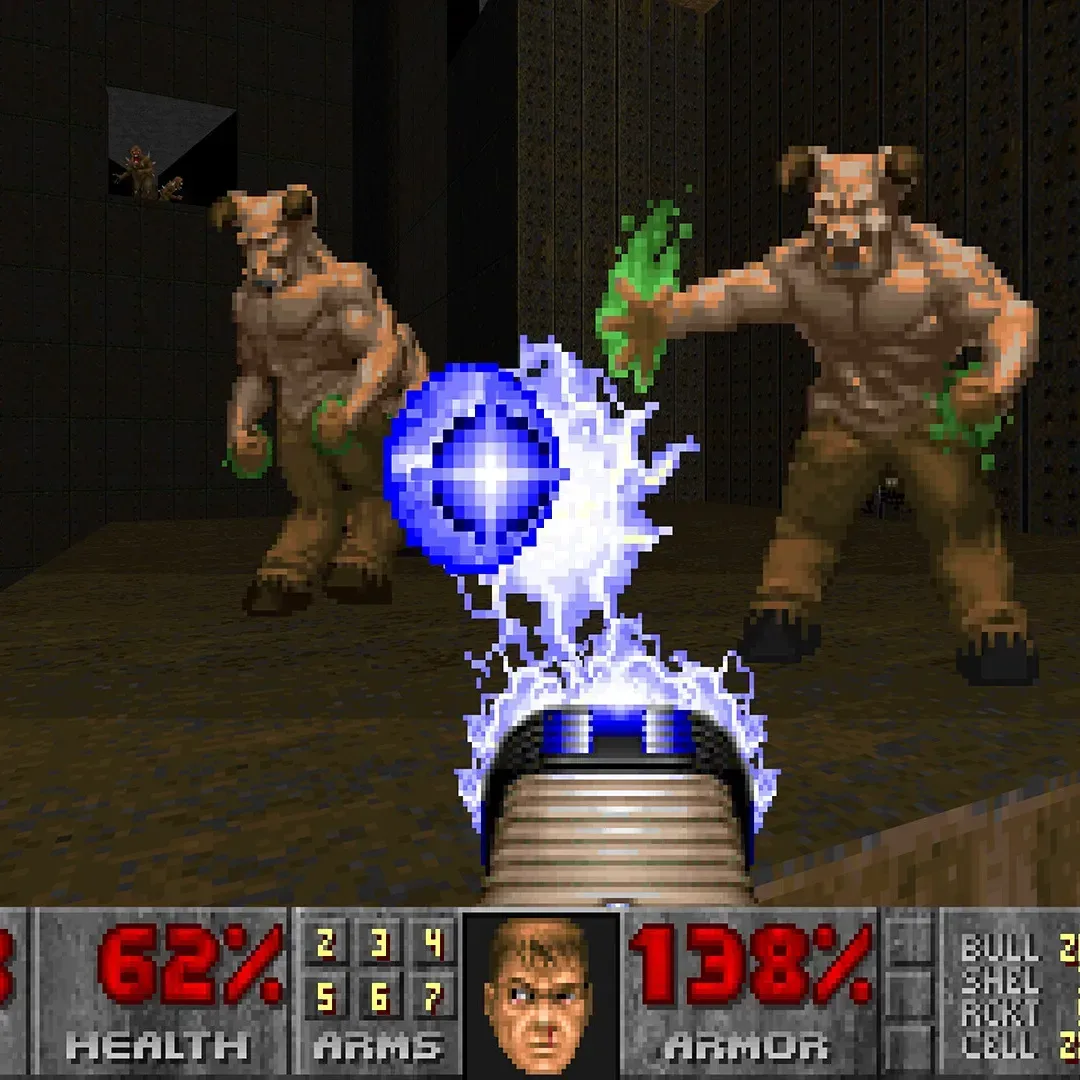
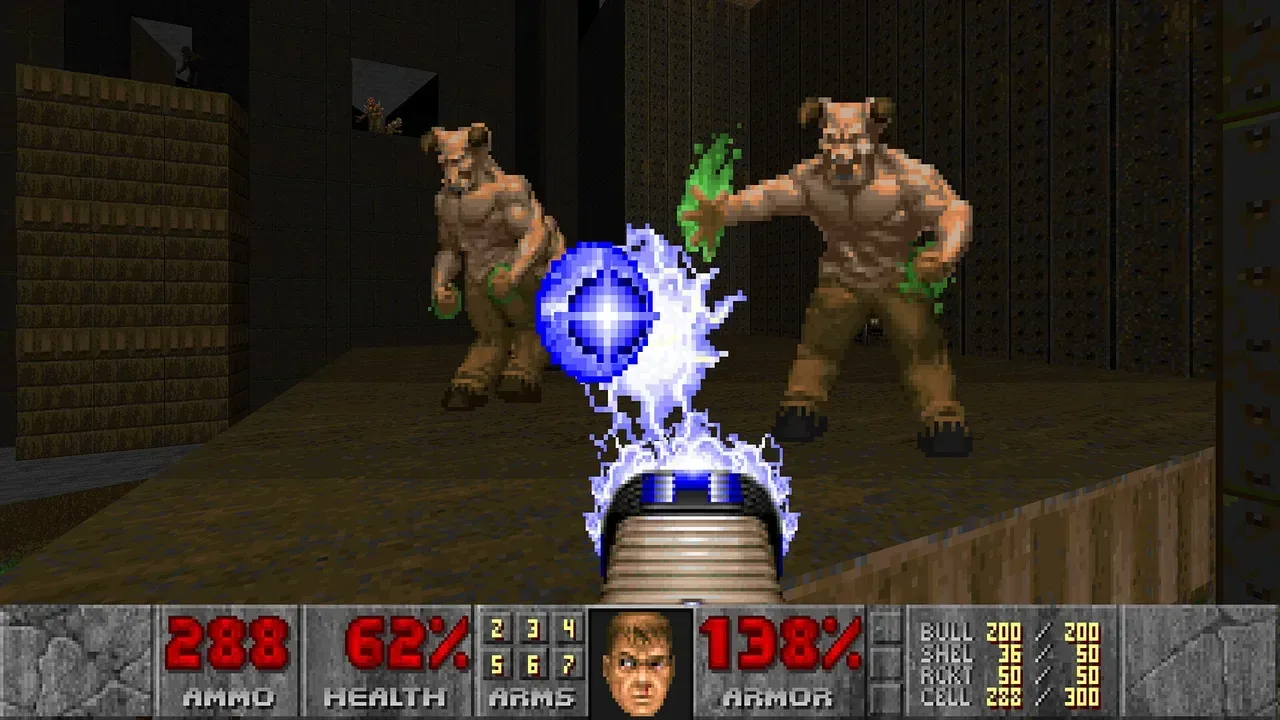
In basic terms, Deathmatch is a competitive multiplayer mode in which players fight one another rather than cooperating against computer-controlled enemies. In Doom’s case, that meant navigating its maze-like spaces while hunting opposing players, picking up weapons and ammunition, and trying to outscore everyone else.
The concept may sound ordinary now because competitive multiplayer is so deeply embedded in games, but its importance to Doom is hard to overstate. Deathmatch gave the game a social life beyond its campaign. It transformed familiar levels from routes through a demon-filled action game into arenas where players could learn ambush points, weapon locations, shortcuts, and the risks of every doorway.
This distinction matters when reading the disagreement. A developer can believe multiplayer is worth building, love playing it internally, and still differ from a colleague on whether it will become the game’s biggest cultural calling card. Conversely, a bold line in promotional material can represent sincere confidence, a strategic aspiration, or both. The exchange does not provide enough evidence to settle every private attitude at the studio. It does establish that Romero believes the public messaging reflected a real and early conviction.
Why memory can split around a shared project
This is not simply a dispute over a release date or a feature list. It is a disagreement about expectations inside a creative team more than three decades ago. Such differences can arise without either person disputing the major historical milestones: Doom included multiplayer, it shipped in 1993, and Deathmatch became a landmark form of player-versus-player competition.
Big projects also contain more than one timeline. There is the timeline of formal plans and promotional statements, the timeline of what gets built and tested, and the timeline of day-to-day conversations among colleagues. Petersen’s response specifically draws a boundary between the months before he joined id Software and a later discussion he remembers. Romero’s response emphasizes the earlier public commitment and says the studio’s confidence endured.
Those accounts could only be fully reconciled with more contemporary documentation or corroboration from people present for the specific exchange Petersen describes. None is provided in this discussion. It is therefore more accurate to treat the matter as an unresolved disagreement than to declare a definitive winner on the basis of social posts alone.
That uncertainty does not weaken Doom’s broader legacy. If anything, it illustrates why the finer details of game history deserve careful handling. Development stories are often distilled into clean, satisfying anecdotes: someone had a bold idea, everyone instantly understood it, and history followed. The reality can be messier. A studio may contain excitement, skepticism, experimentation, confident marketing, and changing opinions at the same time.
Command HQ and the modem-era context
Petersen’s reference to Command HQ is central to understanding his perspective. He described that earlier game as a case where an expectation of modem-based head-to-head play did not translate into the commercial result its creators hoped for. Whether or not Doom’s team shared Petersen’s conclusion, the anecdote explains why he might have been personally cautious about predicting a giant audience for competitive connected play.
A modem is hardware that allowed computers to communicate over telephone lines. In the period Petersen is discussing, that kind of connectivity existed, but it was not the frictionless, always-online environment associated with modern multiplayer games. Any forecast about player adoption would have involved real uncertainty, including whether people had the equipment, connection, interest, and nearby opponents necessary to play regularly.
That context makes both sides of the debate intelligible. Petersen’s experience could reasonably have made him wary of broad predictions. Romero’s recollection, meanwhile, is that Doom’s appeal and multiplayer design were sufficiently compelling to overcome those doubts. Doom’s subsequent success made the latter expectation look prescient, but that does not independently prove the precise content of every pre-release conversation.
The practical legacy is not in dispute
What is clear is that Doom’s Deathmatch mode became a reference point for multiplayer first-person shooters. The competitive format outgrew its status as a menu feature and became a defining way people talked about, played, and remembered the game. The word “Deathmatch” itself became widely associated with competitive shooter play.
Doom’s influence also continues to matter in the broader PC-gaming conversation, where older games are not merely museum pieces but active objects of preservation, analysis, modification, and debate. That same living relationship with the past can be seen in projects revisiting other classics, including the effort to make Street Fighter II on Amiga more arcade-like. Revisiting classic games often means revisiting the claims surrounding them as well.
For players, the immediate practical implication is modest: Doom’s Deathmatch legacy does not hinge on resolving this argument. The mode is part of the game, and its impact after release is established ground. For historians and fans, though, the exchange is a useful reminder to distinguish between three separate claims:
- What happened: Doom launched with multiplayer and Deathmatch became influential.
- What was documented publicly: Romero cites a January 1993 press release expressing confidence in multiplayer.
- What individuals believed privately at particular moments: Romero and Petersen now offer conflicting memories.
Keeping those categories separate is more productive than flattening a nuanced disagreement into a simple accusation that one person “does not know” Doom history. Both participants were part of Doom’s creation, but they are contesting a very specific account of the studio’s expectations.
A debate with a limited record—for now
The online exchange appears to have paused after Romero reiterated that he trusts his memory and believes others on the team support his view. Petersen, for his part, has maintained that his statement concerns a discussion after he joined, not decisions made before his arrival.
As things stand, Romero’s cited press-release date is important evidence for an early public commitment to multiplayer and strong language about its anticipated appeal. Petersen’s account adds a different claim: that subsequent internal sentiment, or at least one conversation, was more skeptical. Those propositions are related, but they are not perfectly identical.
Thirty-plus years later, Doom is still generating arguments because it remains a foundational game, and because its creators’ memories still carry genuine historical weight. The enduring lesson is less about picking a side in one disputed conversation than recognizing that game history is made from documents, shipped software, and human memory—three records that do not always line up neatly.