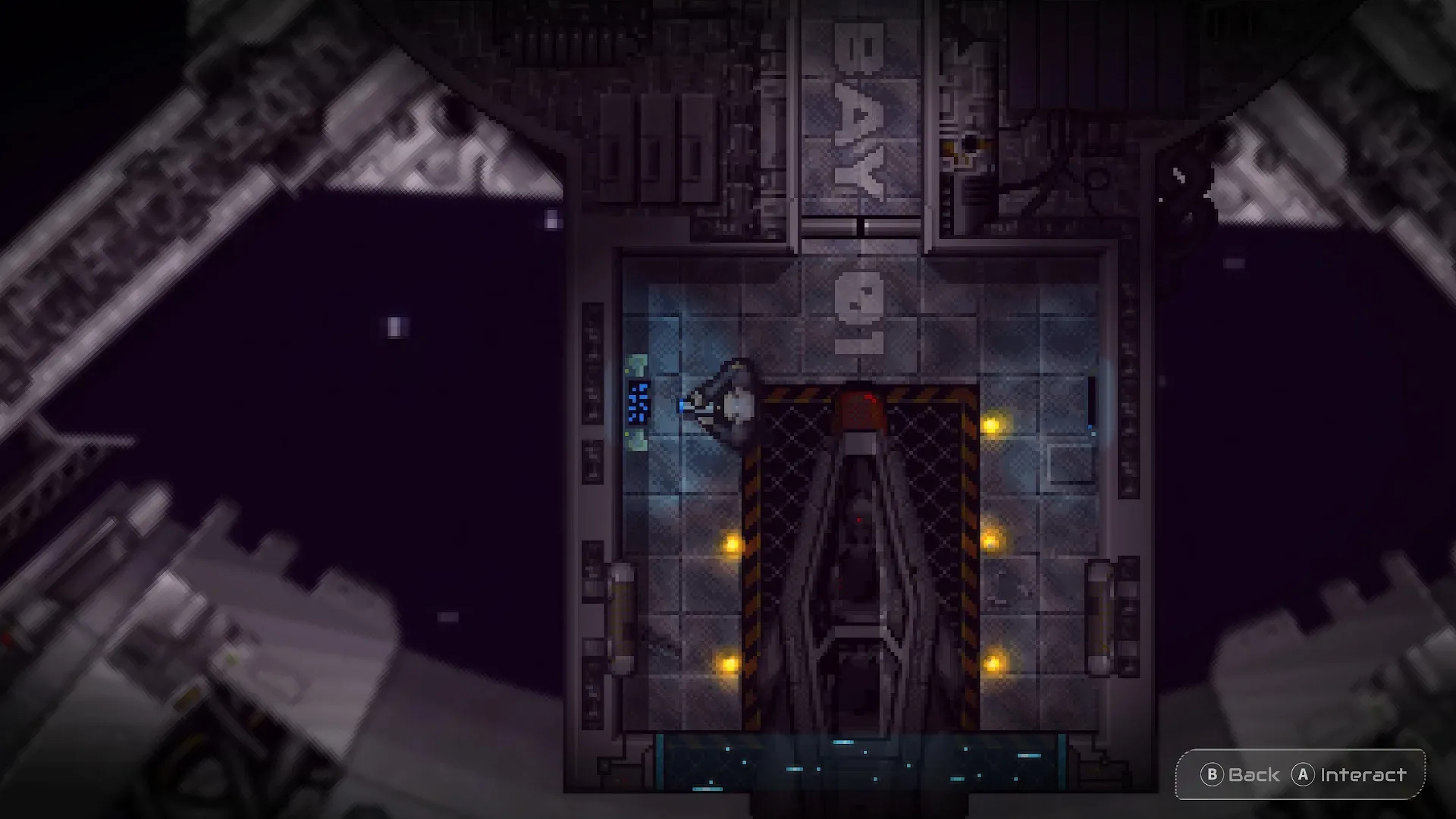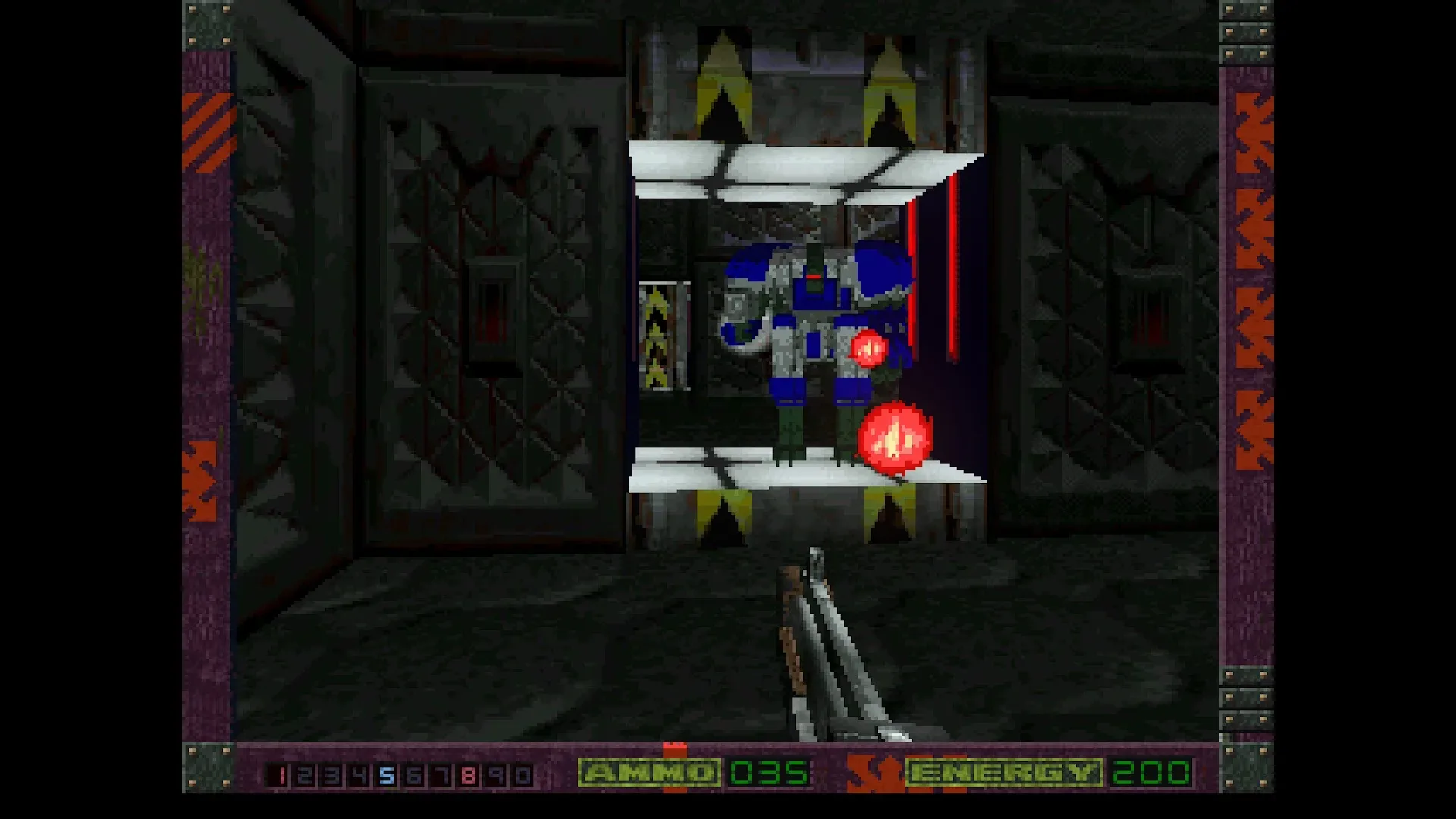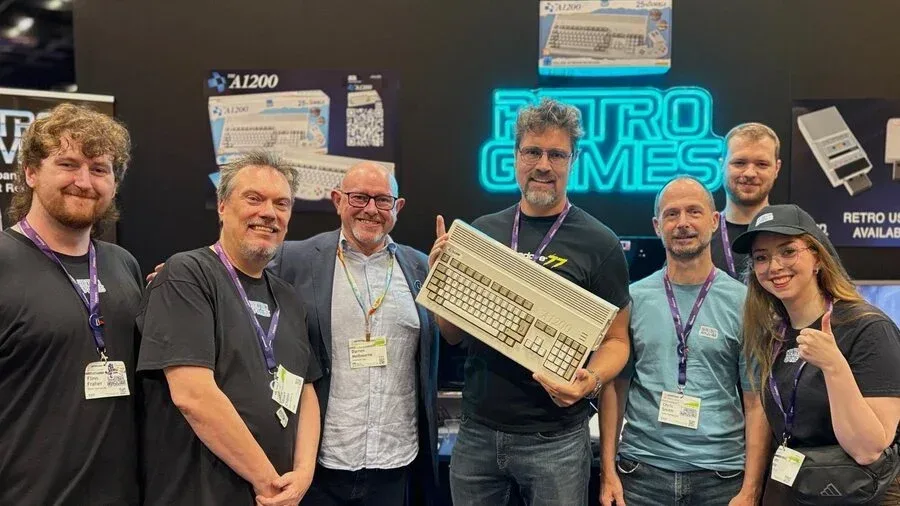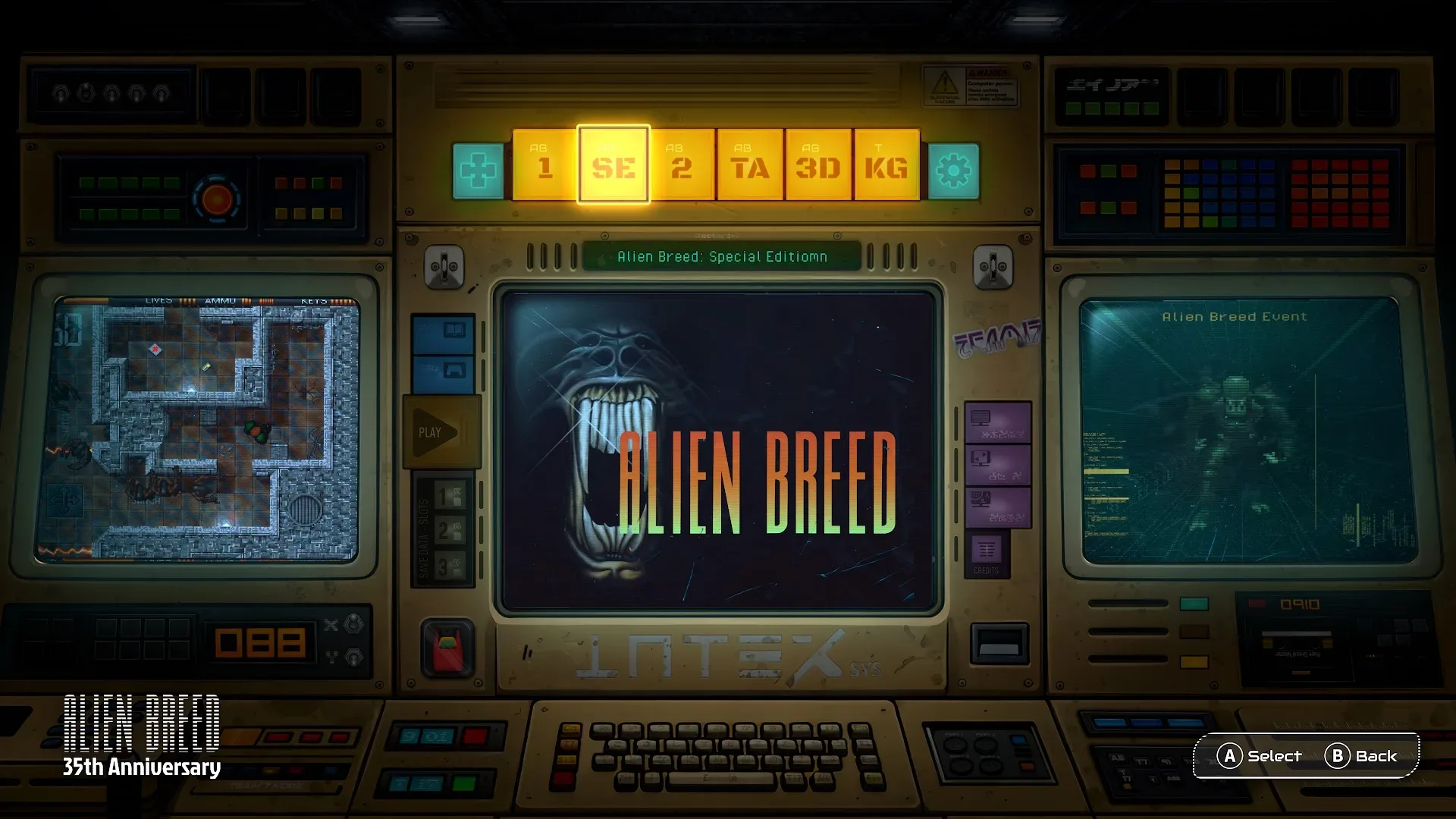
Alien Breed 35th Anniversary Collection is now available for PC, PlayStation 5 and Xbox Series X|S, bringing together the formative run of the long-running sci-fi action series in one package. The collection arrives through a partnership between Commodore, original developer Team17 and retro preservation platform Antstream Arcade, with PC versions released on Steam, GOG and the Epic Games Store. A Nintendo Switch edition is planned for later in 2026.
The release is not framed simply as a set of old games placed on new storefronts. Alongside the core titles, it includes multiple platform versions, original demos and archival material gathered from studio boxes and hard drives. There are also contemporary usability options—among them dual-stick controls, save states, display filters and rumble—plus two new modes: wave-based Horde Mode and Rush Mode, which supports online co-op.
It is priced at $24.99 / £20.99 / €24.99.
Every first-era Alien Breed game in one collection
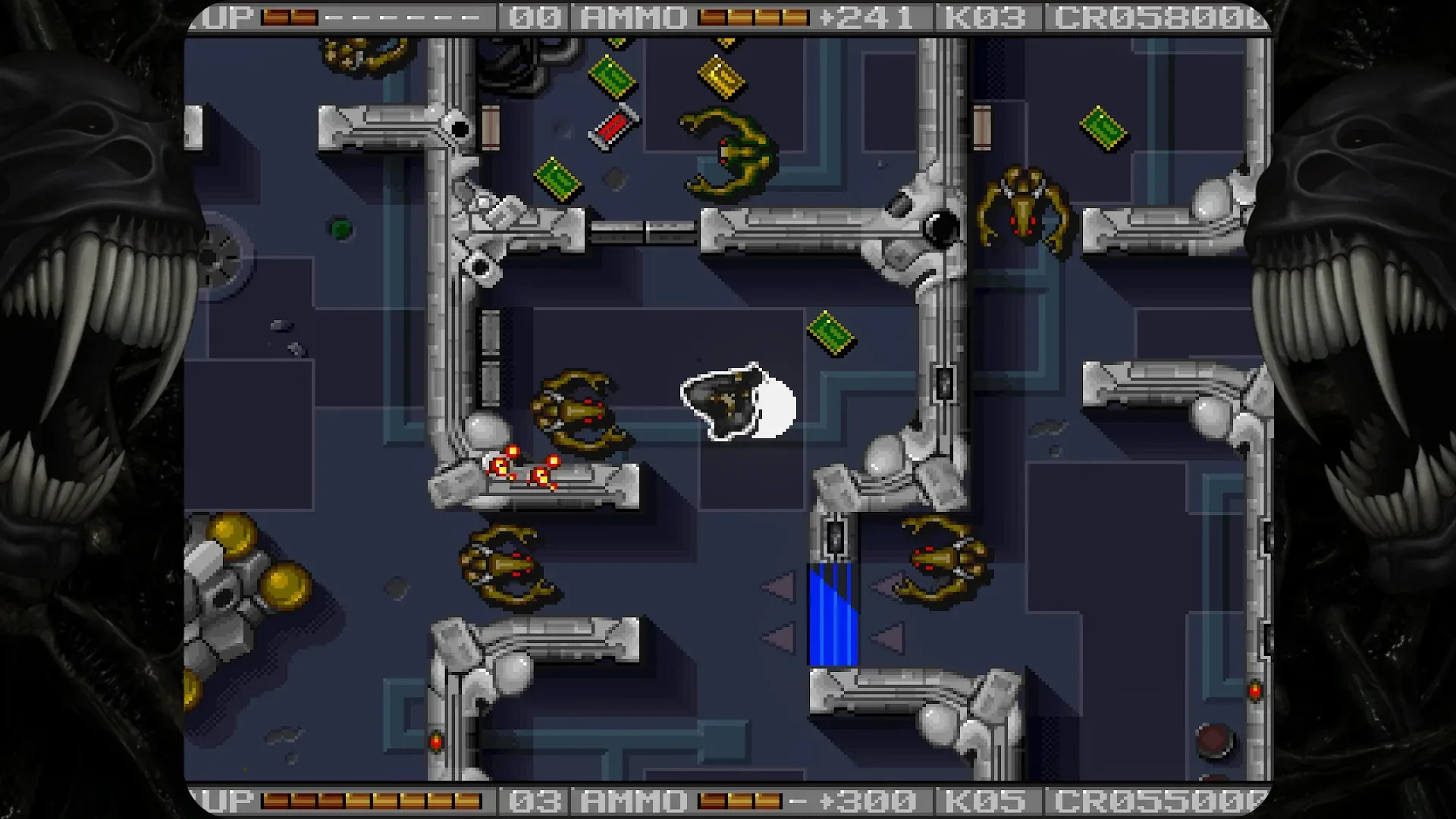
The package covers the series’ original period from 1991 through 1996. Its game lineup is:
- Alien Breed (1991)
- Alien Breed: Special Edition (1992)
- Alien Breed II: The Horror Continues (1993), including ECS and AGA versions
- Alien Breed: Tower Assault (1994), including Amiga and Amiga CD32 versions
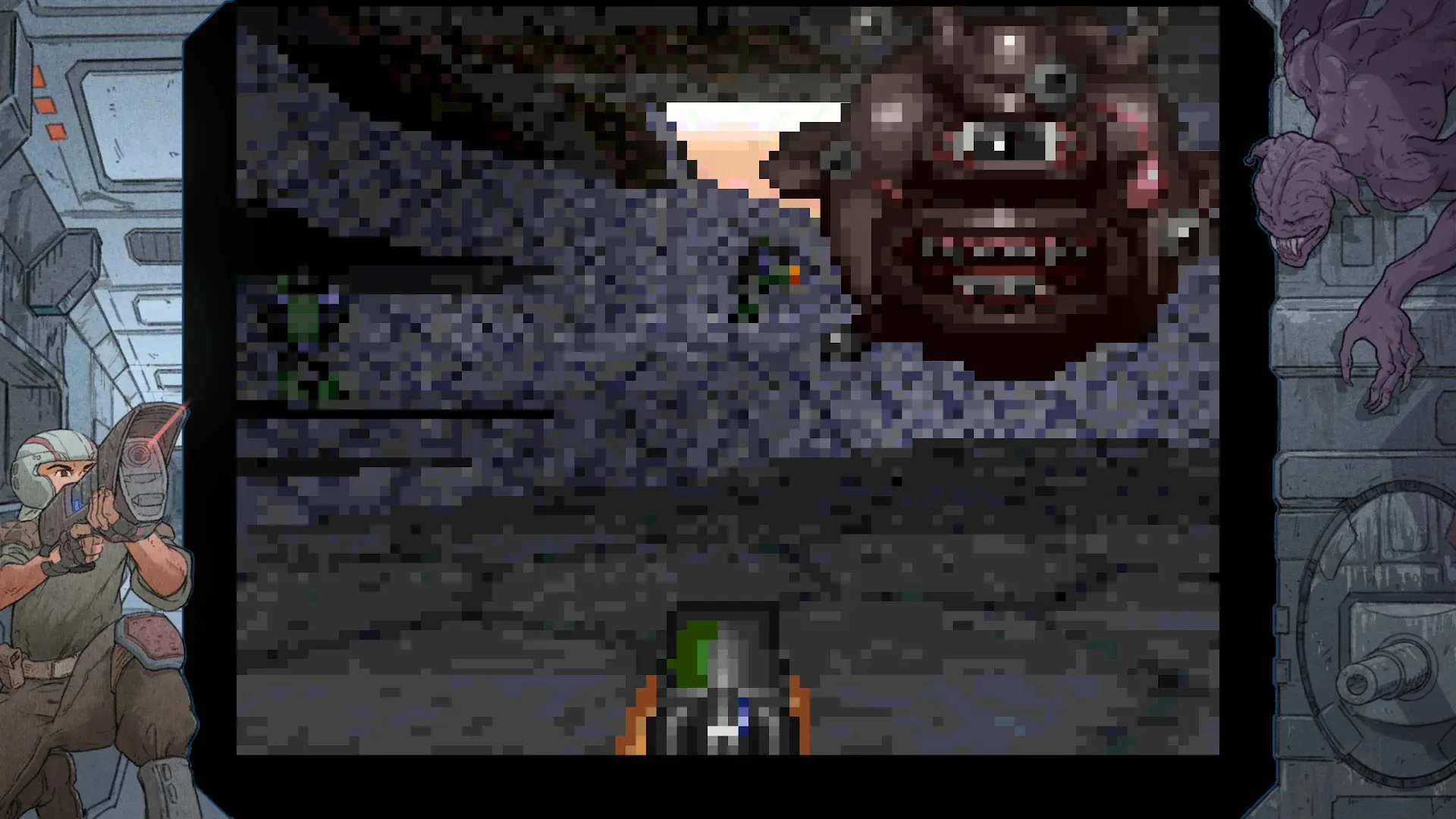
- Alien Breed 3D (1995), in its Amiga CD32 version
- Alien Breed 3D II: The Killing Grounds (1996)
That chronological scope matters because the collection presents more than one stage in the series’ early development. The list begins with the 1991 original and continues through follow-ups and revisions before reaching the two later games carrying the Alien Breed 3D name. Rather than treating the franchise as one unchanging artifact, the selection preserves a sequence of releases across several years and formats.
It also includes the ECS and AGA editions of Alien Breed II, as well as both Amiga and Amiga CD32 editions of Tower Assault. In the practical language of game preservation, platform variations are different released versions associated with distinct hardware configurations or systems. Their inclusion can be valuable even when games share a title, since it preserves the range of versions players encountered at the time instead of reducing a title’s history to a single representative build.
Original demos are included too. Demos are historically useful material: they document how games were presented to prospective players, and they may differ from full releases in their available content or structure. The announcement does not detail the exact contents of every demo or variation, so expectations should stay limited to their confirmed presence rather than assume a particular feature-by-feature comparison.
Modern options aim to make an older catalogue easier to approach
The collection adds a number of features intended to make the games more accommodating on contemporary systems. Dual-stick controls are available, while the classic one-button control arrangement remains selectable through a menu toggle. That choice is a sensible one for a historical compilation: it gives players a modernised input option without removing the original control scheme.
Dual-stick controls generally mean movement and aiming can be assigned separately across two analogue sticks. It is an input format many console players will recognise. The classic one-button setup is retained separately, so players can decide whether their priority is familiarity with a modern controller layout or closer adherence to the original method.
Save states are another confirmed addition. Unlike a conventional in-game save system, a save state records the game exactly where it is at a chosen moment, allowing play to resume from that point. For older titles, this can be particularly useful for players fitting sessions around limited time, or for those who want to practise a section without repeating earlier portions. It does not alter the original game content, but it can substantially change how approachable that content is.
Retro screen filters and rumble support round out the listed modern features. Screen filters are display options that alter how an image is presented, often giving players a choice in the visual character they prefer on modern screens. Rumble support is controller vibration feedback. The announcement confirms these options are present, but does not specify filter types, settings or how rumble is implemented in individual games.
The preservation value of a collection like this is partly in the games themselves, but accessibility tools have a role as well. A compilation can serve returning players who want to revisit a familiar series, while also providing a lower-friction first encounter for people who did not own the relevant older hardware. Keeping the original one-button controls available alongside a newer dual-stick alternative is especially notable because it makes the two aims compatible rather than forcing one audience’s preference on the other.
Horde Mode and online co-op arrive as new additions
Beyond the historic releases, the collection adds Horde Mode and Rush Mode. Horde Mode places players against escalating waves. “Escalating” establishes the central idea: the challenge rises over the course of continued waves, rather than simply presenting a fixed one-off encounter.
Rush Mode is the collection’s mode with online co-op. Online co-op, short for online cooperative play, allows players to take part together across an internet connection instead of requiring everyone to share the same room and screen. The announcement does not provide further details on player counts, matchmaking, cross-platform play, progression or other mode rules, so those elements remain unconfirmed.
These modes distinguish the anniversary release from a purely archival package. The central offering remains the original-era library, but Horde Mode supplies a newly created wave challenge, while Rush Mode creates a networked cooperative avenue within the collection. For prospective buyers, it is worth separating what has been explicitly stated from what has not: the confirmed facts are escalating waves for Horde Mode and online co-op in Rush Mode, not a full breakdown of their systems.
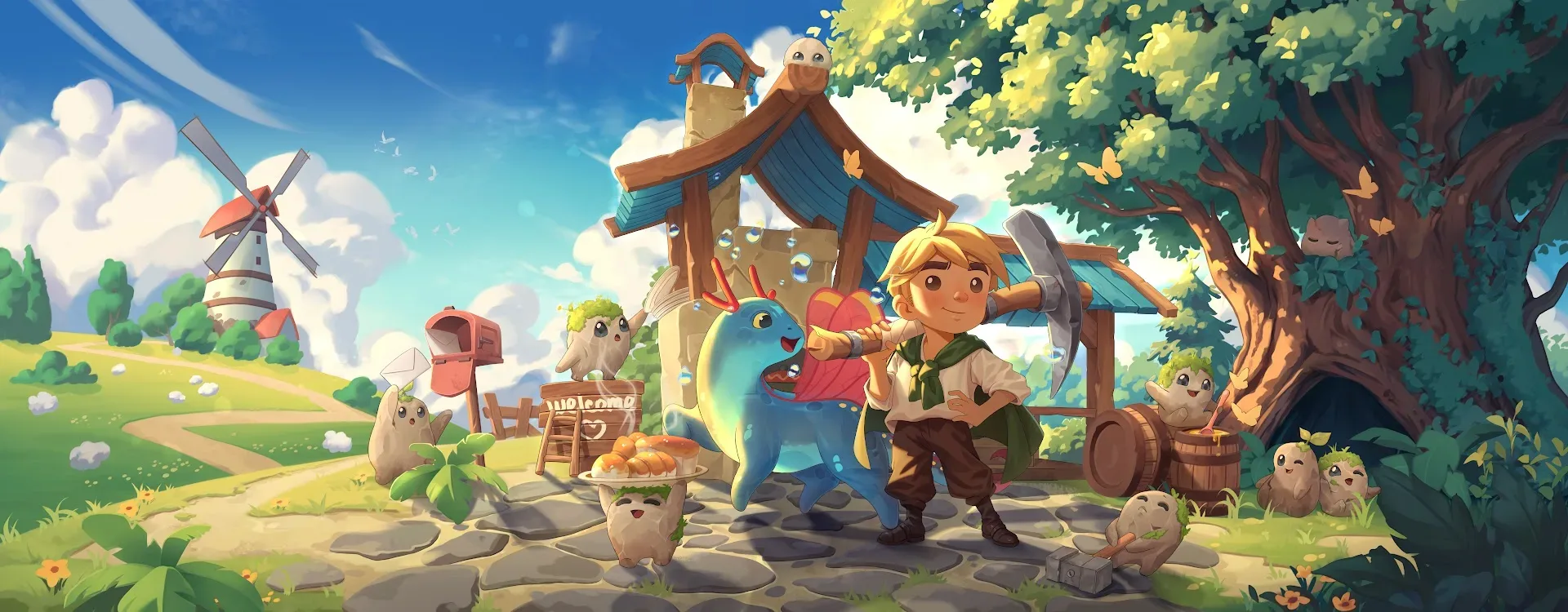
The release also arrives amid a busy period for PC launches, including projects with very different priorities such as Dragon Shelter’s cosy farm-revival approach. Alien Breed’s compilation has a more archival proposition: placing a historical catalogue and its associated materials on current platforms while adding selected quality-of-life features and new play modes.
The Virtual Museum expands the package beyond playable games
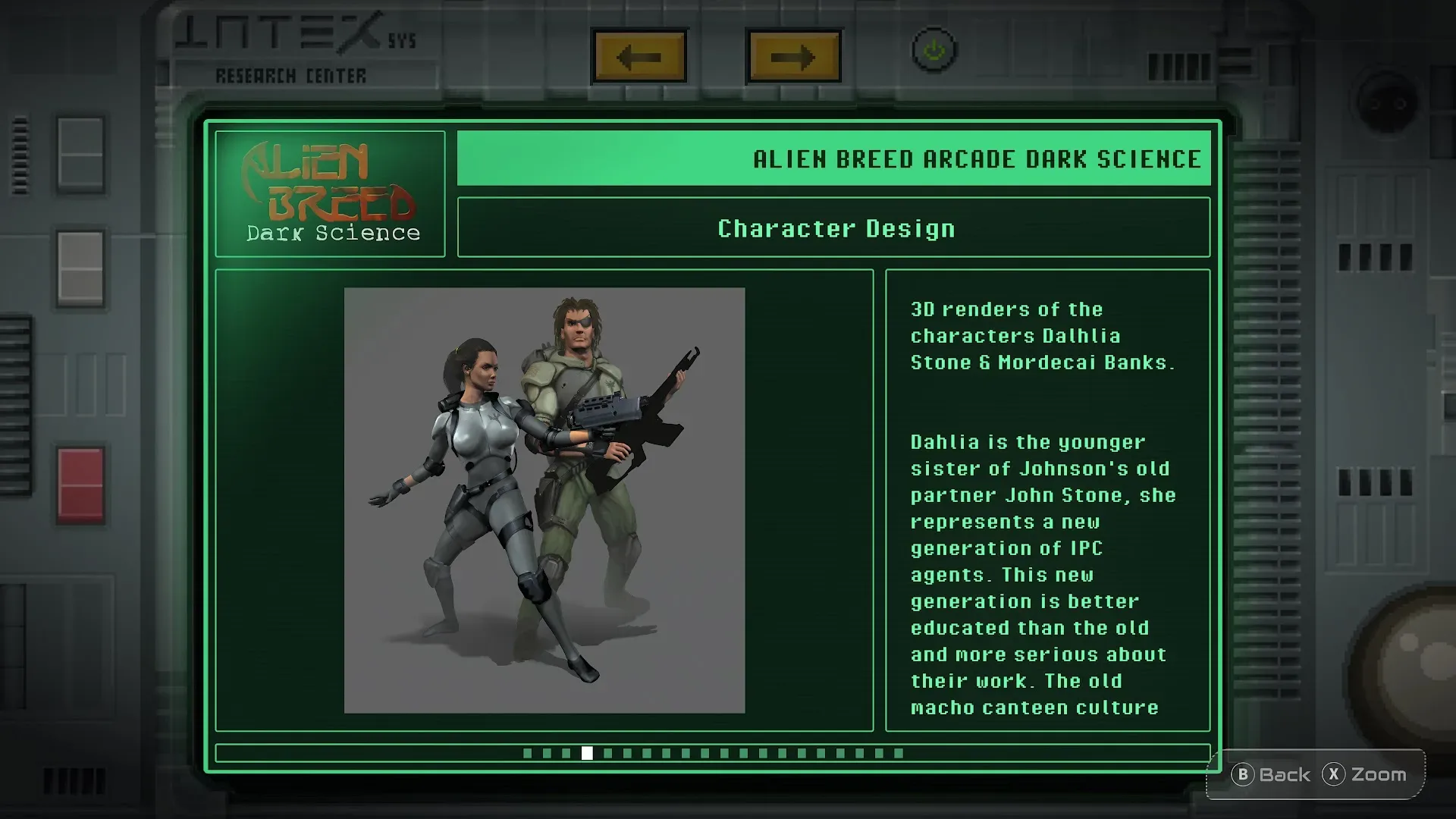
Perhaps the strongest indication that this is intended as a preservation-focused release is the Virtual Museum. It collects original physical media, marketing artwork, soundtracks, developer interviews and archival material spanning two decades from studio boxes and hard drives.
These items can provide context that playable software alone cannot. Marketing art shows how a game was represented to potential buyers. Physical media documents the forms in which software circulated. Soundtracks preserve an important creative component independently of a play session. Developer interviews can offer direct reflections from people involved in making the games. The supplied details do not identify individual interview participants or enumerate every museum item, but the stated scope is broad.
The museum also contains material relating to cancelled projects: a cancelled Alien Breed game for PSP and a cancelled real-time strategy game. A cancelled project is not the same thing as a previously released game, and the collection’s listing does not suggest otherwise. Still, preserving development and promotional material associated with unrealised work can help show the routes a series considered but did not ultimately take.
Real-time strategy, often abbreviated to RTS, is a genre term for strategy games in which play unfolds continuously rather than advancing through alternating turns. The mention of a cancelled Alien Breed RTS therefore points to an uncompleted concept that would have applied the property to a different type of game. No playable version, development status beyond cancellation, or detailed design information has been confirmed here.
That distinction is important in any archival project. Preservation is not just about highlighting completed products; it can also mean keeping records of prototypes, plans, promotional concepts and production materials that explain how a body of work developed. The Virtual Museum appears positioned to give those items a formal place beside the released games without confusing them with finished entries.
Platforms, release date and what remains to be detailed
Alien Breed 35th Anniversary Collection launched on September 24, 2026 for PC via Steam, GOG and the Epic Games Store, as well as PlayStation 5 and Xbox Series X|S. Nintendo Switch players will need to wait for the version slated for later in 2026; no more precise Switch date has been provided.
For players chiefly interested in the classic catalogue, the key draw is the full stated first-era sequence, including several platform variations and demos. For those curious about its historical record, the Virtual Museum adds studio archive material, physical media, art, music, interviews and cancelled-project material. Meanwhile, the modern layer consists of optional input changes, save states, filters, rumble, Horde Mode and online cooperative Rush Mode.
Several details have not been outlined, including the precise contents and technical differences of each included variation, the complete museum inventory, and expanded rules for the new modes. Those omissions do not change the confirmed shape of the release, but they do mean prospective players should avoid reading more into the announcement than it states. What is clear is that the collection aims to make the original Alien Breed era accessible on current PC and console hardware while retaining the series’ original control option and documenting more of its development history than a game-only reissue would.