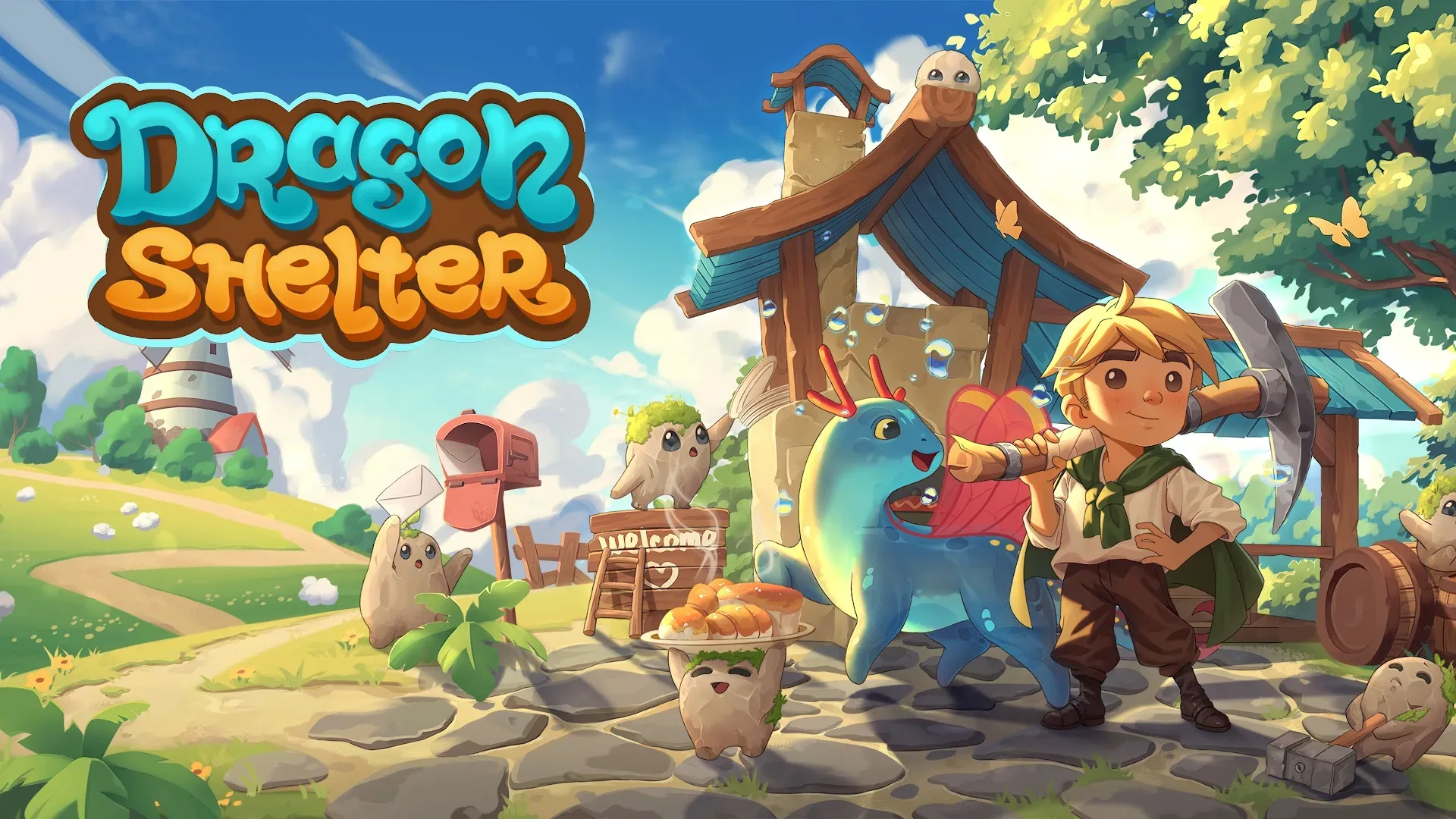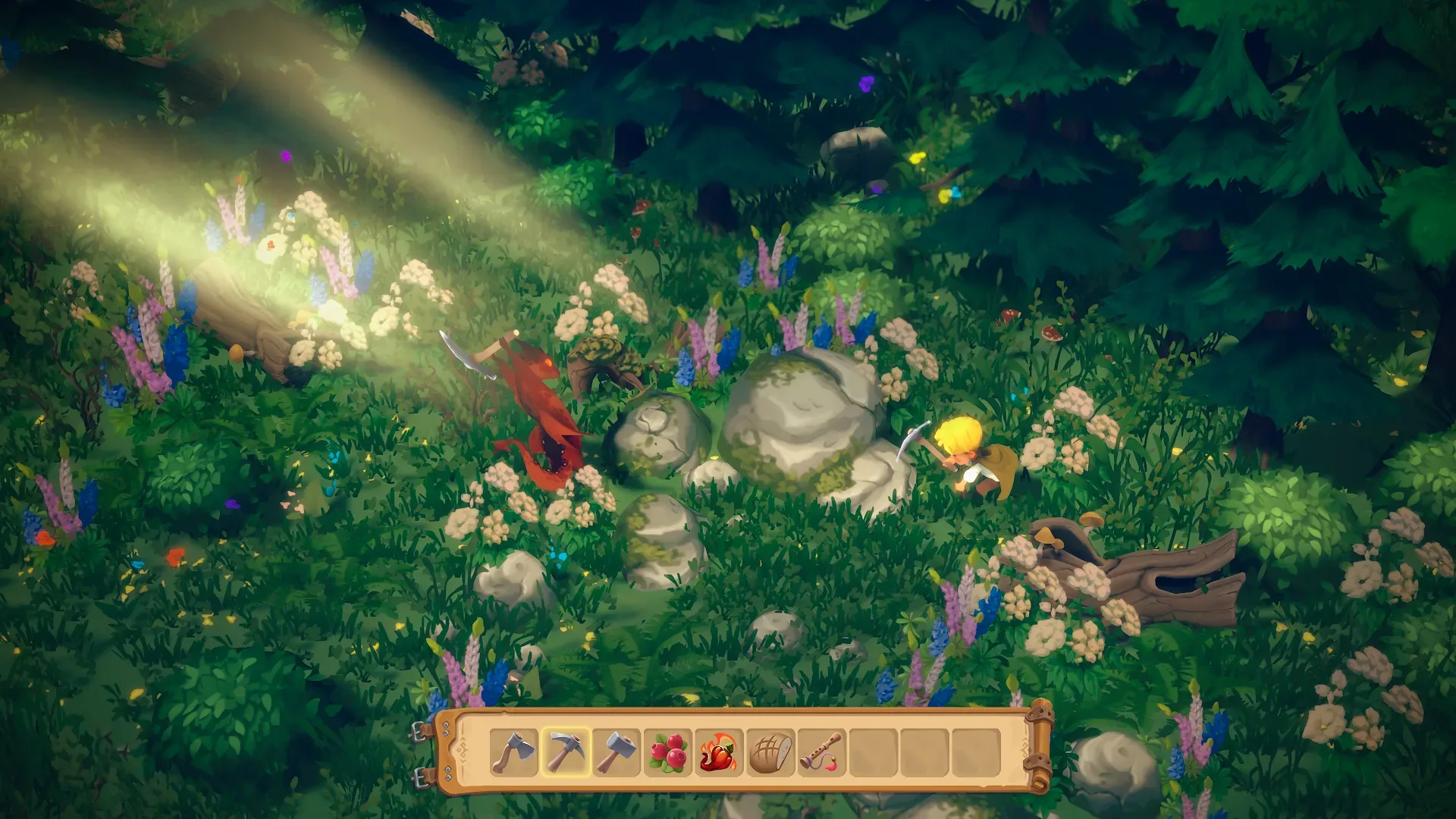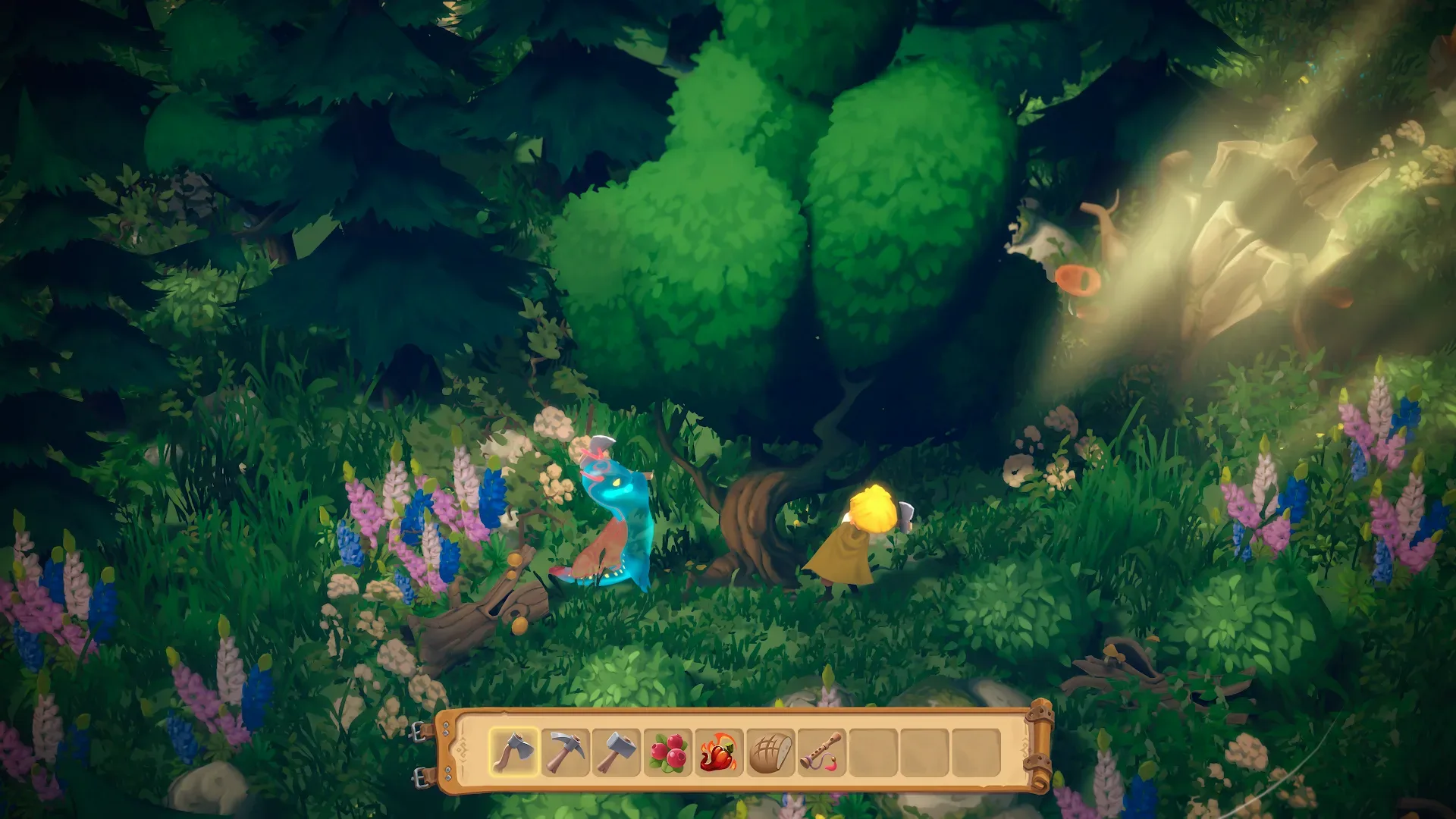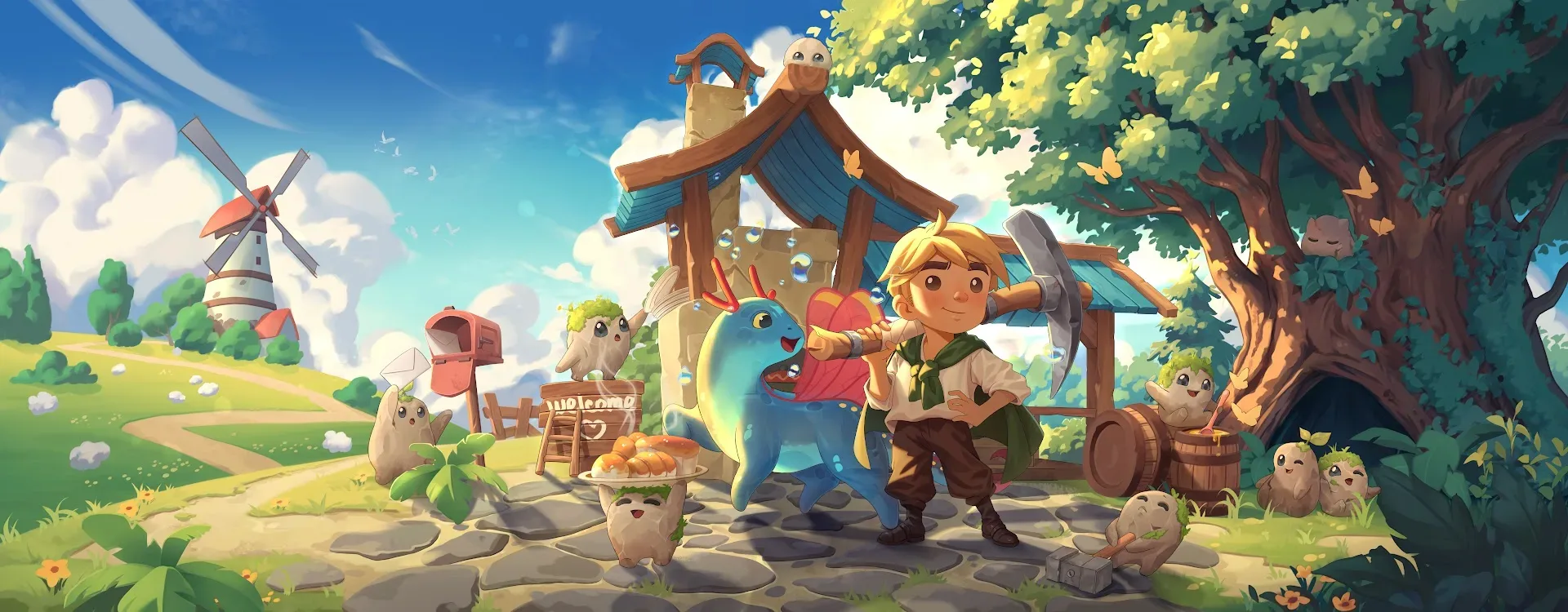
Dragon Shelter has launched on Steam, opening its hand-painted fantasy countryside to players from 6PM BST. The PC farming simulation begins with a familiar problem—a neglected farm inherited from a grandfather—but frames its restoration around an unusual workforce: dragons with elemental magic.
The central idea is not merely that dragons are collectible companions. Each is tied to practical work around the farm and its wider community. Fire can clear weeds and light the forge. Water supports crops and cooking. Earth improves soil and cares for earth-based livestock. An electric dragon, described as shy, looks after enchanted plants and creatures after its trust has been earned.
That arrangement puts the relationship between player and dragon at the centre of the game’s daily loop. Rather than treating magic as a single all-purpose upgrade, Dragon Shelter divides tasks among companions with distinct specialties. The stated goal is to rebuild a connection between humans and dragons while restoring both the player’s property and the troubled local town.
A farm sim built around assigning dragon work
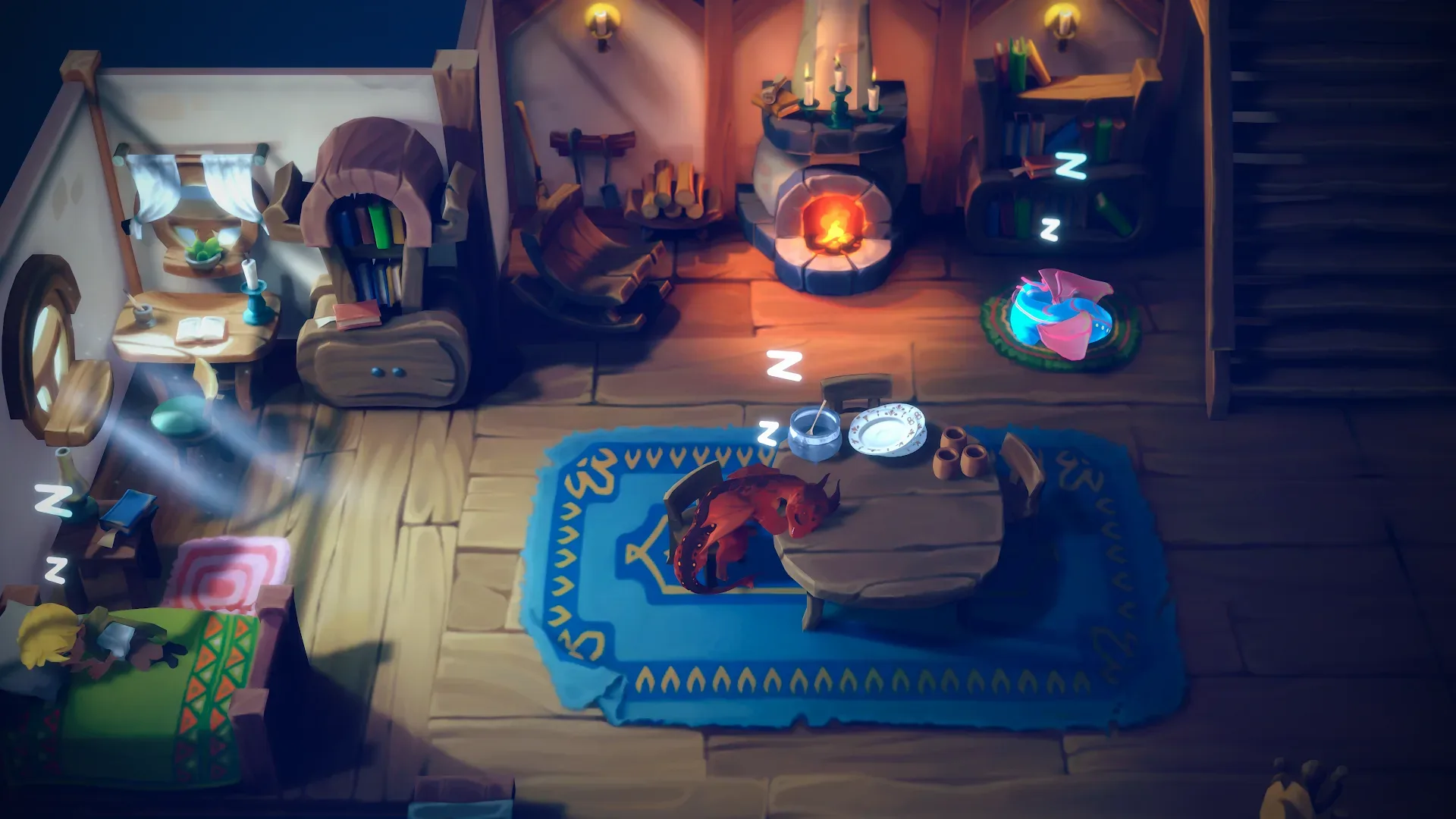
Dragon management is one of Dragon Shelter’s named systems. Players can befriend and nurture dragons, then assign them to activities around the farm. In practical terms, that means the choice of companion appears intended to matter to the kind of work being tackled: clearing unwanted growth, tending crops, preparing the ground, caring for livestock, supporting cooking, or interacting with enchanted life.
That is a meaningful distinction within a farming game. Farming systems often involve a repeated chain of preparing land, growing crops, maintaining animals, gathering materials, and converting those resources into new items or progress. Dragon Shelter attaches several parts of that chain to a specific magical partner. The companion system therefore seems designed to connect two forms of progression: improving the farm and earning a dragon’s trust.
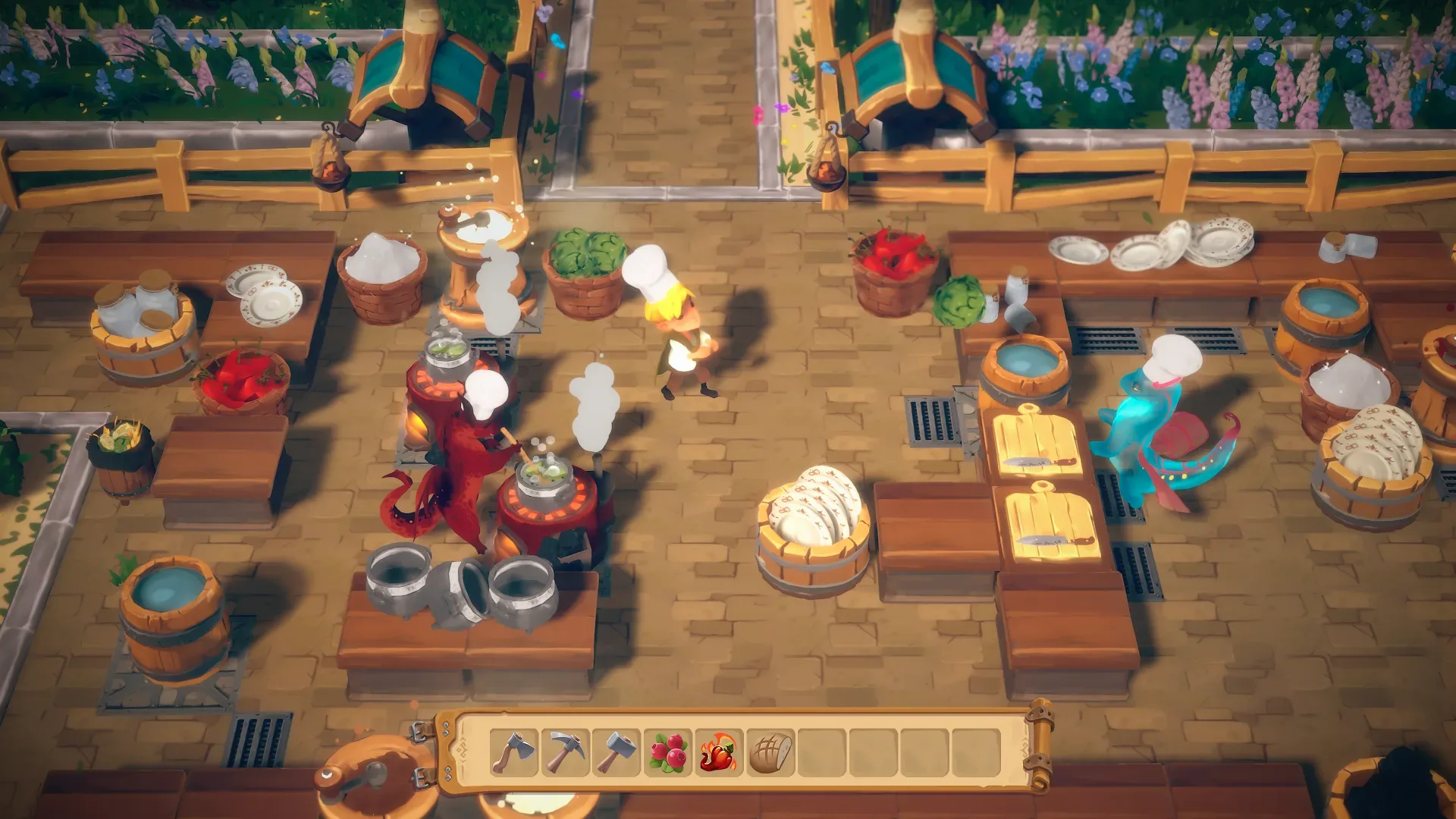
The fire dragon’s role is particularly direct. Burning weeds suggests a faster or more fantastical approach to clearing overgrowth, while lighting the forge connects it to crafting activity. The water dragon is positioned around crop care and cooking, making it relevant to both cultivation and food preparation. The earth dragon enriches soil and watches over earth-based livestock, extending its function from growing conditions to animal care.
The electric dragon is the most gated example described so far. It only tends enchanted plants and creatures once trust is established. That wording indicates that befriending dragons is more than a cosmetic interaction: at least some magical work depends on developing that relationship first. The available information does not specify how trust is gained, how quickly it progresses, or whether dragons can take on tasks independently, so those details remain to be seen.
What “magical farming” means here
Dragon Shelter describes its crops as enchanted and says they have unique properties. “Enchanted crops” is a broad term, but the important confirmed point is that crop growing is not limited to ordinary agriculture within its fantasy setting. The game also includes enchanted plants and creatures for the electric dragon to tend, suggesting that magical ecology is part of the farm’s identity rather than an occasional side activity.
Terraforming is another listed activity. In this context, terraforming means changing the land itself rather than simply placing an object on it. The exact range of terrain changes has not been detailed, but the feature places renovation at the level of the farm’s landscape as well as its buildings, crops and animals.
Alongside that work are cooking and crafting. Cooking serves a social purpose: meals can strengthen bonds with townsfolk and unlock new opportunities. This makes prepared food part of the game’s relationship progression, not only a means of using harvested ingredients. Crafting is also supported by the forge-related fire-dragon ability, although the materials, recipes and crafting outcomes have not been outlined.
Players looking for more farming-game news may also want to read about Farming Camp’s Evertree competition, another upcoming take on growing and managing a rural space.
Restoring a town, not just a plot of land
The farm is only one half of Dragon Shelter’s restoration theme. Players are also working to revive the local town, complete quests, cook for residents and rebuild relationships. The community is under a gloom that the player is trying to drive away, giving everyday farming and social tasks a shared narrative purpose.
“Relationships” here refers to bonds with a growing cast of town characters. The game explicitly links cooking meals for townsfolk with strengthened bonds and newly available opportunities. Quest completion likewise provides a structured reason to engage with the community, though no individual residents, quest types, or branching outcomes have been announced in the provided details.
This town focus matters because it widens the expected rhythm beyond farm maintenance. A player may be tending crops or livestock for resources, using a dragon to make a task easier, then turning those results into food or crafted items that support social progress. The game’s premise ties those layers together through healing: a run-down inherited farm, a community under gloom, and a lost human-dragon connection are all presented as things to mend.
Four seasons and festival activity
Dragon Shelter includes four distinct seasons. The seasons are said to shape gameplay, festivals and activities, indicating that the calendar is intended to affect more than the visual backdrop. Seasonal changes can give a farming game different priorities over time, whether that means choosing activities around the conditions or participating in the listed festivals.
However, the game’s announcement does not set out which crops, animals, dragon tasks or town events are tied to each season. It also does not explain the length of a season, whether all four are present from the start, or how festivals affect relationships and progression. What is confirmed is the broader structure: the year is divided into four changing periods, and those changes are part of the intended gameplay loop.
What is confirmed—and what has not been detailed
Dragon Shelter is a cosy fantasy farming sim for PC via Steam. Its established features include a hand-painted world, a farm inherited from the protagonist’s grandfather, dragon companionship and task assignment, enchanted crops, cooking, crafting, terraforming, livestock, questing, town restoration, relationship-building, four seasons and festivals.
The elemental dragon roles give the project a clear mechanical hook. Instead of magic sitting outside regular farm work, it is embedded in specific jobs: fire handles weeds and forging, water covers irrigation and cooking assistance, earth supports soil and livestock, and electricity connects to enchanted flora and fauna after trust is secured.
There are still several unanswered practical questions. The supplied launch details do not identify the number of dragons beyond the examples named, the extent of customization, the breadth of crafting, the exact nature of terraforming, the size of the town, or the way dragon trust is earned. There is also no stated information here on additional platforms, pricing, multiplayer, controller support, or post-launch plans.
“Creating Dragon Shelter has been its own kind of magic,” game director Oleg Babenkov said, describing the team’s hope that players will enjoy building, restoring and healing the world with dragon companions.
For players drawn to farming games that put companionship alongside cultivation, Dragon Shelter’s proposition is straightforward: rebuild a battered home, help a town recover, and give each elemental dragon a useful place in the day’s work. It is available now on Steam.