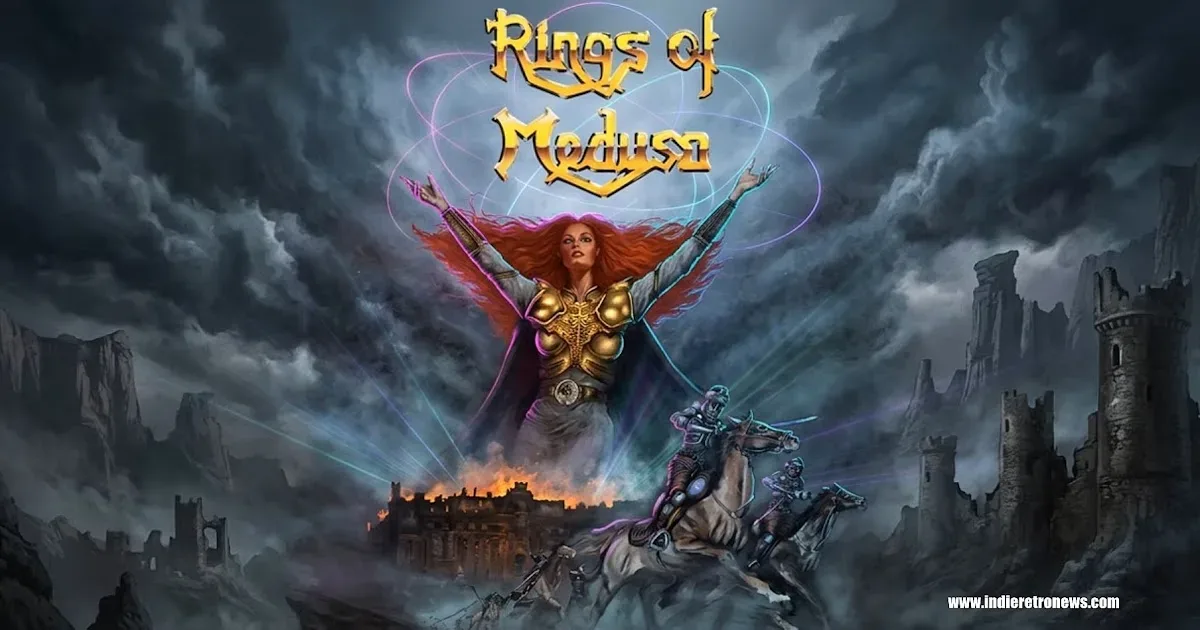
A new AI-assisted music project is taking melodies associated with classic video games and pushing them toward a much more aggressive rave and hardcore direction. The collection draws inspiration from retro game music, including tunes connected to the Amiga and Commodore 64, as well as The Secret of Monkey Island and HeroQuest.
Its creator is candid about the point of the exercise: these are not attempts to make historically authentic versions of old game tracks. They are personal reinterpretations made to chase a sound the creator felt was missing from existing remixes—one with greater intensity, faster momentum and a tougher club-oriented edge.
That clarity matters. “Classic game music” can mean several very different things, from faithful chip-tune preservation to orchestra-style arrangements and electronic covers. This project sits in another lane: using AI as part of a workflow to reshape the feel of familiar musical material into rave-oriented remixes.
Not a one-command process, the creator says
The creator describes the AI element as more involved than simply feeding a title into a system and accepting an instant result. Their stated process involves writing substantial prompts, determining a suitable tempo, then combining material afterward. No specific AI tool or production software has been identified.
In practical terms, a prompt is the written instruction given to an AI system. Within this kind of music workflow, it can be used to steer broad attributes such as energy, pacing, genre language and arrangement ideas. Tempo, typically understood as the speed of a track, is especially important when the aim is rave or hardcore music: it strongly influences whether an arrangement feels relaxed, driving or frantic.
The creator’s description also points to an important distinction often lost in arguments about generative tools. An AI output may be part of a creative pipeline without being the entirety of the pipeline. Selecting directions, revising instructions, choosing material and assembling a final version are all decisions. That does not settle wider questions around AI-generated music, authorship or taste, but it does explain why the project is being presented as a deliberate personal production process rather than a button-press novelty.
An intentionally divisive format
The project arrives with no attempt to dodge the reaction that AI music can provoke. Its creator explicitly acknowledges that some listeners will dismiss the results as “AI slop,” while also saying that they enjoy making the tracks regardless. That directness is more useful than pretending the debate does not exist.
For some fans, music from older games carries a close attachment to particular sound chips, technical limitations, original arrangements and the composers behind them. A rave reconstruction that substantially changes the original mood may be exactly the kind of transformation they do not want. Others may be interested precisely because a familiar melody is being taken somewhere less reverent and more forceful.
Related coverage includes AI-Powered Rave Remixes Put Classic Game Music in a New Spotlight.
Neither response has to be treated as confusion. Preservation and reinterpretation are different goals. One listener might want the original piece as it sounded on period hardware; another may want a contemporary dance-floor-style spin on the theme. The remixes are positioned firmly in the second category.
For readers more interested in retro work that deals with the technical side of older platforms, the recent unofficial Amiga port of Insector X offers a separate example of how classic game culture continues to be revisited through modern methods. The connection is not that music remixing and software porting are the same practice; they plainly are not. Rather, both reflect continued interest in bringing old-game material into new technical and creative contexts.
Original creators are being credited
The creator says that all tracks in the collection include full credit to the original authors. That is a meaningful stated practice for a project built around music people may recognise from earlier games. A credit identifies the people responsible for the underlying work and distinguishes the original composition from a later reinterpretation.
At the same time, credit is not a catch-all answer to every question that can arise around remixes, AI systems or use of pre-existing work. The available information does not identify the specific source material used in each track, the AI system involved, or any rights arrangements. It would therefore be wrong to infer details beyond the stated commitment to credit original authors.
Personal expression is central to the announcement
The project’s creator also frames the music as something that has provided a welcome creative outlet during hospital trips and while taking strong pain medication. That personal context is not a technical defence of AI, nor does it ask listeners to set aside their preferences. It explains why the work matters to the person making it.
Creative tools have long been used by people with varying degrees of formal musical experience. The creator recalls having previously worked with Dance eJay software in the 1990s and sees AI as opening a route toward the style they wanted to hear. The key claim is personal rather than universal: the process is making its creator happy.
That is likely the most appropriate way to approach these remixes. They are not being framed as replacements for original game scores, definitive versions of beloved themes or a demand that everyone embrace AI-assisted music. They are an enthusiast’s attempt to make classic-game-inspired rave tracks at the desired level of intensity, while naming the originals’ authors and accepting that the results will not appeal to everybody.
What listeners should take from it
- Expect reinterpretation rather than preservation of the original game music.
- The announced focus includes classic systems such as the Amiga and Commodore 64, alongside music associated with specific older games.
- The creator says the workflow includes detailed prompting, tempo selection and later combination of material, rather than a single automated instruction.
- Original authors are said to receive full credit.
- The project is openly personal and openly polarising: listeners who enjoy hard rave treatment of retro themes may find it appealing, while those seeking faithful recreations may not.
Retro game music has always inspired reworks because its melodies remain memorable outside their original hardware. This collection adds another interpretation to that long-running relationship between games and remix culture, with AI-assisted production at the centre of both its method and its controversy. Whether the final sound lands for an individual listener will depend less on nostalgia alone than on how much they want those familiar musical ideas driven into rave territory.