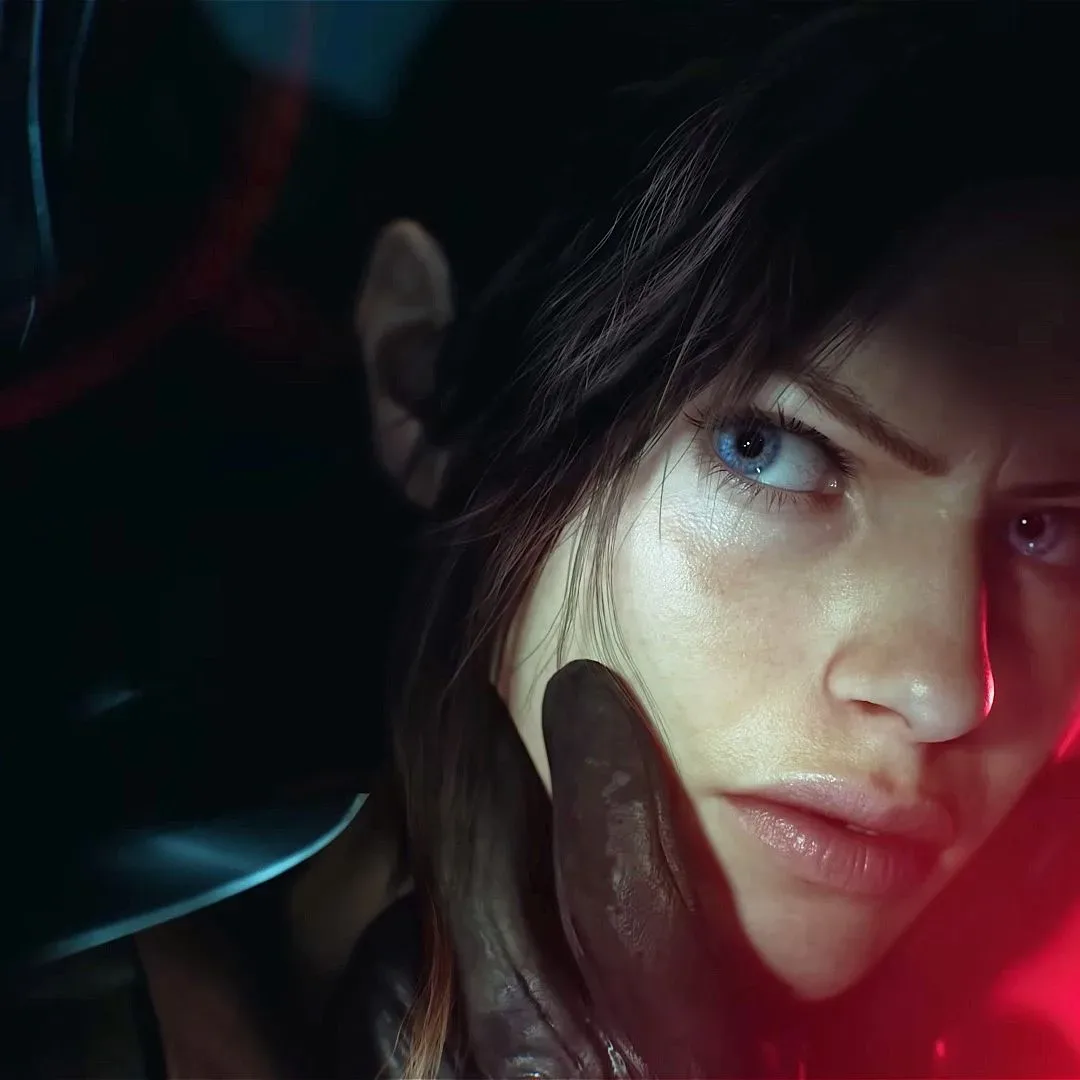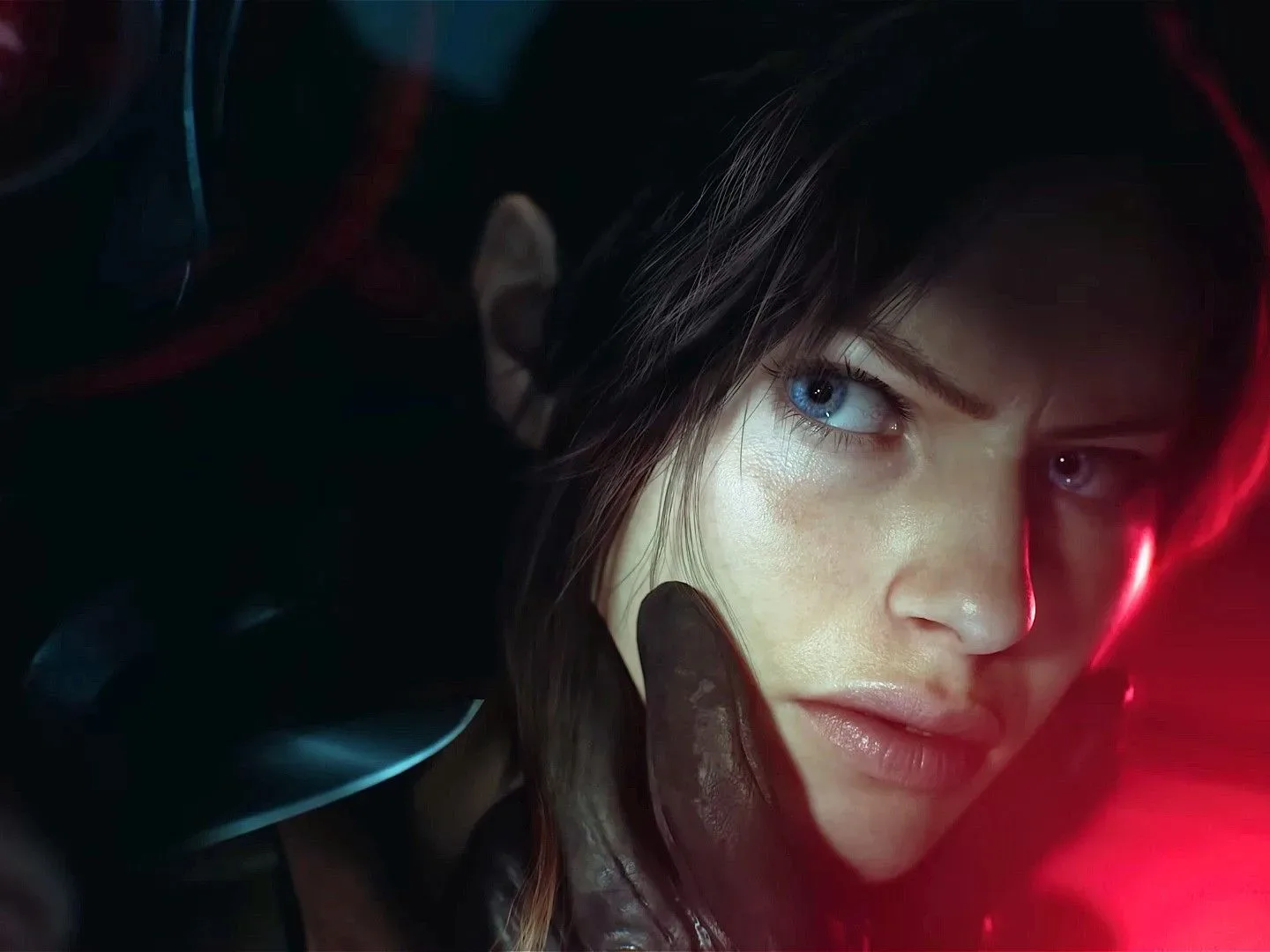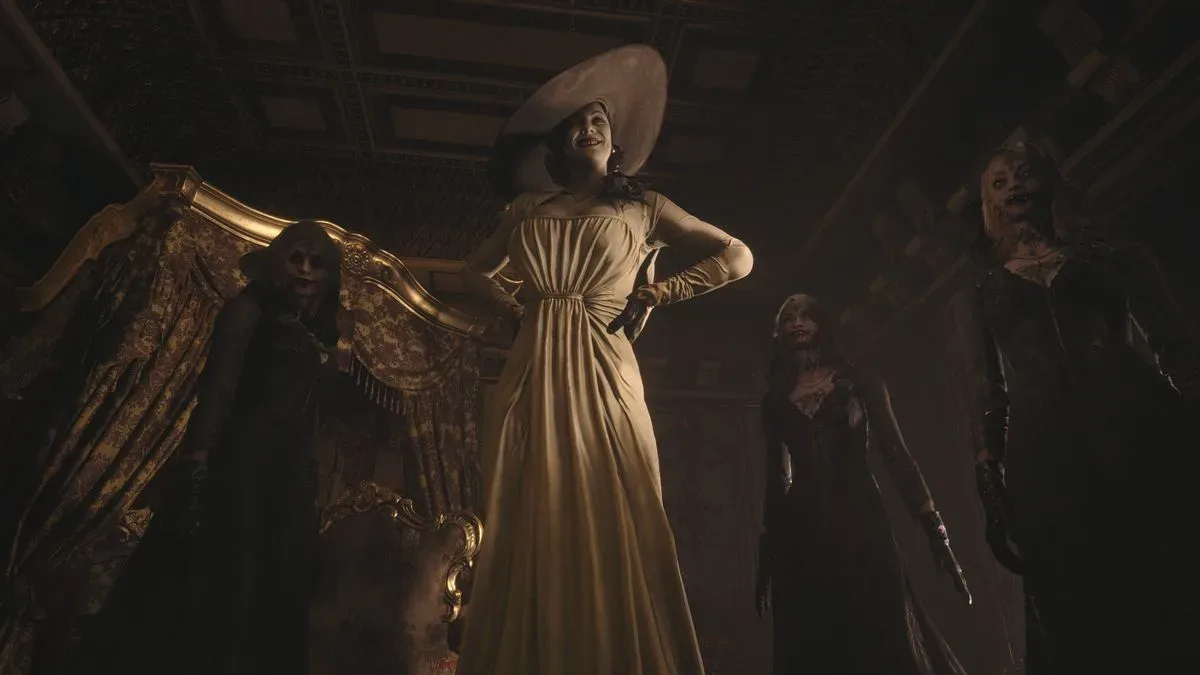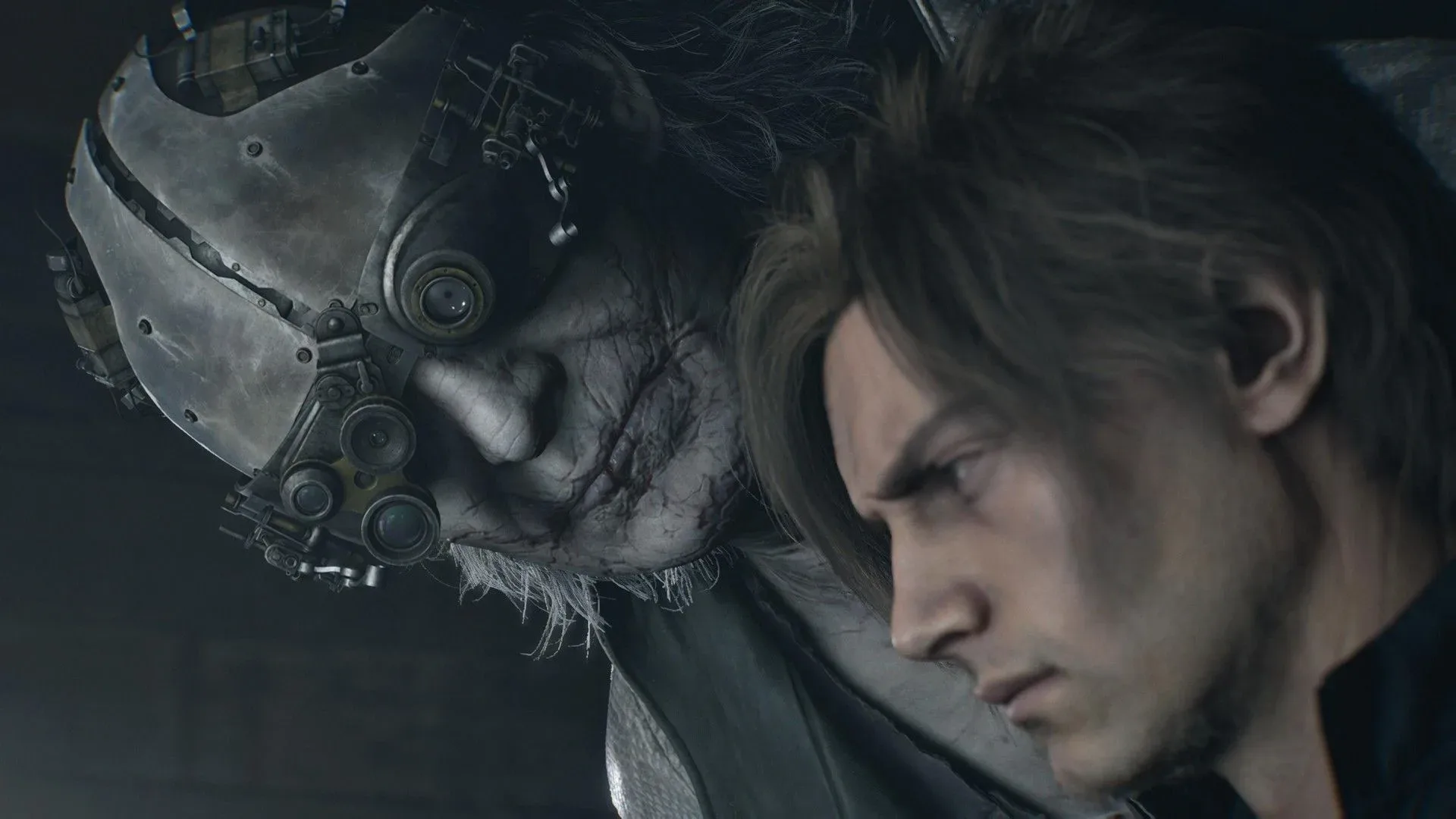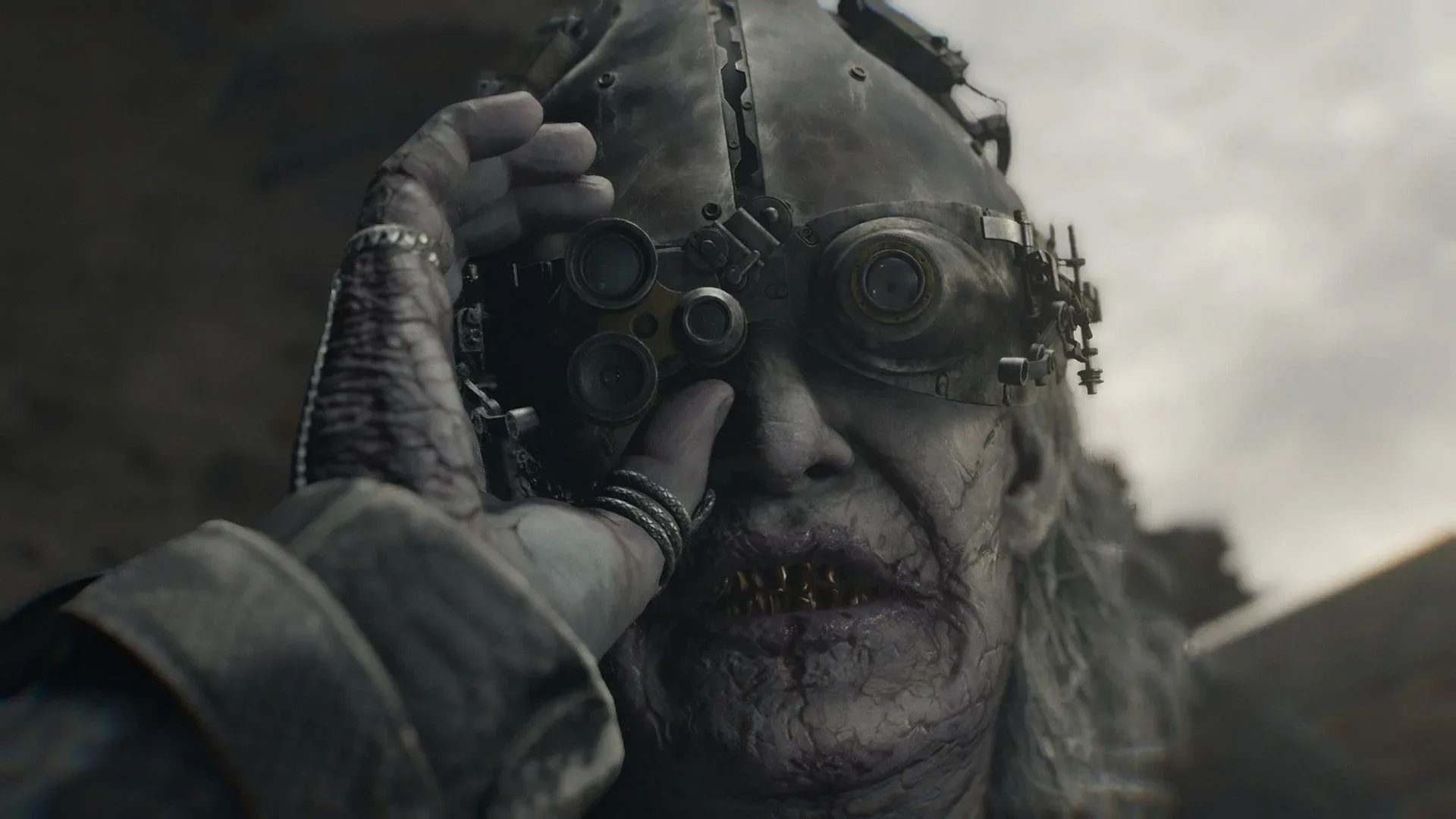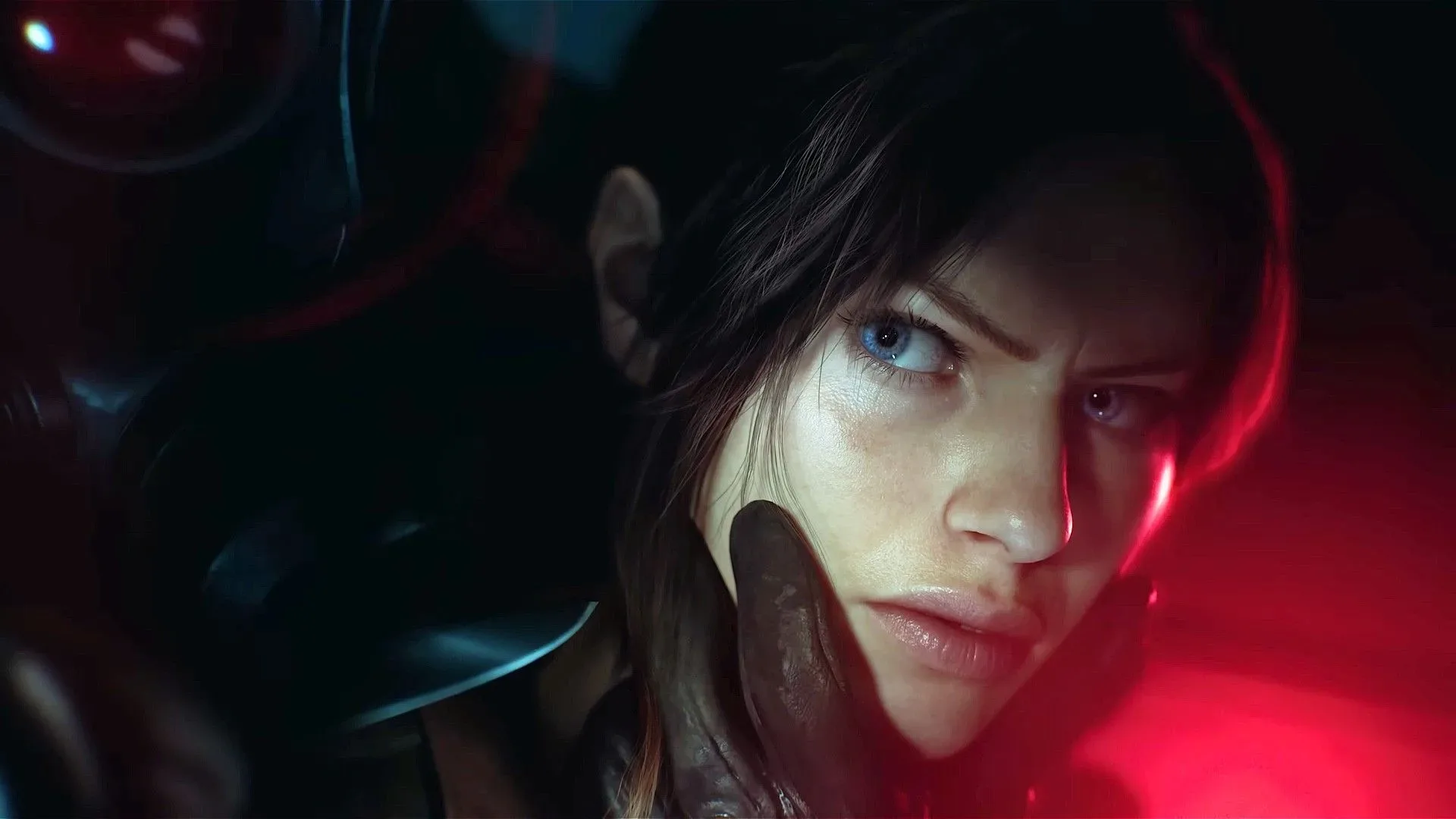
Resident Evil’s modern strategy has often looked straightforward from the outside: new numbered entries move the current story forward, while remakes revisit the series’ past with contemporary technology and design. Executive producer Jun Takeuchi has now framed those paths as something more deliberate. The plan, he says, is for the two strands to eventually meet in a future “crossover.”
That is an intriguing idea, but it is not a game announcement. It does not confirm remakes of any particular Resident Evil titles, establish a release window, or explain whether “crossover” means shared characters, a single story event, a structural merger of the two release lines, or something else entirely. What it does suggest is a long-range narrative plan: Resident Evil’s return to older material is not being treated as a detached nostalgia project.
Takeuchi described the franchise as operating on two tracks. The numbered releases carry its continuing drama, while remakes let players revisit its history. In his outline, the remake side will eventually reach the era occupied by the newer games, and Capcom is already considering the mechanisms that will make a crossover possible.
For a series with a sprawling chronology, that distinction matters. A remake is not automatically a replacement for its original game, and a numbered sequel is not automatically free of old continuity. The potential appeal of a crossover lies in turning the relationship between those two ideas into an explicit part of the franchise’s direction rather than leaving it as background continuity.
What has actually been said
The comments point to preparations beginning around Resident Evil Village. Takeuchi cited the reappearance of names such as Umbrella and Spencer, plus Raccoon City’s return in Resident Evil Requiem, as pieces of that preparation.
Umbrella, Spencer and Raccoon City are not minor references in Resident Evil’s vocabulary. They are foundational elements associated with the earlier part of the saga. Their renewed prominence can therefore function as connective tissue: it gives players entering through newer installments a route back into the series’ older mythology, while signaling to longtime fans that legacy material still matters to the ongoing storyline.
The remarks were published in Japanese and have circulated in more than one translation. Wording differs among versions, so individual nuances should be handled cautiously. The central point is consistent, however: the franchise’s remake program is expected to catch up to the era of the contemporary numbered games, and a future crossover is being planned in relation to that meeting point.
Takeuchi’s broad framing is that numbered titles tell the ongoing drama and remakes provide access to the past—two lines intended to converge rather than remain permanently separate.
Related coverage includes Resident Evil's Remakes Are Building Toward a Future Crossover, Producer Teases.
That framing is considerably more concrete than speculation, but considerably less concrete than a roadmap. There is no named crossover project, no promised format, and no confirmation that it will arrive as one standalone game.
Why “catch up” is the key phrase
The most useful phrase in Takeuchi’s comments may be “catch up.” It implies a moving relationship between release programs rather than a fixed end point for remakes. If the remake series is approaching the period covered by newer numbered installments, Capcom has to decide how the two lines coexist once their subject matter overlaps.
That does not mean that a remake of Resident Evil 5 or Resident Evil 6 has been confirmed. Fans have understandably interpreted the comments through that possibility, particularly since prior remakes have been successful and Resident Evil Veronica is described as being on the way. But Takeuchi’s statement never names either game, nor does it announce their development.
The distinction is important because “more remakes are likely” and “these specific remakes are in production” are very different claims. The first is an inference from the ongoing approach. The second would require a direct confirmation that is not present here.
It is also possible for a crossover to be broader than a remake sequence. The term could refer to the story worlds meeting more visibly, to a game that uses ideas from both eras, or to a future shift in how Capcom presents Resident Evil’s continuity. Until further details arrive, all of those are possibilities rather than facts.
Requiem’s role in the larger setup
Resident Evil Requiem appears central to the tease. Takeuchi’s examples specifically include Raccoon City’s reappearance there, while he also points to the return of older names during the period beginning with Village. Taken together, those details suggest an effort to bring classic Resident Evil concepts back into the active conversation.
That is distinct from simply putting a familiar name in a game for recognition value. In a long-running series, a legacy reference can have at least two jobs. It can welcome returning players with a recognizable connection, and it can prepare newer players for why that connection will matter later. If Capcom is indeed building toward a crossover, familiar institutions and locations may be functioning as narrative bridges.
There is also a practical audience consideration. Takeuchi explained that Resident Evil RE:2 was decided upon if Resident Evil 7 succeeded. His explanation stressed that the older PlayStation-era games were not easy to access at the time, and that even accessible versions were decades old. In that sense, the remake program serves as both a reboot-like entry point and a response to an accessibility gap in the catalog.
That background helps explain why remakes have a purpose beyond visual modernization. They can give a current audience a usable route into early story material before that material becomes important again. It is a strategy familiar to anyone following how older games remain part of the conversation—whether through official revisits or projects such as this upcoming SNES ROM hack release. In Resident Evil’s case, however, the stated goal goes beyond preservation or revisiting a classic: it is to make the past legible within a continuing franchise story.
The RE and Q clue, explained cautiously
Takeuchi also offered a deliberately cryptic clue based on the title Requiem. He connected “RE” to the ideas of reboot and response that he associated with the remake initiative, then noted that REQUIEM also contains a “Q,” which he characterized as a question. His formulation was that Requiem offers both an answer and a question, with an explanation to come later.
It is tempting to decode every letter into a full plot theory, but there is not enough information to do that responsibly. The reliable takeaway is simply that Takeuchi sees the title as carrying intentional thematic meaning beyond its ordinary definition. “Answer” implies that the game addresses something already established; “question” implies that it opens a new issue for the series to pursue.
Whether that answer concerns Raccoon City, Umbrella, Spencer, the remake initiative, or a different thread has not been specified. Nor has Capcom identified the question. The clue is best understood as a signal of future explanation, not a substitute for one.
A long horizon, not an imminent promise
Takeuchi said players should understand the crossover’s meaning before Resident Evil reaches its 40th anniversary. That establishes a broad outer horizon rather than an imminent timetable. It is a notable statement of ambition: the series is being discussed as a project with room for another decade of story planning.
For players, the practical implication is patience. The safest expectations are that numbered entries will continue to handle the active drama, remakes will continue to revisit earlier material, and references between eras may grow more meaningful. Expectations that go beyond that—a particular remake, character return, gameplay format, or release date—remain unsupported.
Still, the idea is compelling because it gives both sides of Resident Evil’s current output a shared purpose. Rather than treating remakes as pauses between new chapters, Capcom appears to be positioning them as part of the machinery that can support future chapters. The franchise’s past may not just be something to replay. If this plan takes shape as described, it may become essential context for what comes next.