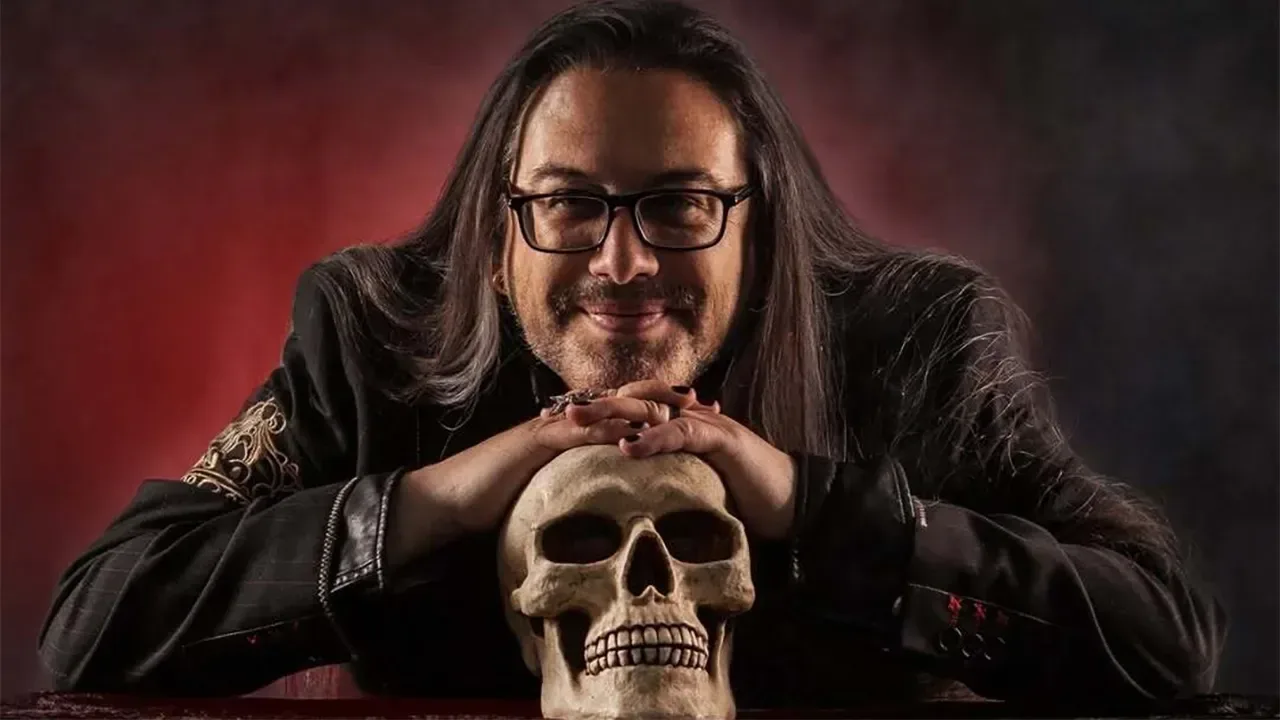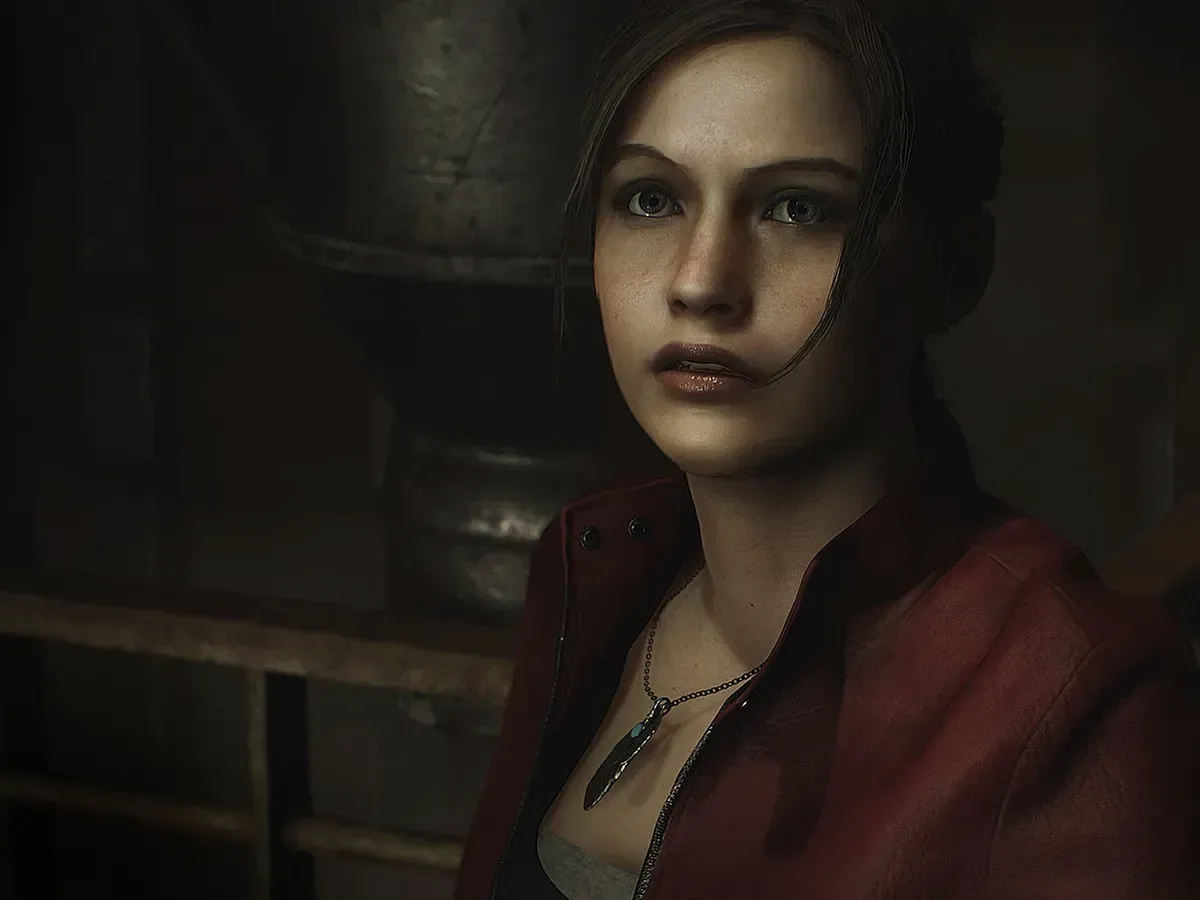
Resident Evil may be heading toward a major narrative destination over the next decade, but that is very different from Capcom retiring one of its biggest franchises. Producer Jun Takeuchi has indicated that the series’ overarching main story could reach its conclusion during the 10 years following Resident Evil Requiem, framing the comment around a long-term branding and story plan rather than a shutdown date for new games.
The distinction matters. A “conclusion” can mean the resolution of a particular story architecture: long-running plot threads, the relationship between new entries and remakes, or a chapter of the series designed around a defined sequence of releases. It does not, on the information available, mean that Resident Evil games will cease after that point.
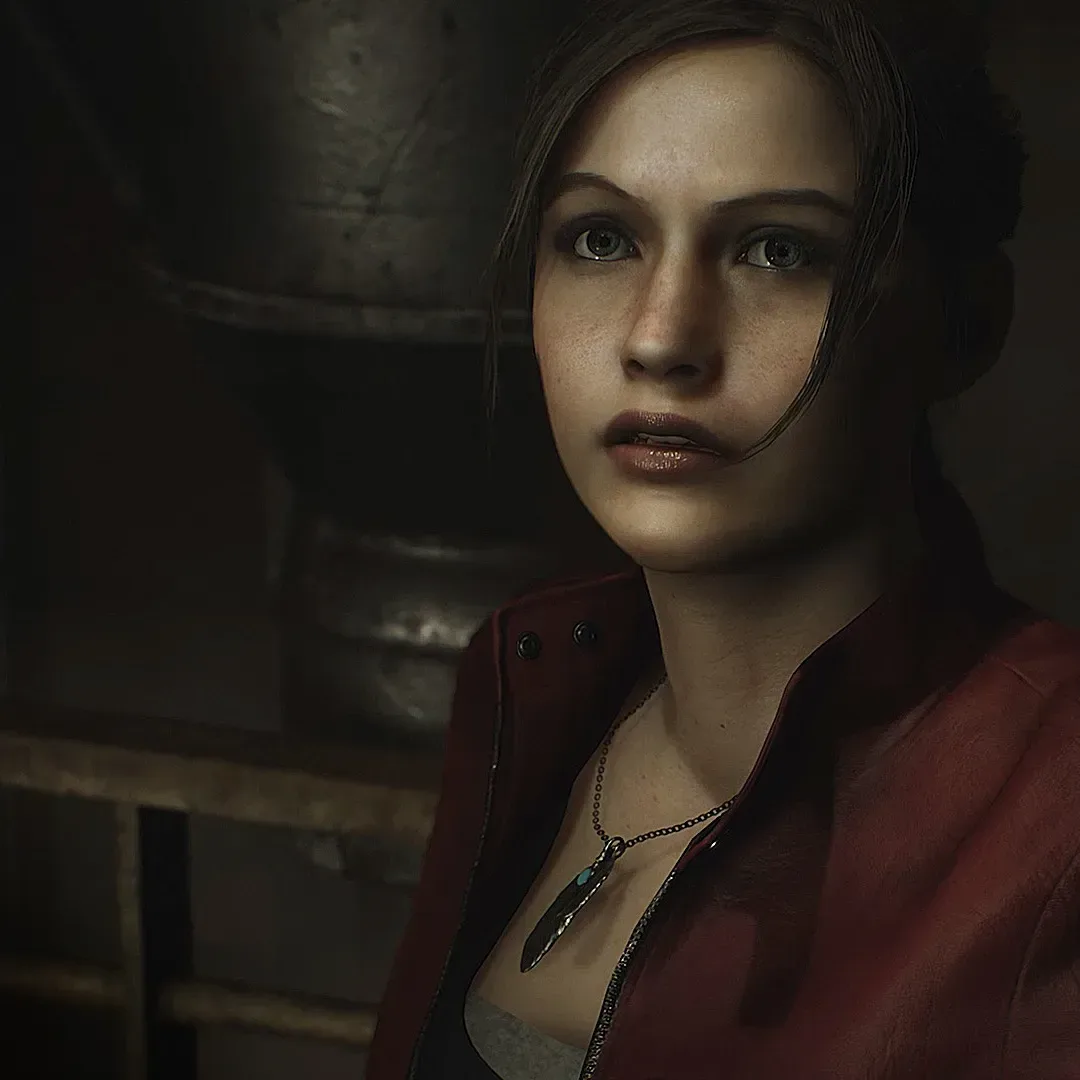
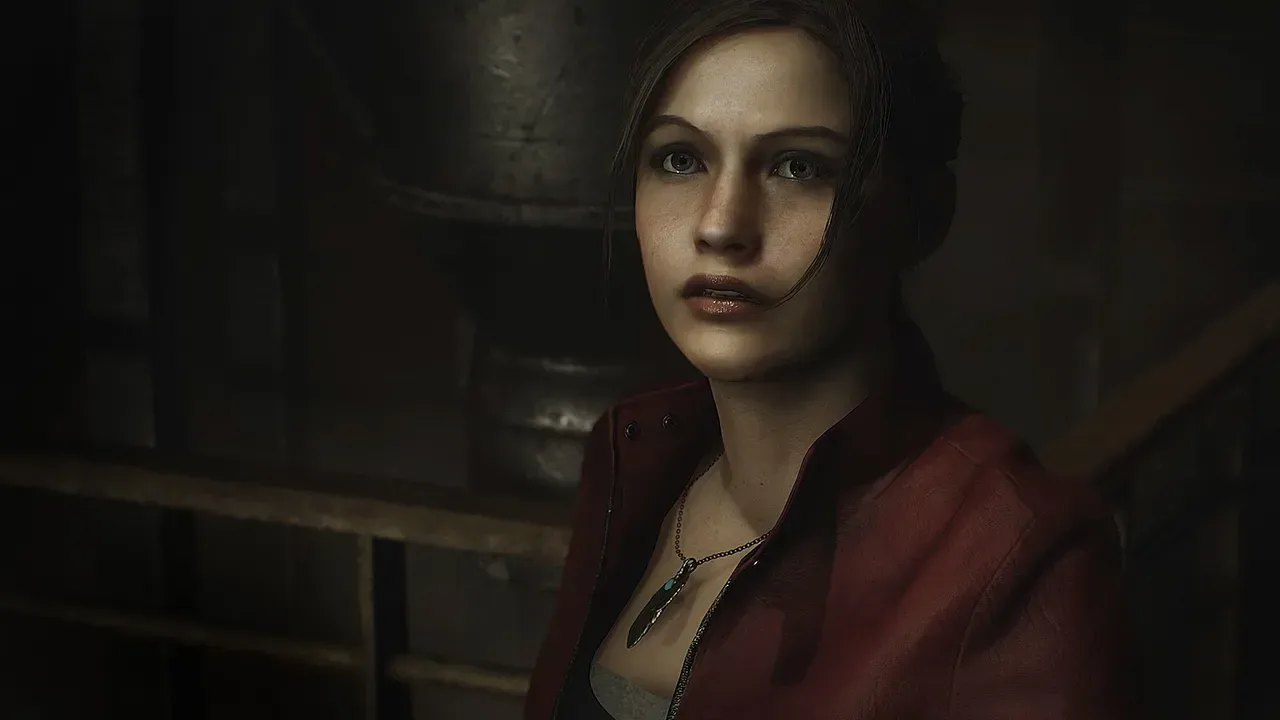
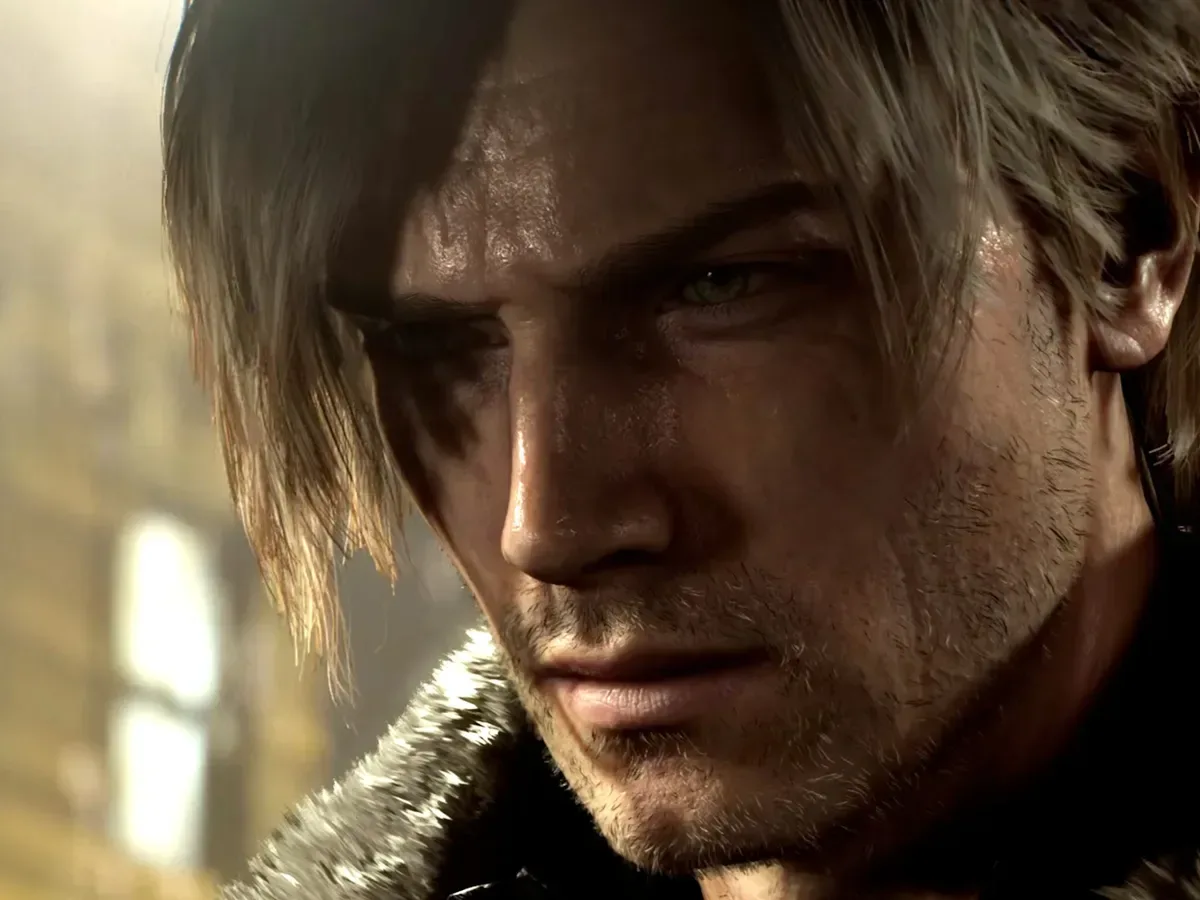
Takeuchi described Requiem as the end of the first 10 years of that plan, with the conclusion anticipated in the following 10 years. The current initiative began with the 2019 remake of Resident Evil 2. It has since included the remakes of Resident Evil 3 and Resident Evil 4, alongside Resident Evil Village and Resident Evil Requiem. Resident Evil Veronica is also due next year.
A story endpoint is not a franchise endpoint
It is easy to turn “the main story could conclude” into “Resident Evil is ending.” Those statements are not interchangeable. Takeuchi’s comments instead point to a plan for the series’ mainline narrative—the central continuity and the deliberate ordering of the newer games and remakes.
That is a useful clarification because Resident Evil has not historically operated as a single, fully mapped story from day one. Takeuchi said the series’ story expanded release by release rather than being plotted in its entirety at the beginning. When the team began planning the Resident Evil 2 remake and the associated 10-year concept, working out the larger story was a central challenge.
“The series’ story wasn’t all planned out from the beginning, it expanded with each new release,” Takeuchi said. “When we were planning the Resident Evil 2 remake and coming up with the 10-year branding concept, this was what we puzzled over.”
His additional suggestion is that players who go through the relevant games may be able to identify the reasoning behind the remake order. That does not establish a full roadmap of unreleased titles, nor does it reveal precisely which characters or plotlines are intended to receive closure. But it does confirm that the remakes are being considered as more than isolated revisits of older games within the present strategy.
For fans, the sensible reading is therefore measured: there is a stated long-range narrative ambition, but there is no announced final Resident Evil game, no confirmed 2036 retirement plan, and no disclosed list of releases that will form the path to a conclusion.
Related coverage includes Resident Evil's Main Story Could Reach a Conclusion Within the Next Decade, Producer Says.
What the 10-year framing actually covers
“Branding concept” can sound like marketing language, but in this case it appears tied to how Capcom is organizing the franchise across new games and remakes. A brand strategy can encompass release sequencing, the public identity of a series, the relationship between old and new material, and the broader shape of a continuing storyline. It is not automatically a promise that every installment will be a direct sequel to the last.
The known lineup illustrates why that distinction is important. The 2019 Resident Evil 2 remake launched this phase. Remakes of Resident Evil 3 and Resident Evil 4 followed, while Village and Requiem represent new titles within the same 10-year framing. The forthcoming Resident Evil Veronica remake further shows that the strategy is not confined to either remakes or wholly new entries.
Takeuchi has said the next decade will likewise include both remakes and new games. He did not disclose how many new Resident Evil titles will arrive before 2036, beyond indicating that there will be multiple games. That is the firm boundary of what has been shared. Any attempt to assign release years, identify unannounced remakes, or declare a particular game the finale would go beyond the available information.
The remake order may carry narrative purpose
One of the more intriguing parts of Takeuchi’s remarks is the emphasis on the order of the remakes. Remakes are often discussed in terms of visual upgrades, changed mechanics, or how faithfully they revisit familiar scenarios. Here, the stated focus is also structural: their placement may help communicate the intended meaning of this larger run of Resident Evil releases.
That does not mean every prior event has been rewritten, or that the remakes alone contain all of the answers. It does mean players following the games in this era may want to view them as connected pieces of an active creative plan. The significance is likely to become clearer only as further entries are released, because Takeuchi’s comments do not spell out the intended interpretation today.
Why Capcom has room to continue Resident Evil after a finale
Resident Evil remains one of Capcom’s leading multimedia properties, and the company’s latest financial reporting has highlighted continued strong sales. Commercial momentum does not dictate a specific creative direction, but it helps explain why a wrap-up of one central story would not naturally require the disappearance of the entire brand.
A franchise can end a primary arc while continuing through different approaches. The available possibilities include stories set at other points in the timeline, new settings, films, or a return to established characters who have not been at the center of the current story. Jill Valentine and Rebecca Chambers are two examples of characters who could be revisited, though no project featuring either has been announced here.
This is also a series with a broad enough identity to support varied formats and perspectives. That flexibility is why “main story conclusion” should be treated as a narrative milestone rather than a final forecast for the Resident Evil name. The future beyond that milestone remains unannounced, and Capcom has not committed to a specific post-conclusion direction.
There is a broader industry lesson in the way long-running game series can balance recognizable legacy material with fresh work. The question is not always whether a brand continues, but which storyline is continuing and how it is being reshaped. That same balance between established expectations and new design ambitions is part of the conversation around building games around player discovery rather than a fixed checklist, even if Resident Evil’s situation is specifically about franchise narrative planning.
Japan remains a possibility, not a confirmed setting
Separate comments from Resident Evil Requiem producer Masato Kumazawa add another reminder that Capcom’s longer-term ideas remain open-ended. Kumazawa said Japan could appear as a setting for a Resident Evil game in the future, noting that it has not yet served as the setting of the games. Japan has appeared in the official manga spin-off Biohazard Heavenly Island.
“Even though Japan hasn’t appeared as a setting for the games yet, I think it might at some point in the future,” Kumazawa said, adding that there are still many things the team would like to do.
That is an expression of interest rather than a reveal. No Japan-set Resident Evil game has been announced in these comments, and there is no evidence that such a project belongs to the next 10-year narrative plan. Still, it demonstrates the point that a potential conclusion to one overarching plot does not exhaust the possible places, characters, or stories available to the series.
What players can reasonably take from this now
- The current story strategy has a long horizon. Capcom is thinking in decade-sized chapters rather than treating every release as an entirely disconnected event.
- Requiem marks the close of the first phase. The phase began with the 2019 Resident Evil 2 remake.
- Both remakes and new titles are planned for the next decade. Takeuchi confirmed the mix, but not a complete release count or schedule.
- A main-story conclusion is not a confirmed end to Resident Evil games. There is no announcement that the franchise itself will be discontinued.
- Specific projects remain speculative until formally detailed. That includes the identities of future remakes, the characters who may return, and whether Japan will become a game setting.
For now, the most meaningful takeaway is that Capcom is publicly acknowledging an attempt to give Resident Evil’s expanding continuity a more intentional shape. The next decade may deliver closure for that particular central arc. Yet the same comments leave ample space for Resident Evil to continue afterward in new forms—without pretending that a conclusion to one chapter must be the end of the whole survival-horror series.