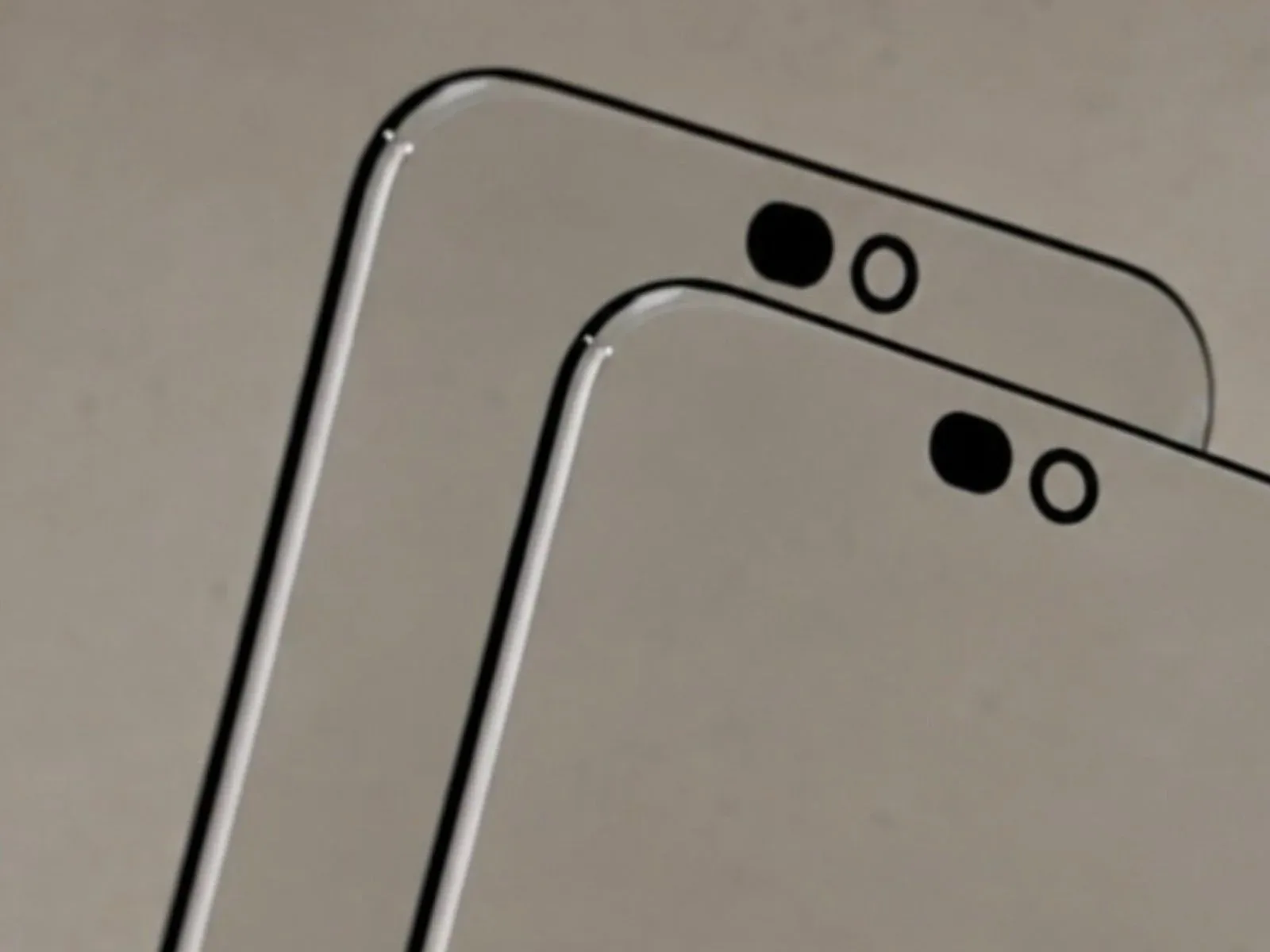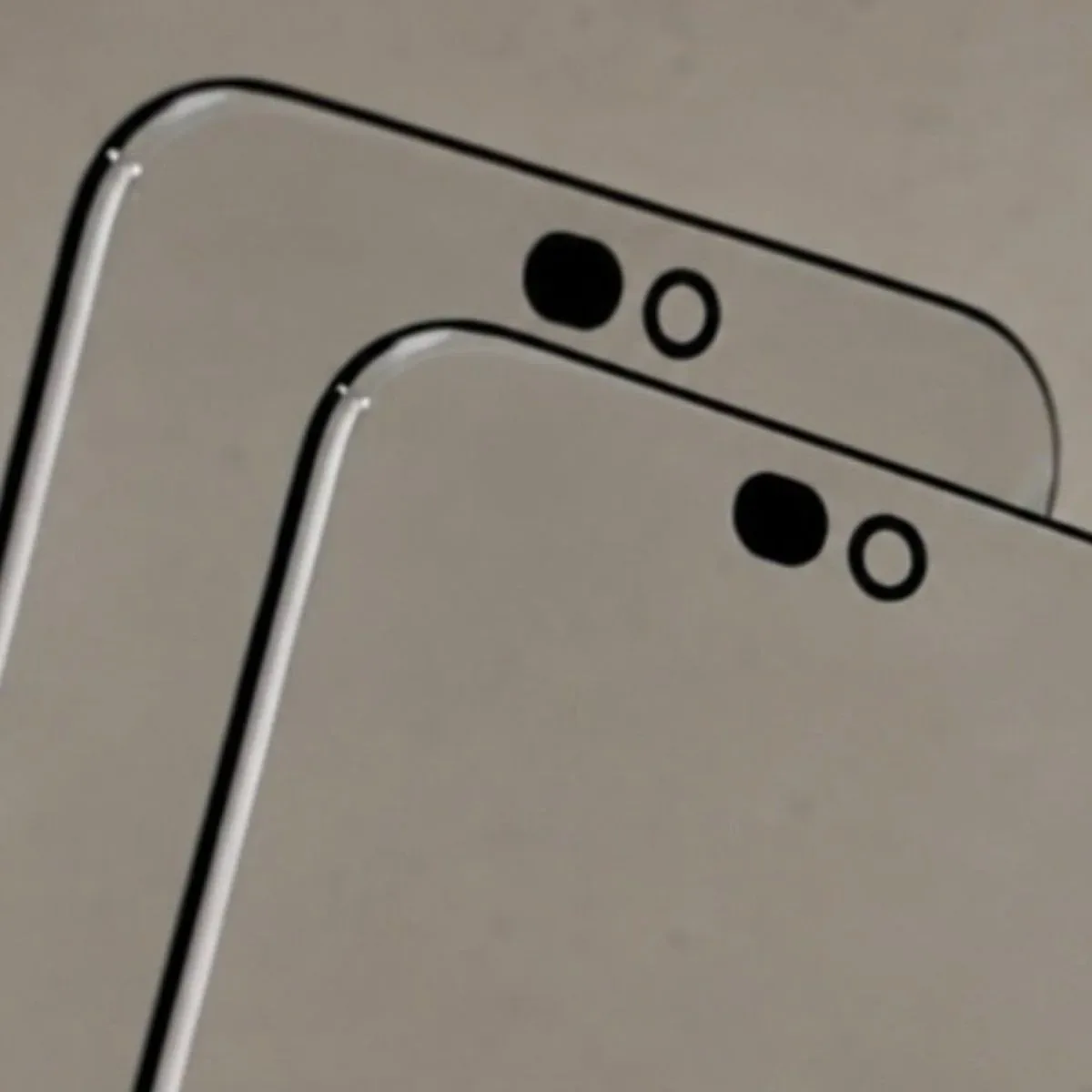
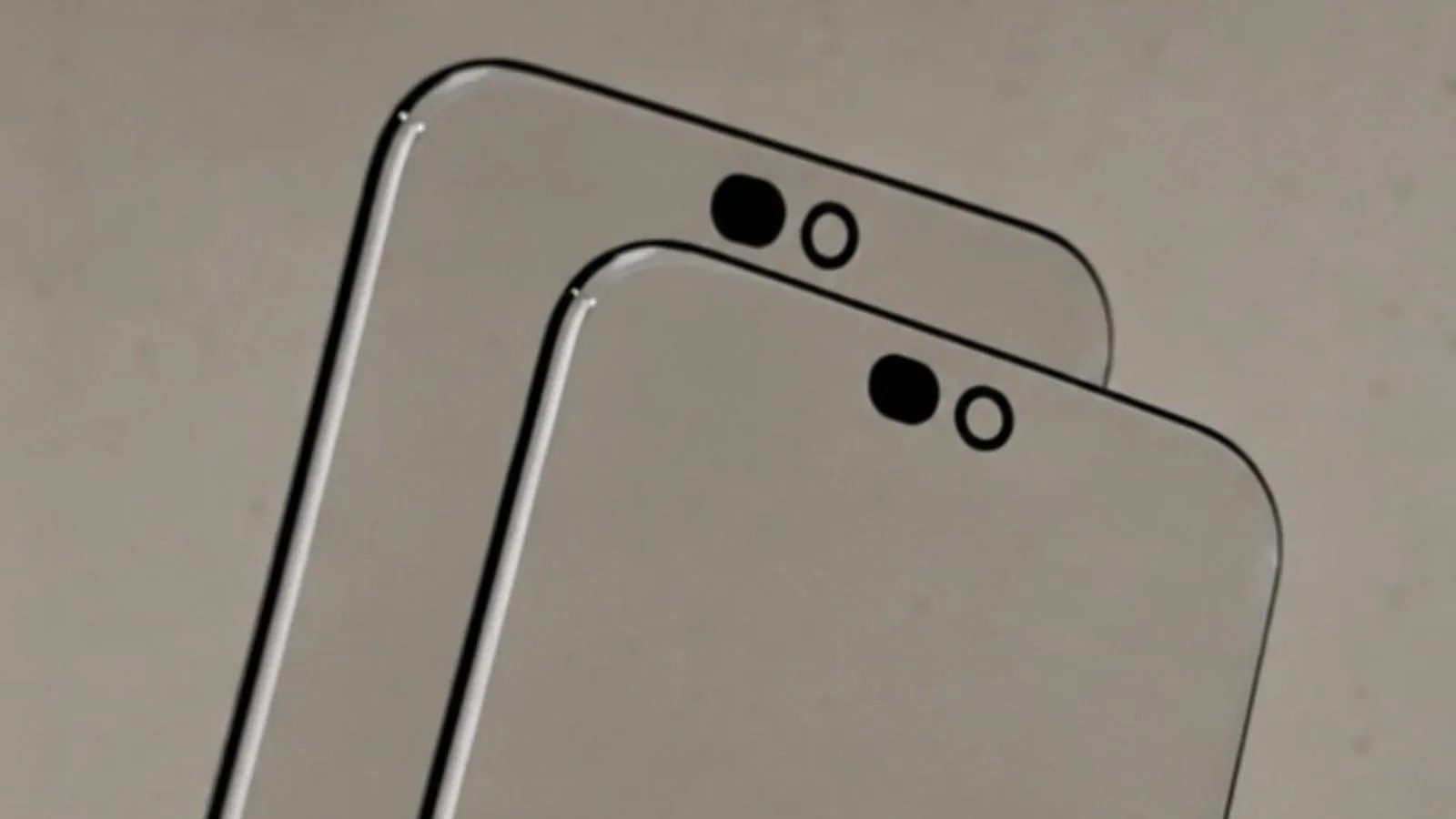
Screen protector samples said to depict Apple’s rumored 20th-anniversary iPhone are circulating online, offering an intriguing—if highly provisional—look at a design that could push the display visually closer to the phone’s edges. The pieces show shallow curves around all four sides, rounded corners, and a notably narrow-looking border around the screen area.
That combination has been described in earlier rumor chatter around Apple’s expected fall 2027 anniversary models. But the important caveat is right at the front: these are not established as Apple-made, final-specification components. They appear more likely to be early manufacturing or concept samples produced around leaked design expectations. They can illustrate the direction suppliers think the industry may be heading without proving the dimensions, materials, or final appearance of a retail device.
What the circulating samples appear to show
The alleged protectors and cover glass pieces point to a screen with what is often called a quad-curved profile. In simple terms, the glass does not terminate in a purely flat plane at any side. Instead, all four edges transition through a gentle curve. This is different from a display that is merely rounded at the corners: the apparent curvature extends along the top, bottom, left, and right boundaries.
One video shared by leaker Ice Universe identified a piece as an approved “3D quad-curved cover glass” sample. Similar-looking samples had been appearing on Weibo and X since early October, including photographs posted October 7 by the Weibo blogger known as 体验more. Those photos showed two sizes and were presented as designs apparently informed by leaked details rather than confirmed Apple components.
Visually, the reported goal is less about turning the display into a dramatically curved panel and more about reducing the perception of a frame. Shallow glass curves, combined with optical refraction—the bending of light as it passes through shaped transparent material—can make the dark boundary surrounding a display seem thinner than it physically is. In other words, the effect may be designed to change what a user sees from normal viewing angles, rather than simply erase every structural edge from the phone.
That distinction matters. “Nearly borderless” is a description of the intended visual impression, not confirmation that a phone would have no bezel at all. The samples suggest an unusually slim-looking perimeter, but they do not establish final screen-to-body measurements or confirm how the design would look once a complete phone, display panel, frame, and software interface are assembled.
Why screen protector samples should be treated cautiously
Accessory-related leaks can be useful because cases, glass covers, and protectors must eventually match a product’s physical outline. Yet they are also particularly easy to misread. Accessory makers and materials suppliers often explore possibilities early, before a device is finalized and before they have access to official dimensions.
For a rumored iPhone redesign, experimental glass can serve several practical purposes. It may let a manufacturer test whether a certain curve can be formed consistently, how a coating behaves at the edge, whether packaging can safely protect the item, or how an installation frame would need to align it. None of those exercises require the sample to be a final Apple-approved part for a finished retail handset.
That is why the most reasonable interpretation is narrow: the pieces offer a physical representation of a widely discussed design direction. They do not independently verify the final iPhone’s proportions, manufacturing process, brand name, or release plan.
The label iPhone 20 Pro itself remains unconfirmed. The expectation attached to the rumor is a fall 2027 launch for Apple’s 20th-anniversary iPhone models, but neither the eventual product name nor its detailed specifications have been established by Apple.
The Dynamic Island may not shrink again
The samples also appear to retain a Dynamic Island area comparable to the narrower version said to have arrived on the iPhone 18 Pro. If that depiction reflects the direction Apple ultimately takes, it would mean the anniversary model could concentrate its visual redesign on the glass perimeter and apparent bezel rather than making another major reduction to the display cutout.
The Dynamic Island is the pill-shaped on-screen region that incorporates front-facing hardware and can expand in software to show status and activity information. Its apparent size is therefore a separate design question from the thickness of the borders around the display. A phone can look more edge-to-edge while retaining a broadly similar cutout at the top.
This interpretation aligns with a prediction from display analyst Ross Young that the smaller Dynamic Island would remain through 2027. Still, a screen protector sample cannot settle that question. It can only show what its maker has chosen to model.
A possible comfort-versus-convenience tradeoff
The most immediate practical implication is not merely cosmetic. Curved-edge glass can make a handset feel less abrupt in the hand, because the transition from front surface to side is softened. Ice Universe characterized the anticipated redesign as a milestone and suggested that easy screen protector installation could give way to a greater emphasis on comfortable grip.
That phrasing captures a real accessory challenge. Flat glass protectors are comparatively straightforward: their edges can sit on a level surface, and alignment tools can guide them into a predictable position. A protector that reaches into a curved edge must precisely follow a three-dimensional contour. Small changes in the final radius of the curve, corner shape, or surrounding frame can affect whether it sits cleanly.
- Full-coverage protectors would need to match the contour closely enough to avoid lifted edges, visible gaps, or interference with a case.
- Flat protectors could leave more of the curved perimeter exposed, preserving simpler installation but offering less edge coverage.
- Installation alignment could become more exacting, since a slight offset on a curved surface may be more noticeable than it is on a fully flat panel.
- Accessory compatibility could depend especially heavily on the final device geometry, which remains unknown.
Those are design implications rather than confirmed outcomes. There is no evidence here that Apple has selected a particular protector strategy, that existing accessories will be incompatible, or that the final handset would be difficult to protect. But the samples make clear why a four-sided curve would present different constraints from a conventional flat-front smartphone.
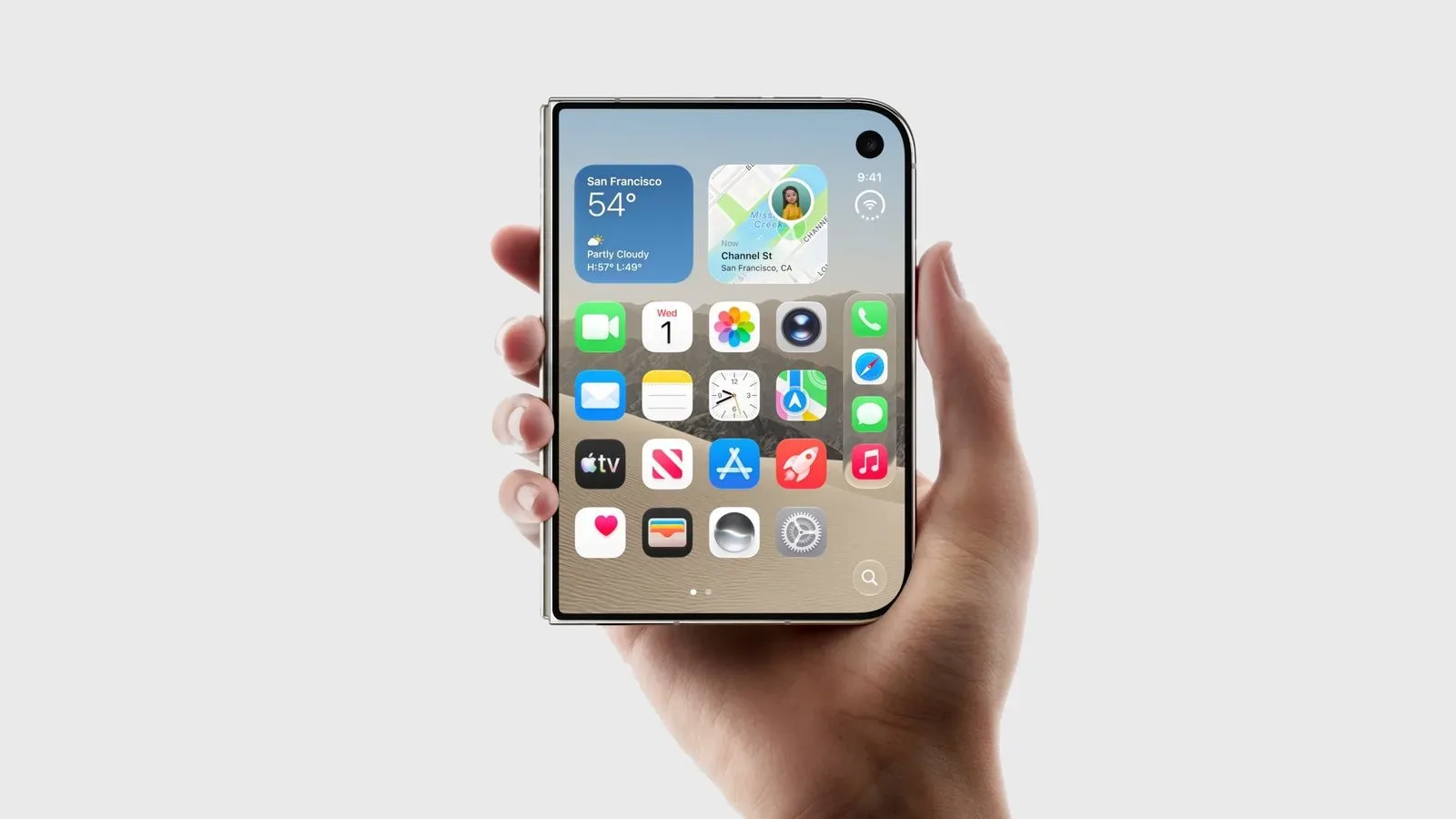
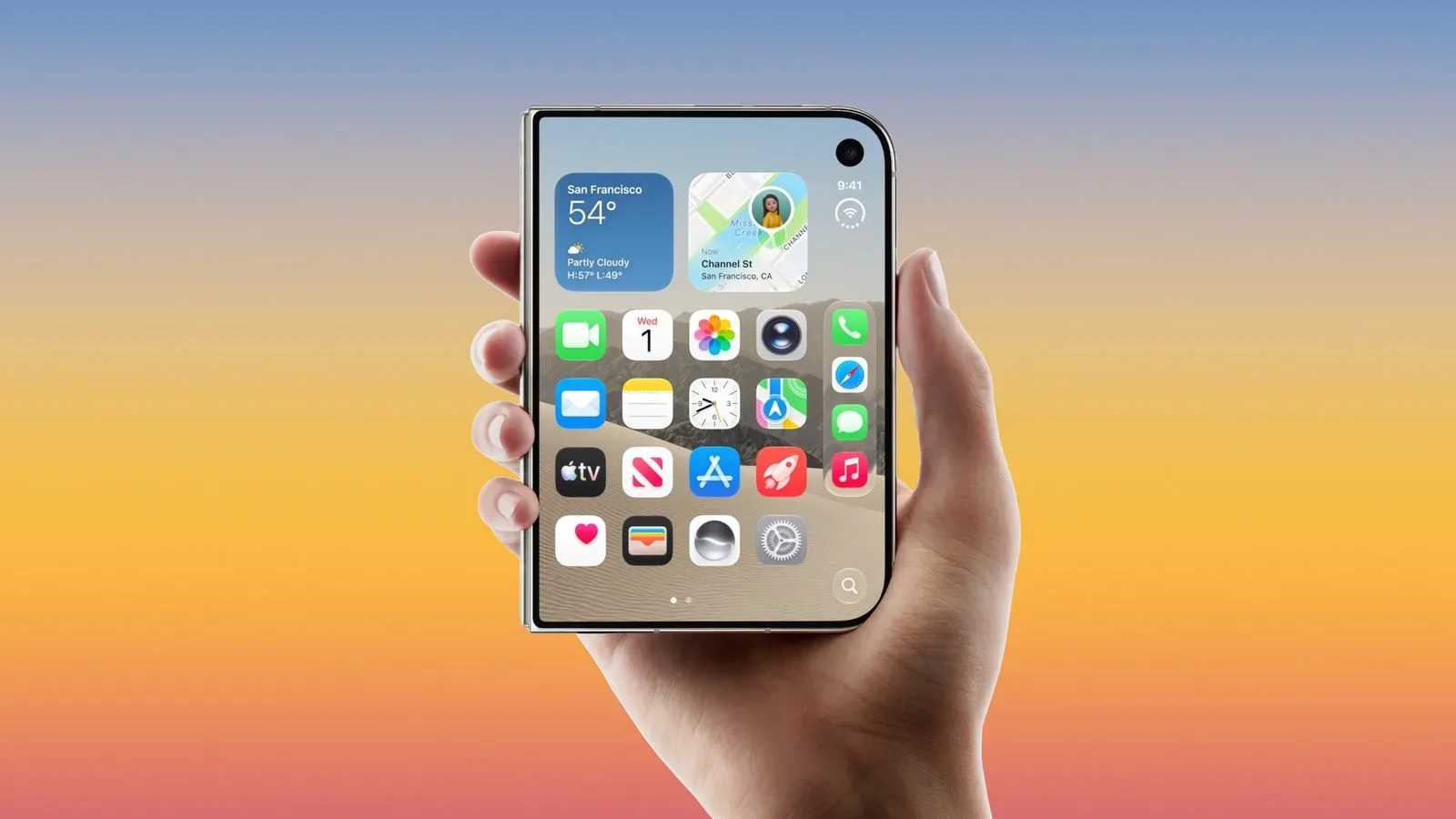
The possibility is also relevant to repair-minded owners. Any redesign involving tightly integrated front glass and unusually specific contours makes accurate replacement-part fit more important. Apple’s broader device repair ecosystem has included direct parts sales in some regions; Joking Joystick has previously covered Apple’s iPhone Duo self-service repair parts sales. That existing context does not reveal anything about the anniversary iPhone’s repairability, but it underlines why final component dimensions matter well beyond the first day an accessory goes on sale.
How the alleged design fits the wider rumor picture
The cover-glass reports are broadly consistent with earlier claims attributed to Ice Universe: shallow curves paired with refraction and other visual effects would make the display borders less conspicuous. Separately, Fixed Focus Digital claimed the anniversary models would use glass similar to that of the iPhone Air, but with more pronounced curvature on all four sides.
Taken together, these claims describe a restrained rather than radically warped design. The key word is shallow. Nothing in the samples establishes an aggressively curved display, and the reported objective appears to be a more continuous visual and tactile transition at the phone’s edges. The difference could be significant in hand while appearing subtle in a front-on product image.
It is also possible for several rumors to be mutually compatible while still being wrong in their specifics. A manufacturer may investigate curved cover glass, suppliers may build test pieces based on incomplete information, and online observers may see a convincing physical object—all before Apple chooses a different curve, a different frame treatment, or an entirely different final approach. The fact that samples have circulated over multiple weeks is interesting, but repetition should not be mistaken for confirmation.
What can be said with confidence—and what cannot
The available material supports a modest conclusion: companies are circulating glass and protector-like samples that portray a future iPhone concept with all-around shallow curves, rounded corners, slim-looking borders, and a Dynamic Island similar in scale to a narrower recent version. That concept is consistent with the current anniversary-iPhone rumor narrative.
It does not support declaring that Apple has finalized a quad-curved iPhone, that these are production-bound parts, or that the company will definitely call the device the iPhone 20 Pro. It also does not establish display size, panel technology, durability, camera hardware, price, regional availability, or an exact launch date beyond the reported expectation of fall 2027.
For now, the clearest takeaway is a small but meaningful one: if Apple does pursue a softly curved, visually edge-minimized front for its 20th-anniversary hardware, accessory makers may face a more demanding fit problem than they do with a flat display. The same geometry that could make a phone look cleaner and feel smoother could make the humble screen protector considerably less humble.