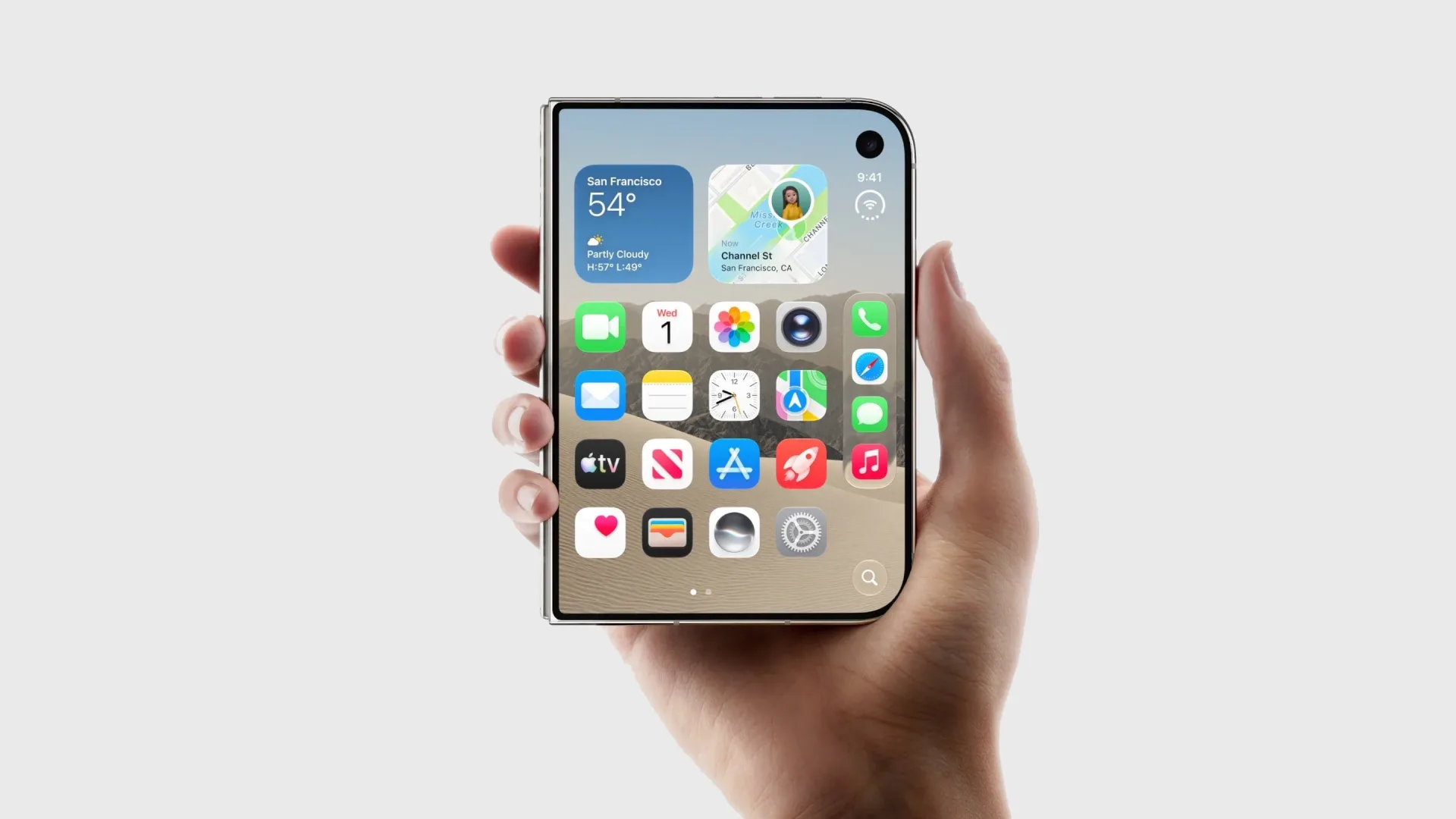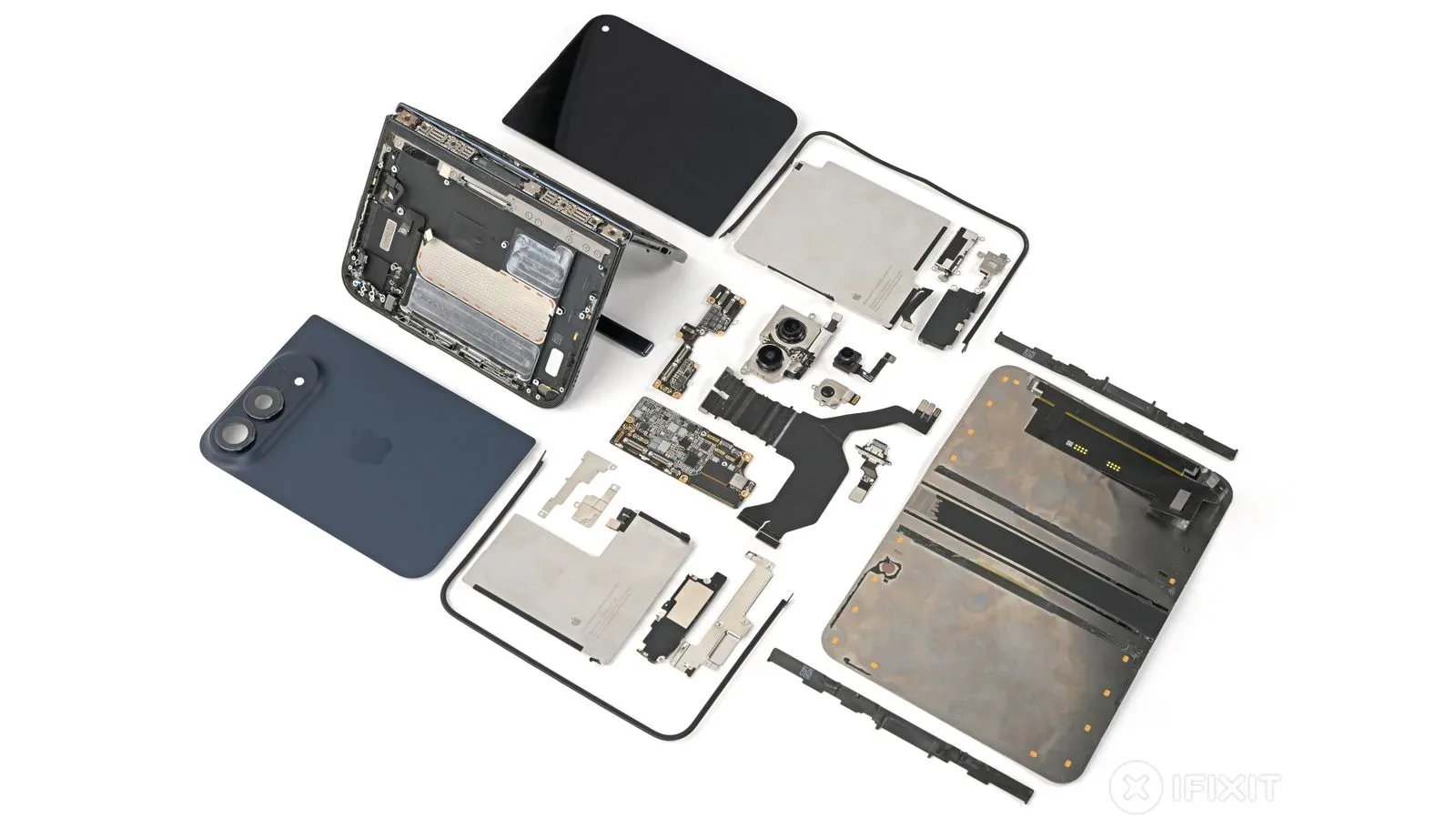
Apple has added the iPhone Duo to its Self Service Repair Store, making repair parts available to customers in the United States, Canada and Europe. Owners who have the required technical confidence can also use Apple’s iPhone Duo repair manual as they work through a repair rather than taking the device to a Genius Bar.
It is a straightforward development with a potentially meaningful practical effect: a person with a damaged iPhone Duo can now obtain parts and tools through Apple’s own repair channel, then follow the company’s documented process at home or in another suitable workspace. The option does not make a repair automatically simple, inexpensive, or risk-free. It does, however, put an official route for self-directed repair in the hands of customers across three regions.
What has changed for iPhone Duo owners
The central change is availability. Apple is now selling iPhone Duo parts on its self-service repair store in the U.S., Canada and Europe. The supplied information also says that tools can be ordered, and that Apple provides an iPhone Duo repair manual.
That combination matters because a repair is more than the replacement component alone. A successful do-it-yourself job generally depends on three separate pieces:
- The replacement part: the component intended to take the place of the damaged one.
- The appropriate tools: the equipment needed to open, handle, remove, and install components during the procedure.
- A documented process: instructions that establish the intended sequence of steps.
Apple’s self-service option addresses each of those categories at a basic level for iPhone Duo repairs: parts are for sale, tools can be ordered, and a dedicated manual is available. That is the core of the news; no particular components, tool list, repair prices, repair duration, or difficulty ratings have been specified here.
Self-service repair does not mean every owner should repair a phone
“Self-service repair” describes an arrangement in which an owner obtains repair materials and performs the work independently. It should not be read as a promise that every iPhone Duo repair is suitable for every owner, or that the result will necessarily be cheaper than professional service in every situation.
The available information specifically frames the program for customers with the know-how to follow the manual. That qualification is important. Technical know-how can include the ability to read instructions closely, keep track of small parts, select and use tools carefully, and recognize when a procedure exceeds one’s comfort level. It also means accepting responsibility for the work rather than expecting the convenience of a standard counter-service visit.
For some owners, the appeal will be autonomy. They may prefer to schedule the work on their own time, study the procedure before starting, and avoid making a trip to a Genius Bar. For others, the very same details will point toward professional help: a repair involving unfamiliar hardware can be intimidating, and the value of a technician’s experience may outweigh the attraction of doing it personally.
Before placing an order
The sensible first step is to consult the iPhone Duo repair manual before buying anything. The manual is the practical reference point for understanding the scope of a job and determining whether a customer is equipped to do it. Reading it in advance can help an owner identify which parts and tools are relevant, rather than beginning with assumptions about what the repair requires.
It is also worth separating a repair need from an urge to experiment. The self-service program creates an official option for qualified customers; it does not oblige anyone to use it. An owner who cannot confidently follow the documented steps can still choose a Genius Bar visit instead.
That choice is particularly relevant for a device people rely on daily. A phone is often a communications device, a camera, an authentication tool, and a way to access services. Even without making assumptions about the iPhone Duo’s construction or any specific repair procedure, the practical implication is clear: interrupting access to such a device carries consequences, so preparation has value.
Why the manual is as important as the parts
A repair manual is not merely supplementary reading. In a self-repair setting, it is the operational guide that connects the ordered parts and tools to the actual task. It gives a customer a defined process to follow instead of asking them to improvise around a sealed consumer device.
For iPhone Duo owners, Apple’s manual provides the company’s own steps for supported repairs. That can make the self-service store more useful than a parts listing alone, because the purchaser is not left to infer the intended order of work. It also gives prospective DIY repairers a chance to assess the process before committing to it.
There is an important limit to this point: the existence of a manual does not establish that a repair is easy. Instructions can be detailed precisely because a job needs care. Customers should treat the manual as a decision-making resource as well as a repair resource. If the steps or tools appear beyond their experience, choosing professional support is a valid outcome.
Regional availability and what it means
The iPhone Duo parts offering covers the United States, Canada and Europe. Those regions represent the stated availability for the new parts sales; the information provided does not establish availability elsewhere. Owners outside those areas should not assume that the same store access, parts catalog, or tool ordering arrangements apply to them.
Likewise, the report does not state which individual repairs are supported, whether every part of the phone is sold separately, or whether availability varies among countries within Europe. Those are details customers should verify directly through the self-service store and the relevant repair documentation before planning a repair.
The regional rollout nevertheless gives eligible iPhone Duo users a more direct maintenance route than simply arranging an in-person appointment. It creates a choice between a managed service visit and a customer-led repair process, with Apple-supplied parts, tools and documentation at the center of the latter.
A practical checklist for prospective DIY repairers
- Identify the problem carefully. Do not order a component until you have a clear understanding of the issue you are trying to address.
- Read the iPhone Duo repair manual first. Use Apple’s instructions to understand the process before purchasing parts or tools.
- Check the applicable storefront. Confirm that the necessary items are available for your region in the U.S., Canada or Europe.
- Decide honestly whether you have the know-how. The program is intended for people able to complete the documented work themselves.
- Choose the route that fits the repair. If the procedure feels unsuitable, a Genius Bar visit remains the alternative identified for iPhone Duo owners.
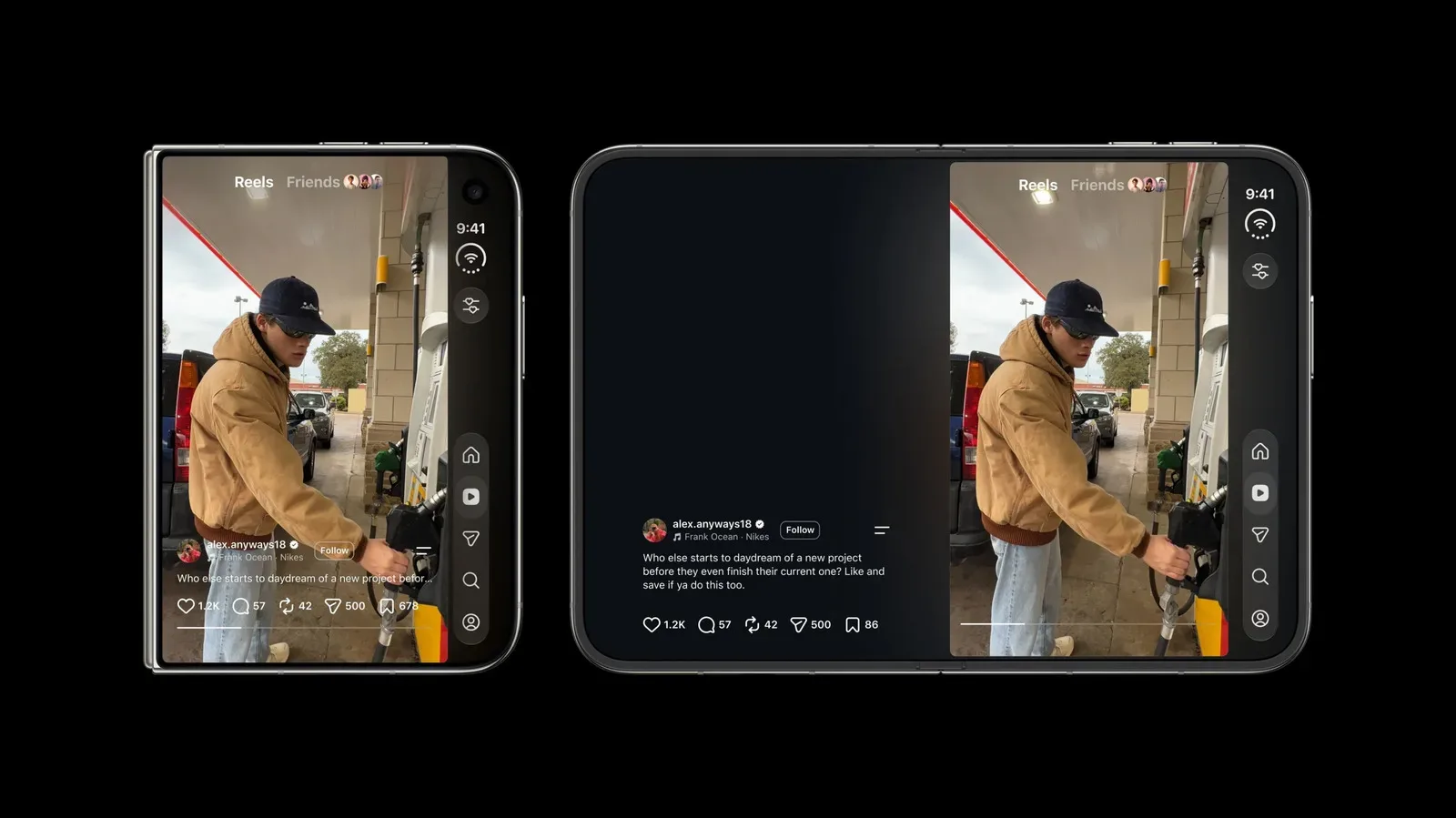
The announcement also lands amid wider attention on the iPhone Duo’s software experience. For related context on how apps are adapting to the device, see our look at Instagram’s iPhone Duo interface issue.
For now, the key takeaway is narrow but useful: iPhone Duo owners in the U.S., Canada and Europe have an official self-service route to order repair parts and tools, backed by an Apple repair manual. It expands the range of repair choices, while leaving the decision about who should carry out the work where it belongs—with the owner’s skill level and comfort with the procedure.