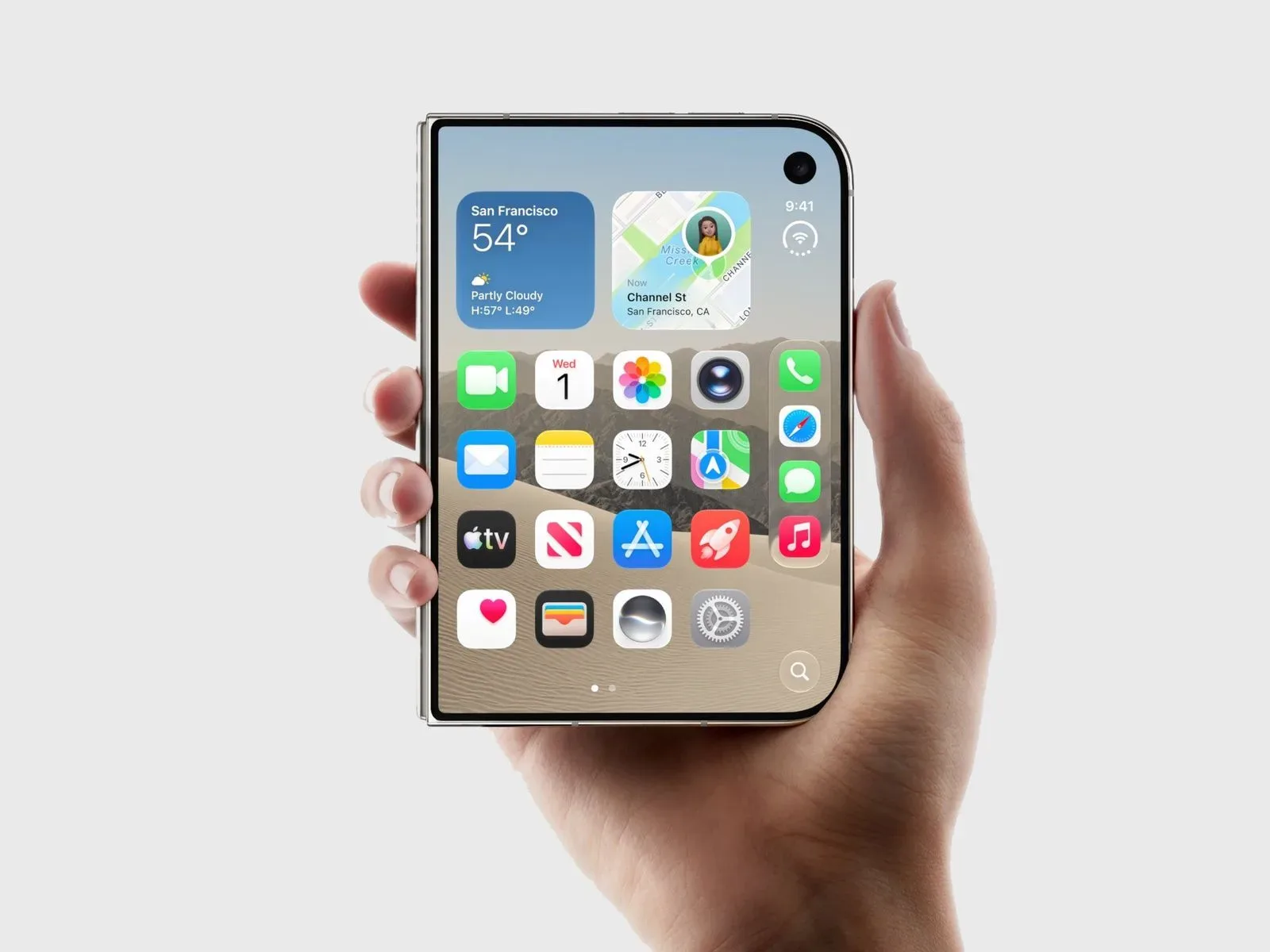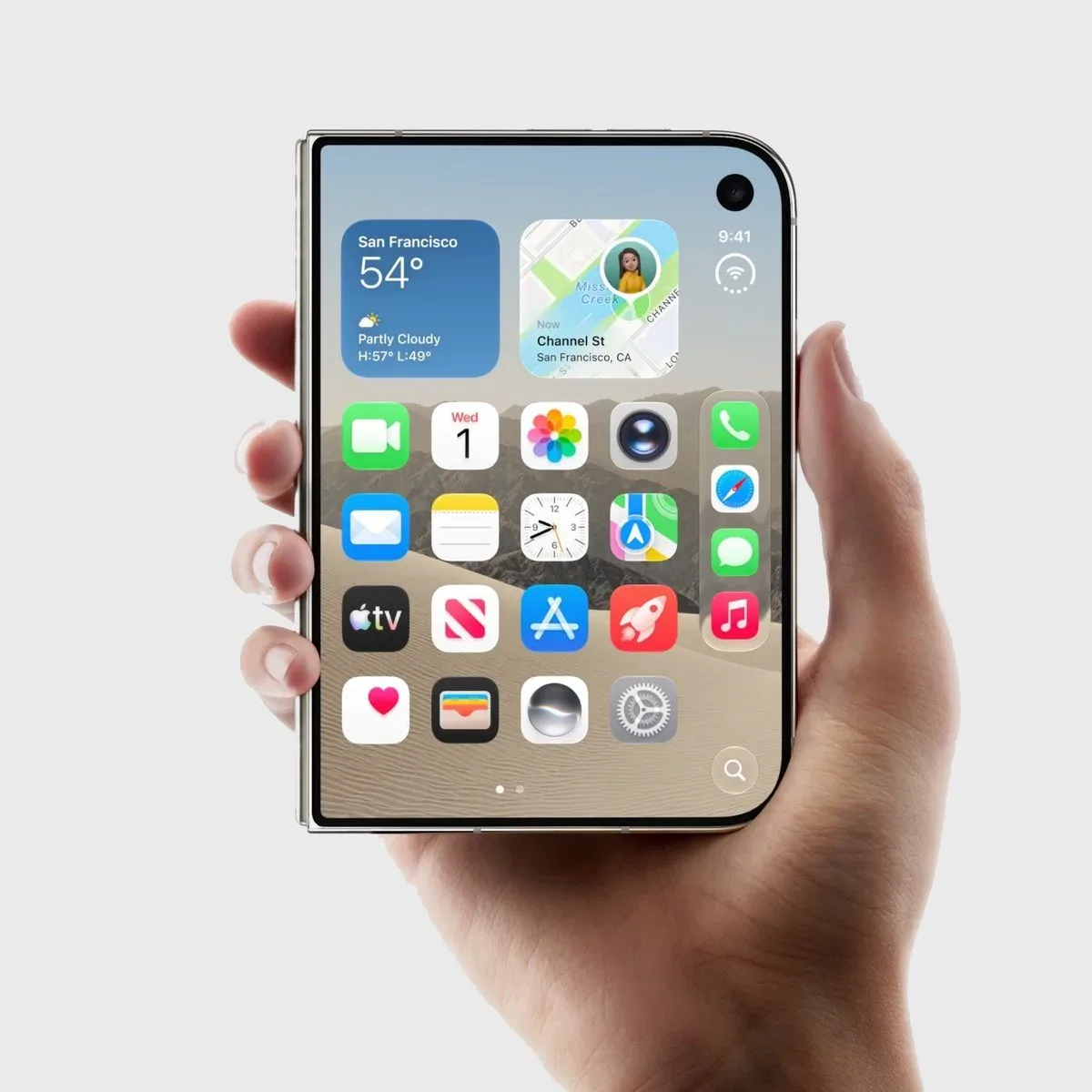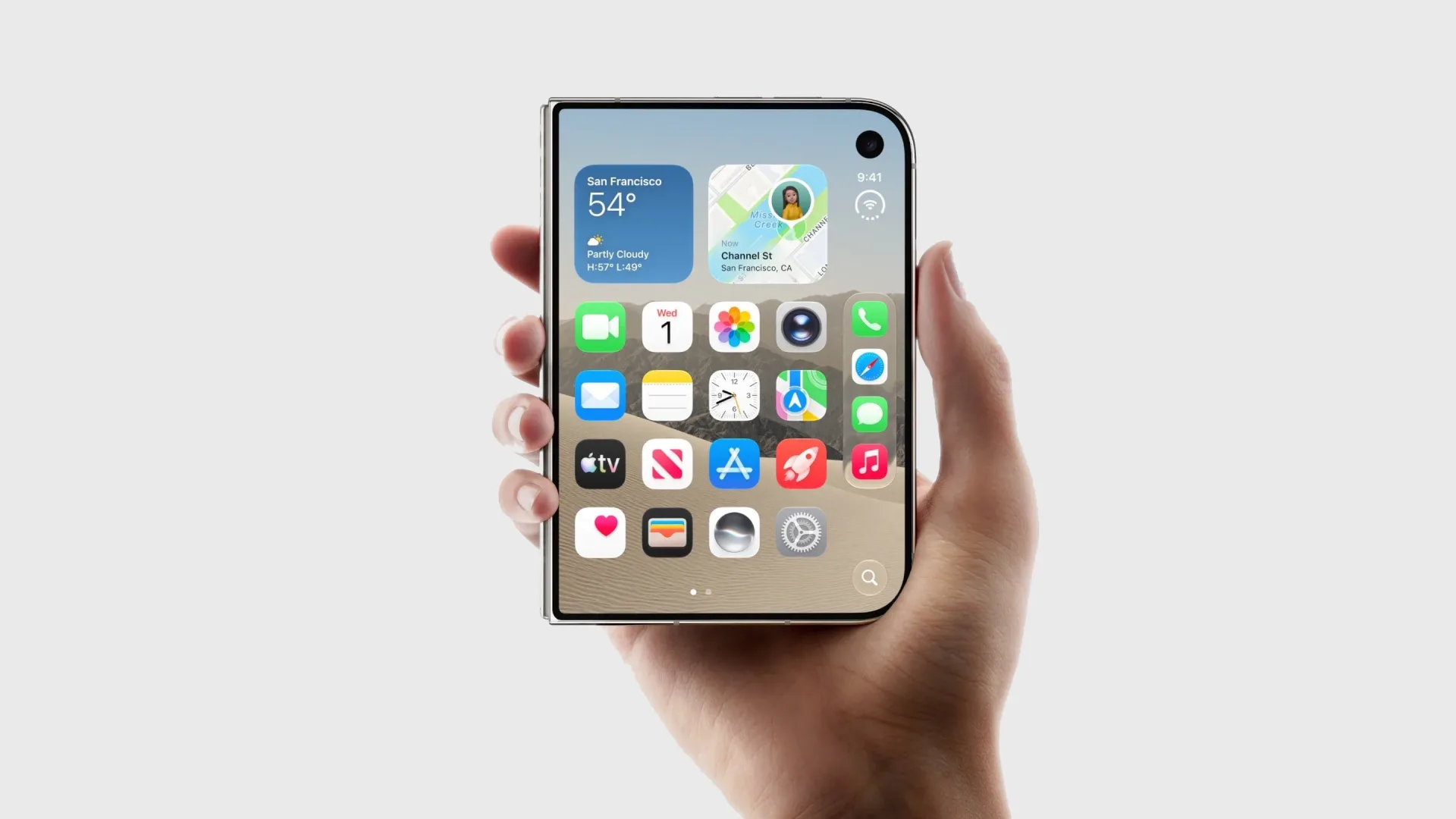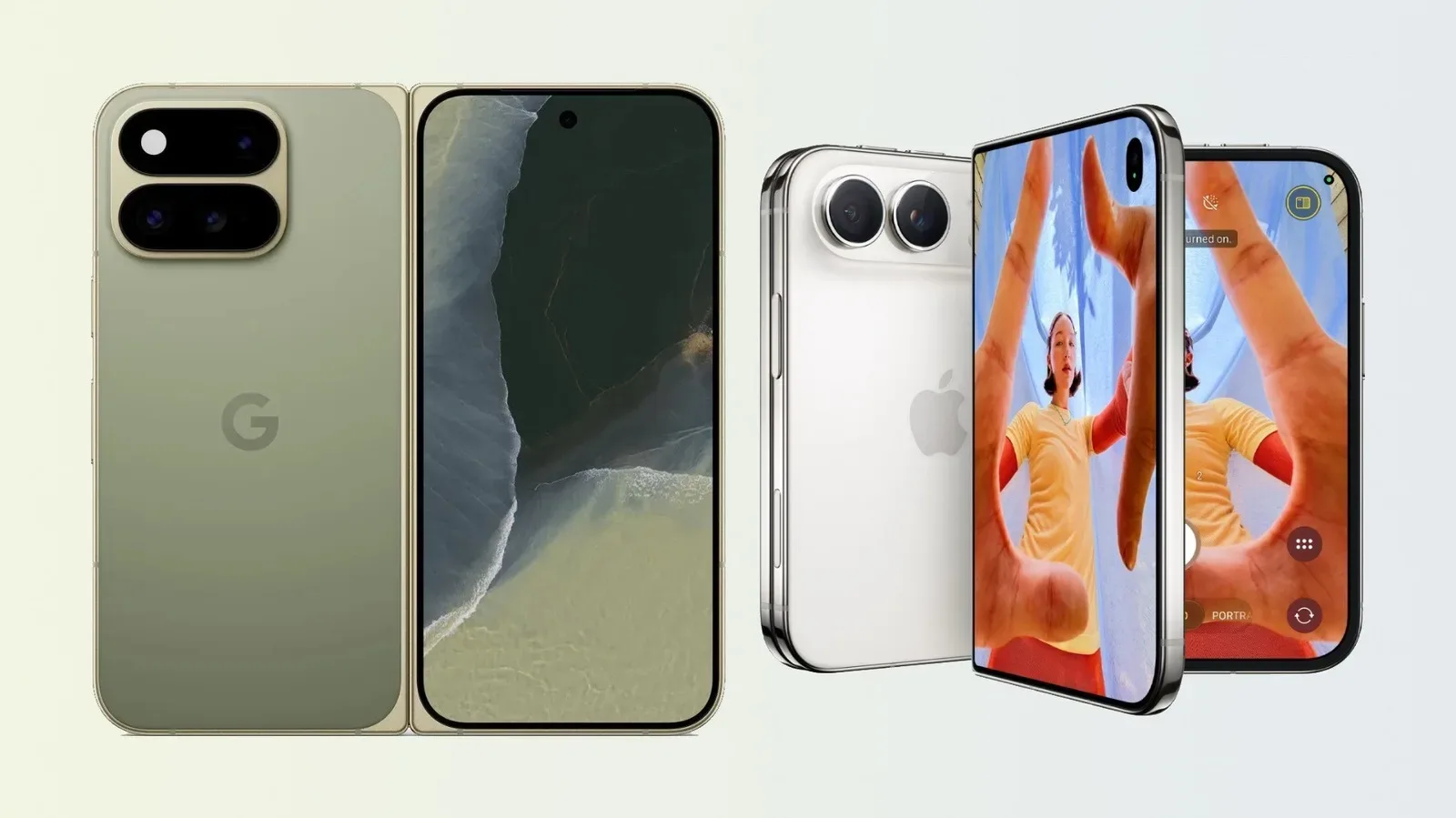
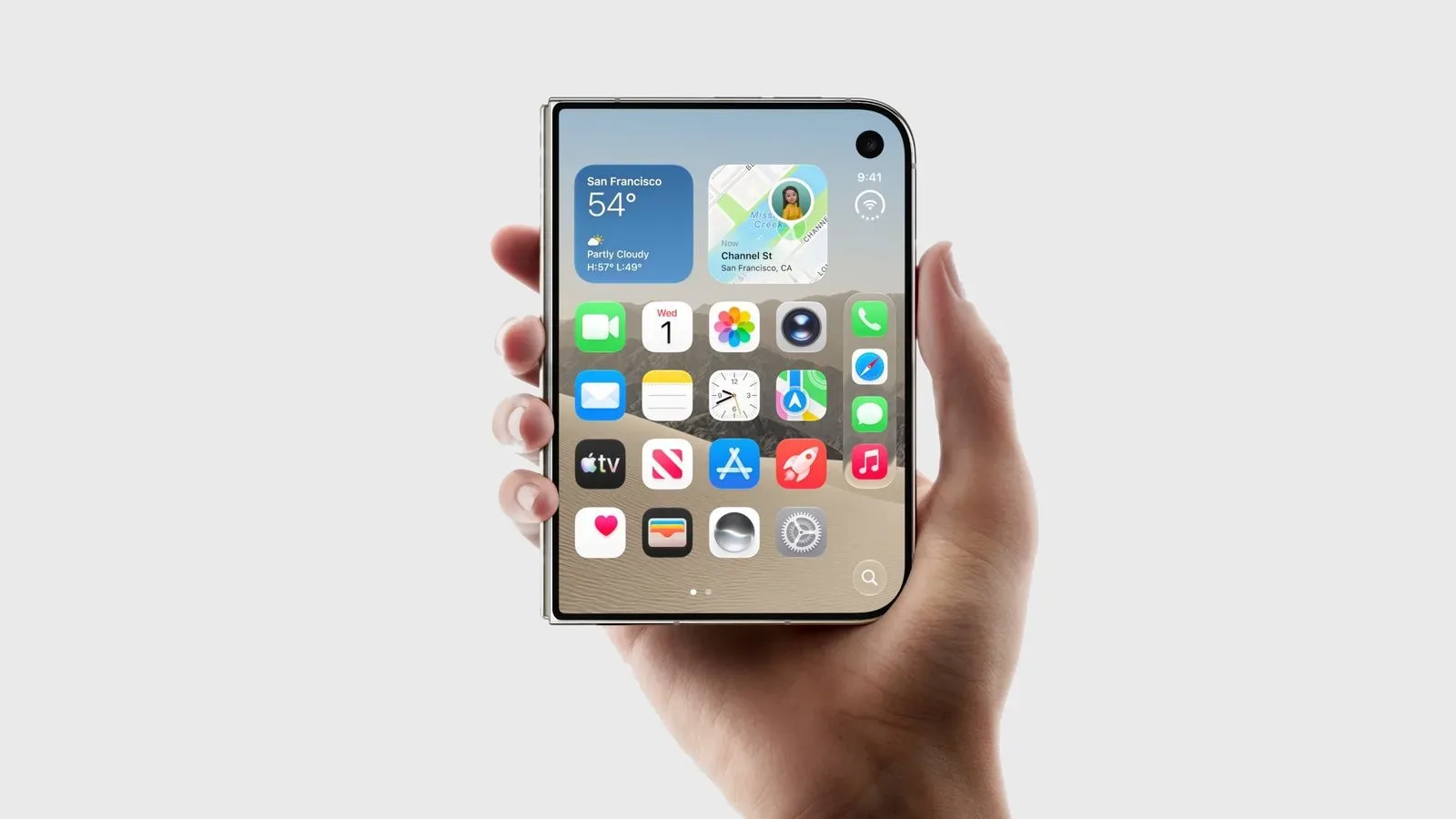
Apple is reportedly pursuing four major upgrades for future iPhone Duo models: Face ID on the outer display, an Action button, a telephoto camera, and a thinner, lighter design. The list is notable less as a confirmed product specification than as a snapshot of the practical compromises Apple appears to be trying to solve in a device with an outer display.
The most immediate wrinkle is timing. Prototype iPhone Duo 2 units reportedly exist with Face ID on that outer display, but the feature may not be finalized in time for that model. If that happens, outer-display Face ID could instead wait for an iPhone Duo 3.
That distinction matters. A prototype demonstrates that a concept has been built; it does not establish that the part, software behavior, durability, manufacturing process, and final product design have all been approved. Until Apple itself identifies a product and its capabilities, every item on this reported roadmap should be treated as a goal rather than a promise.
Why outer-display Face ID is the headline feature
Face ID is Apple’s face-authentication system. In the reported plan, the important detail is not simply that Face ID could be present, but that it could be placed on the outer display—the screen specifically described in the report.
That placement could potentially make authentication more direct when a person is using that display. It also presents a design challenge: the authentication hardware needs to work reliably while fitting into a device whose space, layout, and weight are evidently still under scrutiny. The report does not identify the technical obstacle, nor does it say whether the feature has been cancelled for the second model. It says only that Apple is running short of time to finalize it.
“Finalize” is doing plenty of work here. Product development is not a simple switch from prototype to store shelf. A feature can be technically functional yet remain unsuitable for the shipping product because it affects component integration, reliability, size, weight, manufacturing, or the intended user experience. None of those specific reasons has been confirmed in this case, but the possibility of a delayed rollout shows why prototype sightings and product features should not be treated as interchangeable.
The Action button would point to faster physical controls
The reported addition of an Action button suggests Apple wants another physical control available on the iPhone Duo. In plain language, an action button is a dedicated button intended to trigger a selected function rather than serving only one traditional phone-control role.
The report does not say which functions would be available, whether the button would be configurable, or where it would sit on the device. Those details are important because a physical button’s usefulness depends on reach, feel, accidental presses, and how it behaves in different orientations. Still, the basic appeal is easy to understand: a dedicated control can reduce the number of on-screen steps needed for a task.
For players who use a phone alongside games, that prospect is intriguing but should not be overstated. The report does not claim an Action button would be designed for gaming, act as a controller input, or add any specific game-related feature. It is better viewed as a potential convenience control whose eventual function remains unknown.
A telephoto camera would broaden the camera system
Apple is also reportedly aiming to add a telephoto camera. A telephoto camera is designed for a narrower field of view than a standard wide camera, allowing a subject to appear closer without requiring the photographer to physically move nearer.
That can be useful for portraits, distant subjects, and situations where getting closer is inconvenient. But the report gives no specifications: there is no stated zoom level, sensor size, image-processing behavior, aperture, or indication of how the camera would compare with any other iPhone model. Those omissions are not minor; they are exactly the details that determine how meaningful a telephoto upgrade is in use.
There is also a straightforward hardware tension in the reported wish list. Camera hardware takes physical space, while reducing thickness and weight generally requires careful decisions about every component. The report does not explain how Apple would balance those priorities. It simply establishes that the company’s apparent ambitions include both a more capable telephoto camera and a slimmer, lighter device.
Thin and light is a design target, not just a spec-sheet flex
The fourth reported goal may be the broadest: a thinner-and-lighter design. Thinness and weight can sound like marketing shorthand, but they influence how a device feels during everyday use. A lighter device can be less tiring to hold, while a thinner one can be easier to carry and may feel less cumbersome in a pocket or bag.
At the same time, a smaller physical footprint inside a device can create engineering trade-offs. Space must be allocated among displays, cameras, authentication components, buttons, and other internal hardware. The report does not provide measurements, battery information, or durability claims, so there is no basis to judge how much thinner or lighter a future iPhone Duo might become—or what compromises could accompany the change.
That uncertainty makes the four-item list more interesting than a conventional feature rumor. It is a set of goals that may compete with one another. An outer-display authentication system, a telephoto camera, an additional physical button, and a slimmer body all need room and integration. The eventual product, if and when Apple announces it, would reveal which priorities made the cut and how they were reconciled.
What the iPhone Duo 2 timing report actually says
The report’s most concrete generational claim concerns Face ID. Apple has reportedly developed iPhone Duo 2 prototypes featuring Face ID on the outer display. However, the company may be unable to complete work on the feature in time for iPhone Duo 2, potentially pushing it to iPhone Duo 3.
That is not confirmation that iPhone Duo 2 will lack Face ID, nor is it confirmation that an iPhone Duo 3 will ship with it. It is a report about a development schedule under pressure. The difference is crucial for anyone tempted to make a purchase decision around unannounced hardware: product planning can change, and features in prototypes can move between generations or disappear altogether.
It also means there is no supported basis here for claims about launch timing, pricing, display sizes, camera counts beyond the telephoto goal, performance, battery life, or software features. None of those details was provided. A disciplined reading of the report stays focused on the four stated objectives and the specific uncertainty surrounding outer-display Face ID.
Practical takeaway for Apple watchers
For now, the clearest takeaway is that Apple’s reported direction for the iPhone Duo centers on usability and hardware refinement rather than a single headline specification. Face ID on the outer display could make authentication more convenient; an Action button could offer a faster physical shortcut; a telephoto camera could extend photographic flexibility; and a thinner, lighter build could improve handling.
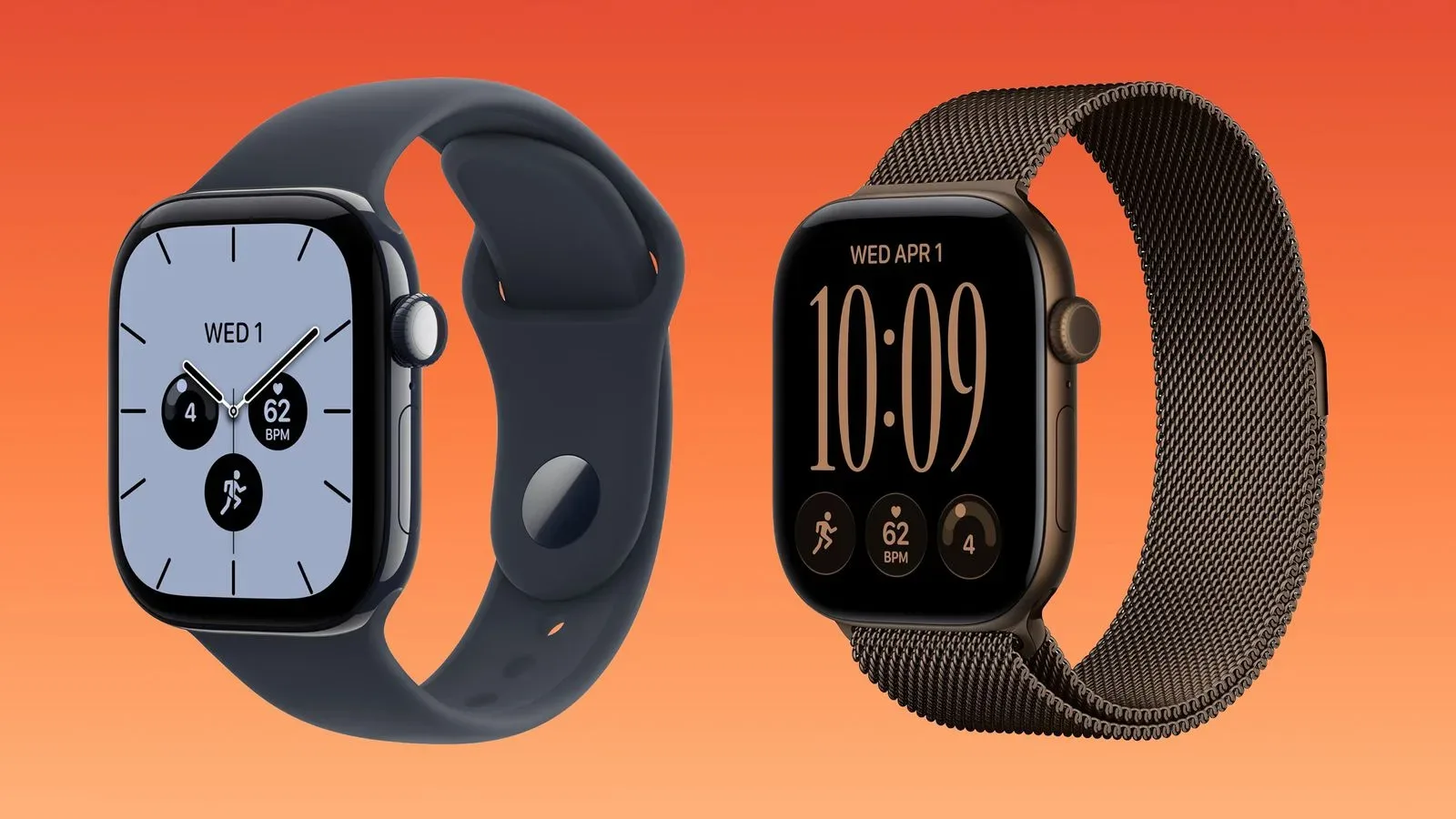
Yet the Face ID timeline is also the story’s caution flag. Prototype development does not erase schedule risk. Anyone following Apple’s broader hardware ecosystem can also keep an eye on current-device coverage, including recent Apple Watch Series 12 deals, but the iPhone Duo details themselves remain firmly in the reported-and-unannounced column.
Until Apple provides official information, it is sensible to separate the reported priorities from confirmed product plans. The outer-display Face ID question is the one to watch: it is reportedly far enough along to appear in prototypes, but not necessarily far enough along to make the next iPhone Duo generation.