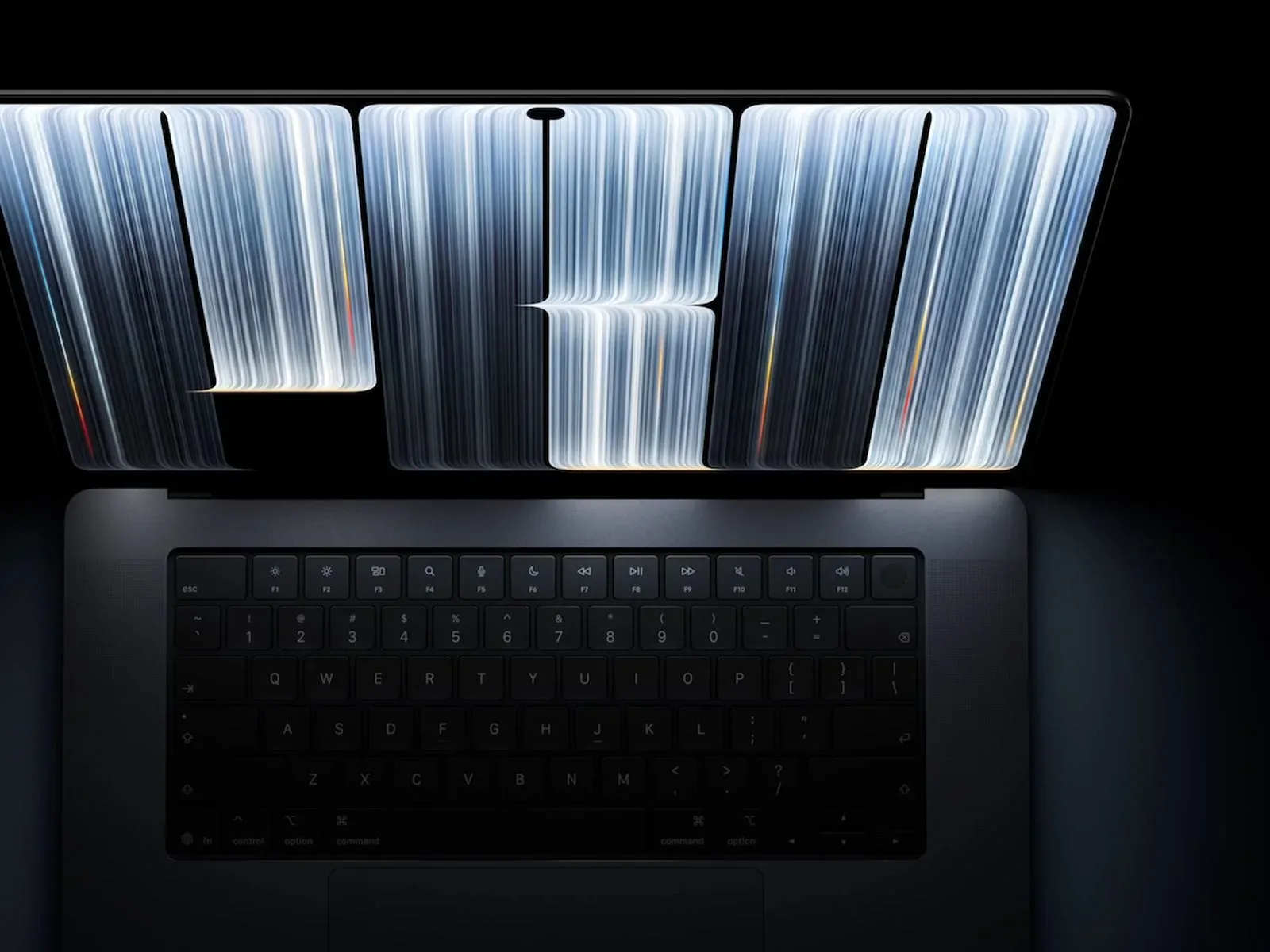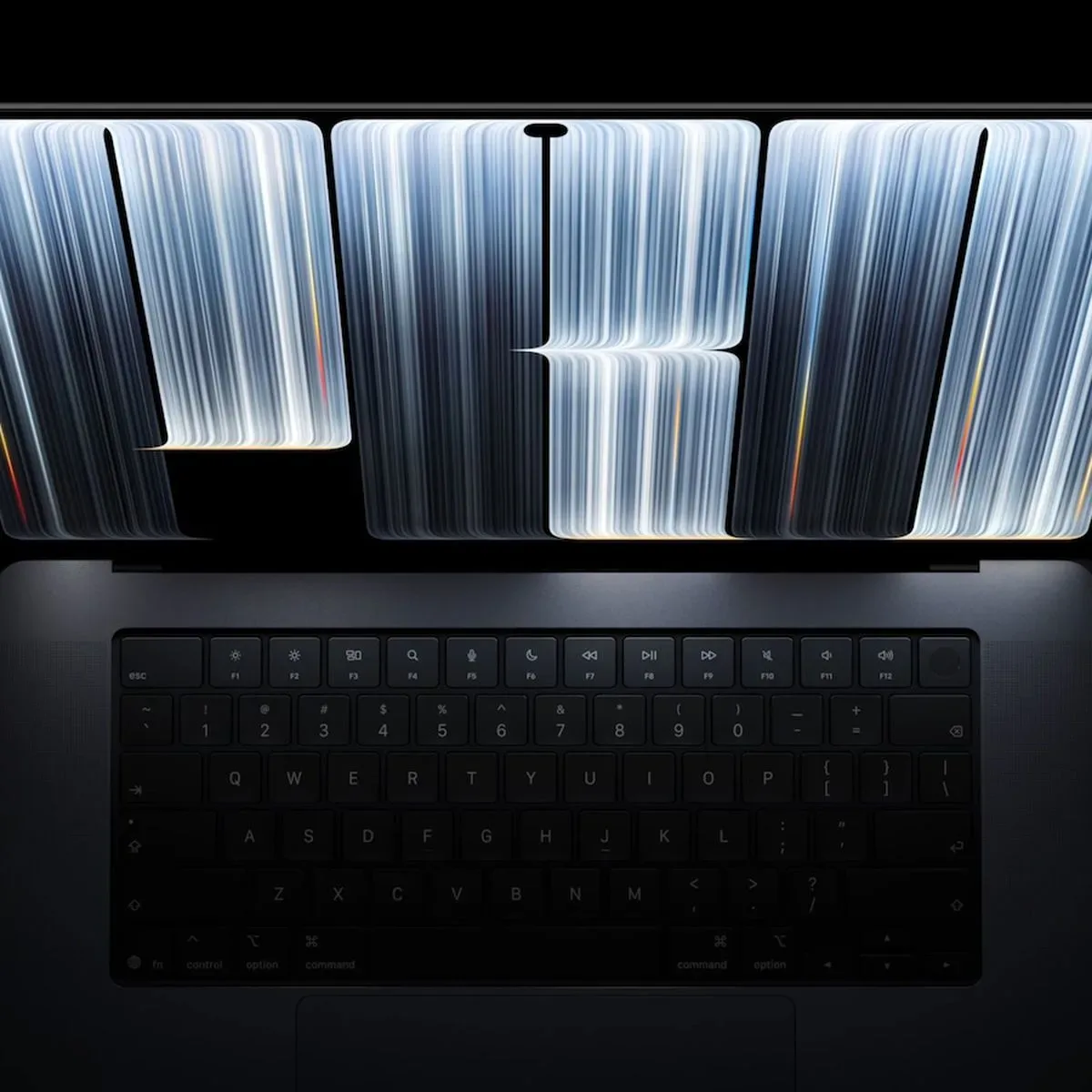
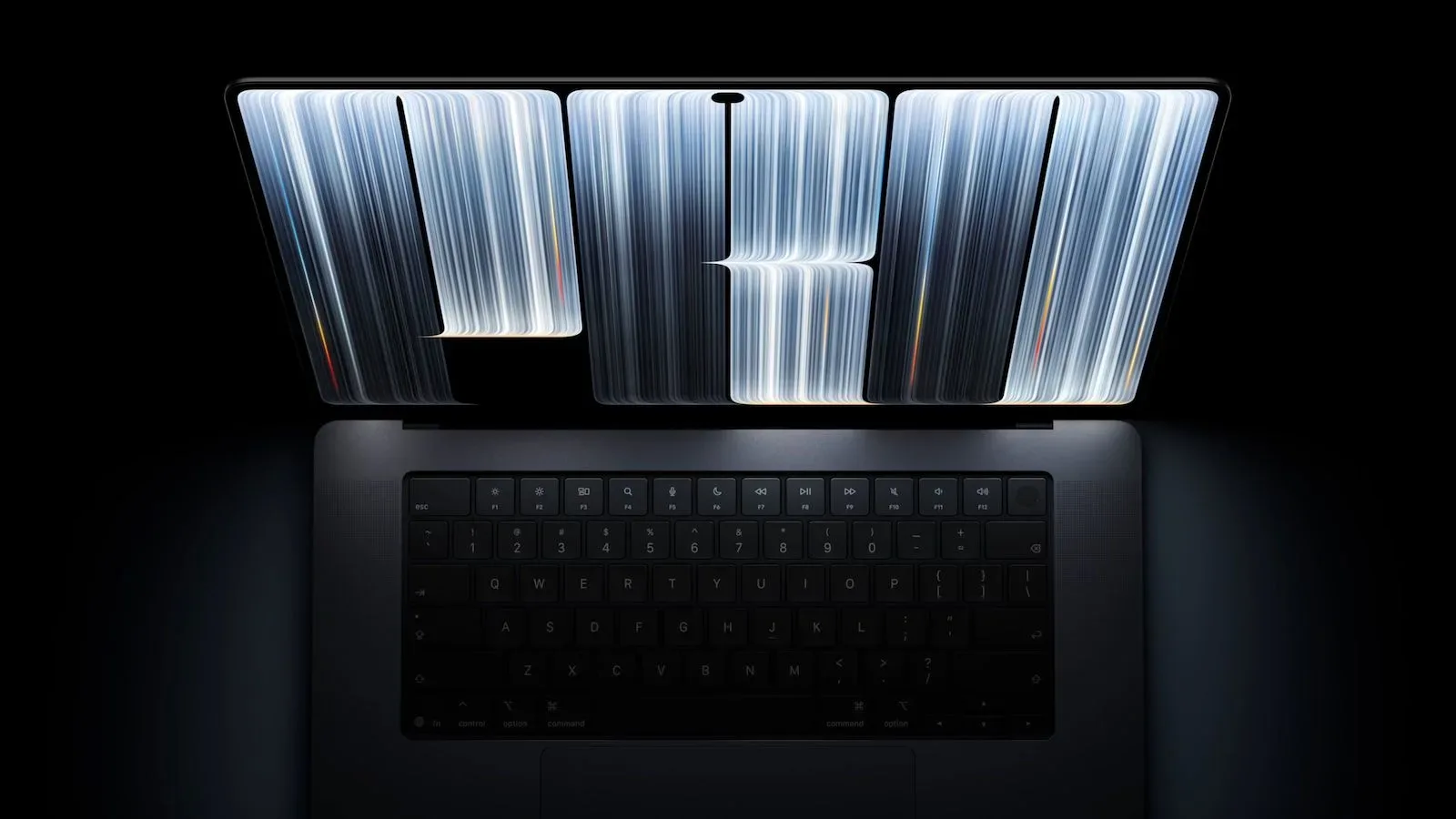
The MacBook Pro models equipped with Apple’s PROLED XDR display have begun reaching customers, and a closer look at the hardware points to a deliberately narrow revision: familiar M5 Pro and M5 Max performance, combined with several physical changes that alter the machine’s design and construction.
The most important clarification for buyers weighing a PROLED XDR model against a mini-LED version is that the display choice does not appear to bring a processor-speed upgrade. The machines are offered with the same M5 Pro and M5 Max chips as their mini-LED counterparts, and early Geekbench 7 results place equivalent M5 Max configurations almost on top of one another.
M5 Max results are effectively level across the two display versions
Average Geekbench 7 multi-core CPU scores listed for the 16-inch M5 Max models are 34,988 for the mini-LED MacBook Pro and 34,904 for the PROLED XDR version. Both use an 18-core CPU.
- 16-inch MacBook Pro, mini-LED, M5 Max: 34,988
- 16-inch MacBook Pro, PROLED XDR, M5 Max: 34,904
That 84-point gap is tiny in relation to scores around 35,000. It supports the straightforward expectation created by the shared chip specification: this is not a situation where the PROLED XDR machine should be presumed faster simply because it carries a new display type.
Multi-core CPU performance refers to work that uses multiple processor cores at once. A benchmark is a standardized workload intended to provide a comparable numerical measurement, rather than a complete account of every task a person might perform. In this case, the listed results are useful chiefly as a like-for-like check between two 16-inch M5 Max configurations. They should not be stretched into claims about graphics performance, battery life, display quality, sustained workloads, or every individual application; those details are not established by the figures provided here.
For practical shopping, the takeaway is unusually clean. Anyone deciding between these display variants can treat CPU throughput as essentially the same on the evidence currently available, then focus their attention on the display and the revised physical details. This distinction matters because model names and a new panel technology can imply broader internal changes than the benchmark data actually indicate.
A smaller screw count changes the underside
The bottom cover has also been reworked. It now has slightly recessed feet and is secured by four pentalobe screws, down from eight on previous models. Pentalobe describes the specialized screw-head pattern Apple uses on this portion of the laptop.
The four-screw design is a conspicuous change for anyone looking closely at the chassis. Fewer fasteners and altered feet make the underside look and feel different from the preceding layout, even though they do not, on their own, tell us how easy any internal service will be. A reduced screw count is a construction detail, not proof of repairability, upgrade options, or a particular method of opening the machine. Those conclusions would require more information than is presently available.
Still, it is a meaningful detail for owners who pay attention to the physical object rather than just its specification sheet. Laptop revisions often concentrate on the visible screen or the processor badge; here, the base receives its own measured redesign.
Larger speakers, with Apple claiming deeper bass
Beneath that revised bottom cover are larger speakers. Apple says the speakers deliver 50% deeper bass.
Bass is the lower-frequency portion of sound: the part associated with weight in music, impact in effects, and fullness in voices or ambience. “Deeper bass” is therefore a description of low-frequency extension or presence, not a claim that every kind of sound will become 50% louder or clearer. The percentage is Apple’s stated figure, and no independent listening or measurement information is established here.
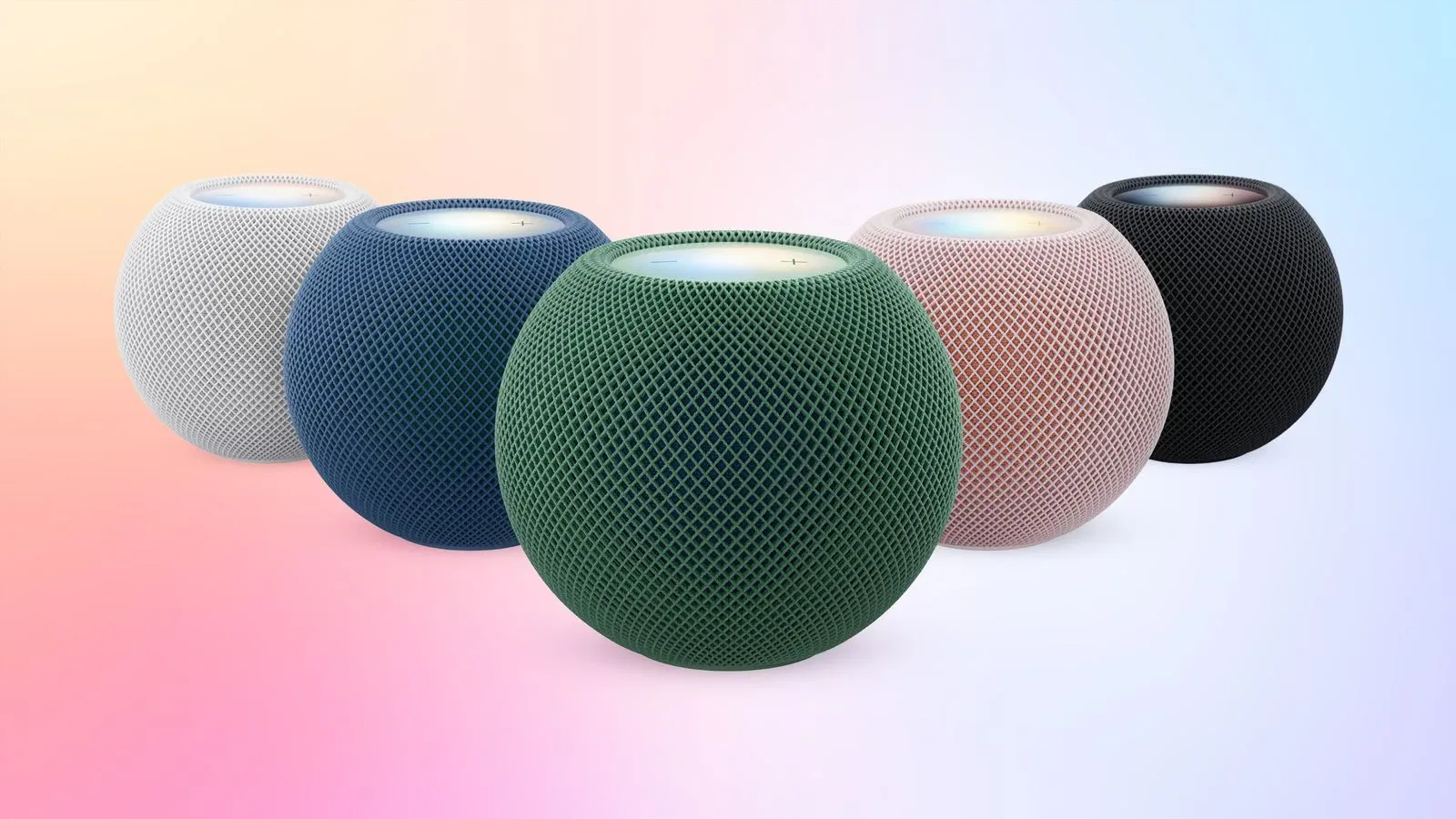
It is nevertheless an update worth tracking because speakers are an everyday part of a portable computer. A better low end could be relevant for video, music and games, but prospective buyers should separate the confirmed hardware point—larger speakers—from the manufacturer’s performance claim. For a wider look at Mac-related audio concerns on another Apple device, see reports of Mac audio dropouts involving HomePod mini 2.
Rounded bottom display corners make the shape more consistent
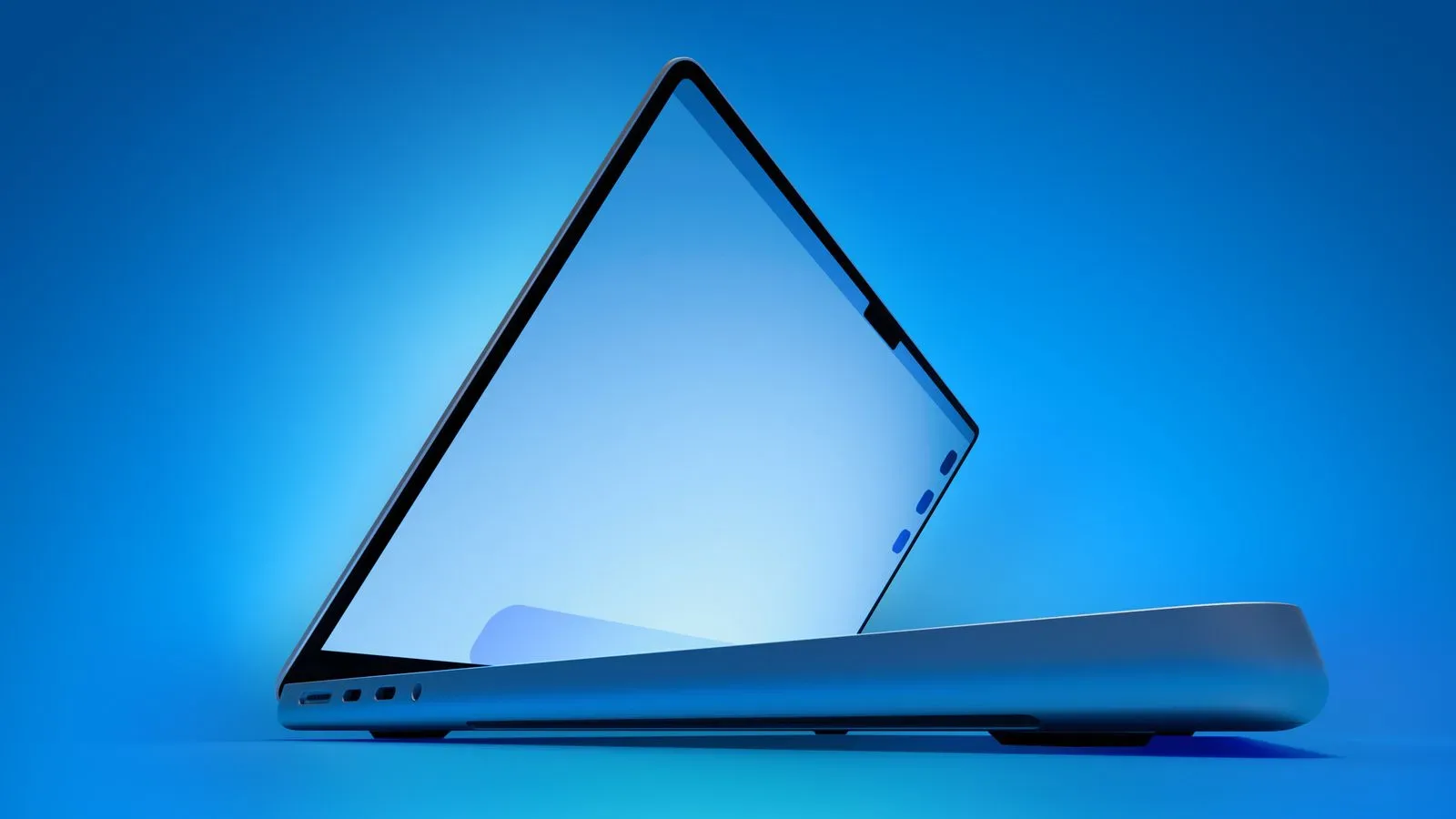
One of the easiest changes to miss sits at the lower edge of the display. The PROLED XDR MacBook Pro now has rounded bottom corners, whereas the mini-LED display design has rounded corners only at the top. Extending the curvature to the bottom makes the display’s outline more uniform.
This is primarily a design refinement, but that does not make it trivial. The lower corners are part of the shape users see whenever the laptop is open, and symmetry can change the perceived coherence of a product even when it leaves processing performance untouched. It also gives owners a quick visual cue that distinguishes the newer display assembly from the mini-LED version.
There is no need to invent a technical advantage for the change. The evidence supports a cleaner, more consistently rounded presentation; it does not establish a functional benefit from the newly rounded lower corners.
The illuminated logo returns for a very direct reason
Apple has also brought back an illuminated logo. When asked why, an Apple representative offered an admirably uncomplicated answer:
“Because it’s awesome.”
It is a short response, but it frames the broader revision neatly. Not every hardware choice is about a benchmark, a core count, or a measurable workflow gain. Some are about recognizable visual identity and the pleasure of using an object whose design feels intentional. The restored illuminated logo, more even display-corner treatment, revised underside and larger speakers all sit on that side of the update, while the M5 Pro and M5 Max options keep the fundamental performance story steady.
What the available details do—and do not—settle
The current information provides a useful early checklist:
- Comparable 16-inch M5 Max mini-LED and PROLED XDR models deliver nearly indistinguishable Geekbench 7 multi-core CPU averages.
- The chips in those compared models each have an 18-core CPU.
- The PROLED XDR chassis uses a four-pentalobe-screw bottom cover rather than the earlier eight-screw arrangement, with slightly recessed feet.
- Larger speakers are present, alongside Apple’s claim of 50% deeper bass.
- Lower display corners are rounded, matching the already rounded upper corners.
- The illuminated logo is back.
Equally important, the available details do not establish that the new display-equipped model has an across-the-board performance edge over the mini-LED version. The published comparison argues the opposite for multi-core CPU work: hardware with the same M5 Max processor performs virtually the same. Buyers should therefore view the PROLED XDR MacBook Pro as a model differentiated by its display and design updates, not as an automatic CPU-performance tier above the corresponding mini-LED machine.