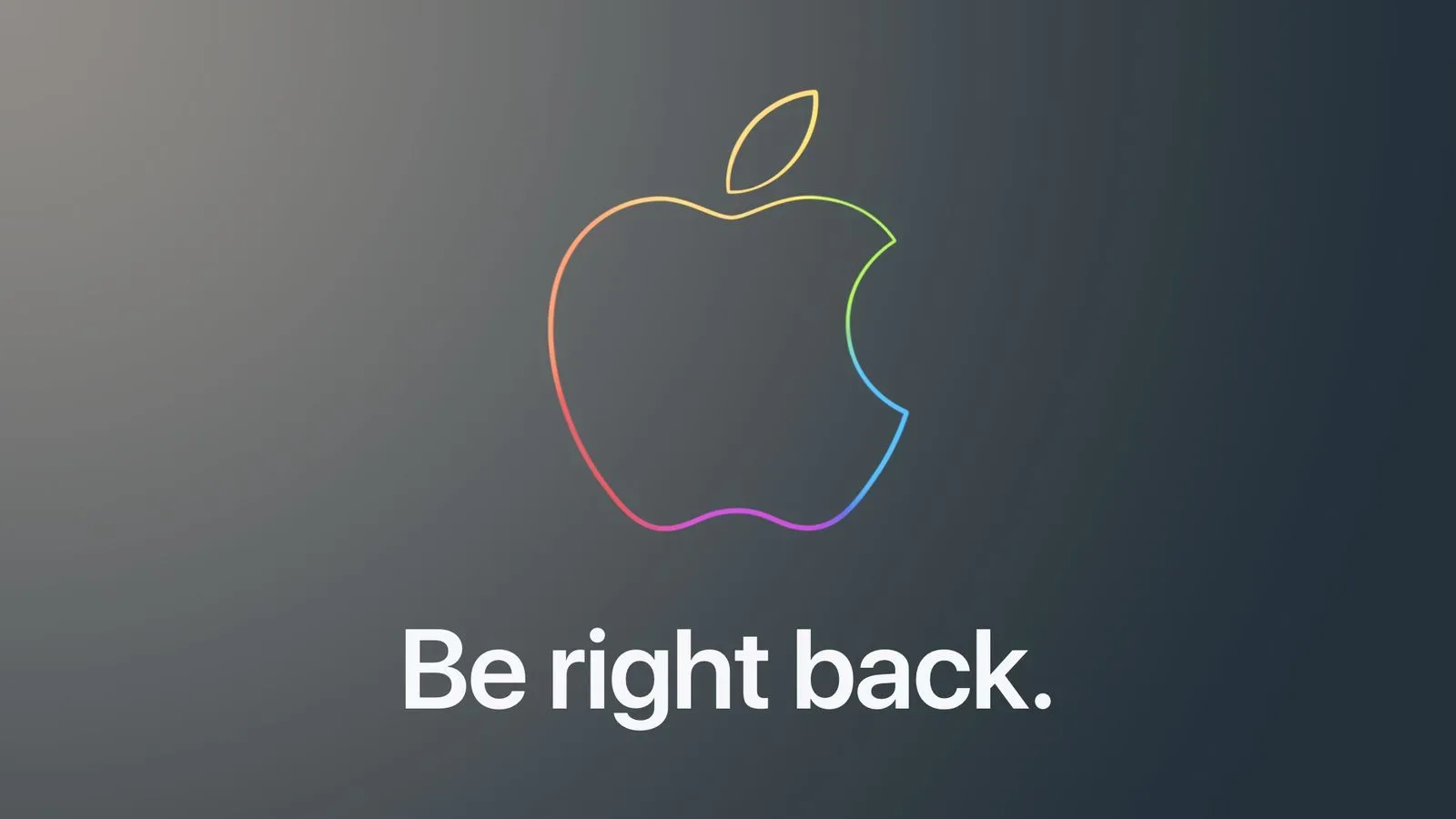
Apple’s online store has gone offline shortly before the company’s “Pro and Tell” experience in Los Angeles, scheduled for 10 a.m. Pacific Time. A storefront shutdown immediately before a presentation is a notable signal that product pages, configurations, and ordering infrastructure may be about to change—but it is not itself confirmation of the hardware expected to appear.
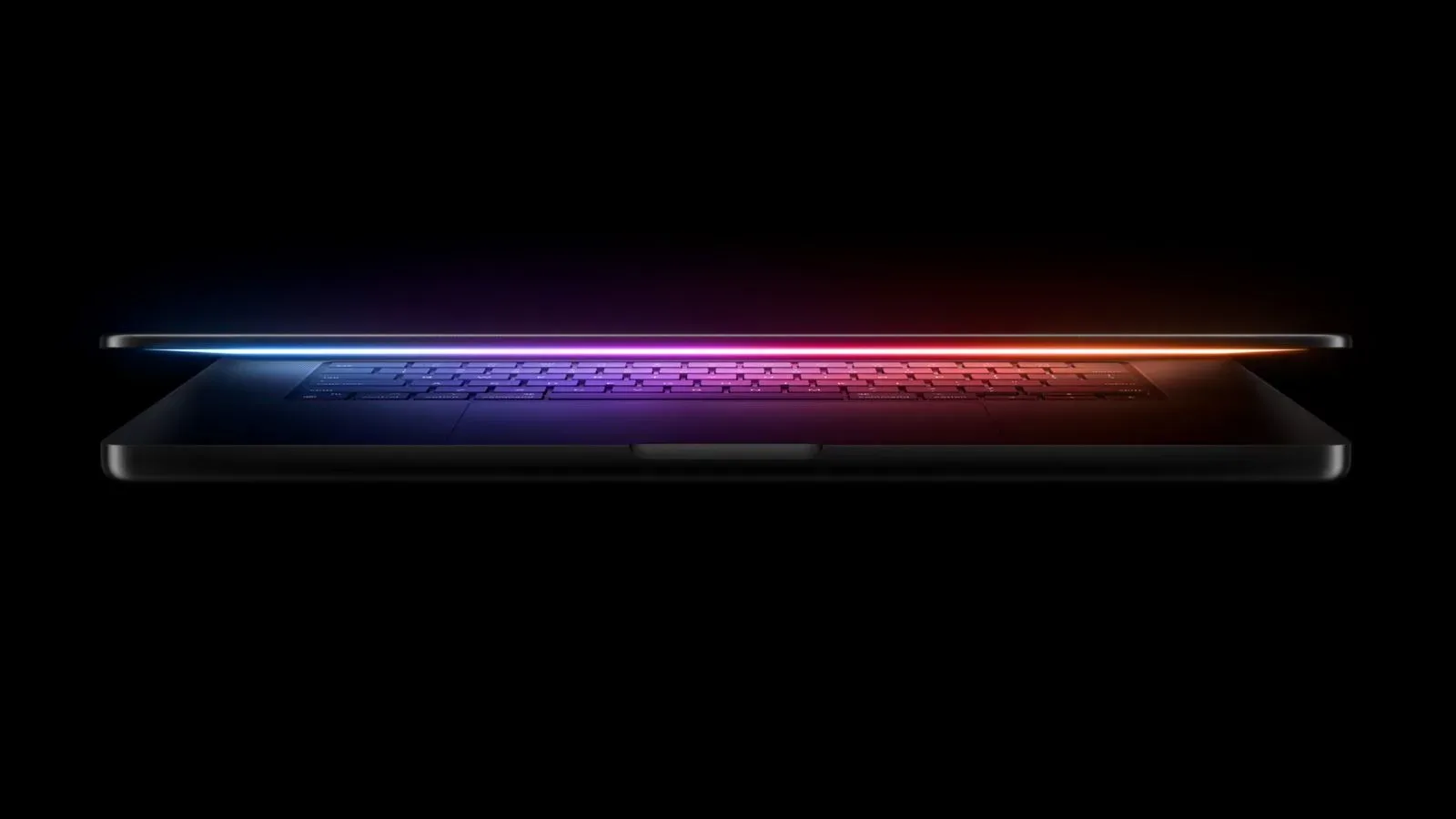
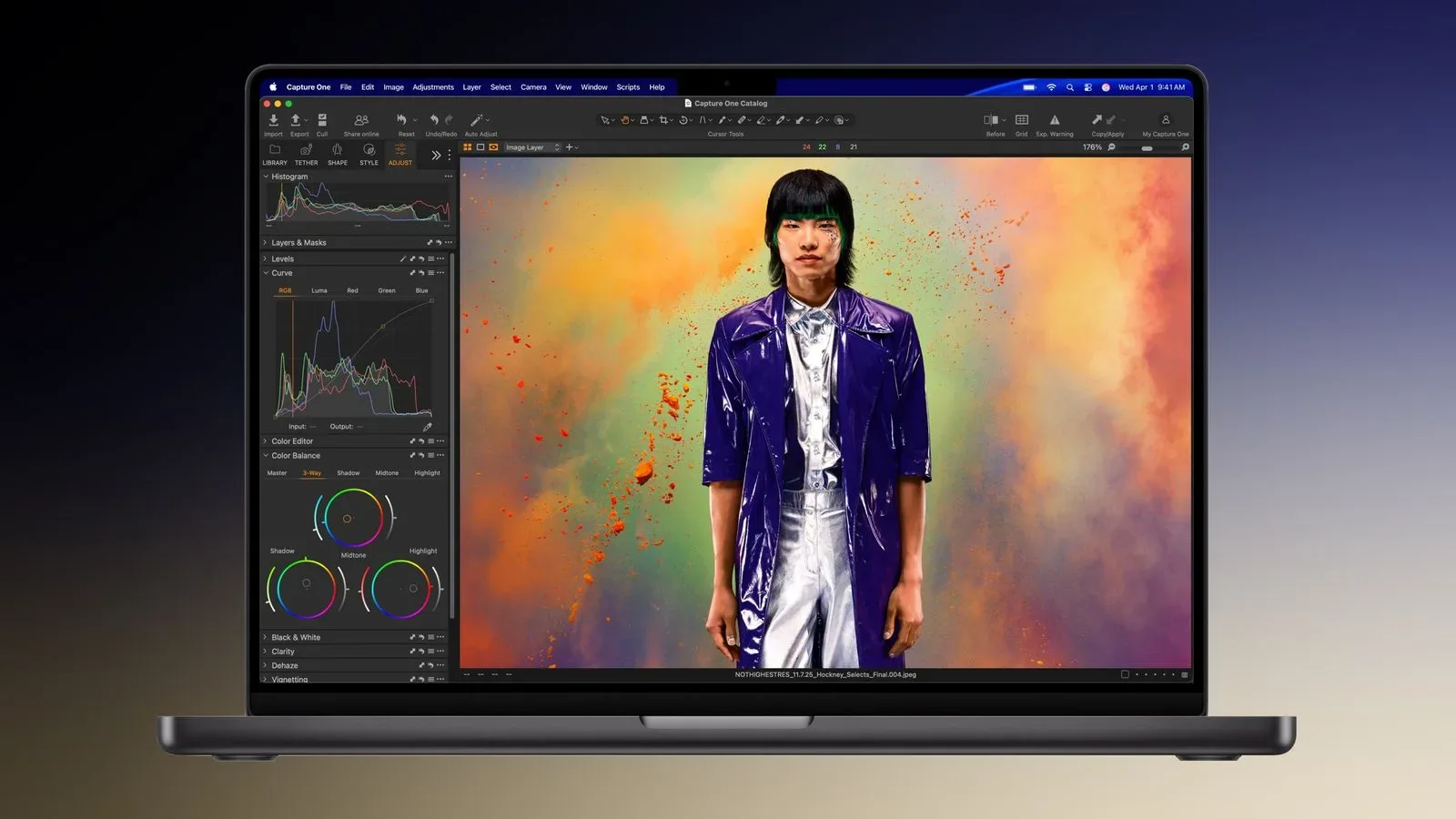
The most substantial expectations center on new 14-inch and 16-inch MacBook Pro models. If the reported plans prove accurate, these would be more than routine processor refreshes: the laptops could pair M5 Pro and M5 Max chips with touch-enabled OLED displays, a redesigned hinge, new cooling hardware, a lighter and slightly thinner chassis, and a display cutout said to move from a notch to a Dynamic Island-style design.
There is also an unusual branding question hanging over the event. The incoming machines may retain the MacBook Pro name, but alternatives including “MacBook Studio” and “MacBook Ultra” have been suggested. Until Apple presents the hardware, the product names, final specifications, pricing, and availability remain unconfirmed.
What the store shutdown tells us—and what it does not
An offline Apple store is best read as a practical pre-launch step. New products can require updated product pages, regional pricing, configuration choices, compatibility information, and checkout details. Temporarily taking down the store makes it possible to update those elements together rather than exposing a partial catalog while an event is underway.
It does not verify every rumor attached to the event. The shutdown does not establish that the forthcoming notebooks will have OLED panels, touch input, Dynamic Island hardware, M5-class chips, or a new name. It confirms only that Apple is preparing its online retail presence around the time of a public experience.
That distinction matters because the rumored feature list is unusually broad. A processor update alone changes performance expectations. A touch display, chassis revision, hinge redesign, revised cooling approach, and software adjustments for touch would collectively alter how people physically use the machine. Those are separate claims, and each needs to be evaluated as a report until Apple details it.
The rumored MacBook changes, explained
Touch-enabled OLED displays
OLED, or organic light-emitting diode, describes a display technology in which pixels produce their own light. In practical terms, that differs from a conventional backlit panel: individual pixels can be controlled directly. The key point in these reports is not merely the display technology, but the possibility that it would be touch-enabled.
Touch input would bring a direct, screen-first interaction method to Apple’s pro notebook line. For creative work, it could make on-screen controls, timelines, interface panels, and visual manipulation more immediate when apps choose to support it. For games, a touchscreen is not automatically a substitute for a mouse, keyboard, or controller. It could, however, give developers another potential input surface for menus, launchers, strategy interfaces, companion controls, or touch-native software.
The usability details would be critical. Touch on a laptop has different demands from touch on a phone or tablet: screen angle, hinge resistance, palm placement, app interface scaling, and fatigue can all affect whether touch feels useful instead of merely available. The rumored revamped hinge therefore stands out as an important companion to the reported display change rather than an isolated mechanical tweak.
Dynamic Island rather than a notch
The reports also point to a Dynamic Island-style display area in place of a notch. At the most basic level, both ideas concern the portion of the display reserved around front-facing hardware. The practical question is how much screen area remains usable and how software handles that space.
A Dynamic Island-style design could change the visual character of the top edge of the display and potentially give the operating system a defined area for status or activity information. Whether it has a meaningful workflow advantage would depend on the eventual macOS implementation. No specific interface behavior has been confirmed in the information available ahead of the event.
M5 Pro and M5 Max processors
The expected chips are called M5 Pro and M5 Max. The “Pro” and “Max” naming indicates that these models are positioned for higher-end laptop configurations rather than an entry-level machine. Beyond that, no detailed performance figures, graphics specifications, memory options, battery estimates, or application benchmarks are established here.
For prospective buyers, that means resisting the temptation to treat the chip names as performance results. The eventual considerations will be the configurations Apple actually offers and the needs of the work being done: video production, code compilation, music creation, 3D work, game development, or everyday multitasking may each put different pressure on a system. A name signals product tier; it does not tell a buyer how a particular workflow will perform.
Cooling, weight, and thickness
A redesigned cooling system is also expected, alongside claims that the laptops will be lighter and slightly thinner. Cooling is the hardware used to move heat away from components while they are under sustained load. It can influence how a laptop manages demanding tasks over time, as well as sound and physical design constraints.
These claimed changes introduce a familiar engineering balance. A slimmer, lighter portable machine may be easier to carry, while high-end components need effective thermal management when asked to do intensive work. The report suggests Apple may be revisiting multiple pieces of that equation at once: internal cooling, the hinge, the display, and the outer chassis. The actual trade-offs will only be clear when Apple provides specifications and the devices can be assessed in detail.
macOS Golden Gate and the touch question
The forthcoming laptops are expected to run macOS Golden Gate, with the operating system reportedly optimized for touch input on these machines. Software optimization is the crucial half of any touchscreen-laptop proposal. A screen can accept taps, swipes, and other gestures, but the usefulness of those actions depends on controls being large enough to select, layouts behaving sensibly, and common actions having clear touch equivalents.
For users accustomed to a cursor-driven desktop, touch optimization could affect the fundamentals: navigation, window controls, scrolling, selection, and app-specific tools. It may also shape the choice of accessories people keep nearby. A trackpad, mouse, keyboard, controller, stylus, or touchscreen can all be appropriate depending on the task; touch support would add an option rather than inherently displacing the others.
That flexibility may matter to people whose computer use spans creative tools, communication, media, and games. The PC space already contains many different control approaches. Apple’s reported move would be significant because it would extend direct display interaction to the company’s pro-focused notebooks and pair it with an operating-system adjustment intended to make that interaction workable.
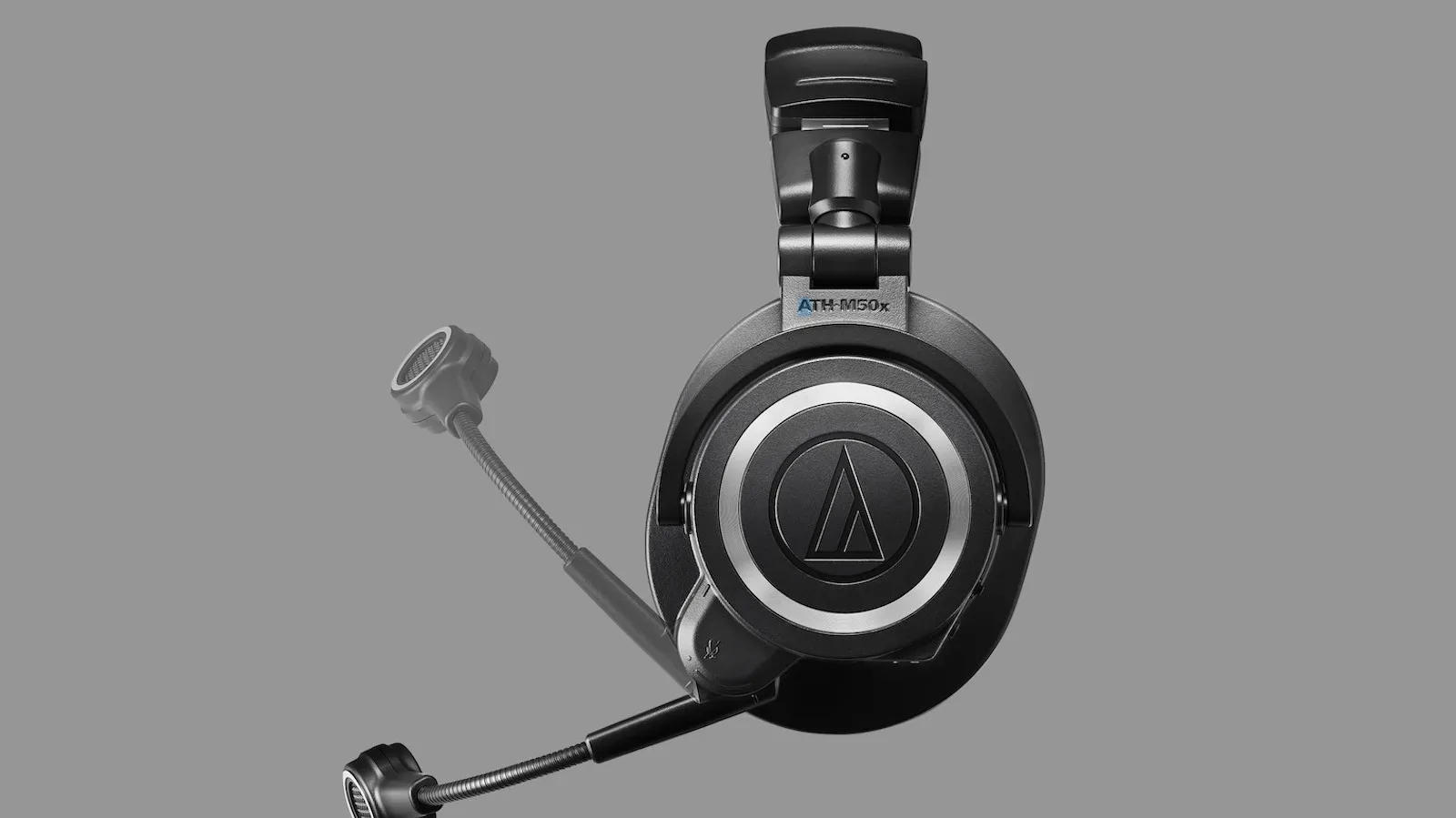
For a broader view of hardware aimed at PC-centric creators and streamers, see our coverage of Audio-Technica’s ATH-M50xSTS-WL StreamSet headset.
Pricing reports place these machines firmly in the premium tier
Reported U.S. starting prices are around $2,899 for the 14-inch model and around $3,399 for the 16-inch model. These figures are not official prices, and “starting” price is especially important in the context of a pro laptop line. It generally refers to the least expensive configuration in a given size, not necessarily the configuration a buyer would choose for more demanding professional work.
At those reported entry points, shoppers should wait for the complete configuration details before making a purchase decision. The information still needed includes the precise processor arrangement for each base model, display options, memory and storage tiers, port selection, charger details, battery claims, weight, and release timing. Those facts can materially change the value proposition even if the opening price proves correct.
The distinction between 14-inch and 16-inch also should not be reduced to screen size alone. The larger model’s price is reportedly $500 higher at the starting point, but the final product comparison will depend on what hardware each configuration includes. Buyers who value portability may focus on the claimed reductions in weight and thickness, while buyers prioritizing a larger workspace may look first at the 16-inch version. Neither preference can be judged fully until the official lineup is public.
Why the name matters less than the hardware details
“MacBook Pro” has immediate meaning as a laptop brand, while “MacBook Studio” or “MacBook Ultra” would frame the product differently. A new name might signal a sharper separation from existing models or emphasize an especially high-end audience. But a label cannot answer the practical questions that decide whether the hardware is right for a user.
The more consequential details are whether touch is genuinely integrated into macOS Golden Gate, how the OLED display is configured, how the revised hinge supports touch interaction, what the M5 Pro and M5 Max chips deliver in shipping systems, and which options are included at the reported base prices. Those are the specifics that will determine whether the rumored overhaul represents a meaningful change in day-to-day use.
For now, the offline store adds momentum to an already detailed set of expectations ahead of “Pro and Tell.” Apple’s presentation should clarify whether its next professional laptops remain MacBook Pros, take on a new identity, or reveal a substantially different direction for the company’s portable computers.