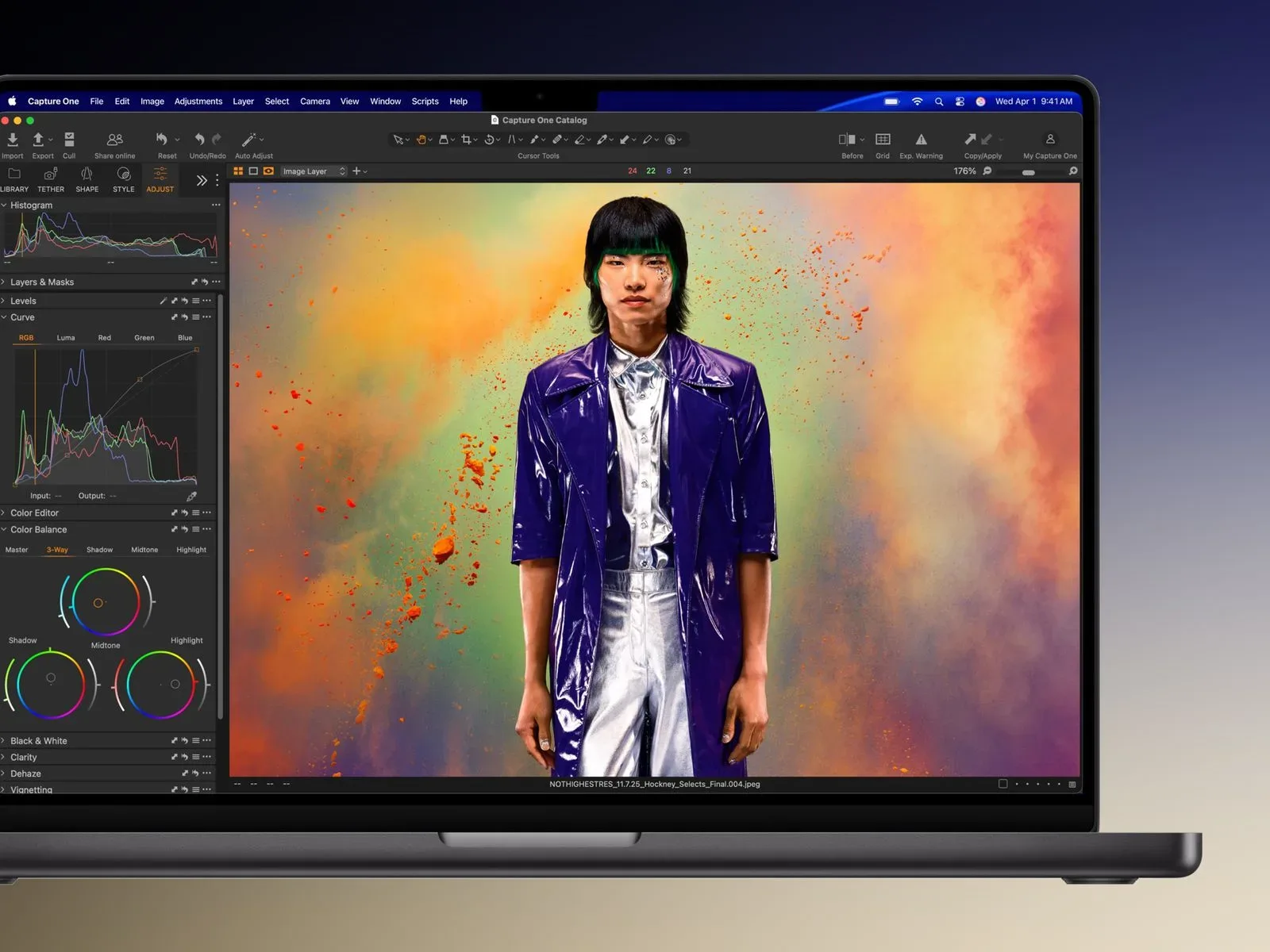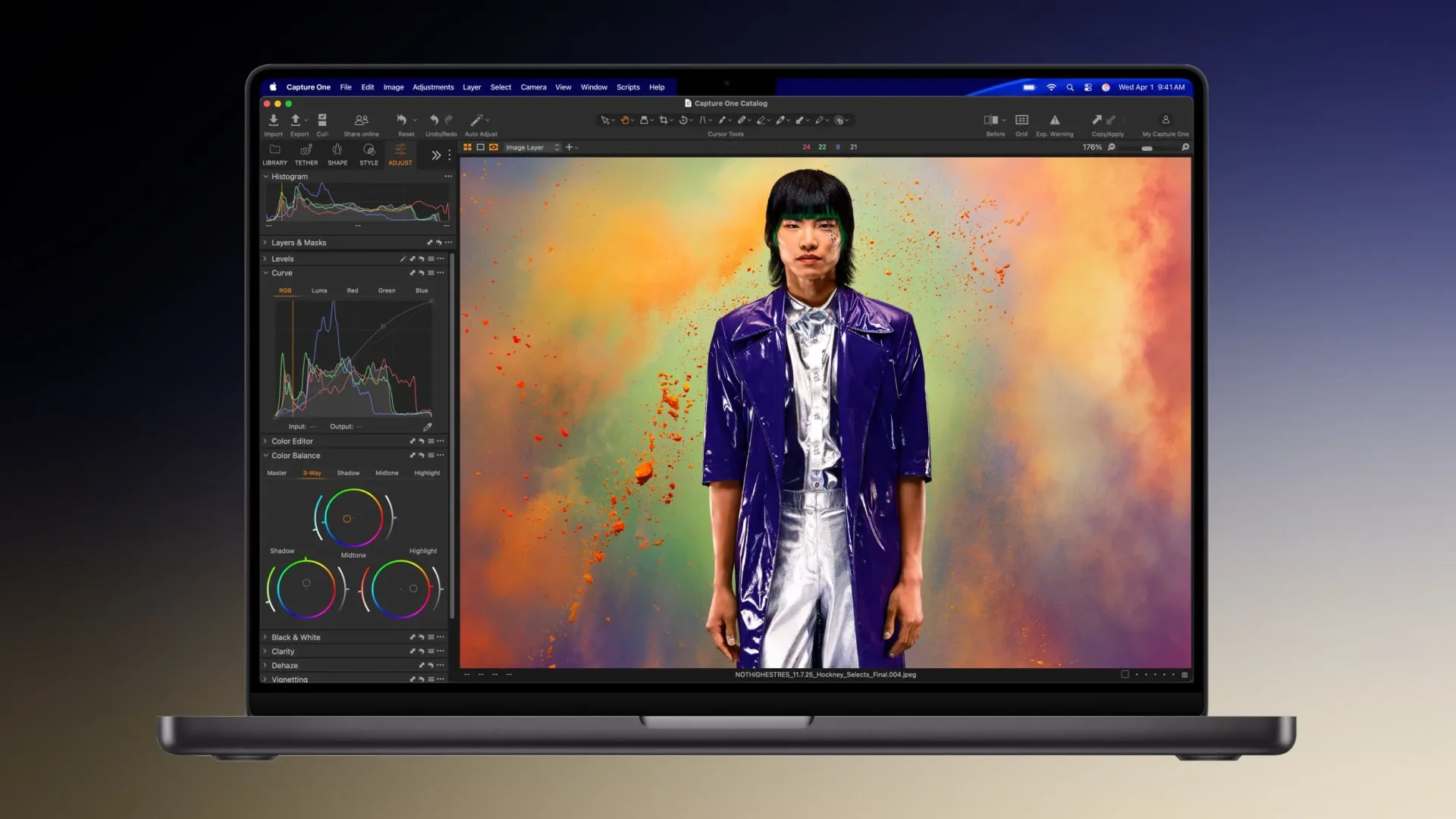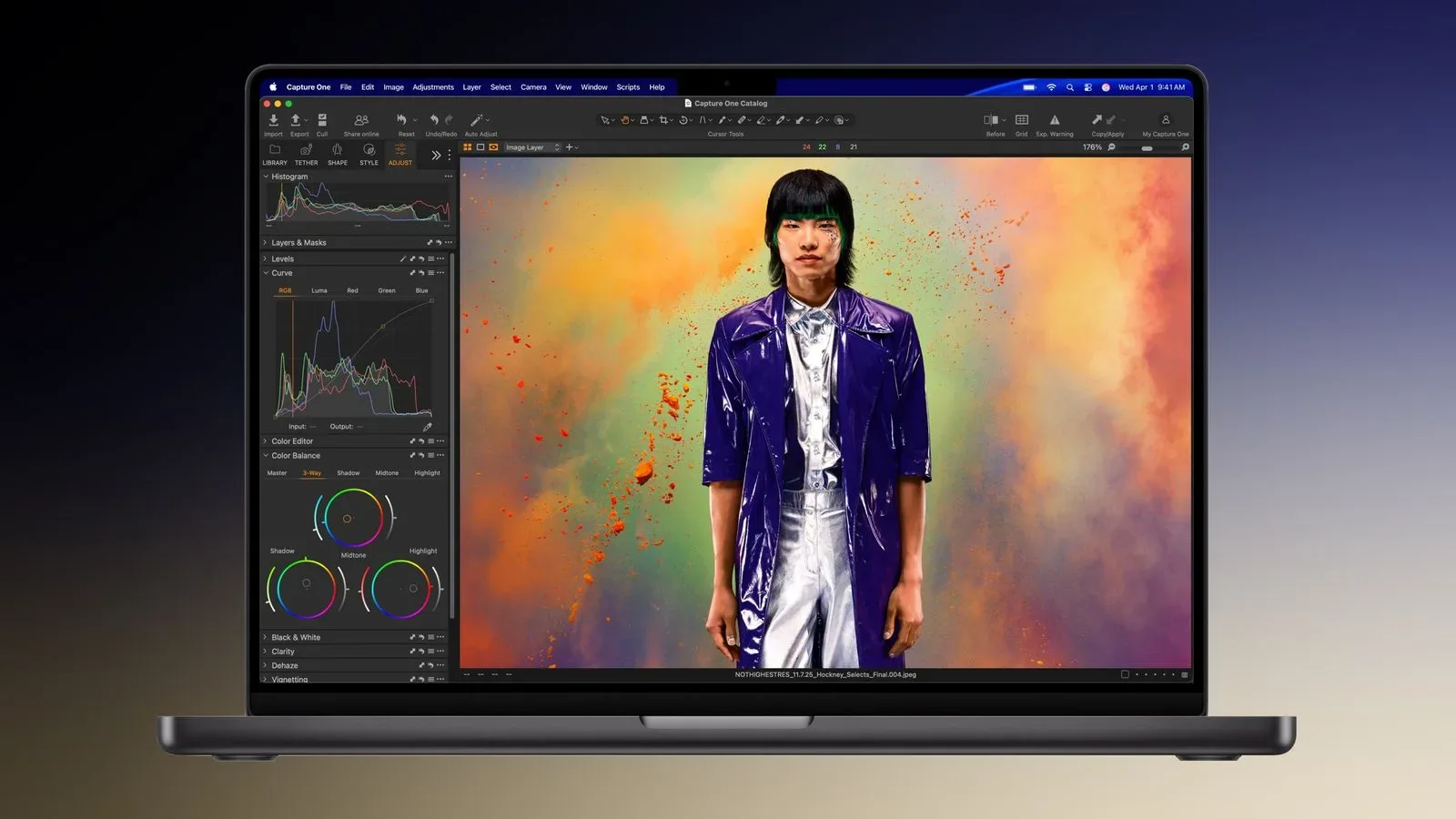
Apple’s 16-inch MacBook Pro has received two unusually steep discounts, trimming as much as $900 from configurations built around the M5 Pro and M5 Max chips. The lower-priced option is the 16-inch M5 Pro model with an 18-core configuration, 24GB of memory and a 1TB SSD, listed at $2,429 rather than $2,999. The step-up M5 Max configuration, carrying 36GB of memory and a 2TB SSD, is listed at $3,499, down from $4,399.
Those are not small coupon-level reductions on a laptop that starts firmly in professional-workstation territory. The M5 Pro machine’s $570 cut brings it $70 below an earlier October Prime Day price, while the $900 reduction on the M5 Max system is described as the best price yet seen for that configuration. Both Amazon listings are limited to Space Black. The same $3,499 price on the M5 Max model is also available at Best Buy, where both color options are offered.
The two discounted configurations at a glance
- 16-inch M5 Pro MacBook Pro: 18-core chip configuration, 24GB RAM, 1TB SSD; $2,429, reduced from $2,999. That is a $570 discount.
- 16-inch M5 Max MacBook Pro: 36GB RAM, 2TB SSD; $3,499, reduced from $4,399. That is a $900 discount.
The most immediate difference is the price gap: the M5 Max machine remains $1,070 more expensive even after its larger reduction. It also includes 12GB more memory and twice the internal storage. Those numbers matter more than the dramatic headline discount, because a deal is only a saving if the higher-tier configuration fits work a buyer will genuinely do.
For players, creators and people who split their time between games and production tools, that distinction is especially important. A machine can be powerful without automatically being the right purchase for every kind of gaming. Mac game support is determined by individual game releases and platform compatibility, not merely by the amount of memory, storage or the word “Max” on the chip. Anyone purchasing a MacBook chiefly for a particular game should check that title’s Mac support and requirements first. Readers following the wider PC space can also keep up with changes in the games that do reach the platform through coverage such as the latest PC gaming news.
What the specifications actually tell us
RAM, also called unified memory in Apple’s terminology, is short-term working space used by applications while they are open. The discounted M5 Pro configuration has 24GB, while the M5 Max system has 36GB. More memory can be helpful when somebody keeps many demanding applications open together or works with projects that have a substantial memory footprint. It is not a universal speed dial: it does not by itself establish how a particular game, editor or other program will perform.
SSD storage is the laptop’s built-in long-term storage. The M5 Pro deal includes 1TB, and the M5 Max deal includes 2TB. That distinction is practical rather than glamorous. Modern game libraries, video assets, project files and operating-system data can all compete for capacity, so a 2TB drive offers more room before users need to move files elsewhere. Yet buyers who already store completed projects and large libraries on external storage may find 1TB sufficient, and should not treat the bigger drive as an automatic reason to spend four figures more.
The M5 Pro listing also specifies an 18-core configuration. “Core” is a broad term for a processing unit within a chip, but it cannot be used as a simple cross-model performance score without further technical detail and software-specific testing. The information available here establishes the configuration and its price, not a benchmark comparison between these two machines. That is worth saying plainly: the discount figures are firm, but buyers should avoid filling in missing performance data with assumptions.
How to assess a premium-laptop deal without getting hypnotized by the percentage off
The M5 Max discount is bigger in raw dollars, but it begins from a much higher list price. The useful comparison is not “which label has the bigger markdown?” It is “which configuration’s capacity would otherwise cost me more later, or solve a concrete problem now?” Storage and memory are the clearest supplied distinctions between these offers.
- Start with capacity, not the sale badge. Consider whether 1TB versus 2TB changes where files live, and whether 24GB versus 36GB addresses a known workload.
- Check the exact retailer configuration. Both Amazon deals are specified as Space Black only. The alternate retailer option for the M5 Max provides both colors, which can matter if color is part of the buying decision.
- Compare the total checkout price. The stated prices are $2,429 and $3,499. Availability, delivery timing and tax treatment can vary, so the final cart total is the number that matters.
- Confirm the software need. For gaming, verify the individual game supports macOS. For creative or professional work, confirm that the applications and project types in question benefit from the additional memory or storage.
- Do not upgrade on a vague future workload. A possible someday need is different from a recurring limitation today. The $1,070 gap between these sale prices buys a lot of flexibility elsewhere if the M5 Pro configuration already meets the real requirement.
A deal with a narrow color caveat
Color availability is a minor specification until it is not. Amazon’s discounts are limited to Space Black, so shoppers who want another finish cannot simply assume the same price applies. The M5 Max model has a useful exception: Best Buy is offering the matching $3,499 price in both color options. No matching alternate-color offer is stated for the M5 Pro model.
That retailer split also makes the M5 Max deal more straightforward to compare. The hardware configuration and stated discounted price are the central points; color choice is the differentiator. For the M5 Pro, the lower $2,429 price is tied to the Space Black configuration described here.
Why the timing is notable
The M5 Pro model has already undercut its own earlier October low by $70. That does not predict whether a future sale will be better, nor does it establish how long either current price will remain active. It does, however, put the present offer in useful context: a buyer who passed on the earlier promotion is looking at a lower recorded price for this specified 16-inch configuration.
The M5 Max reduction stands out for a different reason. A $900 cut does not make a $3,499 laptop inexpensive, but it materially changes the difference between this configuration’s normal and sale price. Buyers who specifically need its supplied 36GB RAM and 2TB SSD should compare retailers while that matching price is available. Buyers who do not need those capacities should resist treating the record markdown as evidence that it is the more economical choice.
In short, these offers create two distinct decisions rather than one simple “best MacBook Pro” verdict. The M5 Pro model is the lower entry point at a reported record low, with 24GB RAM and 1TB of storage. The M5 Max option commands considerably more money even on sale, but brings 36GB RAM and 2TB storage, alongside a $900 reduction and a same-price alternative in more than one color. The sensible pick depends on which of those concrete configuration differences will still matter after the sale label is gone.
Shop the products
Check current price, model and availability at the retailer.