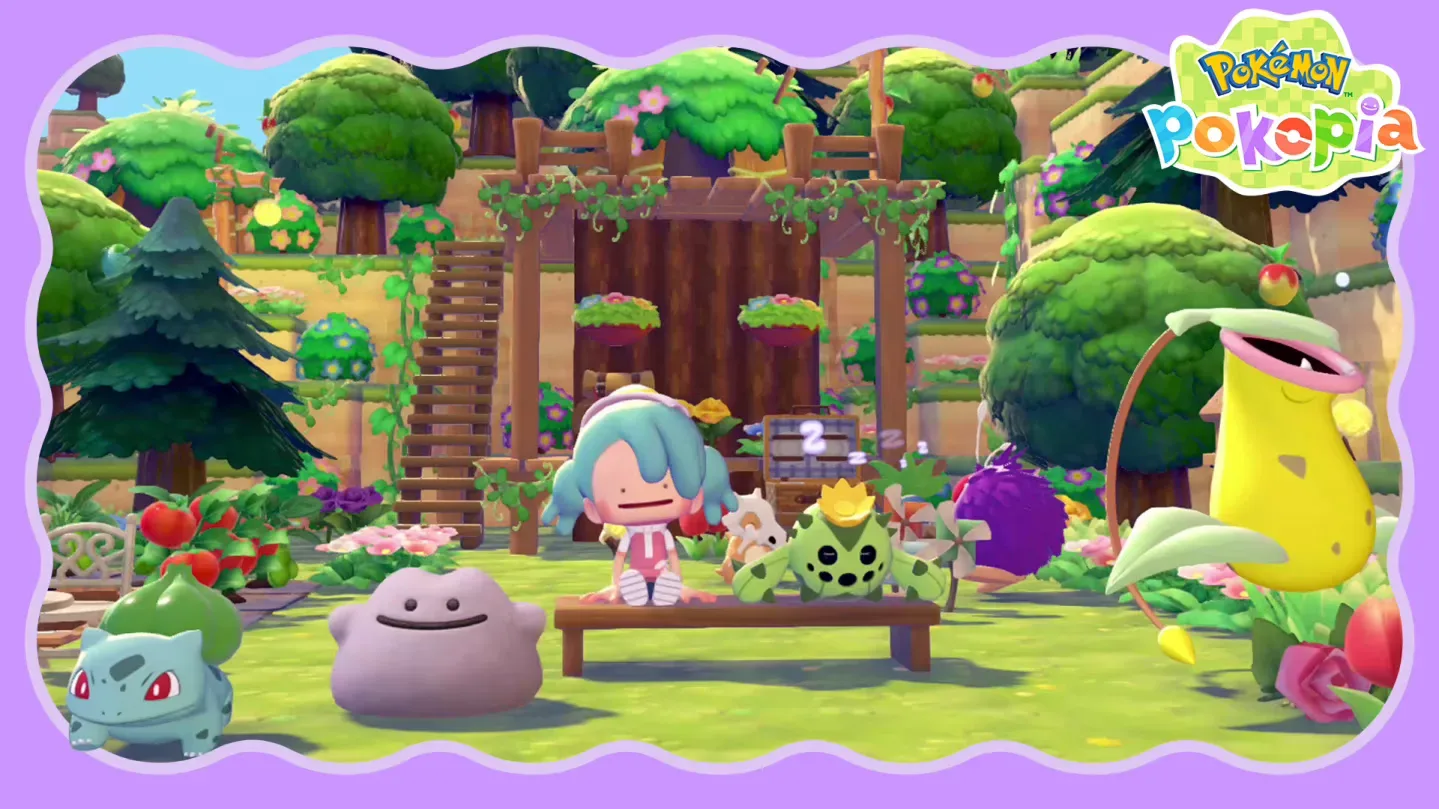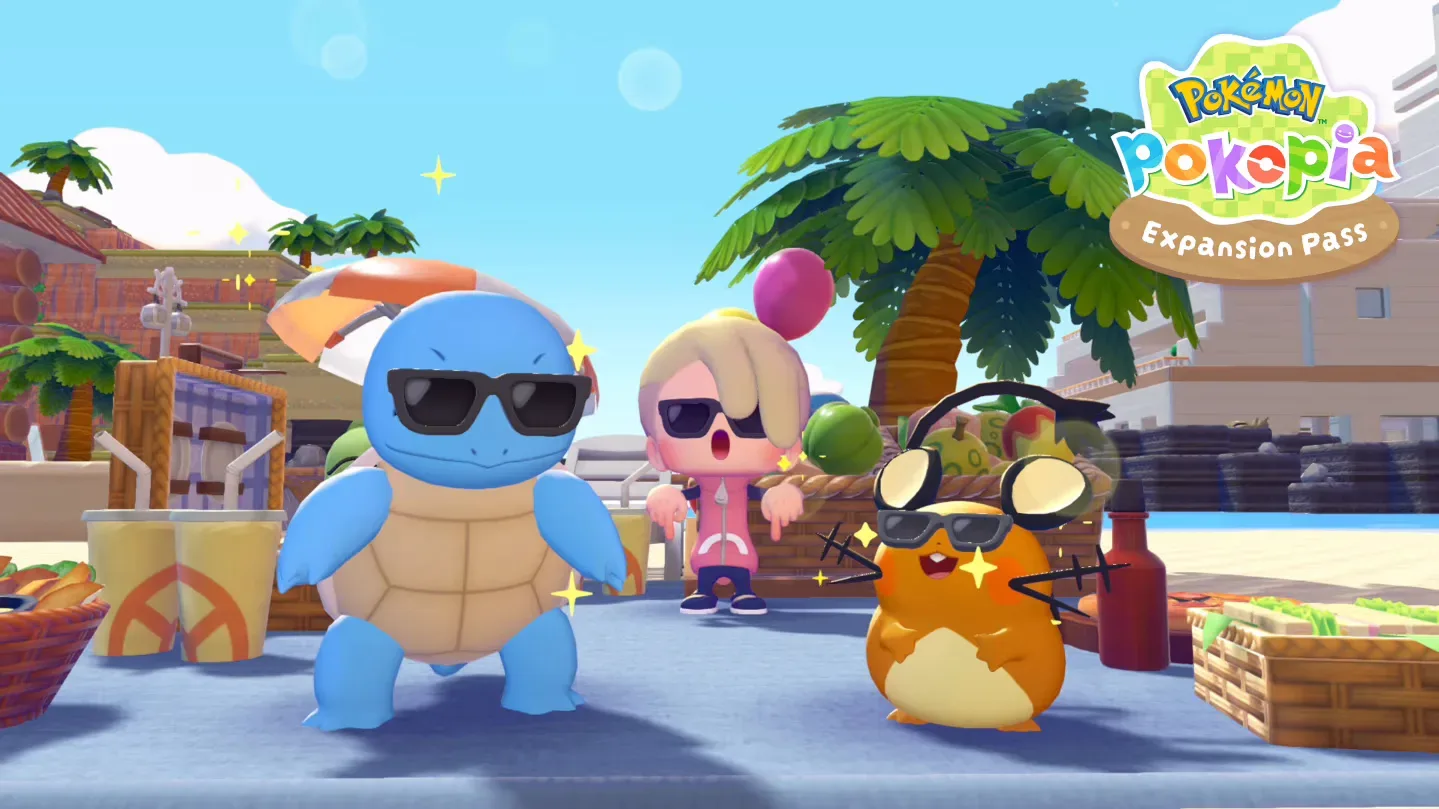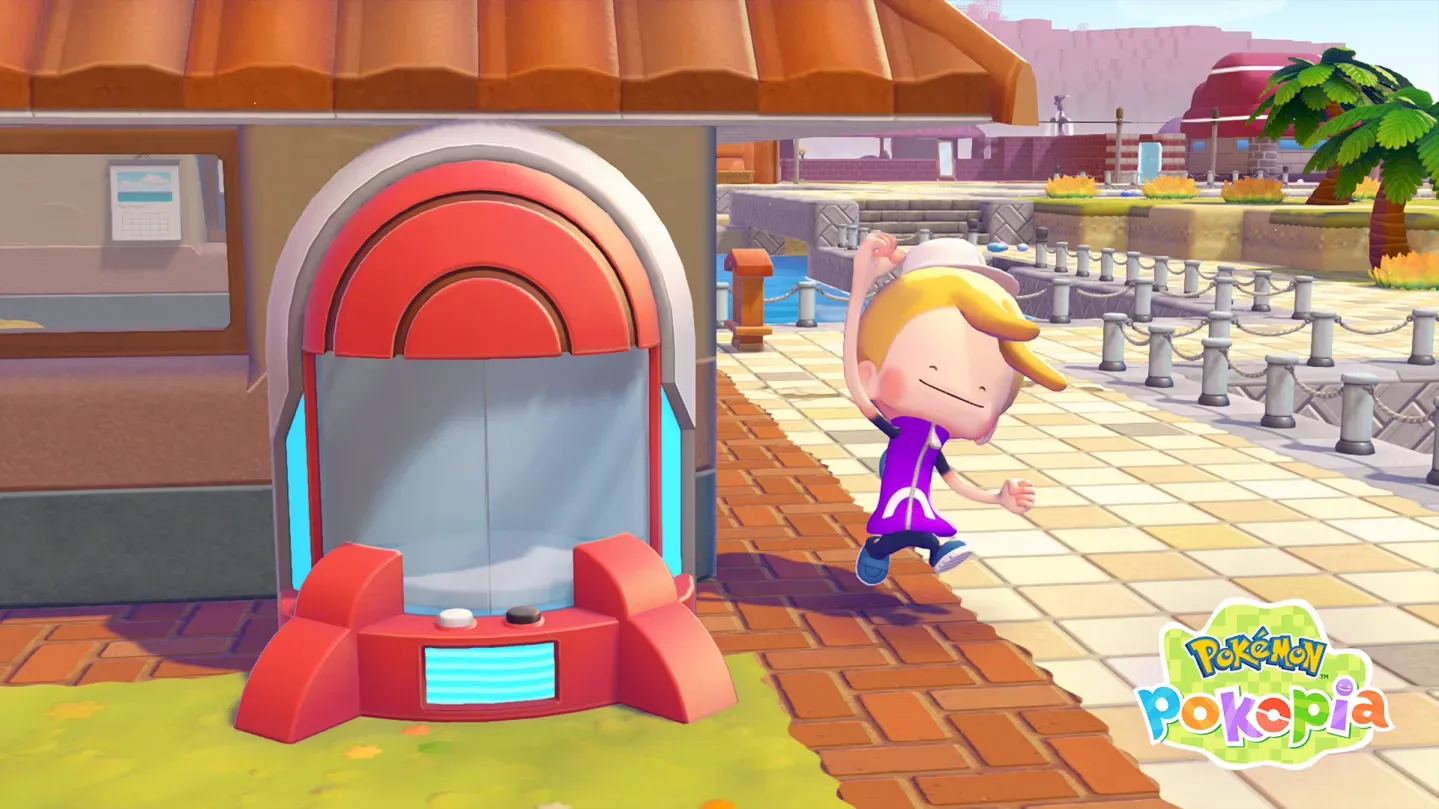
Pokémon Pokopia has received version 2.0.0, a free update focused on making the day-to-day work of building and maintaining a Pokémon-filled world less fiddly. The patch does not hinge on a flashy new destination or a single headline feature. Instead, it changes many of the small actions that shape a life-simulation session: putting materials away, retrieving them where they are needed, dealing with unwanted objects, placing architectural pieces, restoring habitats, and moving through repeatable conversations.
That approach matters in a game built around creating a personal space. Construction games can make even a modest project feel laborious when the player is repeatedly stopped by inventory limits, one-at-a-time transfers, awkward placement controls, or a required trip back to a particular storage point. Pokopia 2.0.0 addresses several of those friction points at once, while also adding options intended to make camera movement more comfortable for players affected by motion sickness.
The largest practical addition is the Portal Pod, a new storage-chest type. It is designed as shared storage: an item deposited into one Portal Pod can be withdrawn from another, including pods placed in different areas. For anyone dividing a world into specialized spaces—such as separate building zones, habitats, work areas, or distant outposts—the result should be fewer return trips made solely to fetch supplies left elsewhere.
Portal Pods are not simply extra container capacity. Their defining idea is remote access to the same stored collection. In plain terms, players can place multiple access points and treat them as entrances to one inventory rather than as isolated boxes. That makes material logistics more flexible, particularly when a build calls for frequent adjustments and several item types.
The update also enables bulk movement of items between storage boxes and the player’s bag. Bulk actions are a quality-of-life term for commands that handle several objects in one operation instead of requiring each object to be transferred individually. Combined with shared Portal Pod storage, that change could substantially reduce the administrative portion of gathering and building: collect supplies, move a group of them into storage, then take a group out close to the next project.
Storage gets a safety net, not just a shortcut
Disposal has been adjusted as well. Objects placed into waste containers, including garbage bins, can now disappear, providing a cleaner way to remove unwanted items. Crucially, disposal is not immediate. The game leaves a brief recovery window, allowing a player to take an item back out if it was discarded by mistake or if plans change.
It is a small safeguard with a useful purpose. Inventory cleanup often happens quickly, especially after gathering or reorganizing a large build. A delay before an item vanishes means waste containers can serve their intended role without making a mistaken input permanently costly at the instant it occurs.
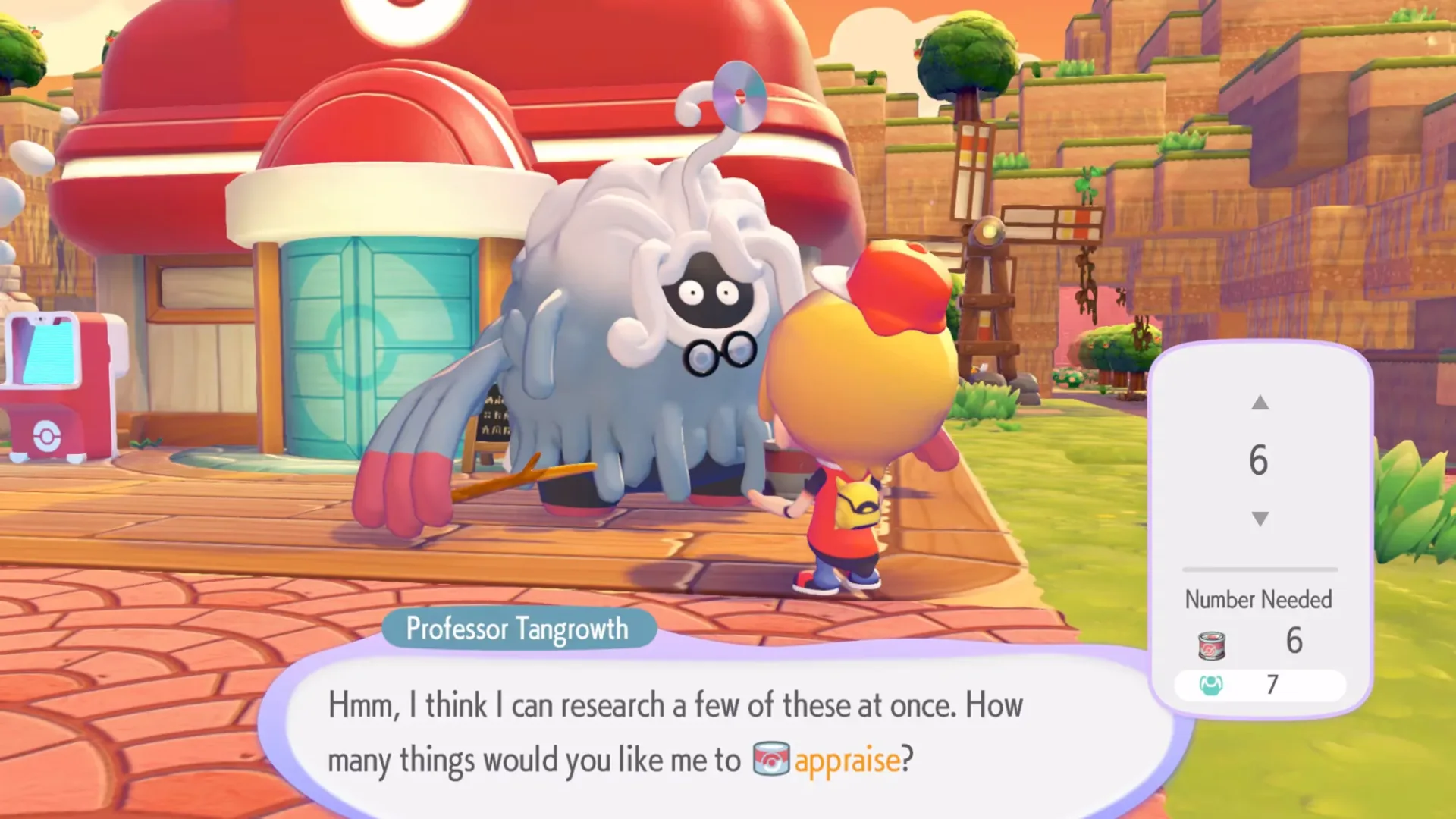
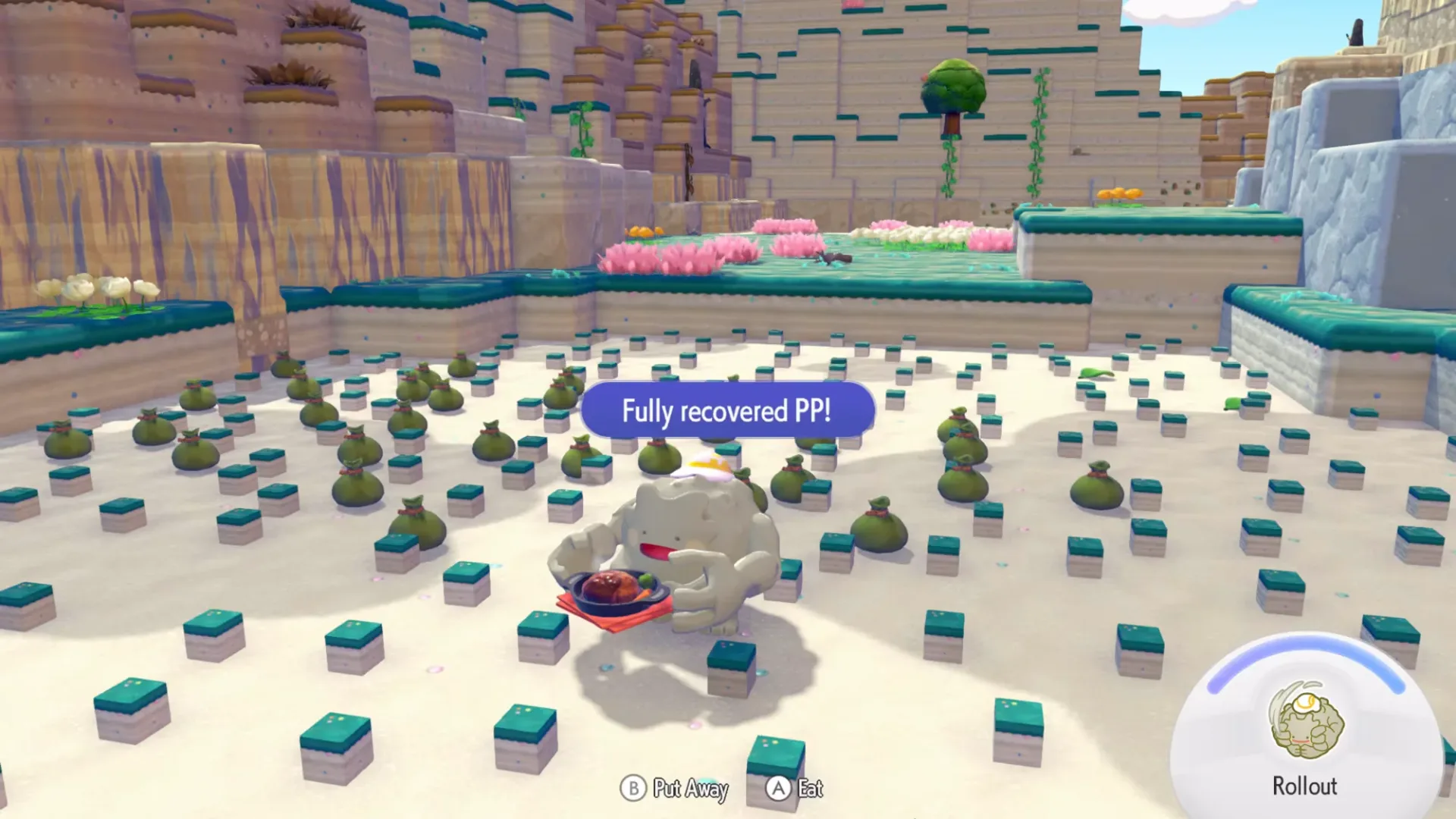
The patch’s interaction changes similarly favor reduced repetition. Professor Tangrowth can now appraise up to 10 lost relics at a time. Smearguru, Vespiquen, Gimmighoul, and Gholdengo can each process multiple transactions in a single conversation. The exact activities associated with those characters remain distinct, but the common benefit is clear: when players have accumulated several relevant items or tasks, they no longer need to repeatedly exit and re-enter the same dialogue flow to handle them one by one.
Related coverage includes Pokémon Pokopia Version 2.0.0 Update Adds Portal Pods, Bulk Actions, and Building Improvements.
These changes are especially welcome in life sims because repeatable chores become more noticeable as a save progresses. An individual appraisal or transaction may take little time. Repeating the same conversation structure across a stack of objects is where that time and attention add up. Version 2.0.0 targets that accumulation rather than changing the underlying activities.
More options for creative work and happier habitats
Smearguru receives an additional creative feature: it can learn to paint patterns from reference photos taken of items. This gives player-made photography a more direct building and decoration role. Rather than photos functioning only as records, selected images can now help inform patterns that Smearguru learns to paint. For worlds built around a particular visual theme, it expands the connection between noticing an object, photographing it, and applying that inspiration to a decoration.
Pokémon behavior around furnishing and habitats has also been refined. Pokémon that become sad after furniture is removed will recognize more quickly when the same furniture is put back. Meanwhile, Pokémon will return to a habitat if it is destroyed and rebuilt within a certain area.
The practical implication is that renovation should be less punishing. Rearranging a room or rebuilding a habitat is a normal part of improving a settlement, but it can be frustrating if a temporary teardown causes a long recovery process for the Pokémon living there. The update does not say that all replacement furniture or any rebuilt habitat will produce the same result. The details are specific: the same furniture needs to be restored for the faster reaction, and the rebuilt habitat must remain within the applicable area. Still, those conditions support a more forgiving process for revisions rather than requiring players to leave their world untouched once it is working.
That design philosophy fits the rest of the patch. Pokopia is asking players to experiment with their environment, and experimentation is easier when the game reduces the cost of moving, correcting, and restoring things. Players can keep an eye on other Pokémon-related collecting and merchandise coverage in this look at Pokémon Night Out merchandise, while 2.0.0 is focused squarely on the digital spaces players build inside Pokopia.
Graveler and Ditto changes smooth out building workflows
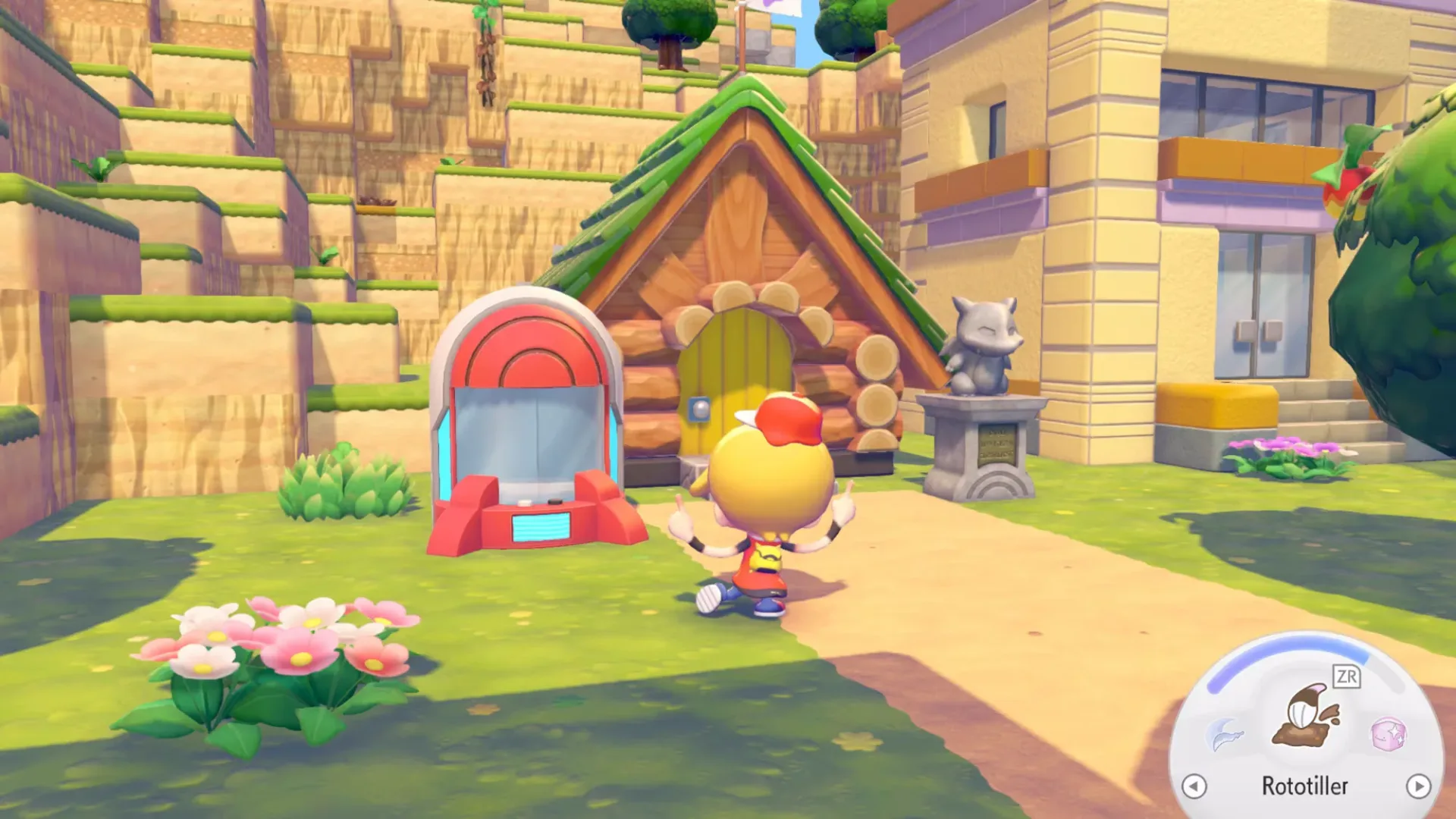
Several adjustments affect how the game’s Pokémon transformations and tools fit into construction. While transformed as Graveler, players can now suck up items, open their bag, and eat food. Being able to perform those actions without leaving the transformation should make it easier to stay in the current task rather than interrupting it for routine inventory or recovery management.
Ditto’s water mechanic has also been adjusted. When Ditto spits out stored water, the new water level will automatically align with nearby water levels. Water-level matching is a useful technical improvement for landscaping because connected or neighboring bodies of water can look uneven if each placement must be manually reconciled. Automatic matching should reduce the cleanup required when editing ponds, channels, or similar watery features, while preserving the player’s decision about where water is placed.
Doors, windows, and similar items now have finer depth adjustment during placement. Depth here means position along the inward-and-outward axis of a wall or structure, rather than just left-right position or height. More granular control can help players position architectural objects with greater precision, whether they are aiming for a flush fit, a deliberate recess, or a more layered look.
This may sound granular, but placement precision is often what separates a workable structure from one that feels visually finished. Once a building system includes multiple objects that sit against or through a wall, small positional limits can become conspicuous. The new control gives users more room to resolve those details themselves.
Dowsing Machine treasure searches avoid unstable terrain
The update also makes treasure hunting in the Sparkling Skylands less prone to an awkward outcome. When using the Dowsing Machine there, treasures will no longer appear in places where breaking the terrain would cause them to fall.
A Dowsing Machine is a search tool used to locate hidden treasures. The adjustment does not mean it finds treasure automatically or changes every aspect of searching. Rather, it prevents a problematic placement condition: a treasure appearing where the terrain-removal step needed to access it would send it falling away. It is another targeted example of the patch removing a failure state caused by the game’s own world geometry instead of by a player’s strategic choice.
Fewer reminders and new camera-comfort settings
Outside of building and inventory systems, event reminders will appear less frequently. They are now limited to specific remaining-day intervals rather than arriving as often throughout an event. This should preserve the usefulness of a reminder while reducing repeated interruptions for players who already know an event is underway.
Motion-sickness reduction settings have been added for the camera. Motion sickness can be triggered or worsened by certain forms of camera movement and visual motion in games, although responses vary from person to person. The update does not detail every available setting or its exact effect, so players should review the in-game options and choose the configuration that feels most comfortable for them. Their inclusion is nevertheless significant: camera comfort is an accessibility and usability concern, not merely a cosmetic preference.
What players need to know about access
Version 2.0.0 is free and does not require the paid, three-part Pokémon Pokopia Expansion Pass. That means the quality-of-life changes described here—including Portal Pods, bulk transfers, building refinements, interaction updates, and camera settings—are available without purchasing that DLC.
Pokémon Pokopia launched on March 5, 2026, as a life simulation game for Nintendo Switch 2. For new players, the patch should make the early loop of collecting, storing, and constructing more convenient from the outset. For returning players, its value is likely to be most visible in established worlds where storage networks, redesigns, habitat management, relic stacks, and repeat tasks already take up a meaningful share of playtime.
There is no single change here that replaces the core creative loop. Instead, version 2.0.0 makes that loop more accommodating: supplies can travel through a shared storage network, unwanted items can be recovered before they disappear, renovations are less likely to leave Pokémon upset or displaced, and building tools offer more flexibility. For a game about turning a space into a personal Pokémon utopia, those accumulated conveniences may be the update’s most important contribution.