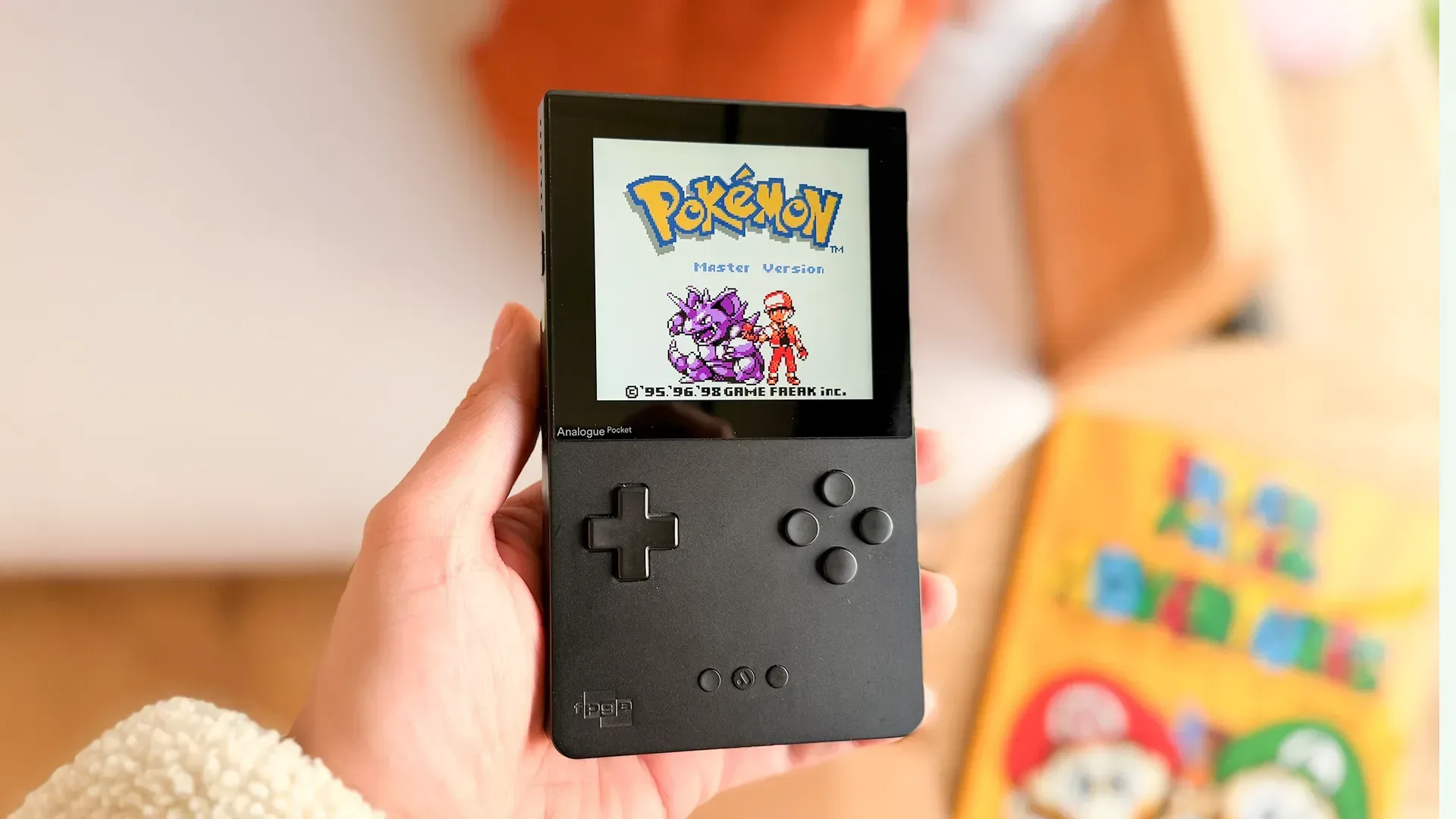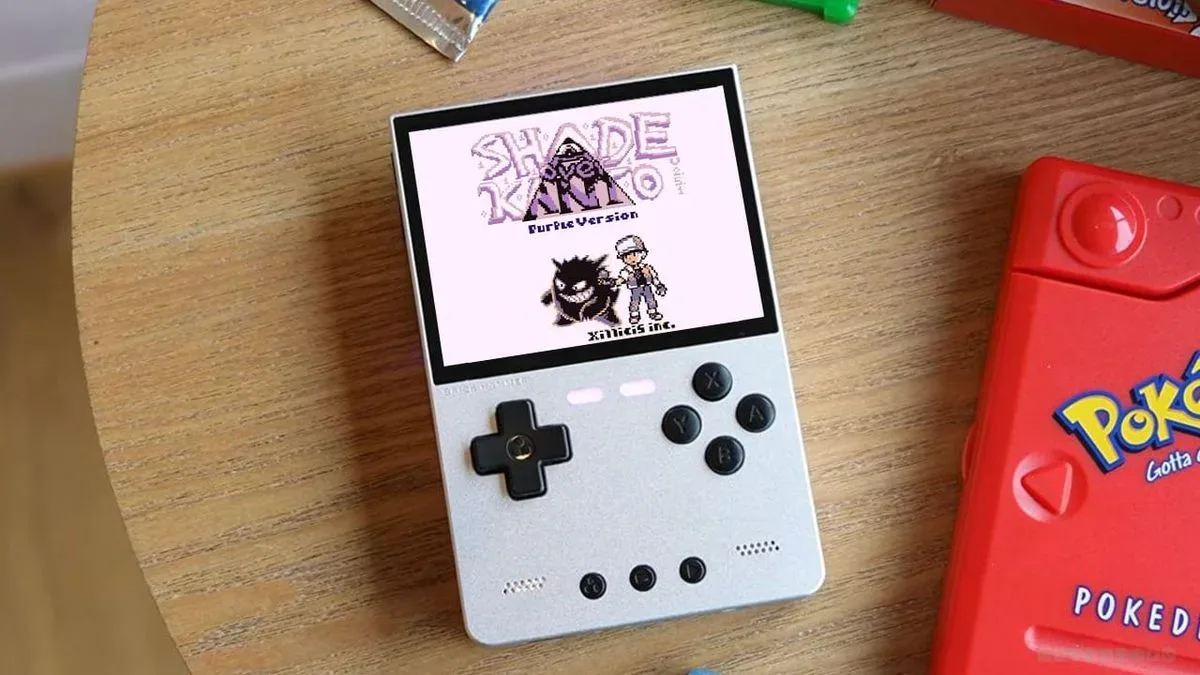
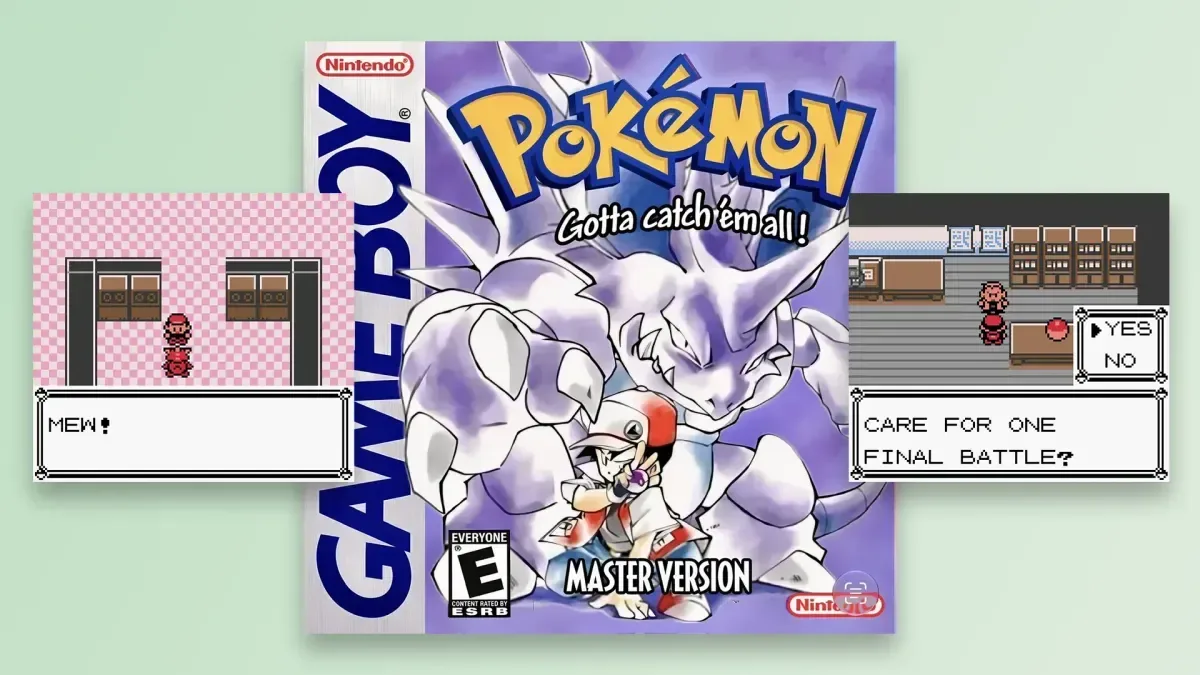
A new beta ROM hack called Pokémon Master is trying to answer an enduring Generation I question: what would Kanto look like if one player could complete its original 151-Pokémon Pokédex without coordinating trades, buying other versions, or leaning on old workarounds?
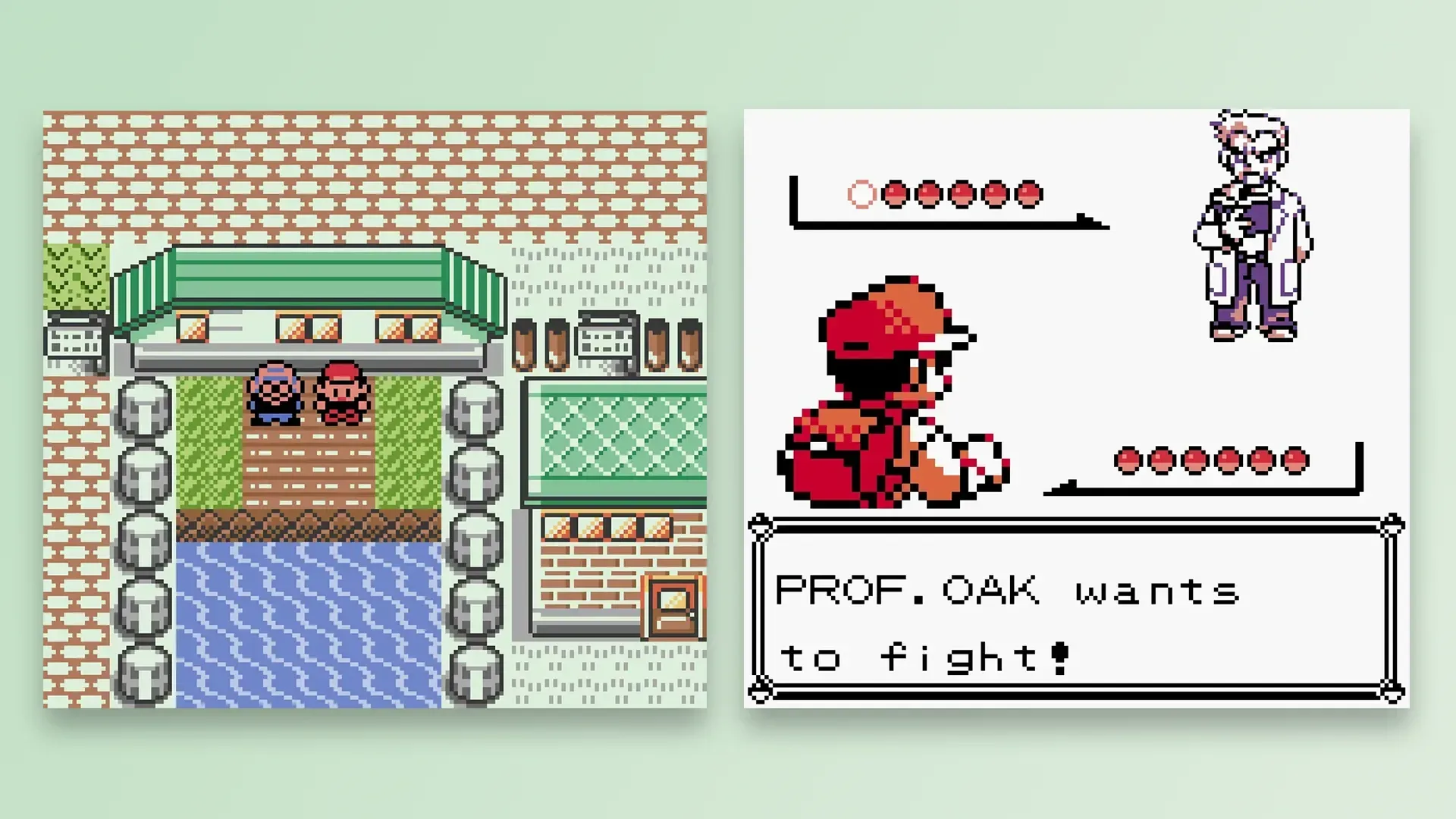
Built from Pokémon Blue, Pokémon Master retains the familiar Kanto campaign, its eight-Gym route, the Elite Four and the Champion battle. Its stated changes are targeted at the original games’ biggest completion barriers: version-exclusive creatures, Pokémon that evolve only when traded, and Mew’s absence from the ordinary adventure. It also adds a Game Boy Color-style full-color presentation, postgame Gym Leader rematches, a Professor Oak battle, and a legitimate in-game route to Mew.
The beta was made available for a limited 90-hour testing period, with the window stated to close on November 21. That short availability is intended to bring in players who can identify bugs before the project progresses further. As with any fan-distributed file, prospective downloaders should independently verify where a file comes from and take appropriate care before opening it.
A Kanto adventure designed around one save file
The defining ambition of Pokémon Master is not simply putting color onto Pokémon Blue. It is making the entire original Pokédex available through one playthrough. In the first-generation games, species were split among versions, while four evolutionary lines required a link trade to reach their final stages. Those design choices supported the social, multi-cartridge premise of the era, but they also mean a solo player cannot ordinarily finish the collection alone.
Pokémon Master redistributes the version-exclusive Pokémon across Kanto locations and turns the four trade evolutions into level-up evolutions:
- Kadabra evolves into Alakazam at level 36.
- Machoke evolves into Machamp at level 34.
- Graveler evolves into Golem at level 34.
- Haunter evolves into Gengar at level 36.
That is a meaningful quality-of-life change rather than a rewrite of the battle system. A trade evolution is an evolution condition tied to exchanging a Pokémon with another game. Replacing it with a level threshold makes those final forms accessible within a normal solo campaign, while still requiring the player to train the prior evolution.
The project says the selected levels were chosen with each Pokémon’s level-up move progression in mind, so the fully evolved forms can still obtain relevant moves after evolving. In practical terms, this approach avoids making the final forms immediate early-game rewards while removing the requirement for a second player or a second compatible setup.
The added wild encounters are also framed as restrained rather than universal giveaways. Previously limited species appear in a rare “Slot 7” encounter position with a stated 5.08% rate. In encounter-table terminology, a slot is one possible result when the game rolls a wild encounter; this change puts certain species into a low-probability result rather than replacing the creatures normally found in an area.
Related coverage includes Pokémon Master Beta Offers a Full-Color, Single-Player Path to All 151 Gen 1 Pokémon.
Choice and gift events from the original game remain. Most newly obtainable species are held for late-game areas, with Eevee identified as the exception. The stated goal is to preserve the consequence of an early choice for much of the journey, but still give players enough time to catch and train alternate species before facing the Pokémon League.
Starters, fossils and a changed rival dynamic
Pokémon Master’s placement philosophy extends to starters and fossil Pokémon. All three starter species become available at roughly the same point in the adventure, although each is assigned to a different location. Both fossil Pokémon are placed on the cave floor around Articuno. The project’s reasoning is thematic: ancient Water/Rock Pokémon suit an isolated ocean cave watched over by a legendary bird.
These placements do not erase the opening starter decision. Instead, they turn that choice into an early strategic commitment while leaving the other original starters as eventual recruitment options. Since the added encounters are designed to become available before the Elite Four, players can build and level a broader team within the same save file rather than treating Pokédex completion as a separate post-campaign task.
The rival battle sequence is adjusted as well. Rather than choosing the starter with a type advantage over the player’s pick, the rival takes one at a type disadvantage. Professor Oak keeps the unused third starter, and Oak’s eventual team uses that Pokémon in its fully evolved form.
It is a small structural change with a larger storytelling payoff. The classic three-starter triangle is still intact, but the starter the player never sees on either side of the early rivalry is reserved for a later challenge. That makes the final unselected option feel deliberately accounted for instead of simply left behind at the lab.
Postgame battles give the Pokédex a purpose
Finishing the main Kanto story does not end Pokémon Master’s added content. After entering the Hall of Fame, players can return to seven Gyms for rematches against Brock, Misty, Lt. Surge, Erika, Koga, Sabrina and Blaine. Giovanni is the exception.
Each rematch leader has a five-Pokémon team at level 60, with revised and more varied rosters, as well as additional dialogue before and after the battle. These rematches can be repeated by leaving and re-entering the Gym, awarding experience and prize money each time.
Repeatable rematches matter because the hack’s broader collection goal asks players to raise a large number of Pokémon. A repeatable battle is a reliable activity that can be revisited for experience or money, unlike a one-time trainer encounter. The original Gym battles, badges and rewards remain in place, so the rematch system is an addition after the standard progression rather than a substitute for it.
The larger postgame target is Professor Oak. His battle unlocks after a player has entered the Hall of Fame and registered 150 Pokémon as caught in the Pokédex. Oak uses a specially prepared strong team and fields the fully evolved starter that neither the player nor the rival selected.
That requirement puts the project’s revised encounter design at the center of its endgame: catching the original 150 is not merely a completion statistic but the key to the game’s new major fight. It also gives Oak a direct role as an opponent rather than only as the professor who issues the Pokédex at the adventure’s beginning.
Mew is the final reward, not a glitch hunt
Once 150 Pokémon have been registered as caught, Mew becomes available deep in Pokémon Mansion on Cinnabar Island at level 50. The project identifies this as a patched implementation that addresses the original Generation I Transform glitch.
That distinction is important. In the original games, Mew became famous partly because players explored unusual glitches and event-related stories surrounding it. Pokémon Master instead makes Mew an explicit, built-in reward for completing the rest of the Pokédex. The intended sequence is clear: reach the Hall of Fame, catch 150 species, defeat Oak, then find and capture the 151st.
For players, that makes the final stretch a completion quest with a defined in-game payoff. For the project’s design, it creates a self-contained endpoint that the original version structure did not provide to a lone player: all 151 original Pokémon can be obtained and registered within one adventure.
Color treatment without abandoning the original game’s identity
Pokémon Master presents Pokémon, environments, battle scenes and interface elements in full color for Game Boy Color, with optimization for IPS displays credited to DANNY E-33. An IPS display is a type of modern screen commonly used in handheld hardware and modifications, valued for its viewing angles and color presentation. The project’s visual aim is not a total remake; it retains the original Generation I artwork, maps and visual identity while colorizing their presentation.
That preservation-first approach applies to systems as well. The core Pokémon species, moves and battle mechanics are described as remaining intact, along with the original story and progression. In other words, the hack is positioned as an enhanced version of familiar Kanto rather than a new region or a comprehensive balance overhaul.
Existing save-game compatibility is also listed, but with an explicit caveat: the project is not patched for reproduction cartridges or EZ Flash cartridges. Players considering different hardware methods should treat that limitation seriously rather than assume every physical or flash-cartridge arrangement will behave the same way.
The contrast between preserving core mechanics and adjusting access is the clearest statement of what Pokémon Master is attempting. It does not claim to replace Kanto’s original structure. It changes the points where that structure historically asked a player to own another version, locate another person, or leave the standard adventure in order to finish the Pokédex.
What the beta status means
Pokémon Master remains a beta, which means its features should be treated as work in progress rather than as a finished release promise. The limited test period is specifically intended to surface bugs, and players should expect that findings from the beta could shape later revisions.
Even so, the feature set is unusually coherent: single-playthrough access to all 151, natural level-based evolutions for the four trade lines, optional late-game encounters, repeatable level-60 Gym Leader rematches, Oak as a 150-catch challenge, and Mew as the final capture. Each addition reinforces the same central idea of a more complete solo Generation I run.
For more Nintendo coverage beyond the fan-project space, see our report on patchy Zelda Switch 2 restocks and inflated listings.